






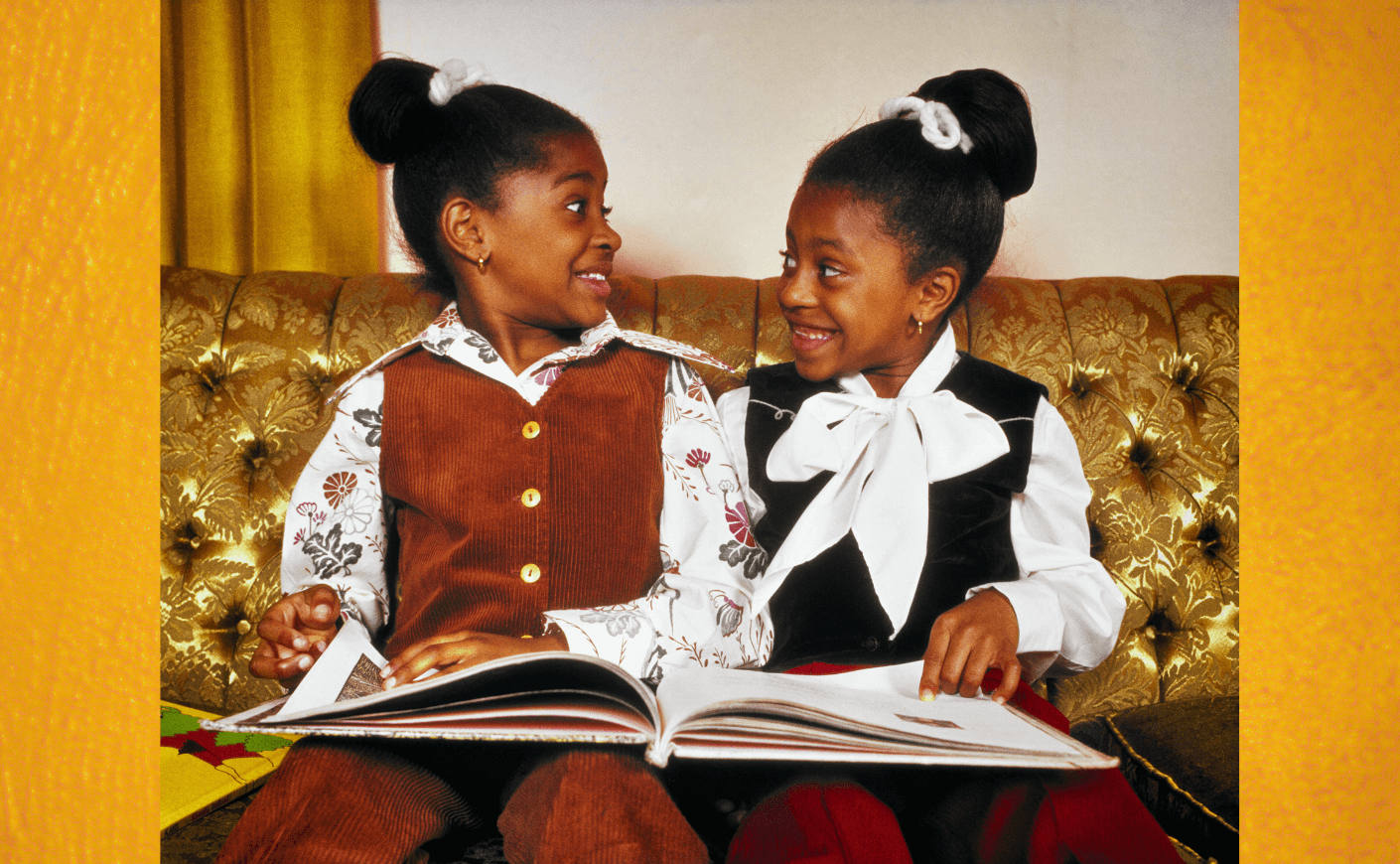
So far, I've covered the most important books of the '50s, '60s, and '80s. But somehow I skipped the '70s, which actually seems par for the course! In fact, that decade is often overlooked for its cultural significance, sandwiched as it was between the volatile '60s — with the anti-war and Civil Rights movements — on one side, and the go-go economic explosion of the 1980s coming around the bend.
Emblematic of the era is its dominance of two one-term presidents, well-meaning and earnest, but without many meaningful positive contributions that would last (unless, of course, one includes the tragic rise of the current Iranian regime). Other signs of taking a breath between two seemingly more momentous decades is what happened to the space program: The collective excitement of the moon landing in 1969 was followed by the seeming ho-hum of several more Apollo flights highlighted by the near tragedy of Apollo 13, Alan Shepard’s six-iron from the lunar landscape on Apollo 14, and Apollo 17’s record 21-mile lunar rover excursion.
But the 1970s were also a cultural landmark decade in great movies and television. Back then, we all seemed tethered to our TVs at the same times each week to catch Columbo, Three’s Company, All In the Family, M*A*S*H, Happy Days, or Mary Tyler Moore — and, of course, we first were introduced to John Travolta in Welcome Back, Kotter. (For sheer brilliance and wry humor, my favorite was The Bob Newhart Show.)
The 1970s also were a time of truly great and diverse literature. Here’s a selection of what I think are the most seminal works of that decade of creativity:
One Hundred Years of Solitude by Gabriel Garcia Marquez
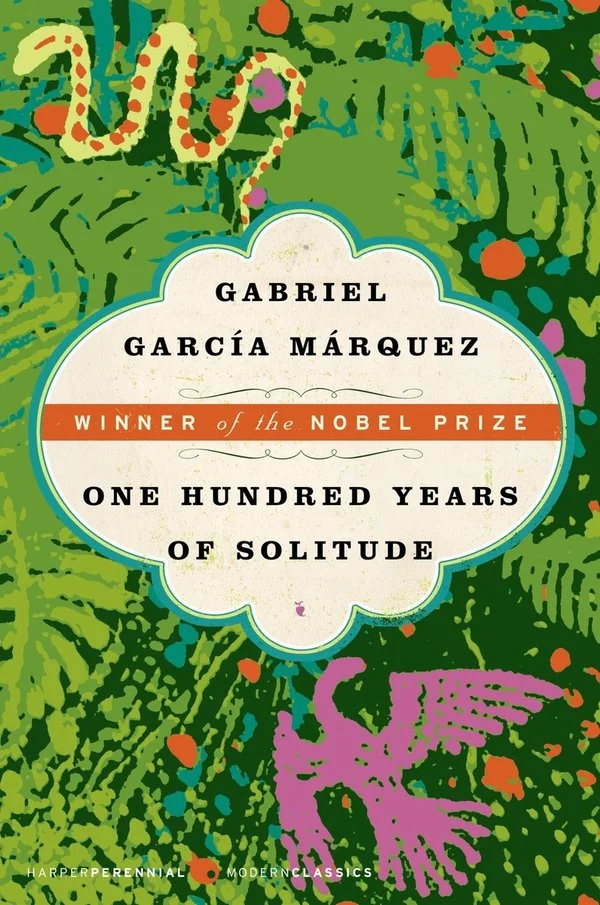
This sprawling masterpiece of magical realism was technically published at the tail end of the '60s, but the first English translation was released in 1970, so I'll include it here for all the monolinguists. Novelist William Kennedy summed it up best, calling it, "the first piece of literature since the Book of Genesis that should be required reading for the entire human race."
The Joy of Sex by Alex Comfort
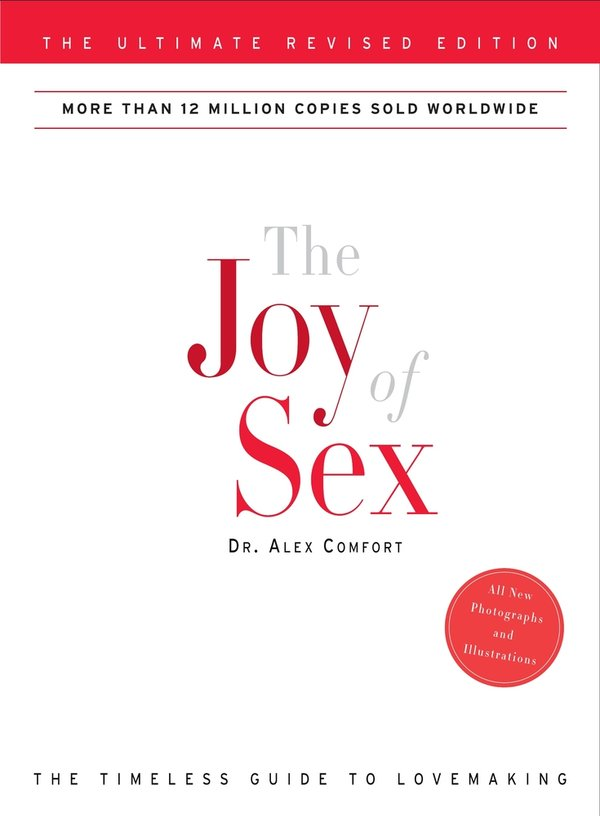
This book — by an oddly appropriately named author — marked a time when we started talking about that which was never discussed, and how to make the best of it.

Fear and Loathing in Las Vegas by Hunter S. Thompson
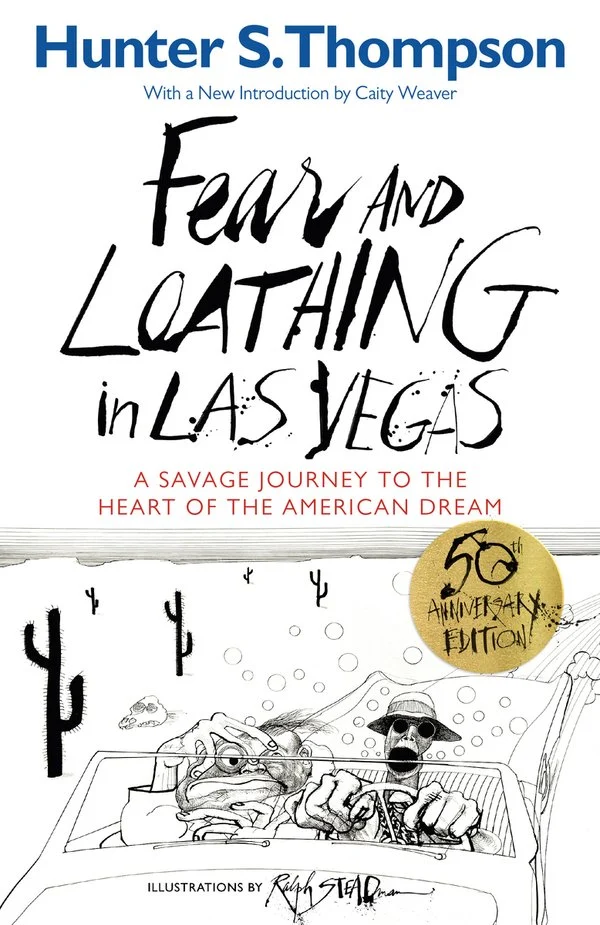
So much is packed into this deeply weird adventure: gonzo journalism, drug culture, and (despite it being a '70s-era book) an exploration of the limits and failures of the '60s cultural revolution.
Zen and the Art of Motorcycle Maintenance by Robert Pirsig
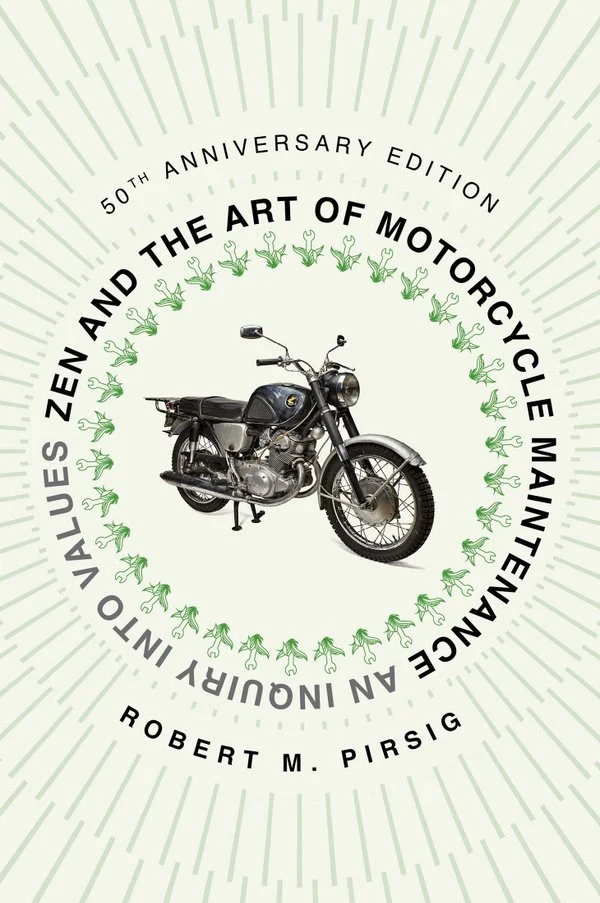
A genius title that captures the zeitgeist of the time in the story of a father-son 17-day motorcycle trip from Minnesota to California. But more importantly, it explains (in layman's terms) numerous philosophical concepts, including meditations on meditation, the value of the industrial arts, mental illness, the pursuit of quality in life, and sophistry.
All the President’s Men by Carl Bernstein and Bob Woodward
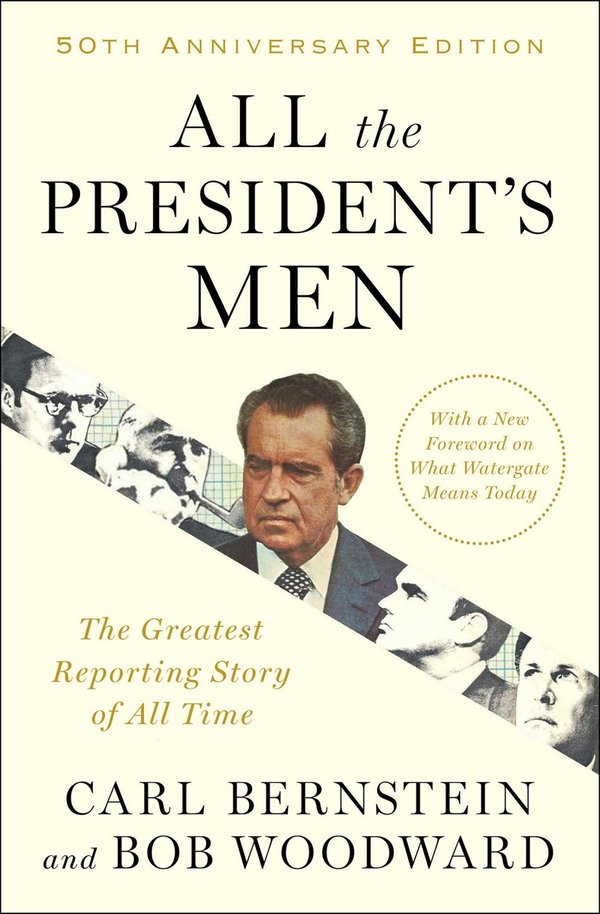
The story of the seminal political event and crime of the '70s — but also a paean to the quality of great journalism, and how it can both explain and alter the world.
Helter Skelter by Curt Gentry and Vincent Bugliosi
Although one could argue that true crime as a literary concept began in earnest with Capote's In Cold Blood, this is another giant of the genre. It delves into, of course, the senseless violence by the Manson clan, exploring the pathology of those who commit senseless killings — and those who follow them.
Roots by Alex Haley
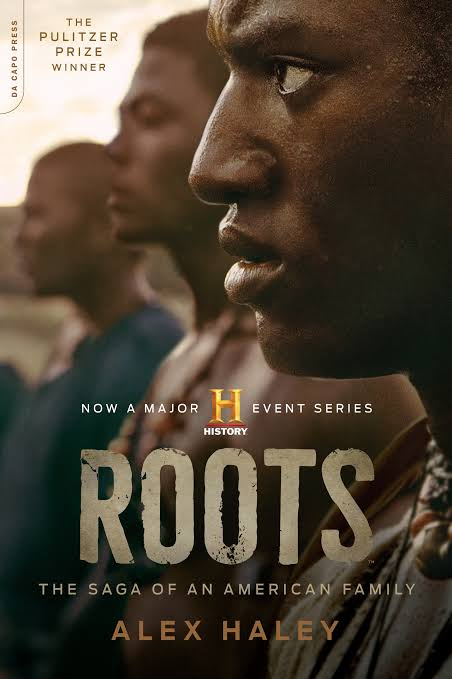
A Pulitzer Prize-winner covering the panoply of Black American history. A genealogical history and retrospective inspired by Haley’s family, it begins with Kunta Kinte’s kidnapping from Africa to slavery in America, then navigates through the Jim Crow period up to the present. It birthed the modern miniseries, too, since Roots was one of the first “much-watch” TV events. That series also introduced us to young LeVar Burton, the USC alumnus who later played Geordi La Forge in Star Trek: The Next Generation and, most endearingly and meaningfully, was the man who read to our children on the great PBS show, Reading Rainbow.
The World According to Garp by John Irving
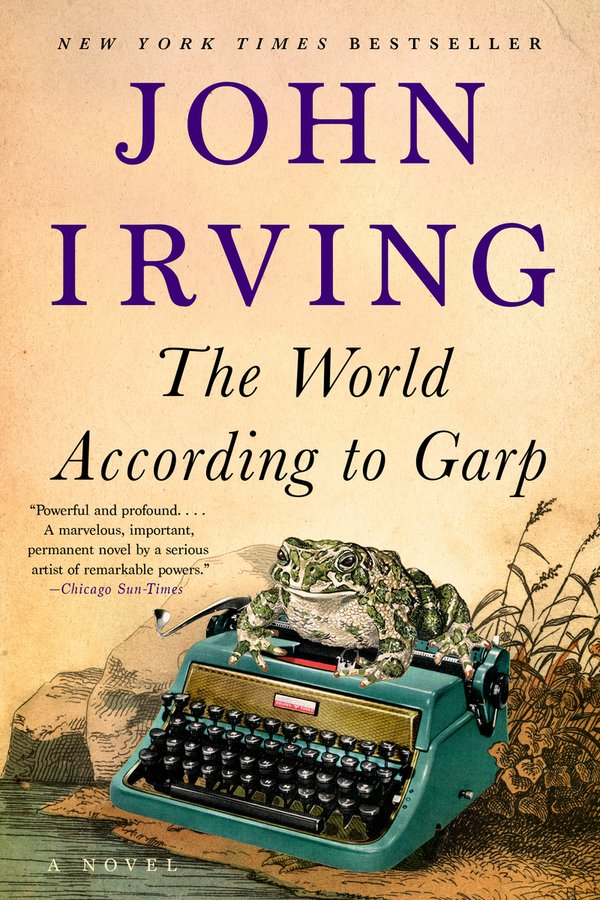
One of the many Irving novels that includes bears, Vienna, wrestlers, and Irving’s unique perspectives on America. It's the story of a child of a proto-feminist mother who wants a son, but not a husband. The Chicago Sun-Times called it “the most powerful and profound novel about women written by a man in our generation…” (But I still think A Prayer for Owen Meany, Hotel New Hampshire, and the mighty The Cider House Rules may exceed Garp in power and potency.)
Sophie’s Choice by William Styron
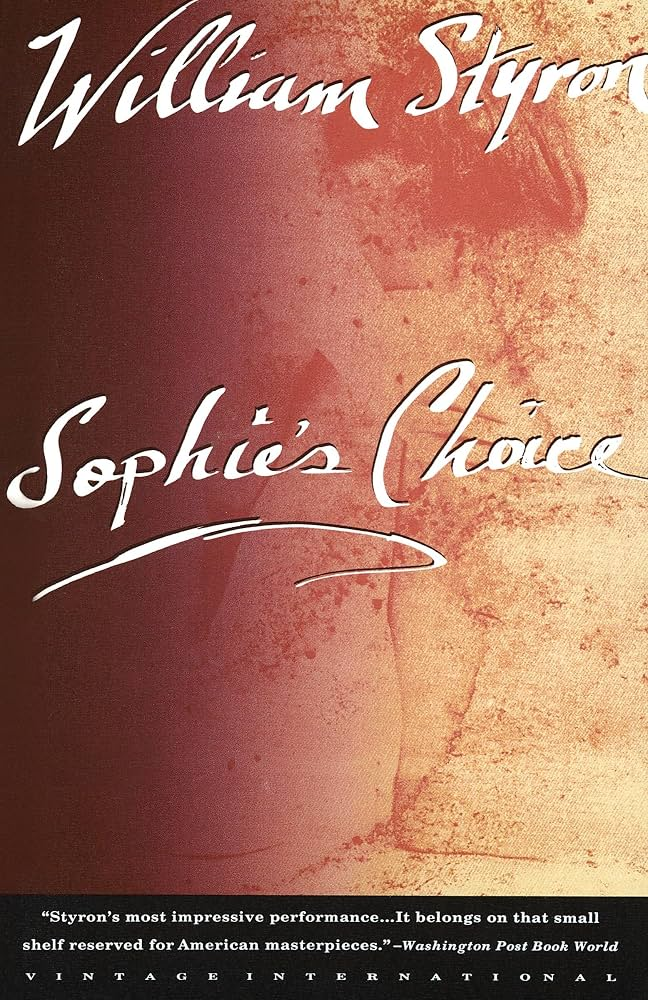
This National Book Award winner initially follows three damaged young people living in postwar Brooklyn, but its devastating secret reaches back to Sophie’s imprisonment at Auschwitz. It's truly remarkable (as is the Meryl Streep movie adaptation) and also speaks to the question of impossible choices among the bad options that we still deal with today.
The Hitchhiker’s Guide to the Galaxy by Douglas Adams
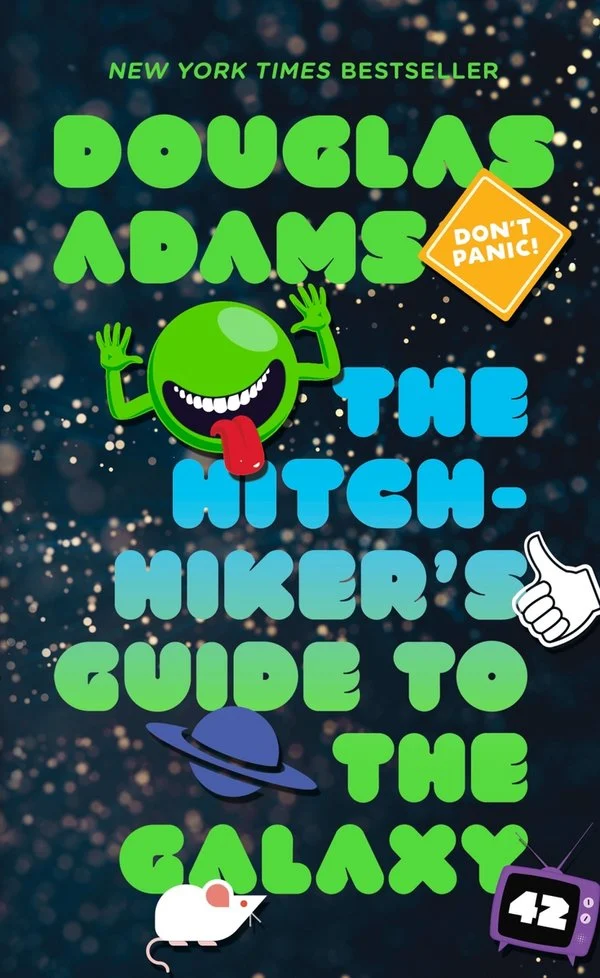
Arguably the funniest science fiction ever, exploring the meaning of life, the insignificance of man in the enormity of the galaxy, and the answer to the question “What is the meaning of life?” (which, clearly, is “42”). It's the precursor to the perhaps even better Restaurant at the Edge of the Universe and Life, the Universe and Everything.
Our Bodies, Ourselves by the Boston Women’s Health Book Collective
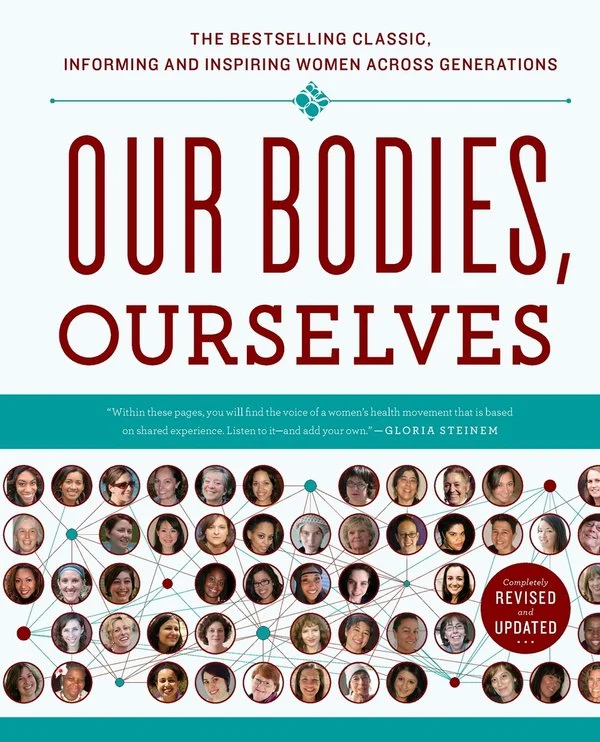
I haven’t read it myself, but a female friend assures me that this was a seminal feminist book on women’s health. Included are issues around sexual orientation, birth control, violence and abuse, menopause, abortion, and other subjects previously not discussed much in public. An important book that helped create the more open times in which we live.
Ragtime by E.L. Doctorow
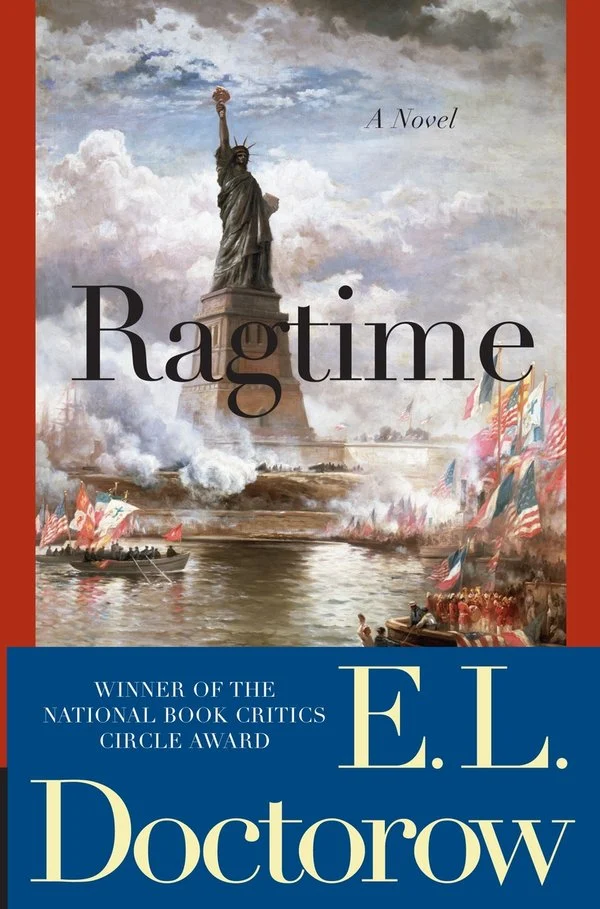
Some could dispute this choice. But I feel the entire genre of fictional stories based on factual history was pioneered by Doctorow. Other great ones include World’s Fair, Homer & Langley, The March, and The Waterworks.
Anything by Philip K. Dick
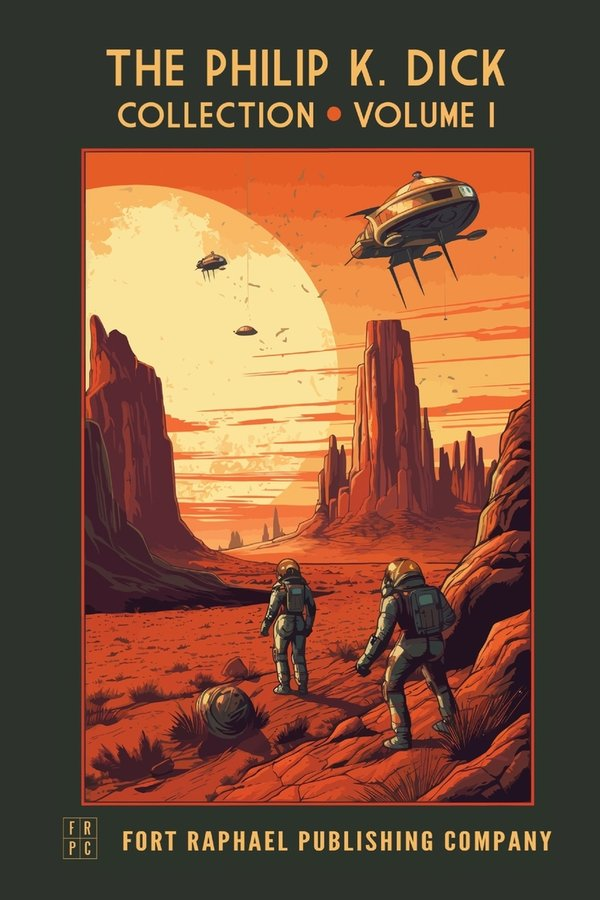
The godfather of much of the science fiction that's inspired millions — and, notably, been made into TV shows and movies over the last few decades, including Total Recall (based on his novelette "We Can Remember It for You Wholesale"), Blade Runner (inspired by Dick's book Do Androids Dream of Electric Sheep?, The Man in the High Castle, and The Adjustment Bureau (based on "The Adjustment Team," another Dick story). For the uninitiated, this collection is a great starting point...
Song of Solomon by Tony Morrison
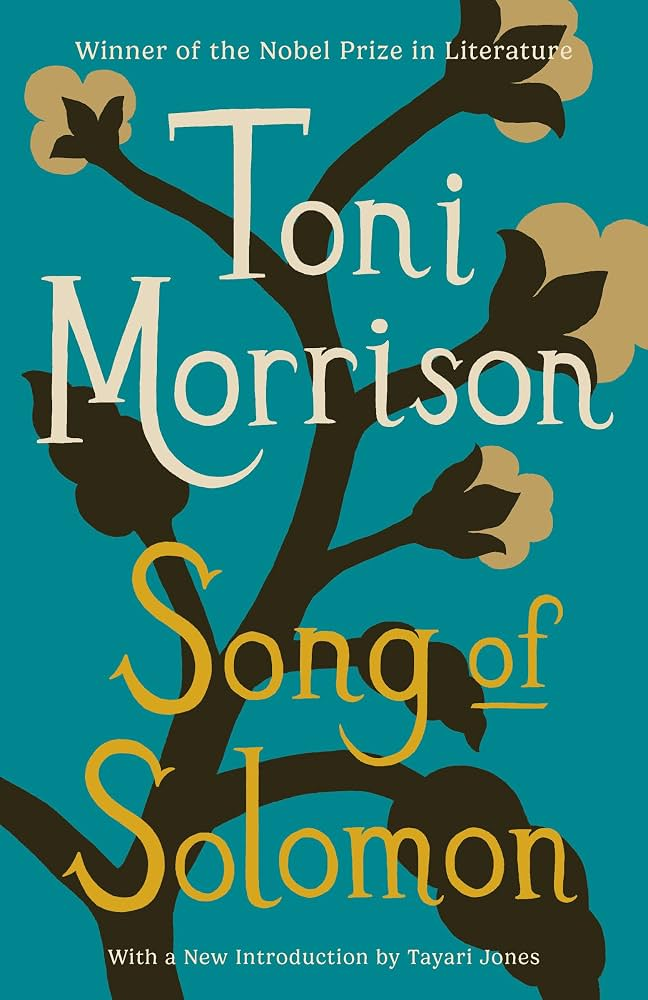
Morrison has written plenty of other novels, but I think this is her best — a gorgeous story that chronicles the life of an African-American man in the Midwest. It earned a National Book Critics Circle Award winner for this Nobel Prize-winning author.
The Right Stuff by Tom Wolfe
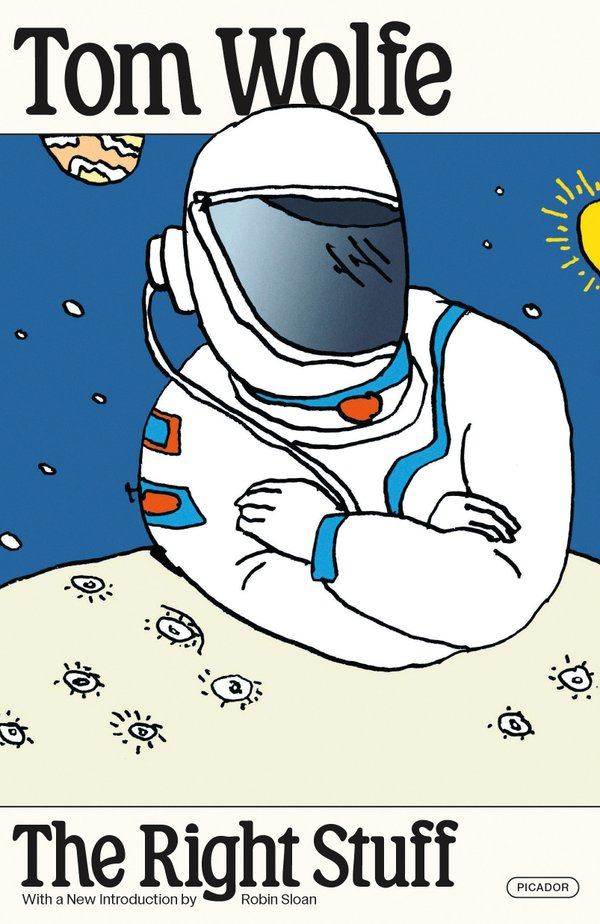
One of the seminal authors of the late 20th century, with classics in each decade, Wolfe covered the '60s drug generation, the real estate industry of Atlanta (A Man in Full), and the “masters of the universe” on Wall Street (Bonfire of the Vanities). But this may have been his best: the story of the beginnings of the space program, told through the stories of Chuck Yeager and the test pilots through the Mercury Seven. (The movie was also an excellent adaptation of a great book.)
When he isn’t writing his column Thinking Things Through, Glenn Sonnenberg heads a real estate investment company and serves on several nonprofit boards. A graduate of the University of Southern California, Mr. Sonnenberg also received his J.D. from USC. He began his career as an attorney specializing in real estate and finance. Follow him on Substack here.
