






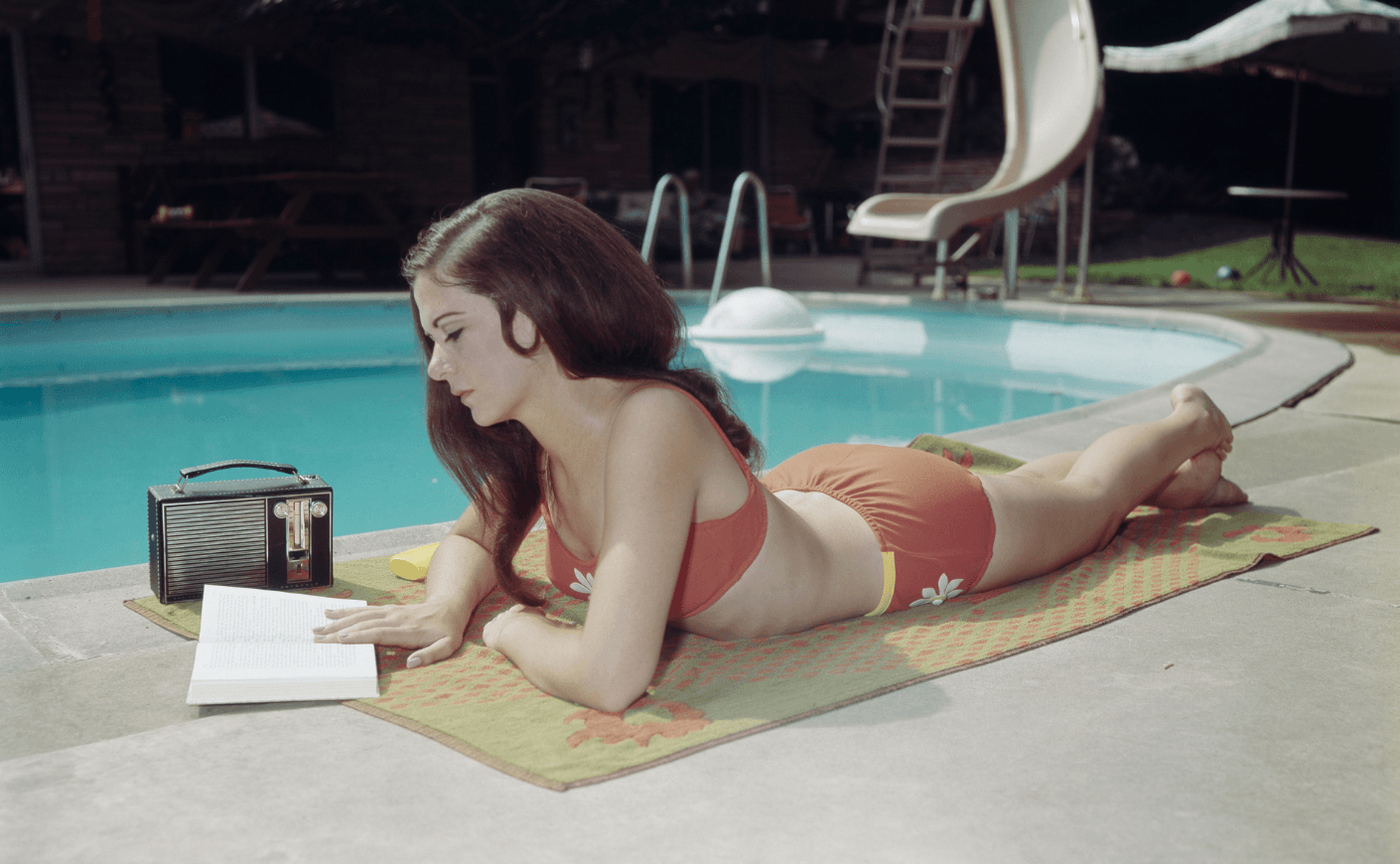
It’s summer, which means it's time to catch up on our reading: This month, come with me on a literary trip to the 1960s!
This decade saw considerable upheaval and three major political assassinations (a phenomenon I fear may be a factor in this generation, too). The '60s were also the years of escalations in Vietnam, the Great Society, the Civil Rights Act, the expansion of the social safety net (under both Johnson and Nixon), the first Earth Day, and the race to the moon.
Yes, the 1960s produced remarkable political upheaval, but they also transformed literature. Writers experimented with form, challenged authority, and explored questions about identity, technology, war, and social change. That's what brought me to making this list of the most significant books of the '60s. Not every book on my list is explicitly political, but together they capture the anxieties, ambitions, and imagination of the decade.
To Kill a Mockingbird by Harper Lee
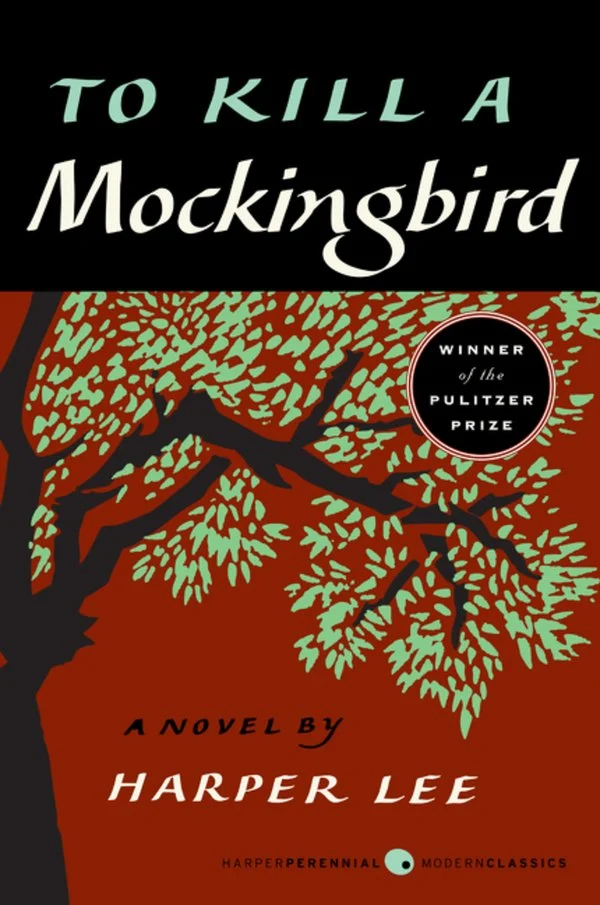
A Pulitzer Prize-winner that gave birth to the Gregory Peck film, images of which still are in my mind. (“Miss Jean Louise, stand up. Your father’s passing.”) And few lines can ever top the emotions expressed by those words uttered in the courtroom, when Atticus Finch defines greatness in the face of insurmountable odds.
Stranger in a Strange Land by Robert Heinlein
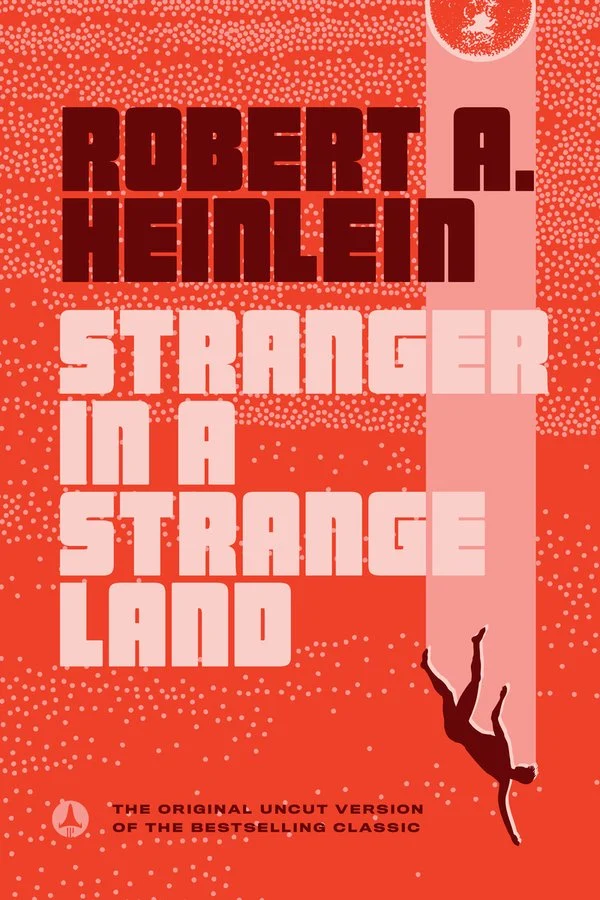
This author loved to explore the concept of “future history” and worlds far from our own. Other Heinlein novels honestly resonated with me more as a young reader but this one, smart and silly, is worth calling out. The fact that it gave the world the word "grok" and the sheer audacity of Heinlein's approach make it a seminal work.
Slaughterhouse-Five by Kurt Vonnegut
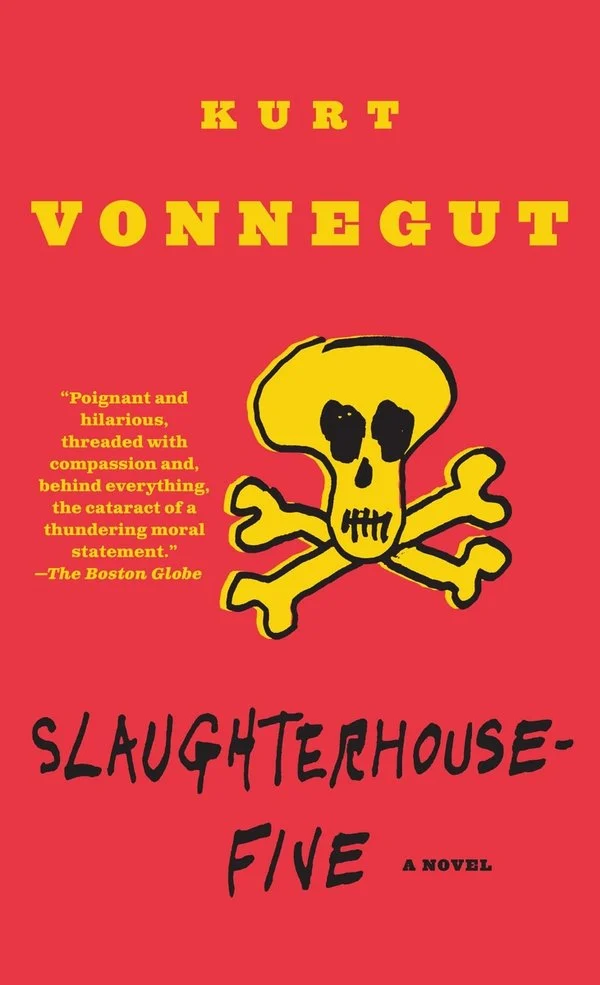
Science fiction that also explores the devastation of combat. It became one of the defining novels of the era, speaking to a generation grappling with the Vietnam War and the lingering horrors of World War II. And he gave the world the immortal line of acceptance, annoyance, judgment, and social commentary: “So it goes…”
Slouching Toward Bethlehem by Joan Didion
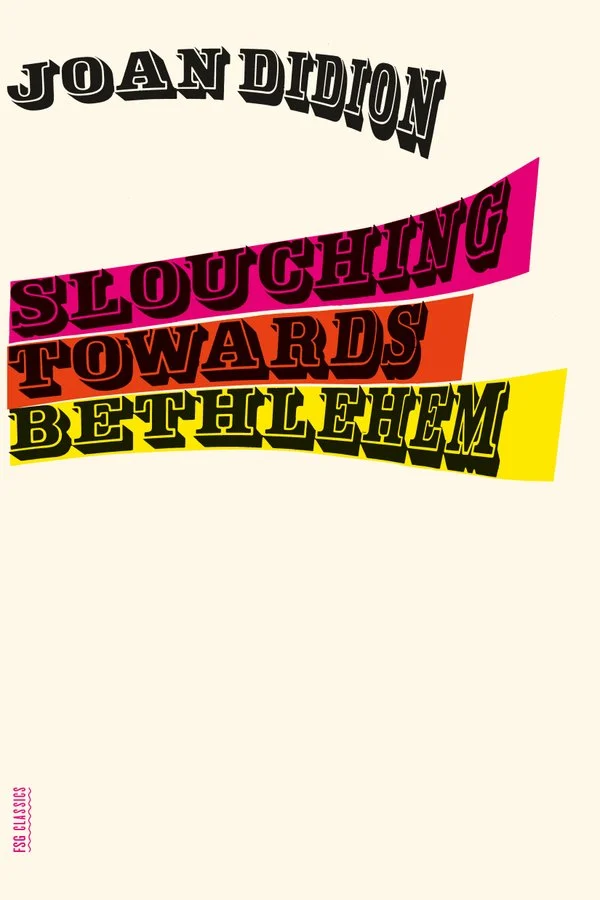
These are essays that defined an era, unemotionally and unabashedly. And it's only one of the many brilliant volumes by Didion. Her incisive essays are the type of writing that still brings many of us to The New Yorker every week…
One Flew Over the Cuckoo’s Nest by Ken Kesey
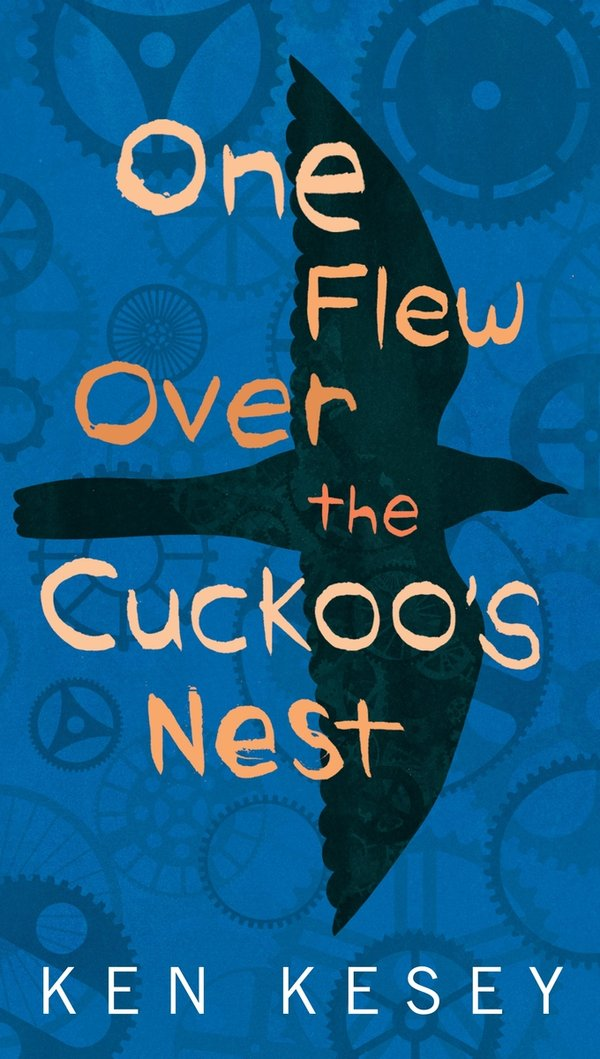
A penetrating commentary on the often irrational and unfeeling actions of institutions and modern psychiatry. Still unnerving and completely prescient.
Flowers for Algernon by Daniel Keyes
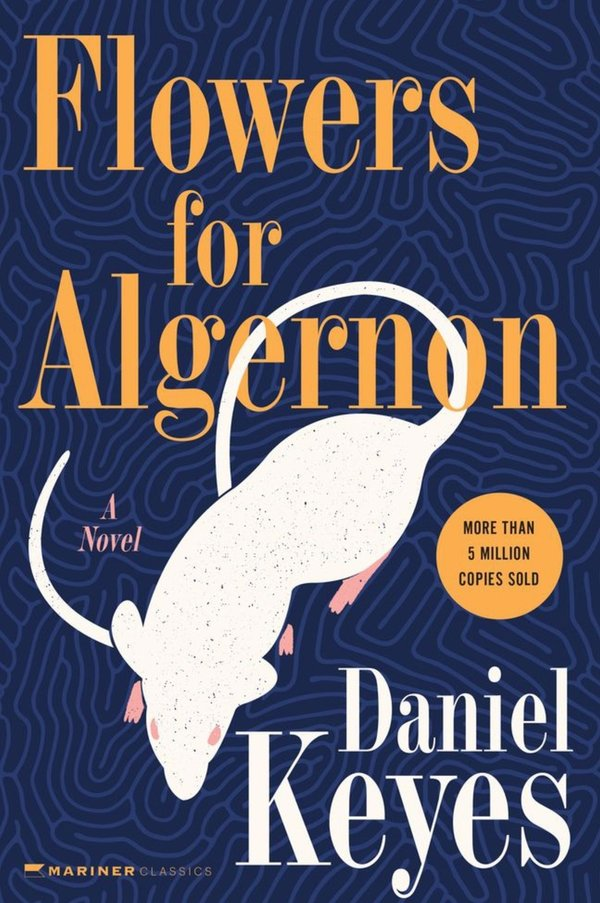
A short story — in which surgery on an intellectually disabled patient leads to brilliance — that every child of the era read in their anthologies. Eventually, and heartbreakingly, the subject goes back to his janitorial position and below-average intelligence. It's ultimately exploring dignity, and what it means to be fully human.
The Godfather by Mario Puzo
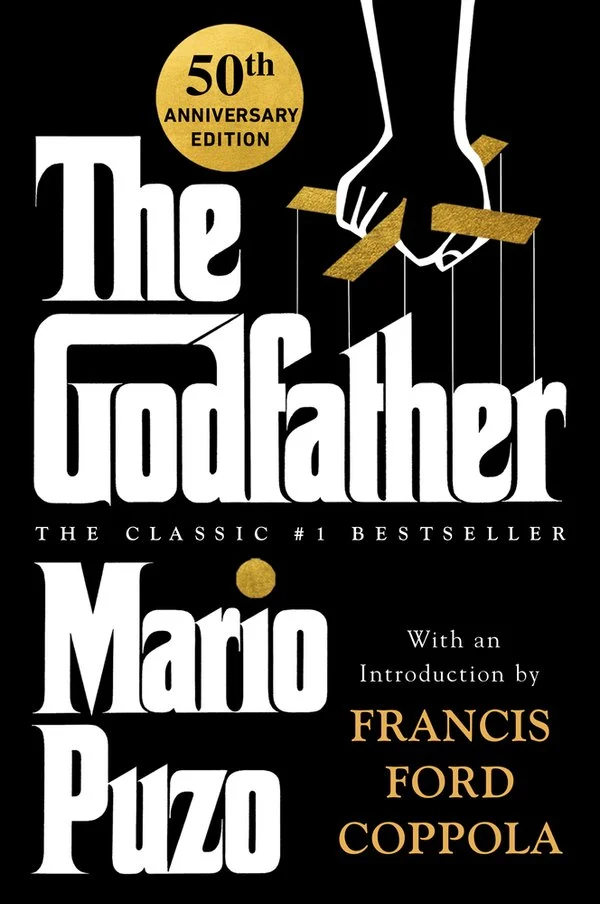
A book that also the answers the question, “When has a solid book been exceeded by a brilliant film adaptation?” For the cultural impact and redefining the organized crime genre, it’s worth the read. Goodfellas, Casino, Breaking Bad, and any number of other culturally significant explorations of the conflicts, fraternal bonds, and a strangely rules-based society of crime as metaphors for the world around us must look to this book as the beginning of it all.
Something Wicked This Way Comes by Ray Bradbury
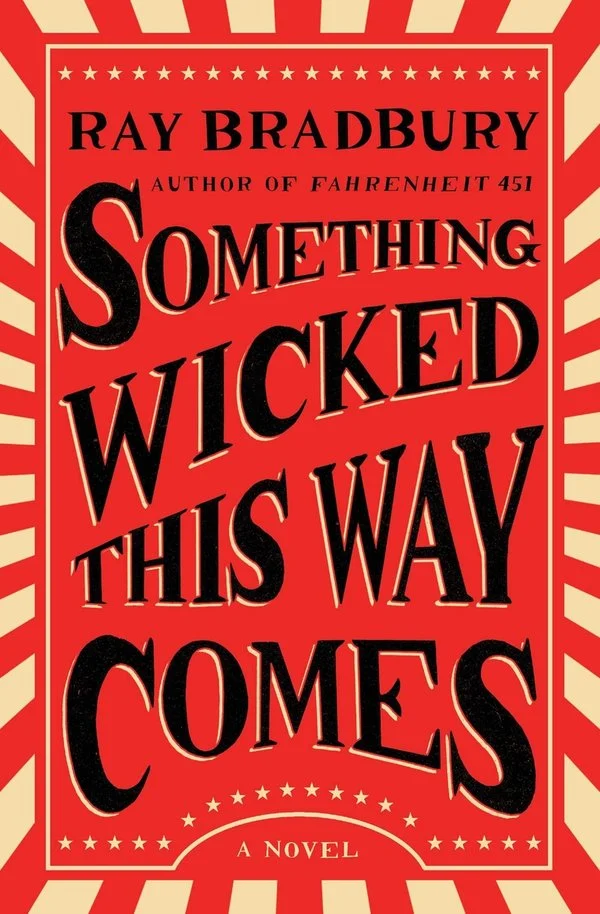
One of the definitive authors of my youth. Some will put The Martian Chronicles or Dandelion Wine above this. But this book is so evocative of children’s private fears of the mysterious, in this case, the carnival coming to town, with all its eerie and otherworldly qualities. The story of a boy, his friend, and his father, set against the story of the “night people” and what they bring out in the people of the town, is a classic. What conquers the evil represented by the carnival people? Love, of course.
2001: A Space Odyssey by Arthur C. Clarke
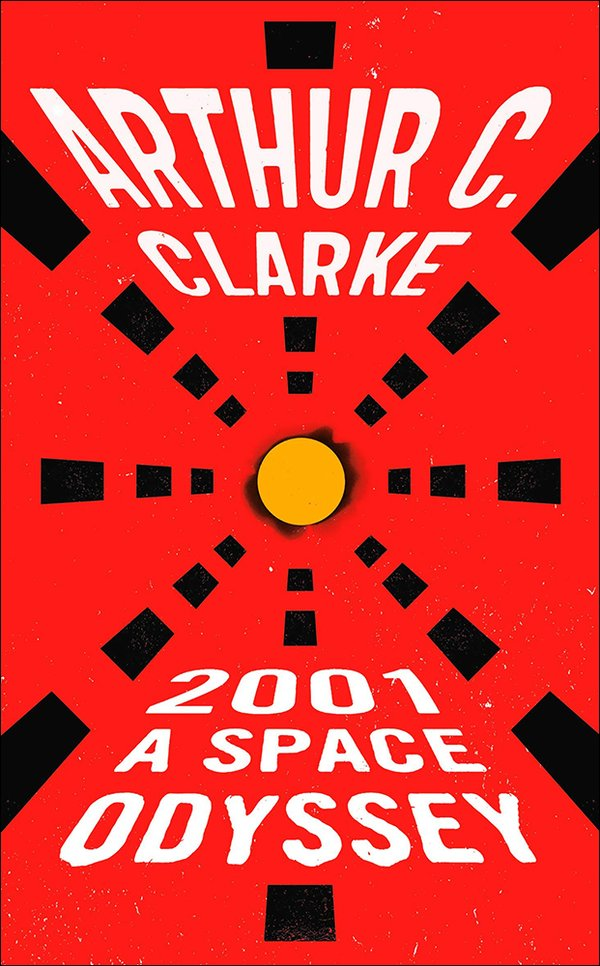
A story of the limits of science and exploration and a meditation on the vast emptiness and unknowns of the universe. Importantly, one of the first books/movies to explore the promise and dangers of artificial intelligence. I may never fully understand its ending but I loved the book and the movie. And I’m still waiting for that Pan Am airplane with regularly scheduled trips to the moon.
The Feminine Mystique by Betty Friedan
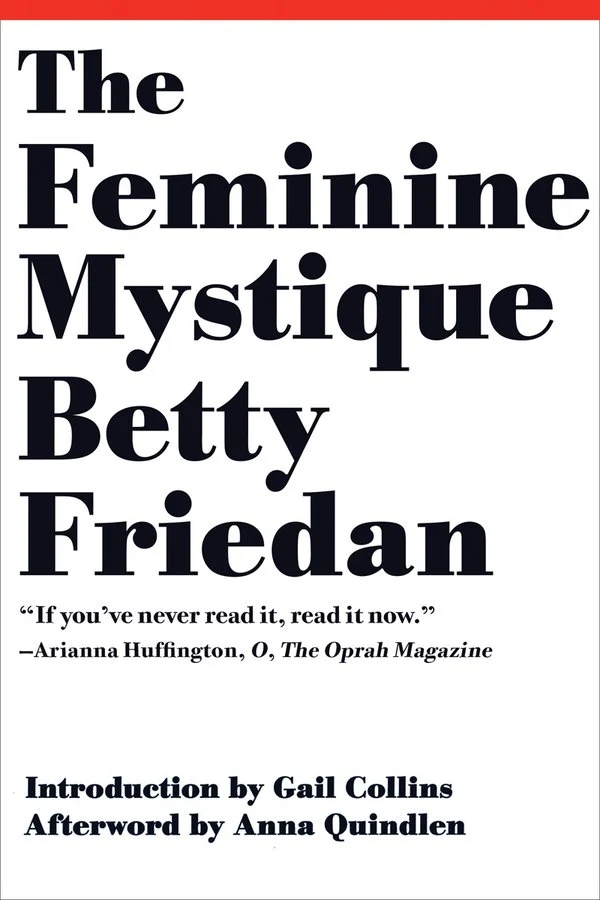
Published at the beginning of an evolved women’s liberation movement. Before women started burning bras and the sexual revolution, this book raised eyebrows: Friedan critiqued the notion that women should be satisfied solely with matrimony and child-rearing. When I first heard Helen Reddy sing out “I am woman, hear me roar,” this is the book I thought of. I sometimes wonder what a teenage kid in Anaheim was doing reading a seminal read on women’s empowerment, but its themes inform society to this day.
The Whole Earth Catalog
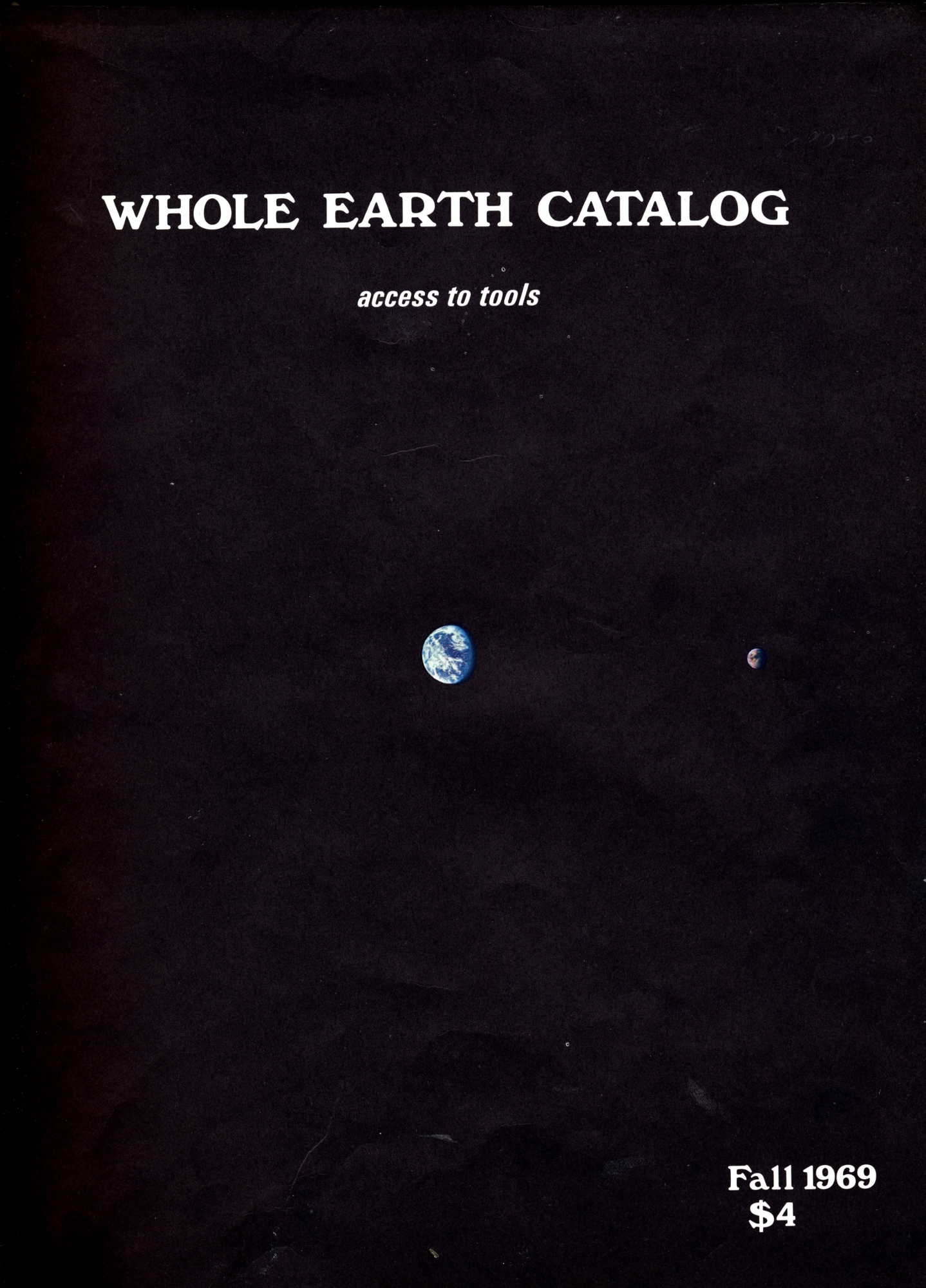
The collection of all things DIY and counterculture, and the early bible of “preppers," before they even had that name. A big, boisterous, kooky compendium of self-sufficiency that continued publishing into the 70s. It influenced everyone from homesteaders to the early personal-computer movement. As a kid, it brought me hours of adventure into quirky products, hobbies, and pursuits.
In Cold Blood by Truman Capote
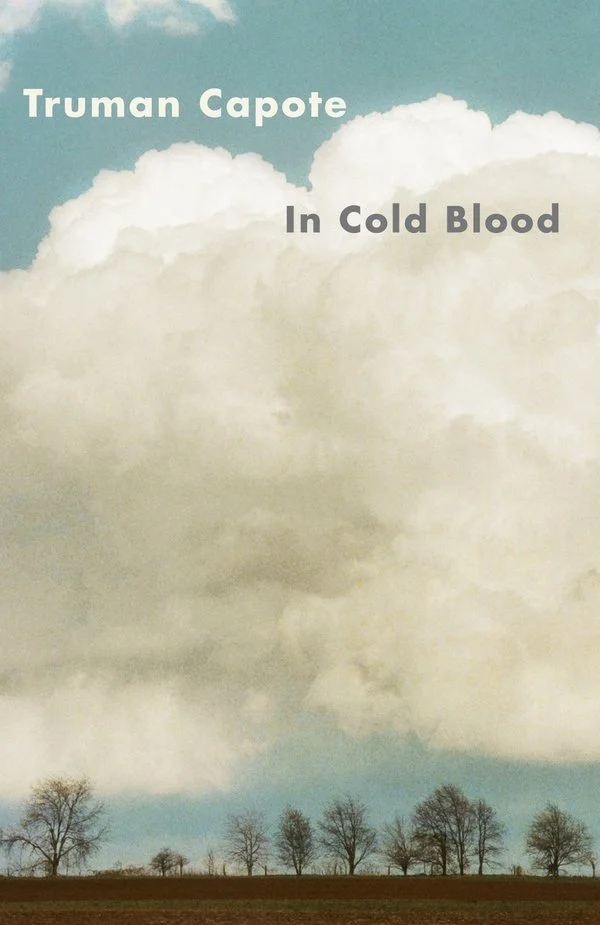
Long before the recent true-crime boom was this tale of quadruple murders in Kansas. Capote transformed an actual case into a narrative about violence, justice, and the complicated humanity of both victims and perpetrators. An in-depth mixture of journalism, storytelling, and social commentary.
Catch-22 by Joseph Heller
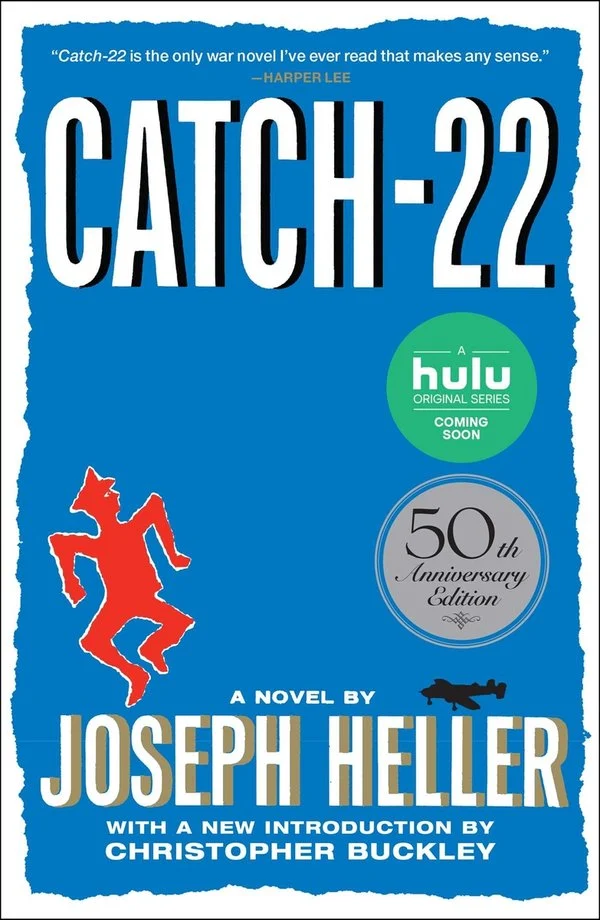
The game-changing novel on the absurdity of war and characters playing out their time in a dysfunctional military. And, of course, it's the origin of the neologism “catch-22,” now arguably better known than the novel from which it sprang.
The Andromeda Strain by Michael Crichton
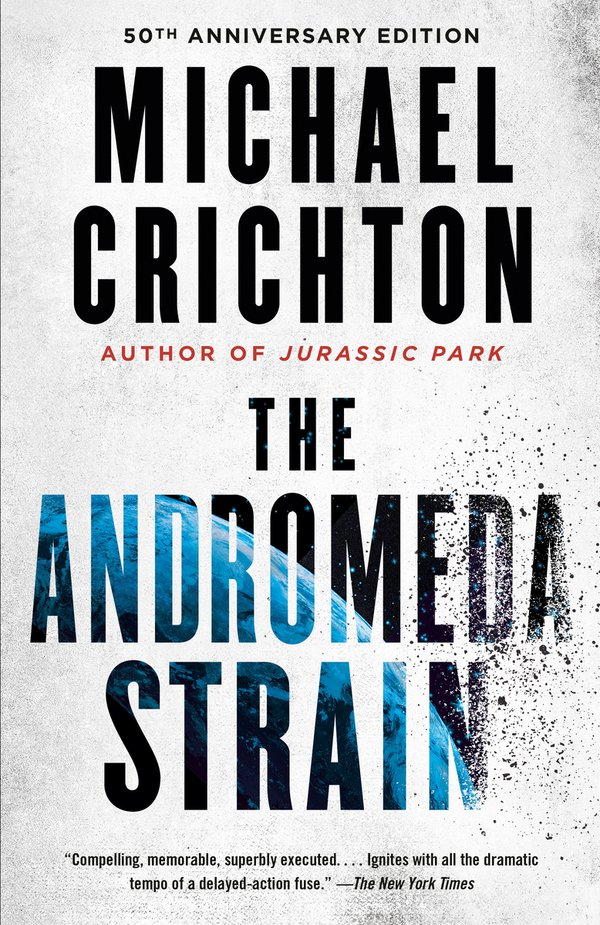
Science, plague, and extraterrestrial microorganisms — a work that's among Crichton’s best. He wrote about science from a place of knowledge, having earned his M.D. from Harvard Medical School; this familiarity informs the quality of the search to explain the titular strain. Crichton went on to create the TV show ER and write many science-based sci-fi novels, including Jurassic Park.
Dune by Frank Herbert
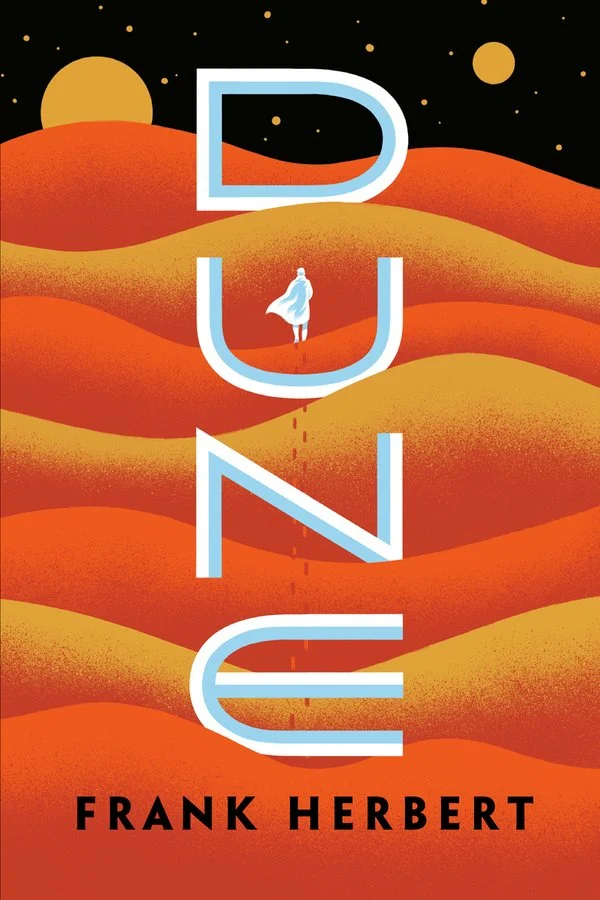
World-building on an epic scale, Dune was released — and beloved — long before the first (largely panned) 1984 film adaptation and Denis Villeneuve's recent triumphant re-adaptations. Its influence can be seen in countless works that followed, from Star Wars to Game of Thrones.
Charlie and the Chocolate Factory by Roald Dahl
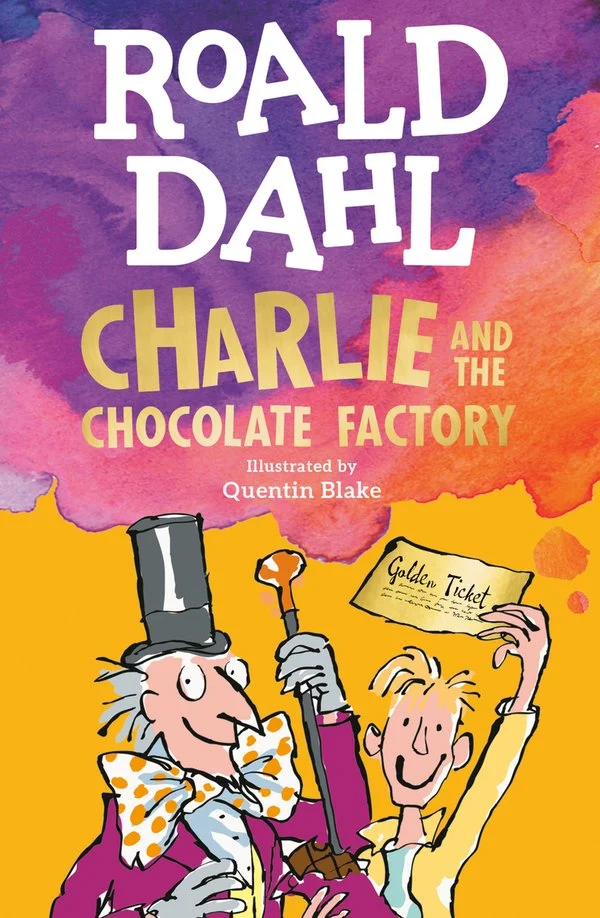
Despite his antisemitism and questionable statements and personal politics, the author of this classic and others, like James and the Giant Peach, entertained generations of children. This book is harsh in its judgment of selfish kids, meting out severe consequences for bad behavior.
Franny and Zooey by J.D. Salinger
I actually prefer it to the more-celebrated Catcher in the Rye. Two stories of a brother and sister confronting social norms, religion, angst, family, inauthenticity, and spirituality.
The Giving Tree by Shel Silverstein
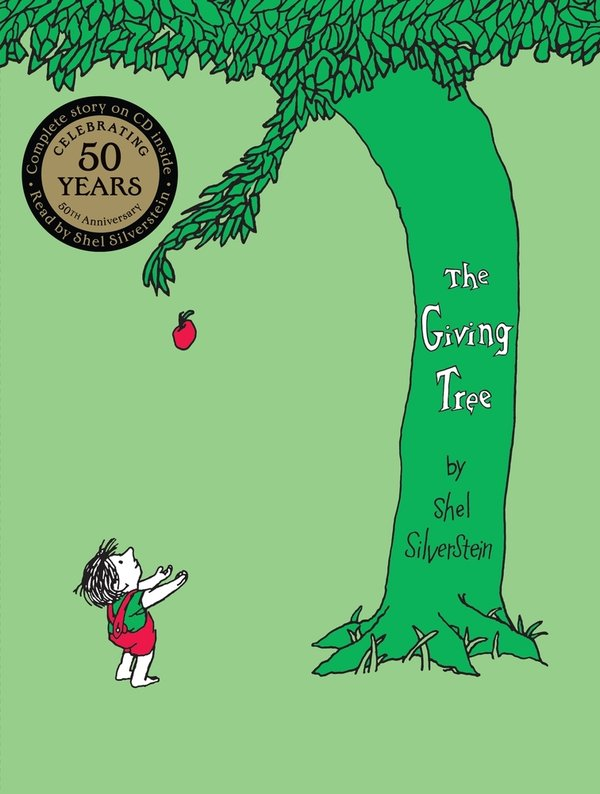
Still makes me tear up. Whether you read it as a story of unconditional love or unhealthy self-sacrifice, it has a way of staying with you long after you've finished it. I have always felt the story of giving until there is nothing left to give is more appropriately a story for adults and not for children. (And to think Shel also wrote for Playboy.)
*Want more retro reads? Check out Glenn's recommendations for Books of the 80s and Books of the 50s
When he isn’t writing his column Thinking Things Through, Glenn Sonnenberg heads a real estate investment company and serves on several nonprofit boards. A graduate of the University of Southern California, B.A. 1977 (history, magna cum laude, Phi Beta Kappa), Mr. Sonnenberg also received his J.D. in 1980 from USC. He began his career as an attorney specializing in real estate and finance. Follow him on Substack here.
