






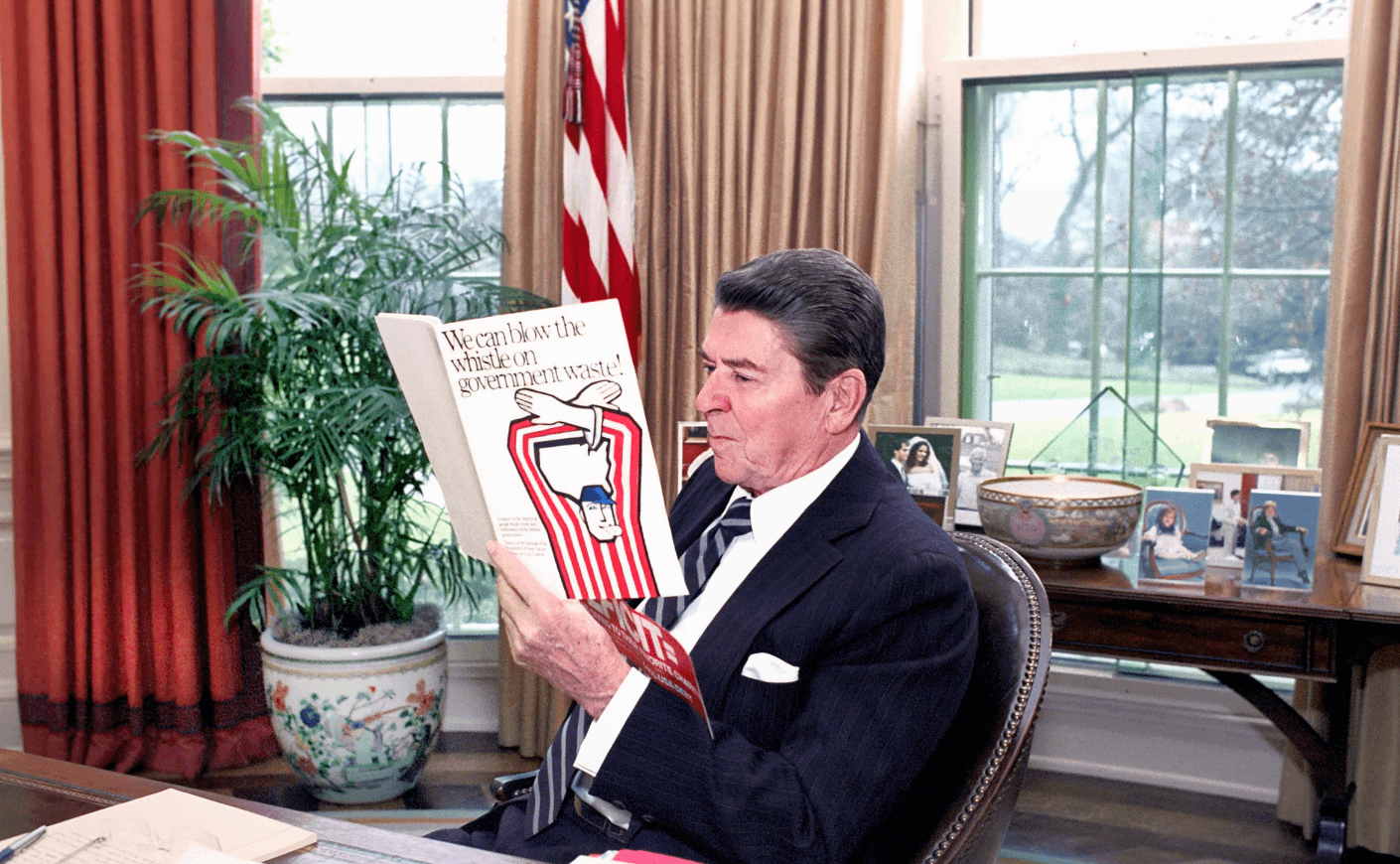
The weather is warm, the kids are out of school, the baseball season is in full swing, and it's the time of year we all want to reach for a good book. I’m feeling nostalgic, so I’m planning to read through a few of my favorites from the 1980s. It was a heady period: the age of Reagan, the fall of the Iron Curtain, the finale of M*A*S*H, and the advent of Cheers (where, of course, everybody knows your name).
So today, I'm jumping into a time machine to highlight the best of the best (or at least my opinion of the best) titles of the '80s. I've selected books that were written in that decade, and which were in some way evocative of that period (and its fads and important political moments). In the coming months, I'll share even more decades with you, but for now, let me take you back to an era when the Rubik's Cube and Cabbage Patch Kids battled it out for toy supremacy. Here are my picks for the quintessential books of the 1980s.
Books of the 1980s
Lonesome Dove, by Larry McMurtry
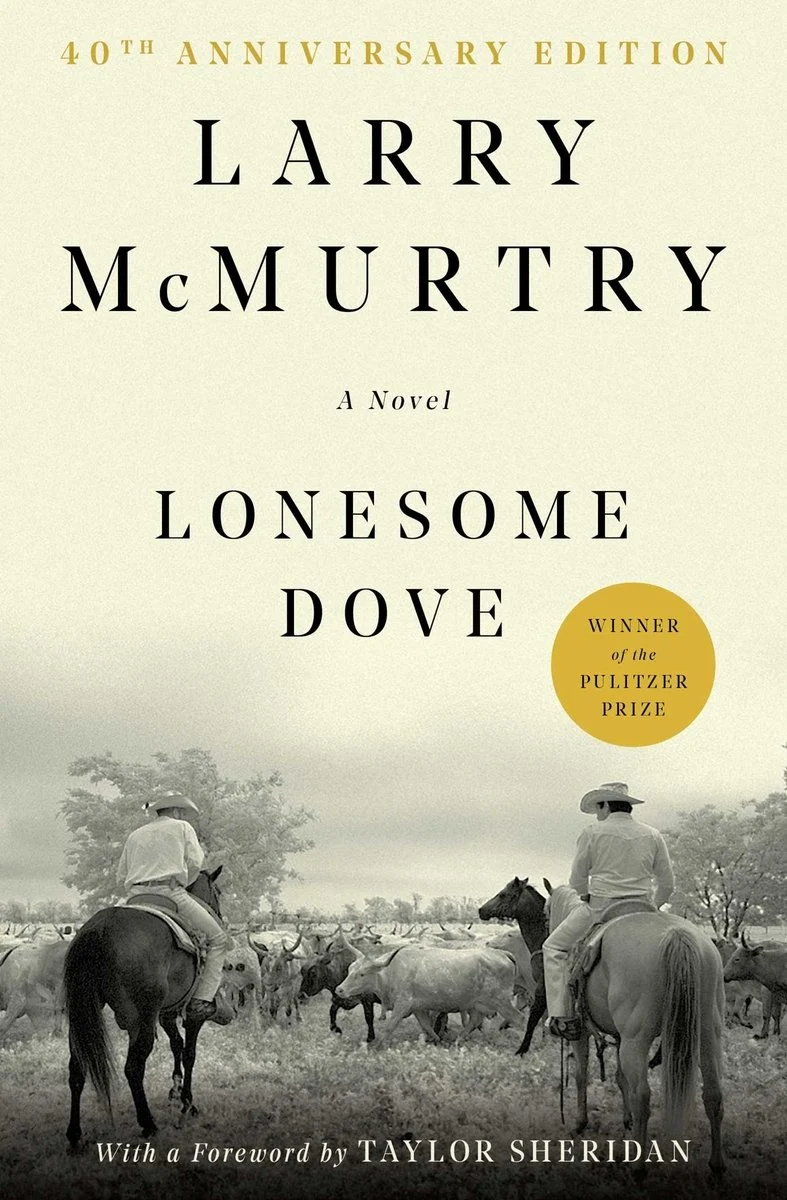
This 1986 Pulitzer Prize winner was the basis for one of the best TV miniseries ever, starring Tommy Lee Jones and Robert Duvall. It’s the story of two retired Texas Rangers leading a cattle drive from Texas to Montana. But it’s about a whole lot more: The LA Times called it “a wondrous work, drowned in love, melancholy, and yet, ultimately, exultant.”
The Bonfire of the Vanities, by Tom Wolfe
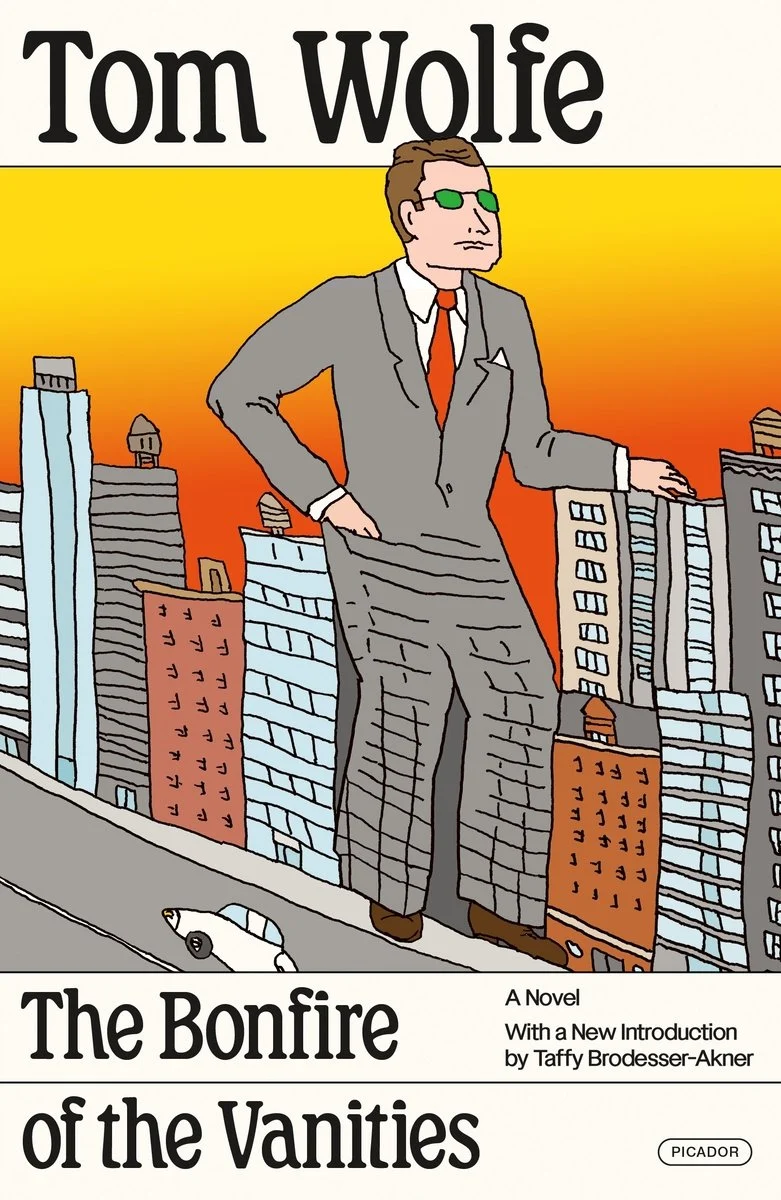
Wolfe is so good at capturing the zeitgeist of a place, an era, and an industry. This one is a classic of the “me” decade, zeroing in on investment banks and the ubiquitous “captains of the universe.” Hard to know which of Wolfe’s books is the best: The Right Stuff and A Man in Full were similarly evocative of an era, an industry, and quintessential places that represented their respective times. (And if you're more in a viewing than reading mindset, The Right Stuff was made into a great movie and A Man In Full also has been adapted as a miniseries.)
A Brief History of Time, by Stephen Hawking
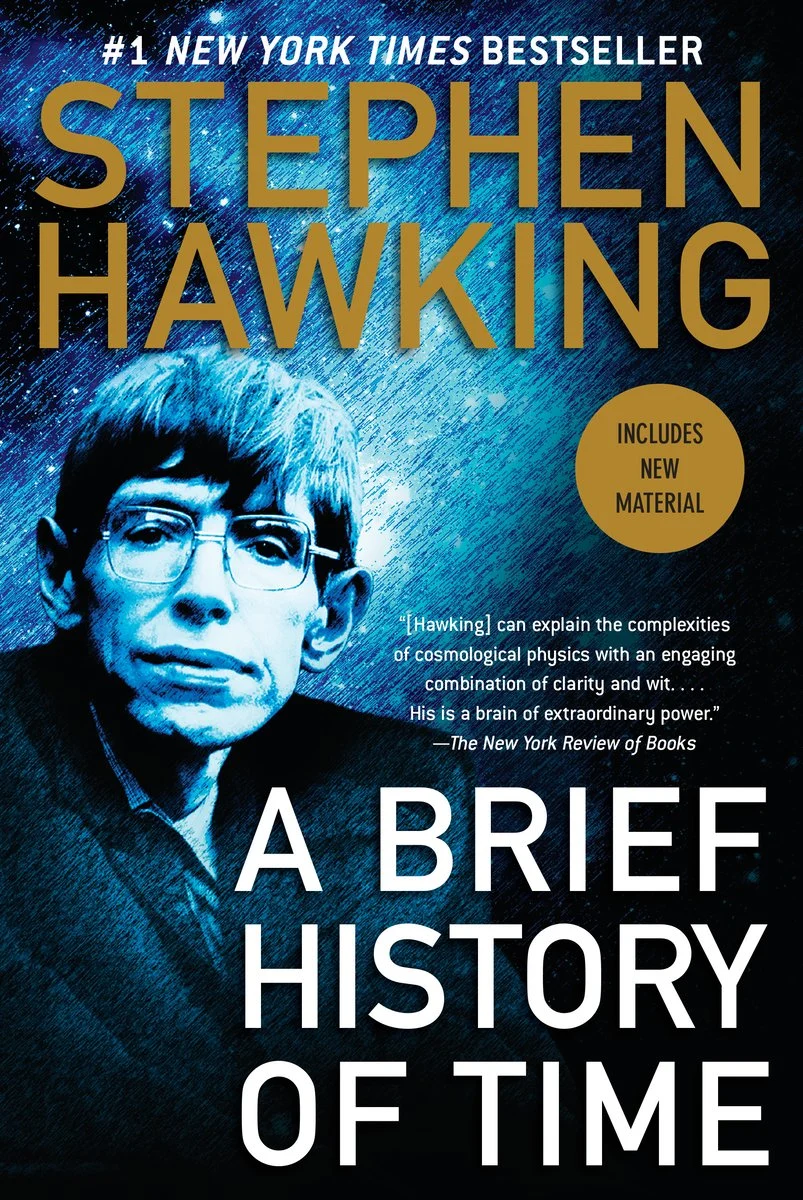
When we begin to doubt who we are or why we’re here, this book puts it all in perspective. Learn about the universe in one short volume, if you dare!

The Remains of the Day, by Kazuo Ishiguro
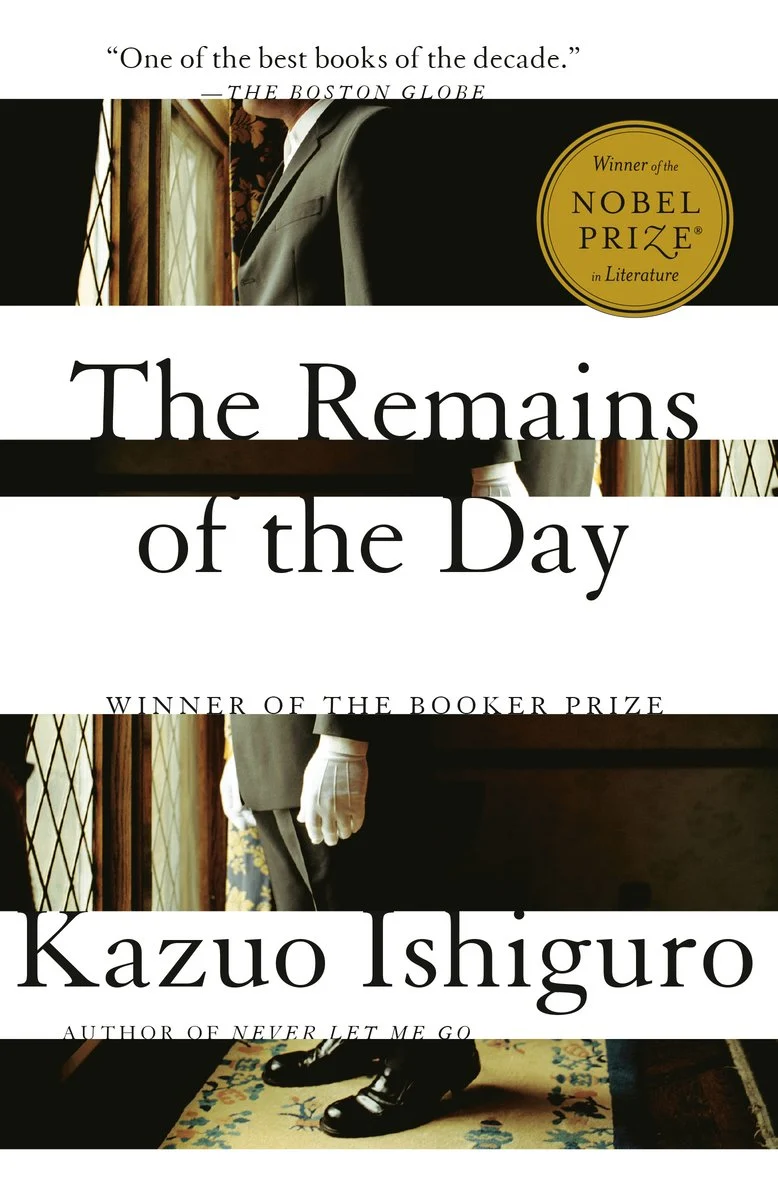
One of the beauties of Ishiguro is how he's able to tell his stories across a variety of genres — and be adept at so many diverse types. This one centers on the regrets and memories of an English butler who dedicated his life to the service of a man who turns out to be less than worthy of such attentions. It's a bittersweet story, exploring how the protagonist's emotional development was stunted, which stands in the way of his finding love. The “remains of the day” are the precious years of life ahead. The message: Don’t dwell on the past and, instead, look toward the future. Other Ishiguro works — like Never Let Me Go and Klara and the Sun — are certainly worth reading, too, for the way they approach dystopia and futurism in creative new ways.
The Name of the Rose, by Umberto Eco
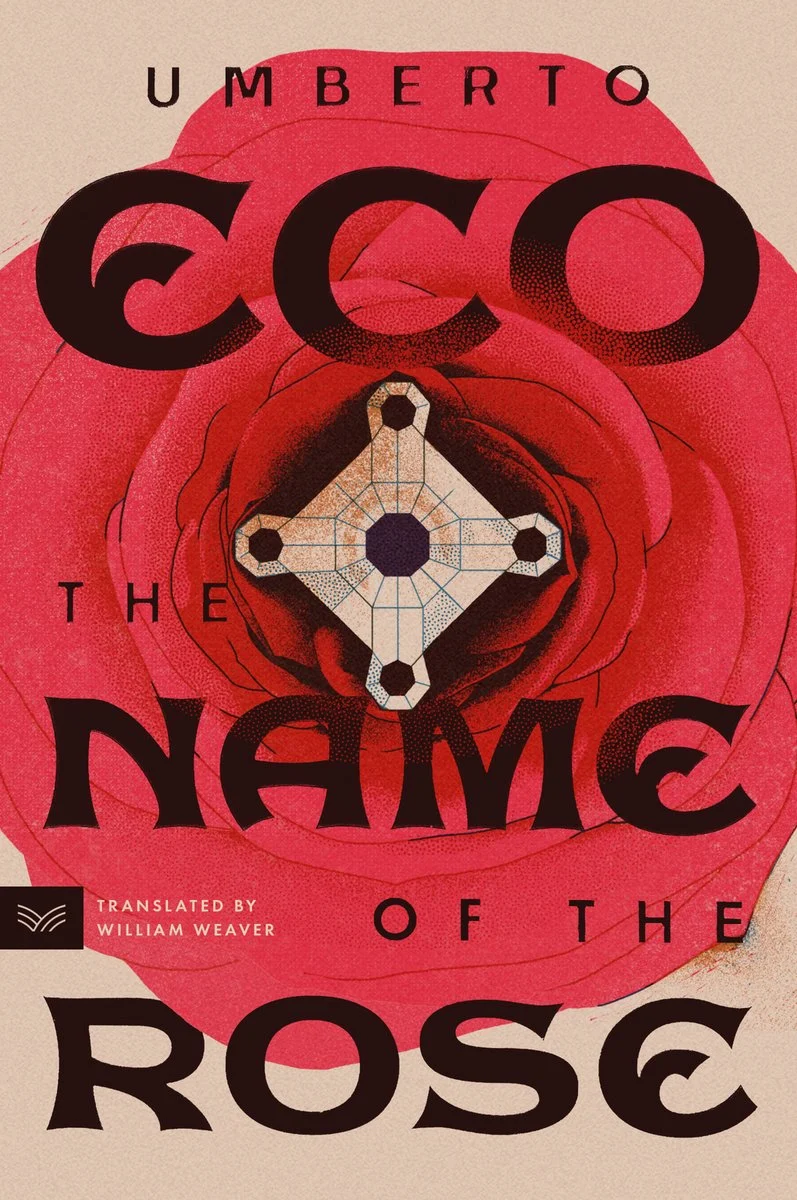
If I were to suggest to you that you rush to read a book centered on a monk inhabiting an Italian monastery in the 14th century, you might think I was nuts. But this complex and fascinating murder mystery feels so current. At times perhaps too intellectual, it mixes themes of poverty, religious devotion, homosexuality, textual analysis of the Book of Revelations, and medieval history — but all of those complex topics adeptly propel the plot of this 14th-century whodunit.
The Color Purple, by Alice Walker
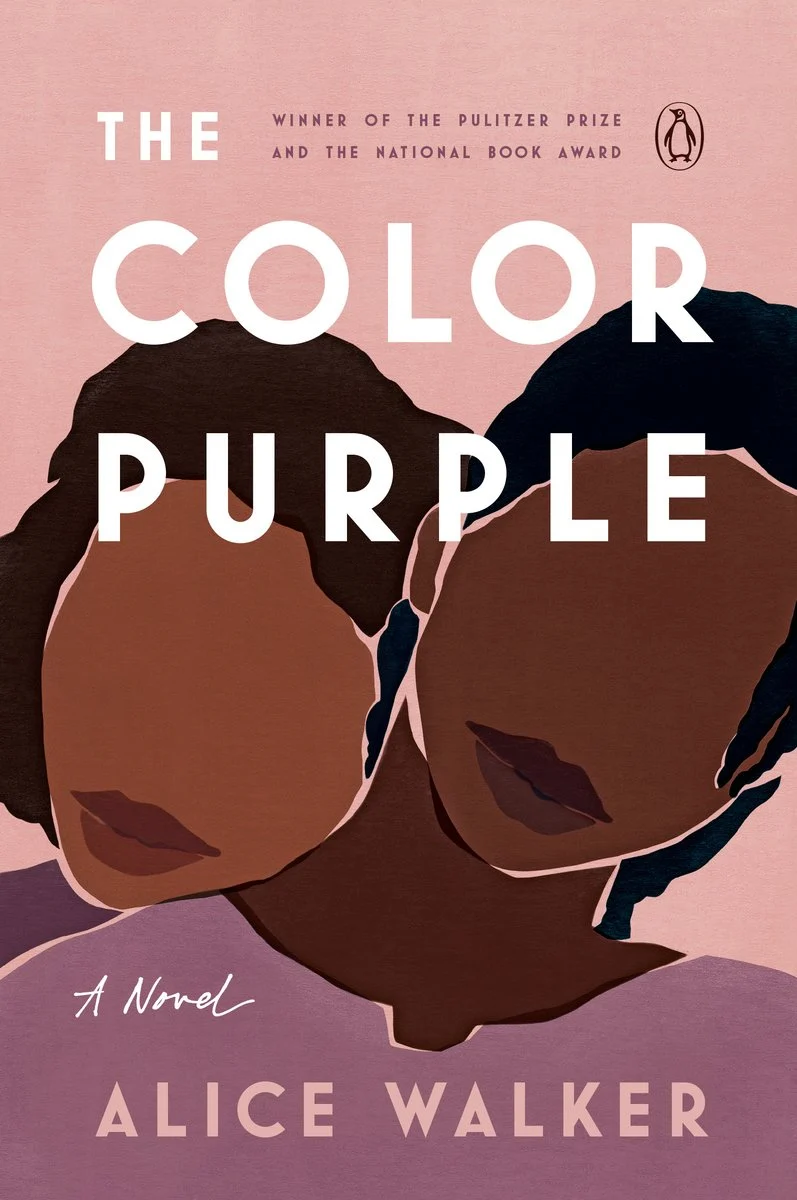
A 1983 National Book Award and Pulitzer winner that focuses on Black women, lesbianism, and domestic violence. Besides touching on subjects not typically depicted in American mainstream literature, it's among the earliest examples of an emerging era of great female authors, many of them women of color. It sits within an ever-expanding genre of stories focused on people suffering at the margins of society.
Love in the Time of Cholera, by Gabriel Garcia Marquez
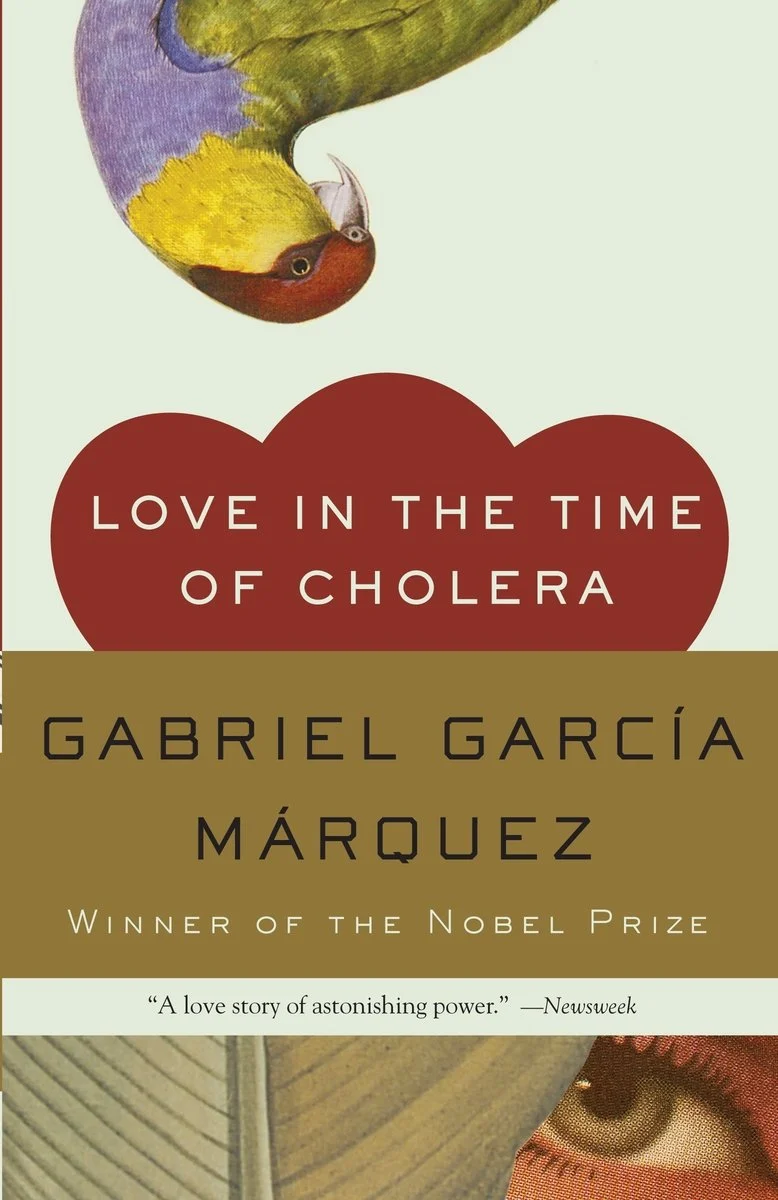
One of the most beautiful books I’ve ever read, and magical realism at its finest. This exploration of love, loss, patience, and virtue from a great literary master explores the idea that one can wait a lifetime to receive the greatest gift of all. For the book's 1988 review, The New York Times said, “Mr. Garcia Marquez has revealed how the extraordinary is contained in the ordinary…a novel whose narrative power is matched only by its generosity of vision.” And don’t stop here: Nobel Prize-winner Garcia Marquez has written other brilliant works, including Chronicle of a Death Foretold and One Hundred Years of Solitude.
The Man Who Mistook His Wife for a Hat, by Oliver Sacks
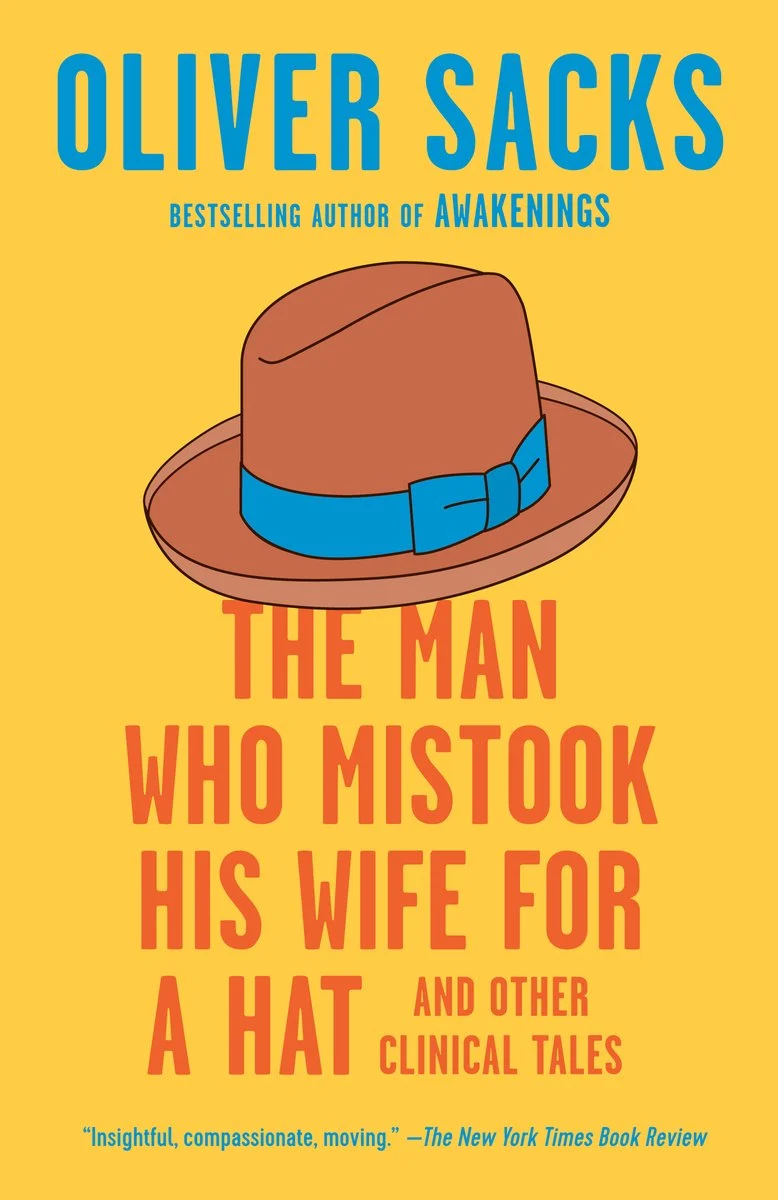
In these days of increased awareness of issues of mental health, this book is particularly relevant. While Sacks didn't consider it his best work, he was still a pioneer in bringing medical maladies, their impact, and possible therapies to the lay audience. From his popularization of medical storytelling came the current best of a new class of writers, including Atul Gawande and Siddhartha Mukherjee.
The Handmaid’s Tale, by Margaret Atwood
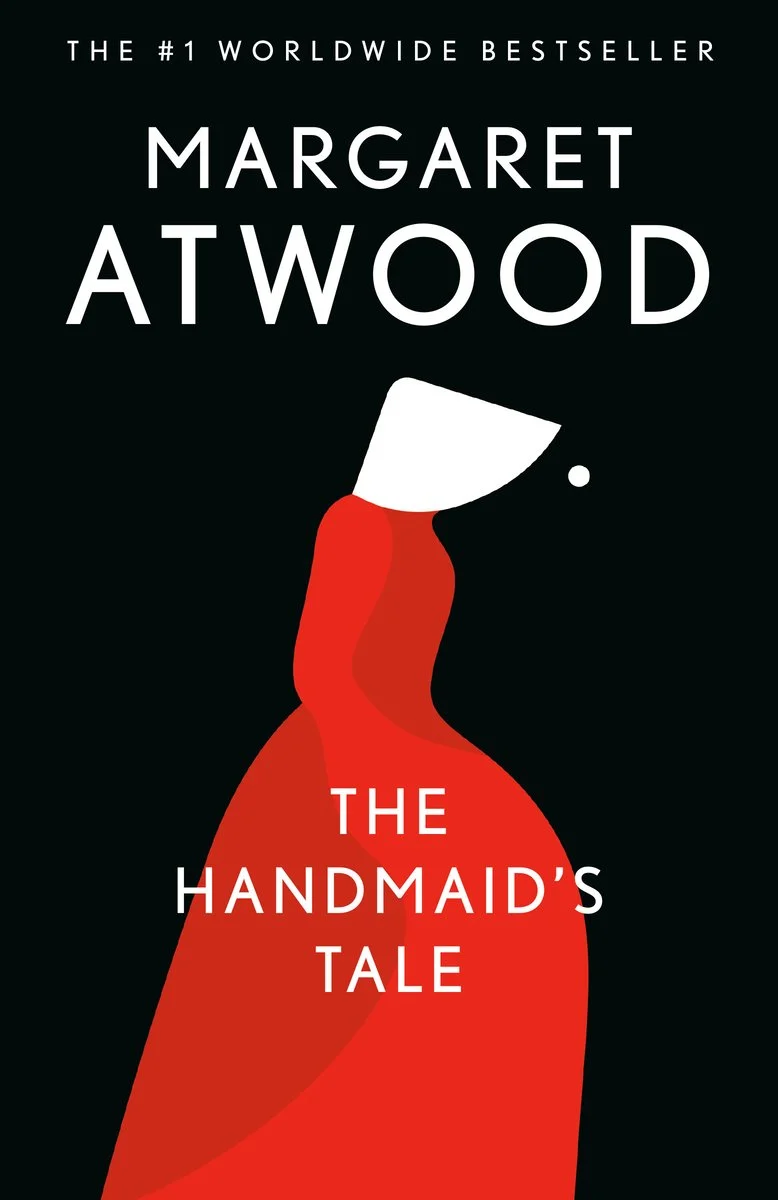
Dystopia at its finest, and eerily evocative of an era metaphorically not unlike our present moment. Well, perhaps a bit more than just metaphorically. (The first TV series was a worthy adaptation, but since the showrunners took over the writing from Ms. Atwood, it's been less interesting — at least to me.)
The Joy Luck Club, by Amy Tan
While a great peek into the Asian American immigrant experience specifically, what child or grandchild of immigrants can’t see bits of their own family history in this?
The Cider House Rules, by John Irving
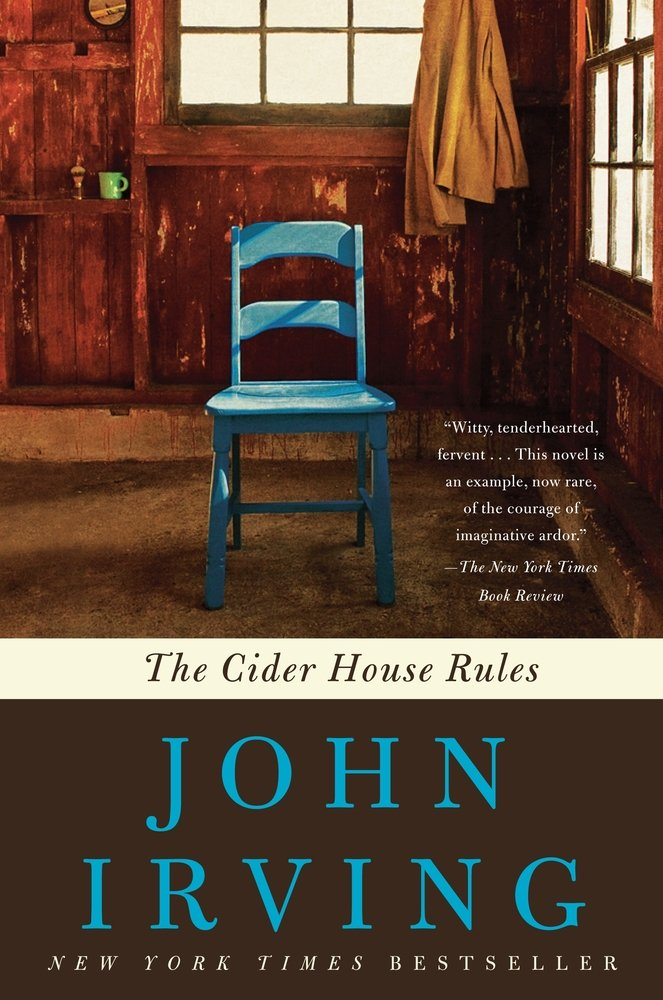
There was a time I couldn’t get enough of Irving. I loved his book Cider House most of all, the protagonist of which is a gynecologist/abortionist and headmaster of a home in Maine for lost boys. Occasionally, one sentence can encapsulate the essence of a book. That line, for me, is Dr. Larch’s evening admonition to the boys — which still gives me goosebumps: “Goodnight, you Princes of Maine, you Kings of New England.” This line encapsulates a fundamental premise of the book: Dr. Larch addresses them each evening in a way that gives them self-worth and hope in the unlikeliest of places. The entire novel is a reminder that, as the good doctor models, how we engage with children, regardless of their background, will have an effect on who they will become.
The Prince of Tides, by Pat Conroy
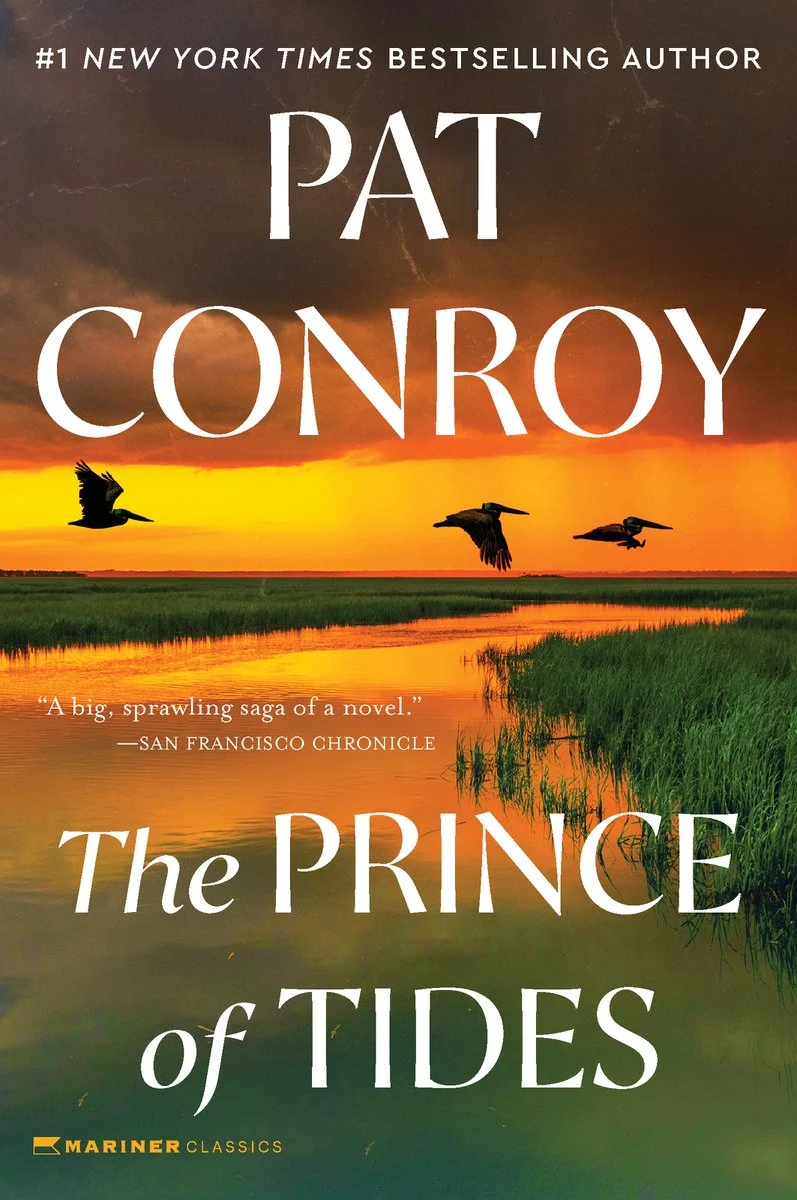
This book begins by establishing a mood and a rich sense of place: “My wound is geography. It is also my anchorage, my port of call…” Set in the South, familiar territory for Pat Conroy, the protagonist travels to New York to help his suicidal sister, engage with a therapist, and address complex issues of family, trauma, and violence. Nick Nolte and Barbra Streisand lead a worthy film adaptation of a portion of the story, capturing much of the richness of this American classic.
Presumed Innocent, by Scott Turow
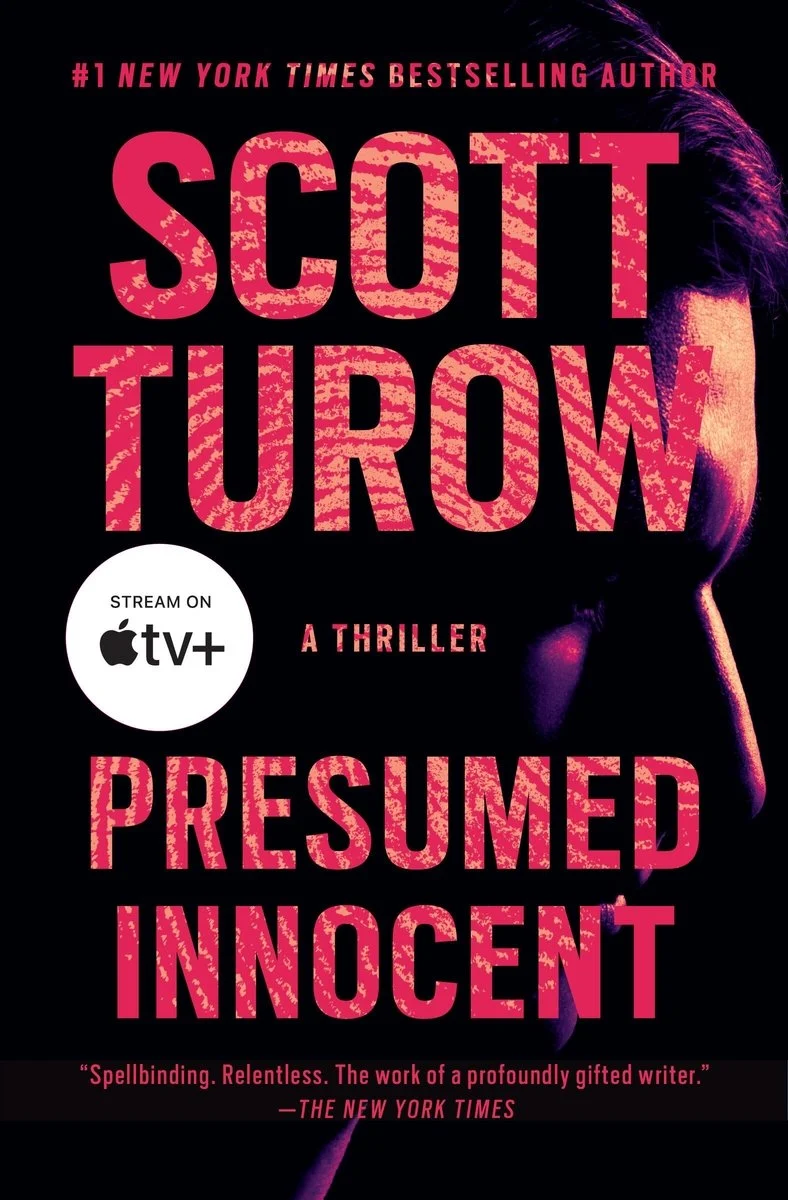
The 80s brought us a spate of books, movies, and TV shows focused on law enforcement and the practice of law. Turow kicked things off with one of the best non-fiction books about law school, the auto-biographical One L. He followed that with this, his first in a line of legally centered novels. (This was adapted into the Harrison Ford film and later a Jake Gyllenhaal TV series.)
White Noise, by Don DeLillo
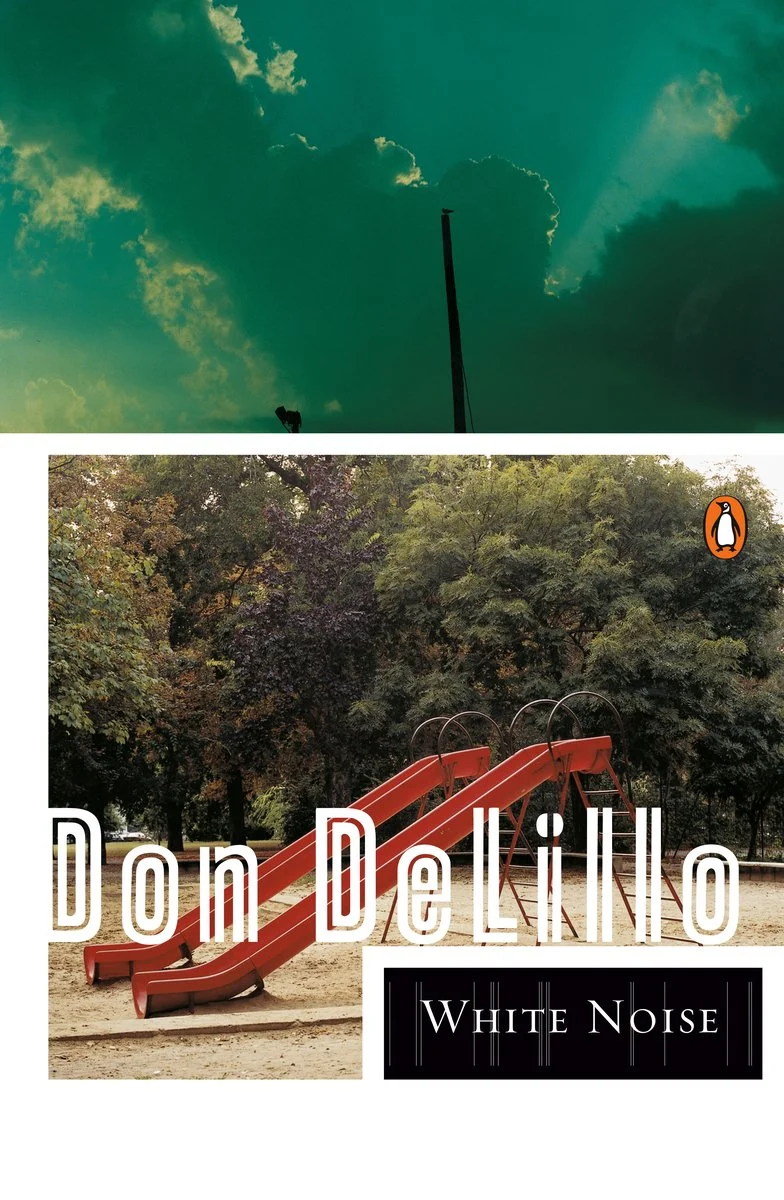
Winner of the National Book Award for fiction, this strange but fascinating book focuses on consumerism, capitalism, and the media. Although set in the 1980s, some of its themes are prophetic of our current times. It’s about the two topics Woody Allen focuses on — sex and death — but mostly death, and the abiding fear of it.
Maus: A Survivor’s Tale: My Father Bleeds History, by Art Spiegelman
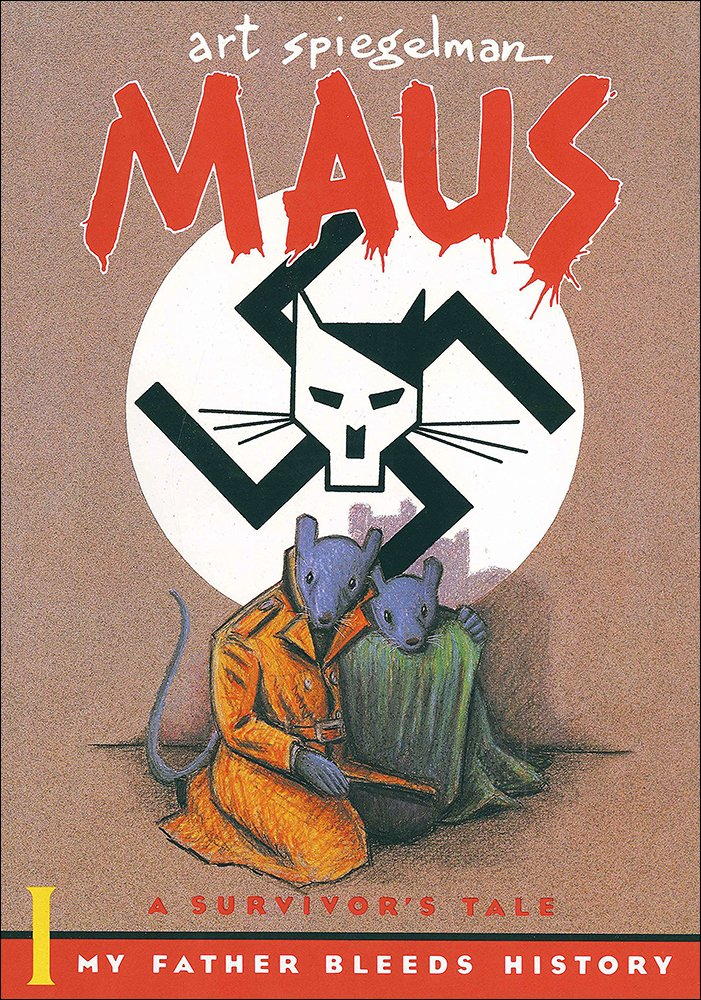
This has been getting a lot of hype recently, as a target in the attempts by some to banish "controversial" material from library shelves. The first graphic novel to win a Pulitzer Prize, the book's conceit is Spiegelman interviewing his father about his father’s plight as a Polish Jew and Holocaust survivor. Here, the Nazis are depicted as cats, and the Jews as mice. It's proof that the graphic novel form can tell a compelling and important tale in ways that the “typical” written word might fall short.
The Way to Cook, by Julia Child
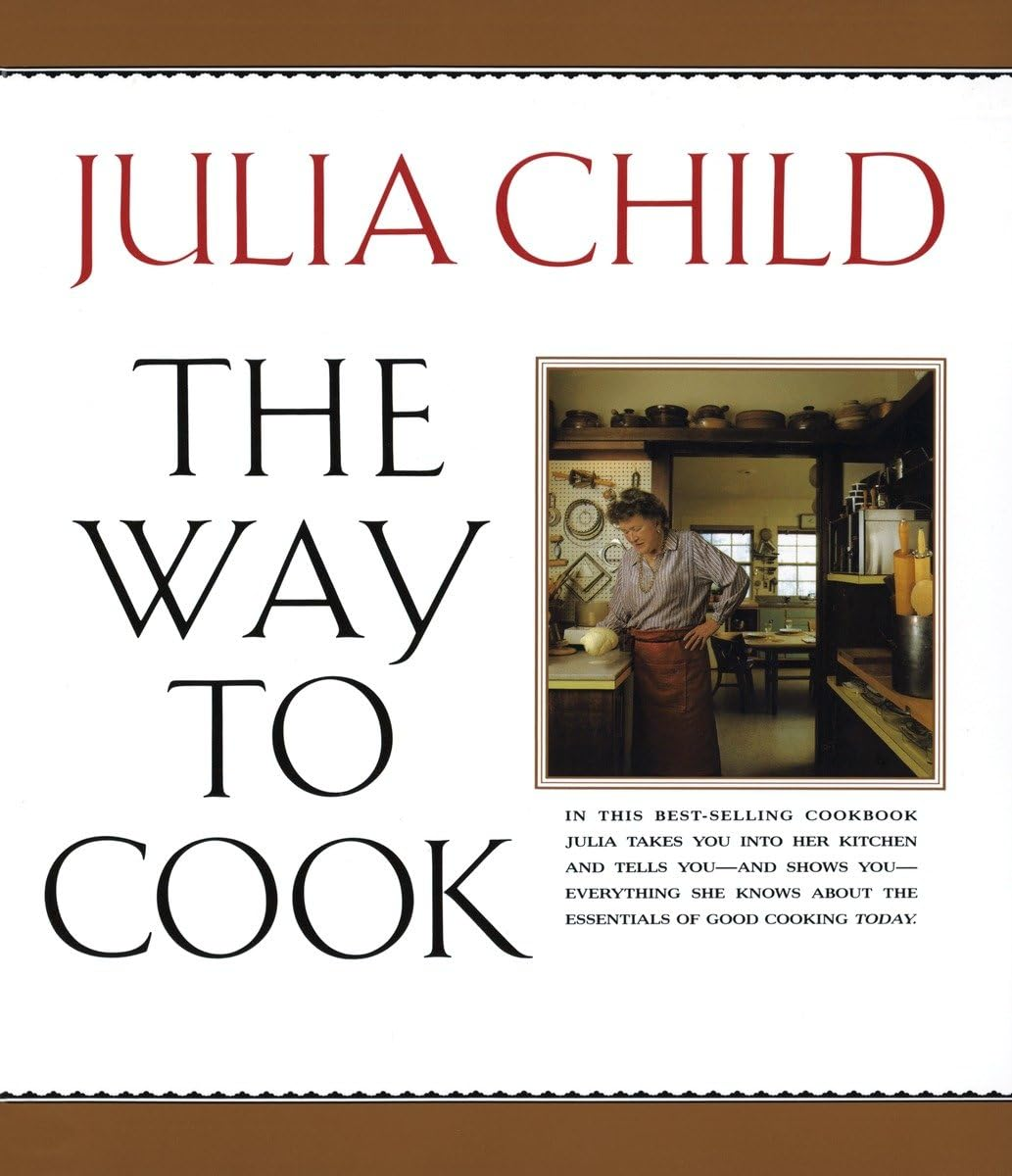
This book represents Julia Child’s move from strictly French cooking to a more “American” style. The book focuses on broad principles and basic recipes and how they can be enhanced and modified, depending upon the dish. I’m a fan of learning the basics before learning the details — much like how one must first learn to play scales before attempting Chopin. One can't overstate Child’s ubiquity in the 80s, and her effect on culture and budding chefs, both professional and in our own kitchens.
Ironweed, by William Kennedy
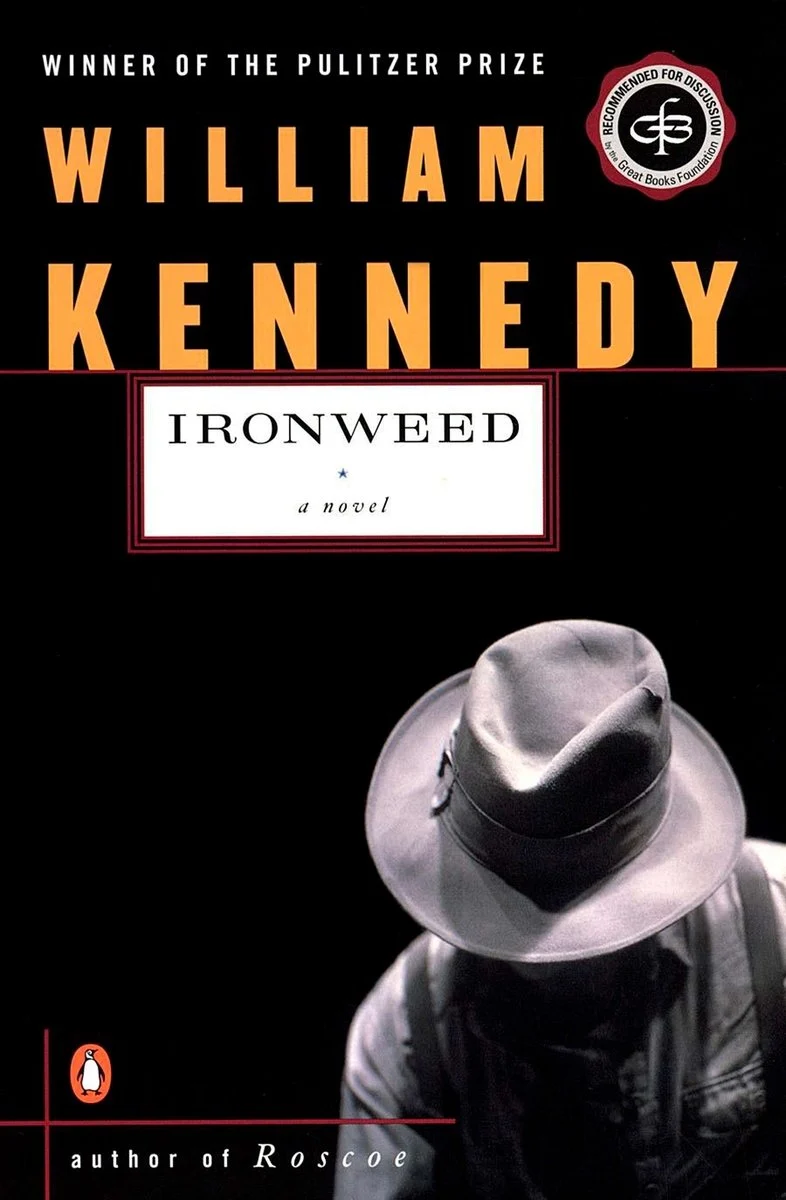
This Pulitzer Prize-winning novel is one title in Kennedy’s “Albany Cycle," an eight-book series all set in the New York State capital. It's the story of a man down on his luck, wandering the streets during the Great Depression; he's not exactly a sympathetic character, but the book dabbles in both realism and magical realism, making for an appealing blend. This book opened up for me seeing the world in a different way, through lives totally different from the one I live.
Which books do you think are must-reads for anyone who wants to better understand this complex decade? Drop me a line at info@katiecouric.com.
Want more retro reads? Check out Glenn's notable Books of the 50s
When he isn’t writing his column Thinking Things Through, Glenn Sonnenberg heads a real estate investment company and serves on several nonprofit boards. A graduate of the University of Southern California, Mr. Sonnenberg also received his J.D. from USC. He began his career as an attorney specializing in real estate and finance. Follow him on Substack here.
