







After the devastation of World War II, GIs returned to their homes from Europe and the Far East, ready to build families and take advantage of the post-war boom. The '50s were a time of great hope, with an unprecedented expansion of both the American economy and the country's stature in the world.
The literature of the '50s includes novels that spoke to the McCarthy era, provided perspective on post-World War II America, dealt with the emerging gender-equality and racial-justice movements, and addressed the zeitgeist of coming to grips with the atomic age. It was an era of the seemingly limitless potential of Pax Americana, coupled with Cold War paranoia and the fear of nuclear annihilation — a heady mixture. These are my favorite reads from that creative time:
Catcher in the Rye, by J.D. Salinger
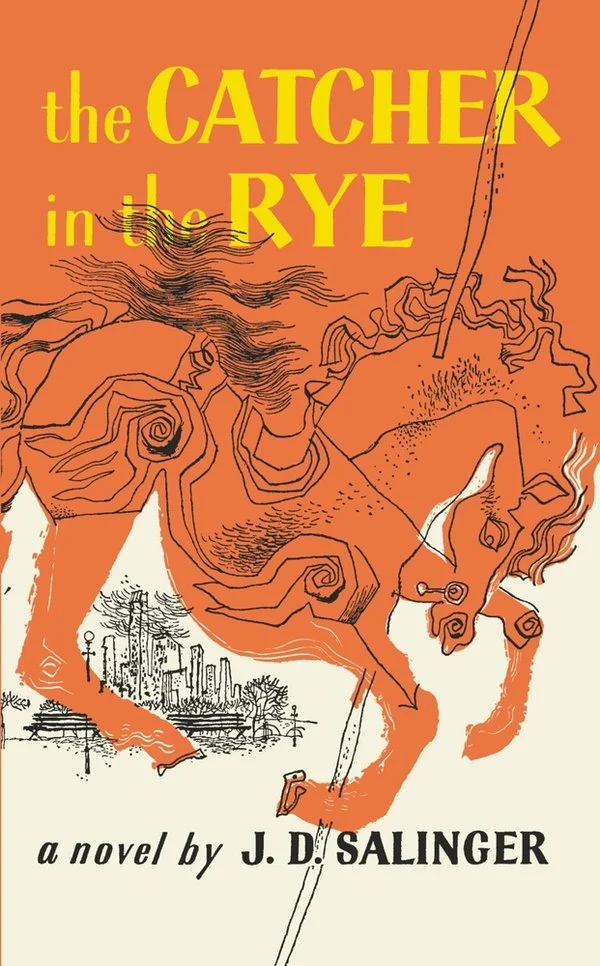
A classic: Adolescence in all its confusion, self-absorption and alienation — it's practically the bible of youthful angst. Despite its deserved popularity, I think Salinger’s other works Franny and Zooey and Raise High the Roofbeams, Carpenters are even better.
Invisible Man, by Ralph Ellison
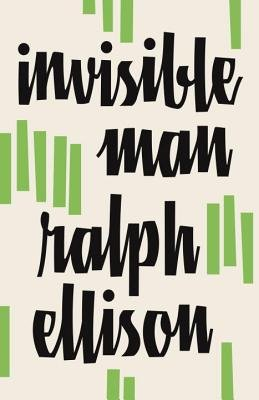
This 1953 National Book Award winner explores race in America, and its beginning lines alone are enough to recommend it: "I am an invisible man. No, I am not a spook like those who haunted Edgar Allan Poe; nor am I one of your Hollywood-movie ectoplasms. I am a man of substance, of flesh and bone, fiber and liquids — and I might even be said to possess a mind. I am invisible, understand, simply because people refuse to see me…”
Fahrenheit 451, by Ray Bradbury
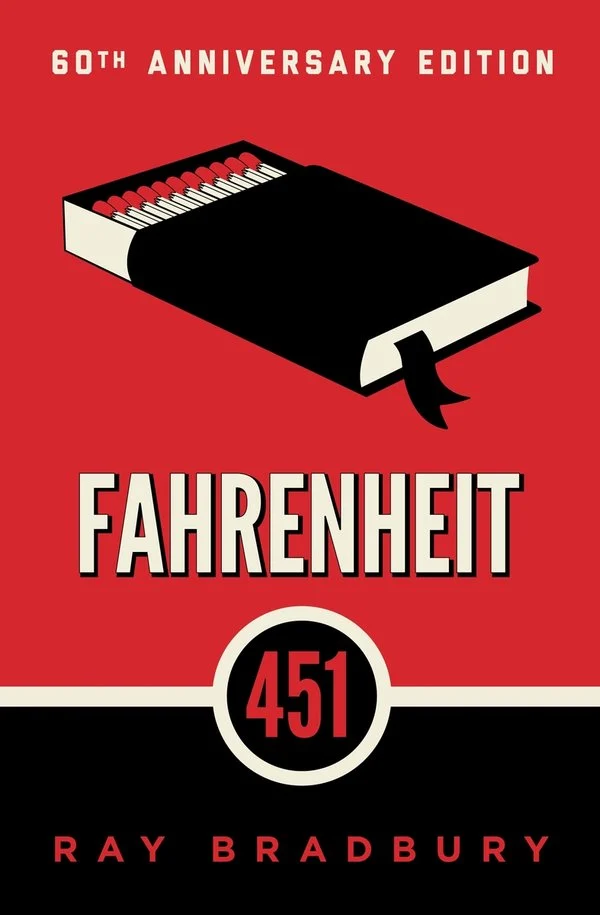
This story of censorship and the importance of books, memory, and history had a profound effect on me as a young reader. The dark days of the '40s were a fertile ground for dystopian stories; this one continues that tradition. How does a government control the minds of the people? Simple. Get rid of the books. The story and the message seem particularly prescient and relevant today.
On the Road, by Jack Kerouac
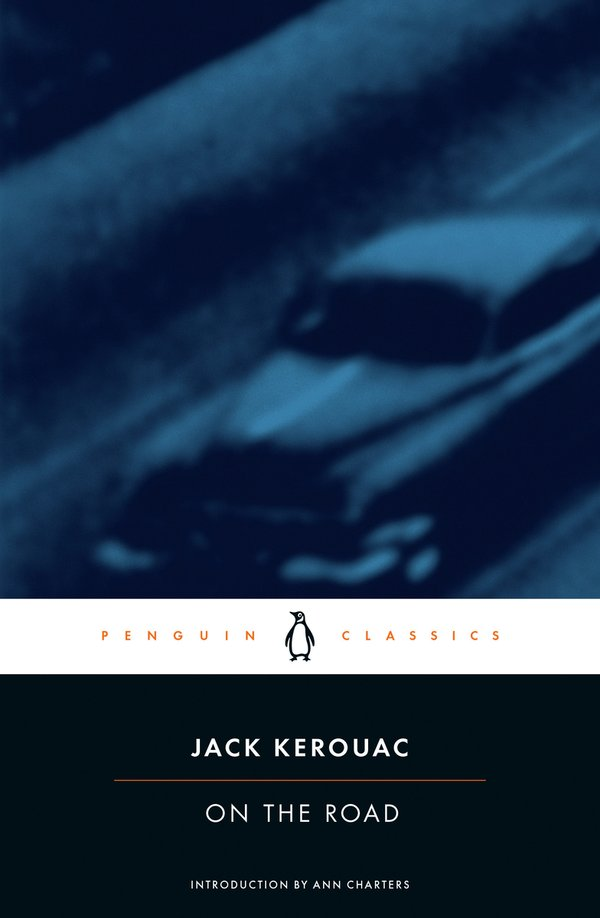
The ultimate chronicle of the “beat generation,” whose alienation, disconnectedness, and frustration foreshadowed the conflict to come in the '60s and '70s. Protagonist Sal Paradise is the alter ego of Kerouac in his cross-country adventures, which contain a buddy story, a love story, and a story of the search for meaning and rebellion. “It changed my life," noted Bob Dylan, "as it changed everyone else’s."

Notes of a Native Son, by James Baldwin
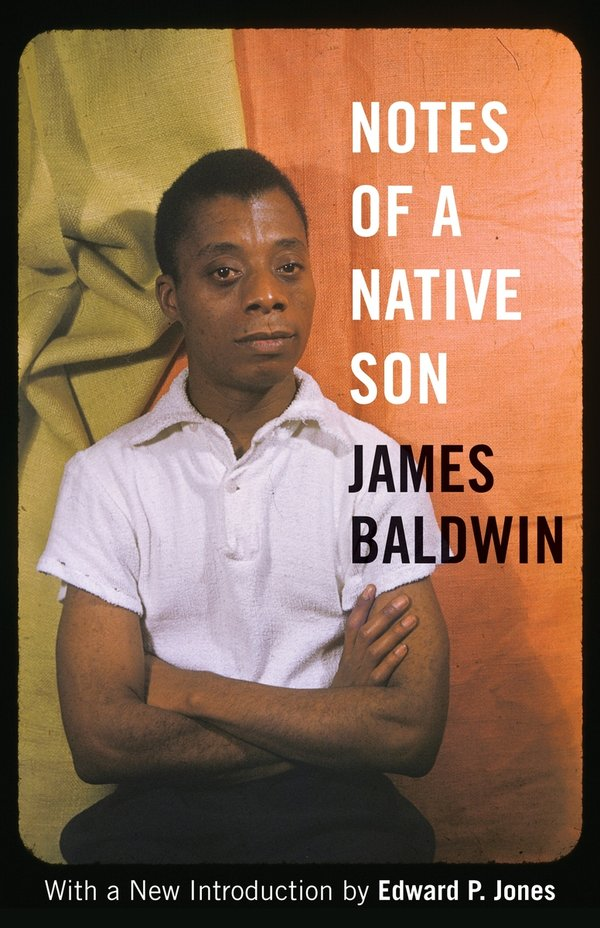
A collection of essays exploring race and identity in America and the earliest example I can find of rejection of the modern “white savior” narrative. This is also a critical review of racism, segregation, Jim Crow, justice, and Black identity. One of the first books I read as a young man that helped me understand society and history from the perspective of the Black experience.
The Old Man and the Sea, by Ernest Hemingway
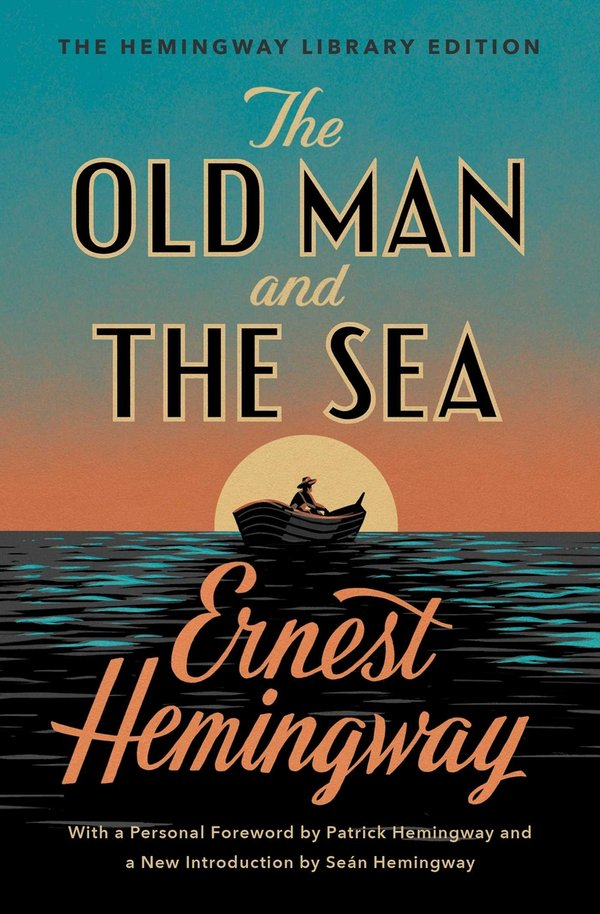
The 1953 Pulitzer winner (and 1954 Nobel winner) introduces us to the narrator Santiago, and his infamous battle with the marlin. Hemingway considered it his greatest work, calling it, “the best I can write for all my life.”
The Cat in the Hat, by Theodore Geisel (Dr. Seuss)
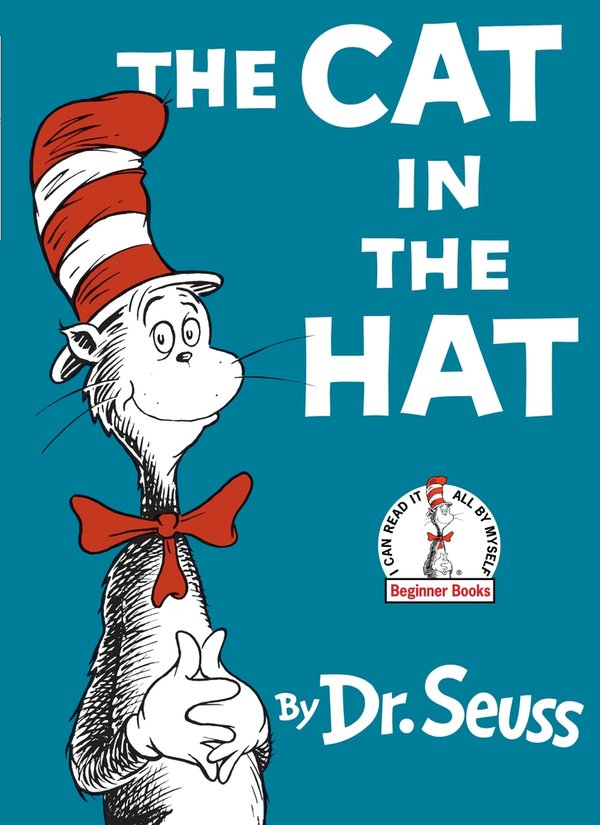
I remember reading this over and over, like it was yesterday! While enjoyed by most of us in the '60s, it comes from the '50s. The clever phrases, the doggerel, the absurdity of it, and the joyfulness of the language made reading feel less like schoolwork and more like play. It opened the door to books for millions of children, including me, and proved that learning could be every bit as entertaining as television.
... and of course, One Fish, Two Fish, Red Fish, Blue Fish, Go Dog Go!...and Green Eggs and Ham
These books and their ilk were the “literature” of 60s and 70s childhoods. I can still hear my mother’s voice reading these classics. Long before screens occupied every spare moment, these books taught us that words could rhyme, dance, and make us laugh. They were simple stories, but they created lifelong readers.
The Hobbit and Lord of the Rings, by J.R.R. Tolkien
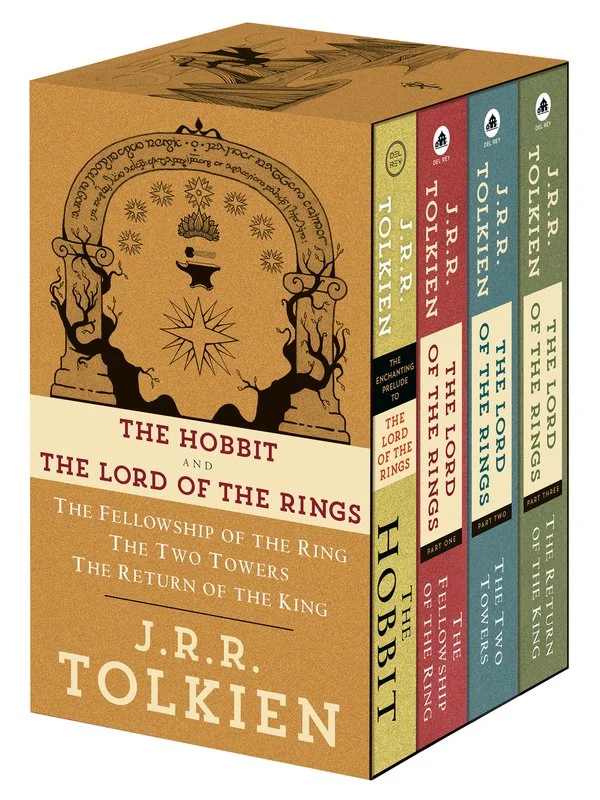
This series brought fantasy fiction and allegory into the mainstream, creating a strange world that went on to inspire everything from Game of Thrones to Harry Potter to The Avengers, and more. This epic is of a journey — both physical and metaphorical — through places unknown, including the human desire for meaning. The protagonists are simple people with a mission to do good, amassing friends and allies along the way, while struggling mightily to defy the ring’s promise of power.
Atlas Shrugged, by Ayn Rand
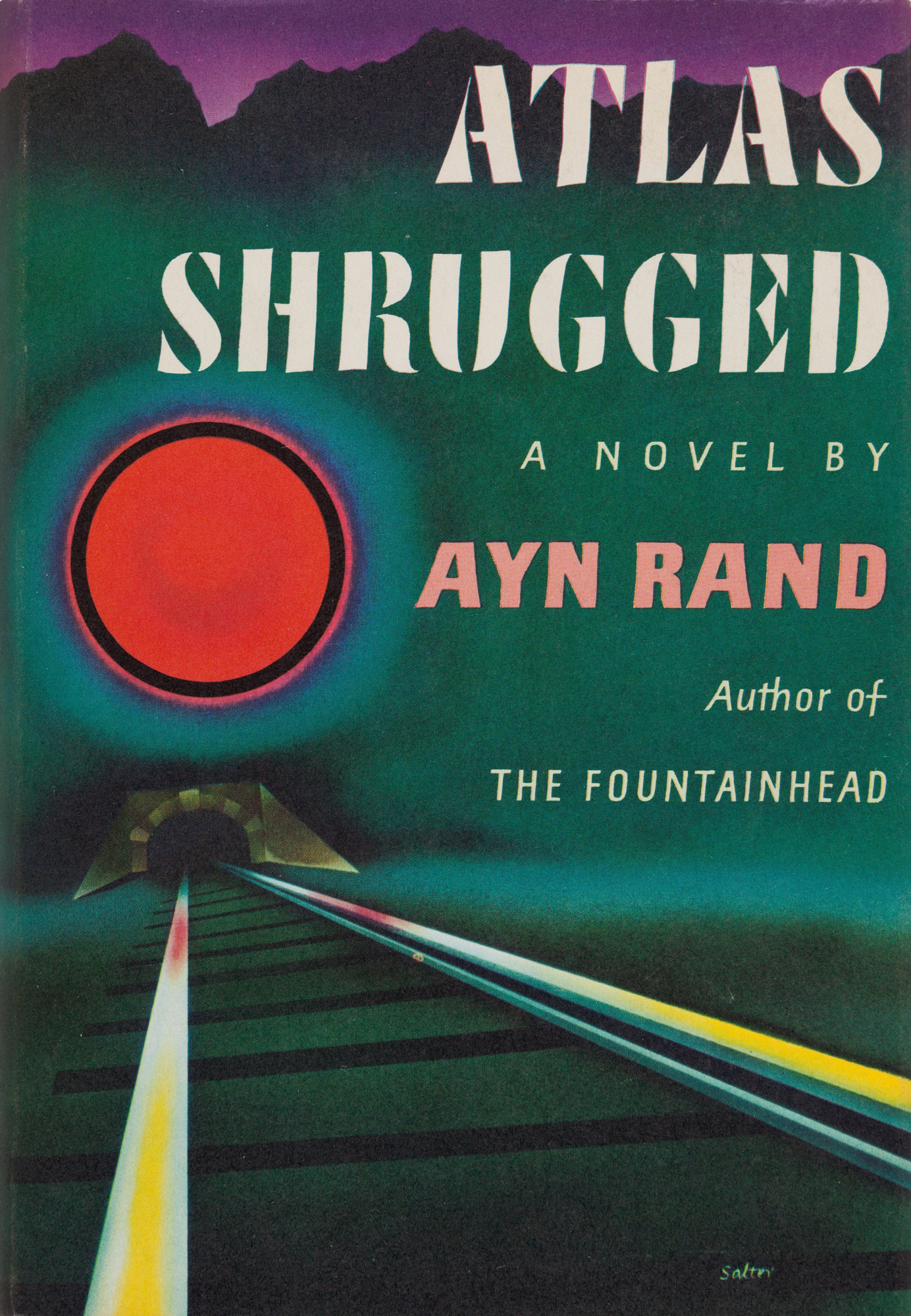
An important work — but one that spawned a whole generation of libertarians with little regard for the greater good of society. Rand argued that the selfish pursuit of personal gain would ultimately benefit society as a whole. That sounded plausible briefly before revealing itself to be a philosophy far too harsh and simplistic to work in the real world. Sadly, it seems like many of the robber barons of Silicon Valley may have read this book a few too many times. Rand can be cited by a self-centered narcissist as providing justification for nearly any predatory action.
Hawaii, by James Michener
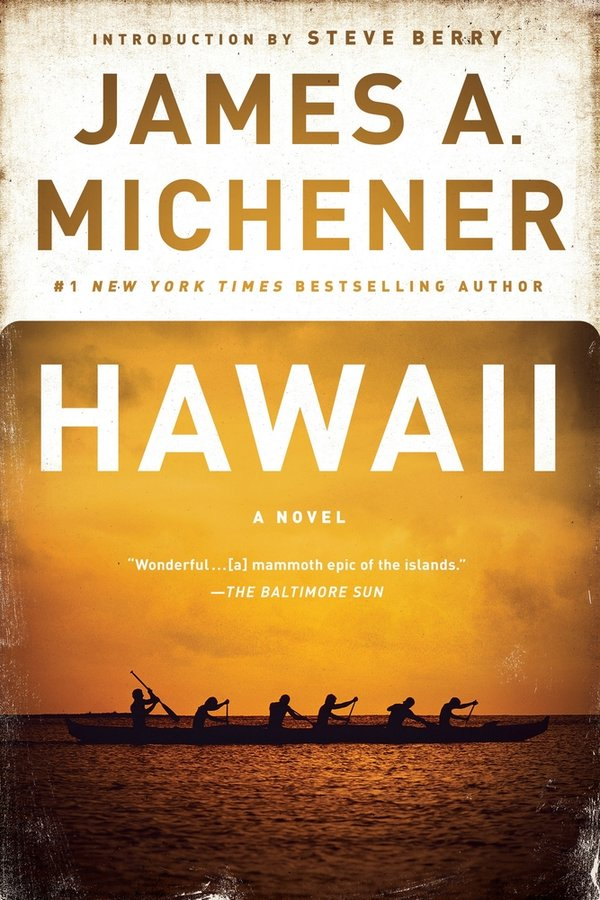
I remember first seeing my mother reading this, discussing it with her, and ultimately diving in myself. Michener made a career of studying the complex and generations-long history of families and towns in particular areas of different states: I also consumed Alaska, The Covenant, and Texas. My favorite might have been Centennial, the story of the “Centennial State” of Colorado, beginning early in geological time (as is Michener’s signature start) and continuing through the modern day. It was made into one of the earliest successful miniseries.
The Caine Mutiny, by Herman Wouk
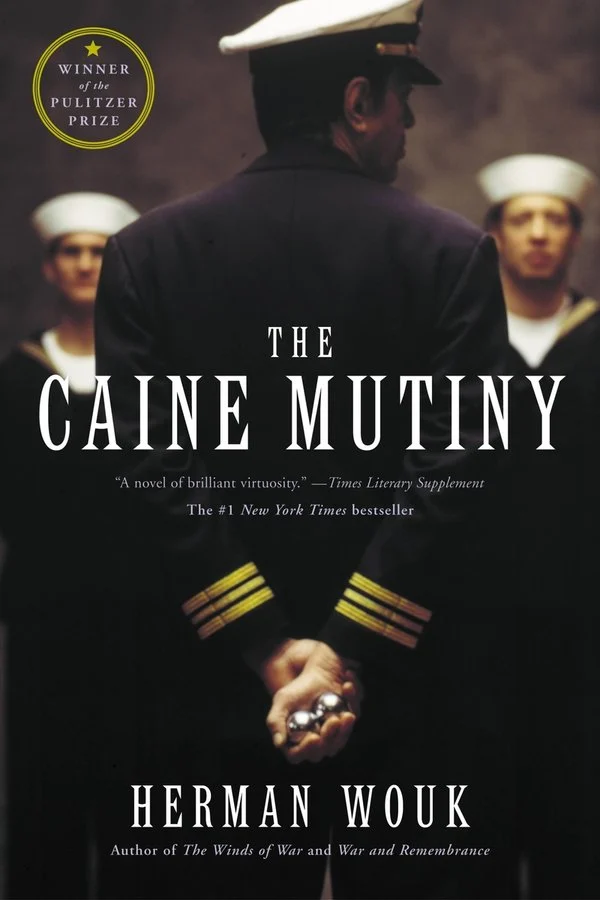
This remarkable book gave life to a play and a movie — making it a fertile text, clearly. Its exploration of leadership, duty, courage, and moral ambiguity has kept it relevant long after World War II faded into history. Wouk also wrote the definitive novels of men in combat in WWII, including Winds of War and War and Remembrance.
Lord of the Flies, by William Golding
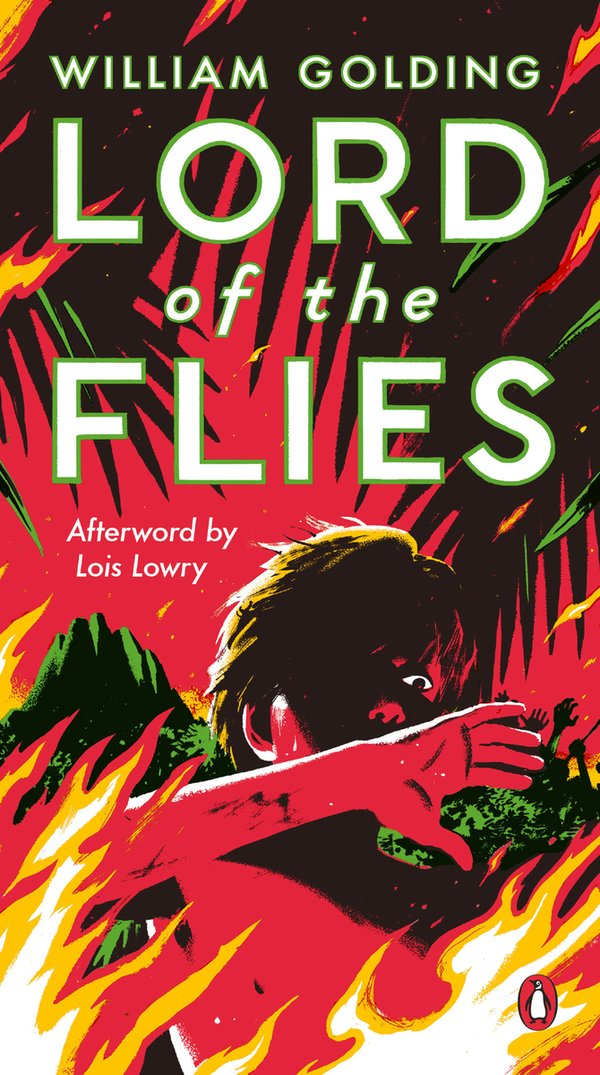
Being trapped on a desert island is an often-explored trope, but this book is the prototype for so many others that followed. Here, the stranded young boys try to establish a government for their jury-rigged society but, in the end, resort to savagery. A metaphor for government and order versus power, and/or a metaphor for the evil that lurks inside of all men.
Charlotte’s Web, by E.B. White
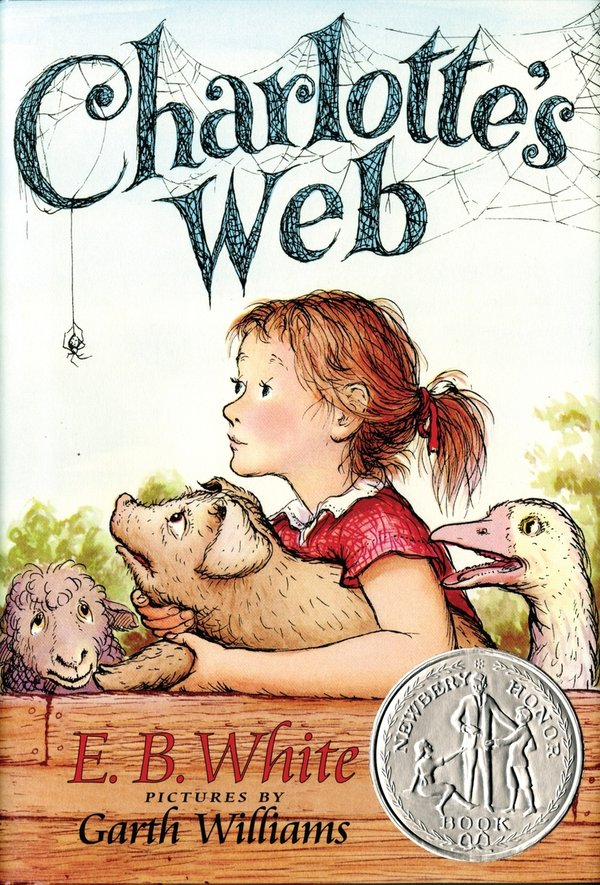
A pig, a spider, and a story so many readers carry with them. Charlotte comes to the aid of Wilbur — not just a pig, but “Some Pig!” A touching story of friendship and hope for the future that's on the “favorites” list for generations of children. But like the very best children's books, it has just as much to say to adults.
Foundation Trilogy, by Isaac Asimov
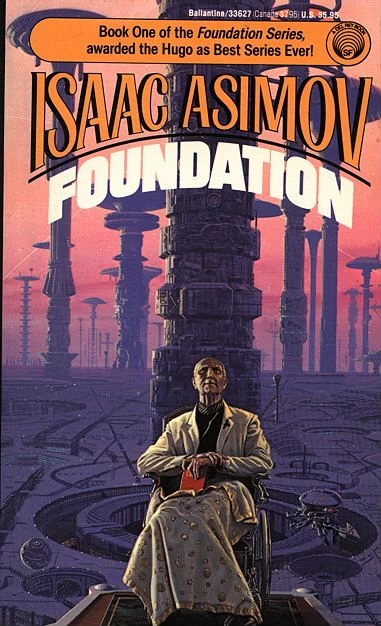
The mathematics of predicting the future through the sociology of humans — and a rush to use this ability to shorten a predicted 30,000-year dark age to a “mere” 1,000 years. Later, Asimov added two additional volumes to end the story (in addition to two prequels). The story is being retold with a more-modern aesthetic in the Apple TV series.
The Joy of Cooking, by Erma S. Rombauer
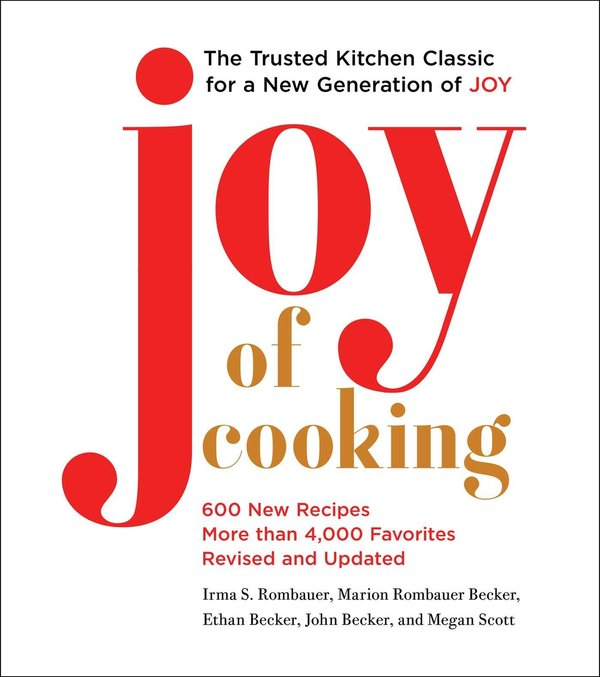
Yes, its first edition came out in the '30s and it has gone through multiple editions. But I think the move from a basic cooking style primarily for sustenance (with nods to personal ethnic specialties) being expanded — to show cooking and eating as an experiential and experimental practice — is a perfect fit for a roundup of books of the 1950s. It's also a reminder that good books aren't always novels: Sometimes they change the way we live, gather, celebrate, and care for the people around us. The Joy of Cooking did exactly that for generations of American families.
Looking back, what strikes me isn't simply how many of these books have endured, but how many continue to speak directly to the questions we're still asking: Who are we? What kind of society do we want to build? How do we balance freedom with responsibility, individuality with community, and hope with fear? The settings may belong to the 1950s, but the conversations are as timely as tomorrow's headlines.
*Want more retro reads? Check out Glenn's notable Books of the 80s
When he isn’t writing his column Thinking Things Through, Glenn Sonnenberg heads a real estate investment company and serves on several nonprofit boards. A graduate of the University of Southern California, Mr. Sonnenberg also received his J.D. from USC. He began his career as an attorney specializing in real estate and finance. Follow him on Substack here.
