







- Stock protein-rich staples weekly: Greek yogurt, cottage cheese, eggs, canned tuna, quality meats, and simple peanut butter for easy, nutritious meals.
- Choose minimally processed brands with short, recognizable ingredient lists and avoid mysterious additives or sugar alcohols that can cause unwanted reactions.
- Plan weekly trips by dividing your list into proteins, carbs, produce, snacks, and two dinner recipes to shop efficiently and use leftovers.
Whipping up three nutritious meals a day (that don’t suck) is tough — especially when you’re on a budget or, like so many of us, don’t have hours to commit to cooking. But what makes it even harder are the health halos attached to so many products: cookies that claim to be “clean,” “protein-packed” potato chips, “better-for-you” microwaveable meals. When the grocery aisle’s filled with items that claim to be healthy, it can be hard to know where to start.
Recently, we heard from Kyle Fitzgerald of Clean Kitchen Nutrition about the 10 pantry staples that are quietly ruining your diet. Now, we’ve turned to nutritionist Paige Lindgren for the healthy snacks and everyday products she picks up every time she makes a grocery run, why she loves Target, and how she builds a grocery list that’ll keep your kitchen stocked with nutrient-filled fare.
Can you give us some of the brands and products on your weekly grocery list?
Paige Lindgren: I think Target has some of the healthiest grocery store options right now, which is not something I would have said a few years ago. Now they’ve got so much great stuff that competes with — and in some cases is even cheaper — than what you’d find at Whole Foods.
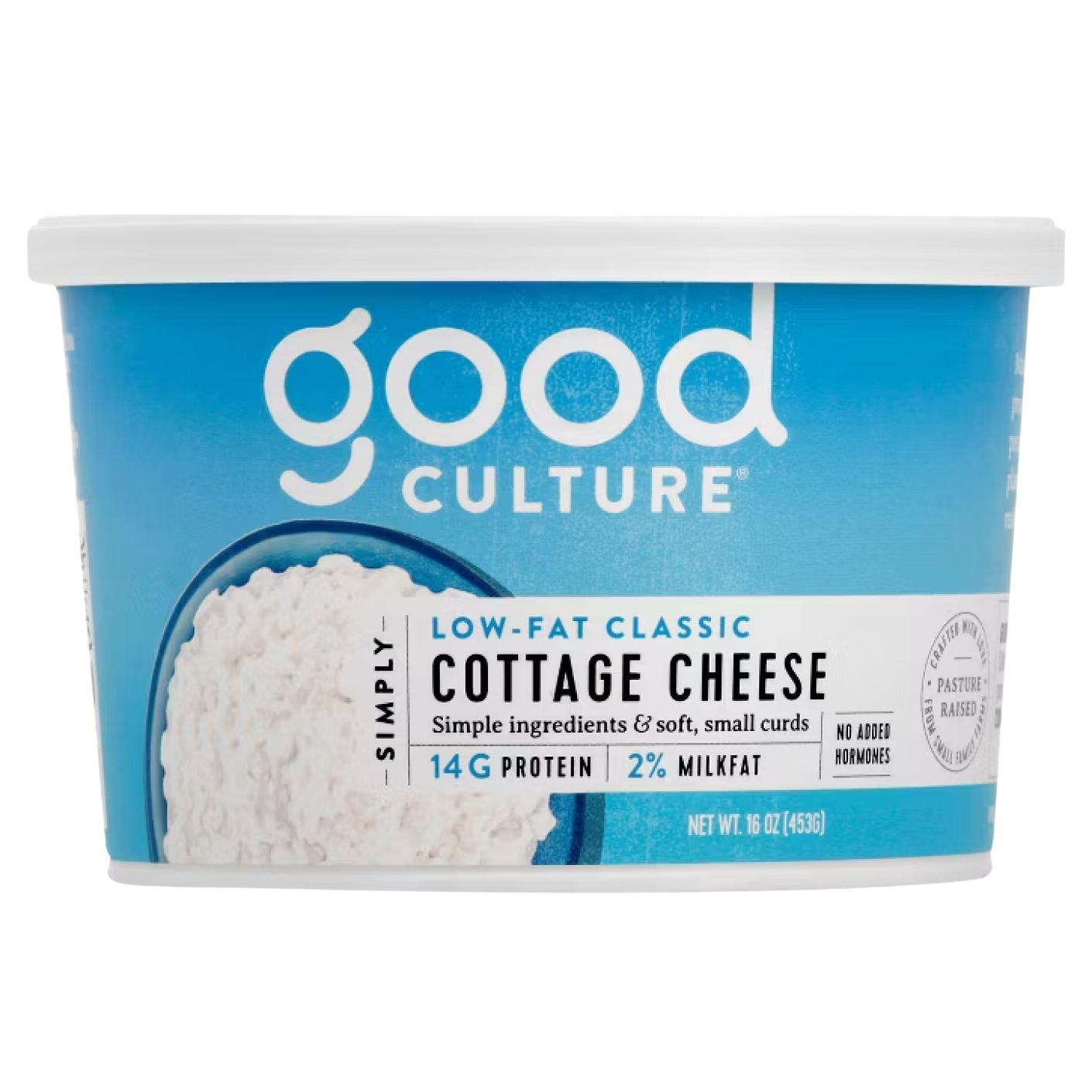
I usually go every Sunday, and the first thing I do is go to the dairy aisle and pick up cottage cheese and Greek yogurt. For cottage cheese, I like the brands Good Culture and Nancy’s. They both have clean, simple ingredients, and I think they taste the best. For Greek yogurt, I pick up Fage, which has more than 20 grams of protein per cup. I usually eat that with frozen wild blueberries, which is on my grocery list, too. And I’ll pair that with granola from Purely Elizabeth, which is so addicting. I like them because they use unrefined sugars and have expanded their line to include options with more fiber and protein in them.
For meats, I like the brand ButcherBox, which you can get at Target or Whole Foods. I also love Applegate’s organic chicken sausage.

For snacks, I opt for gluten-free chips and crackers from the brands Siete and Simple Mills. I love that their ingredient lists are short: It’s just almond flour, spices, and seasoning. I also regularly snack on meat sticks from Archer and Chomps, two brands I like because they’re transparent about what goes into their products, and they use organic, grass-fed meat.
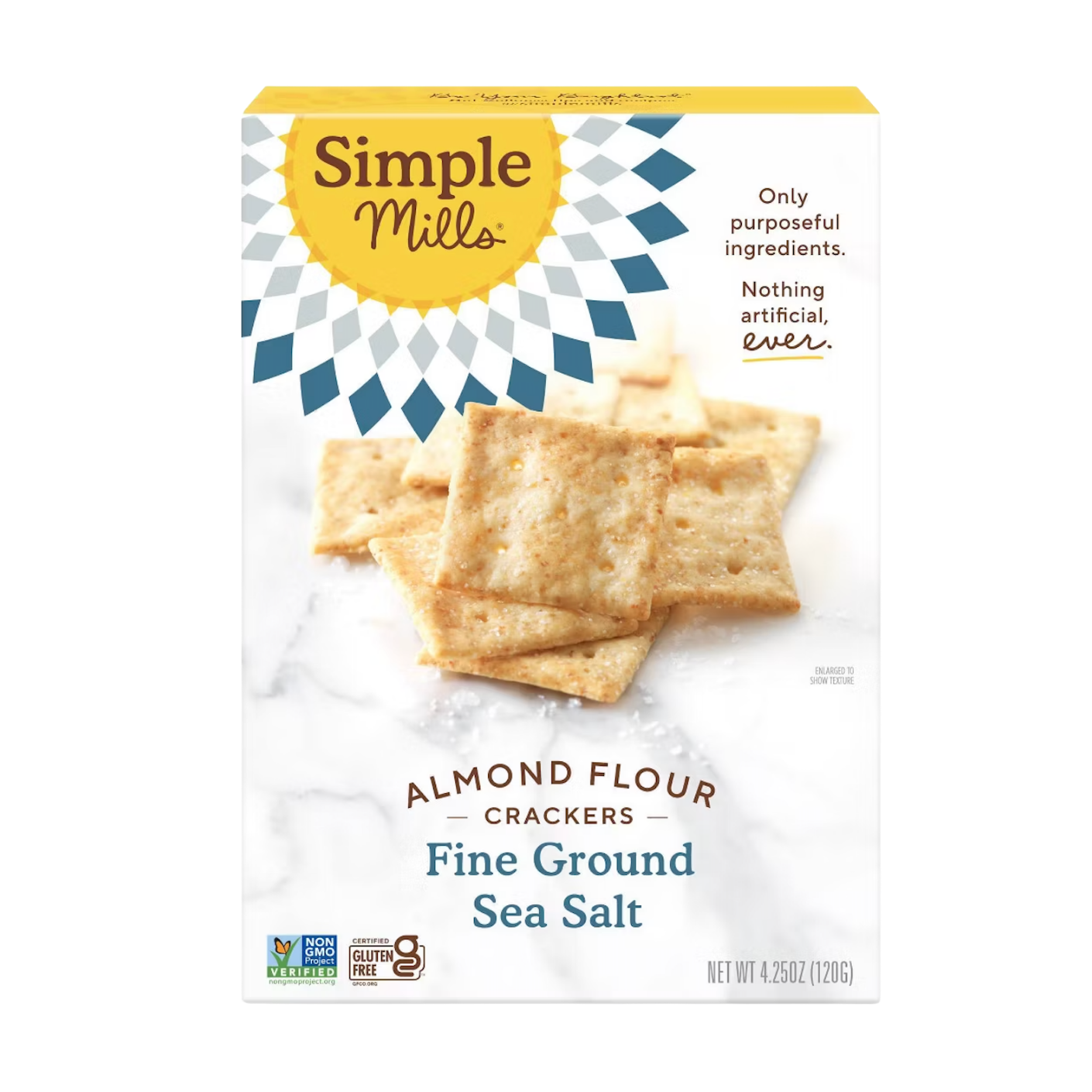
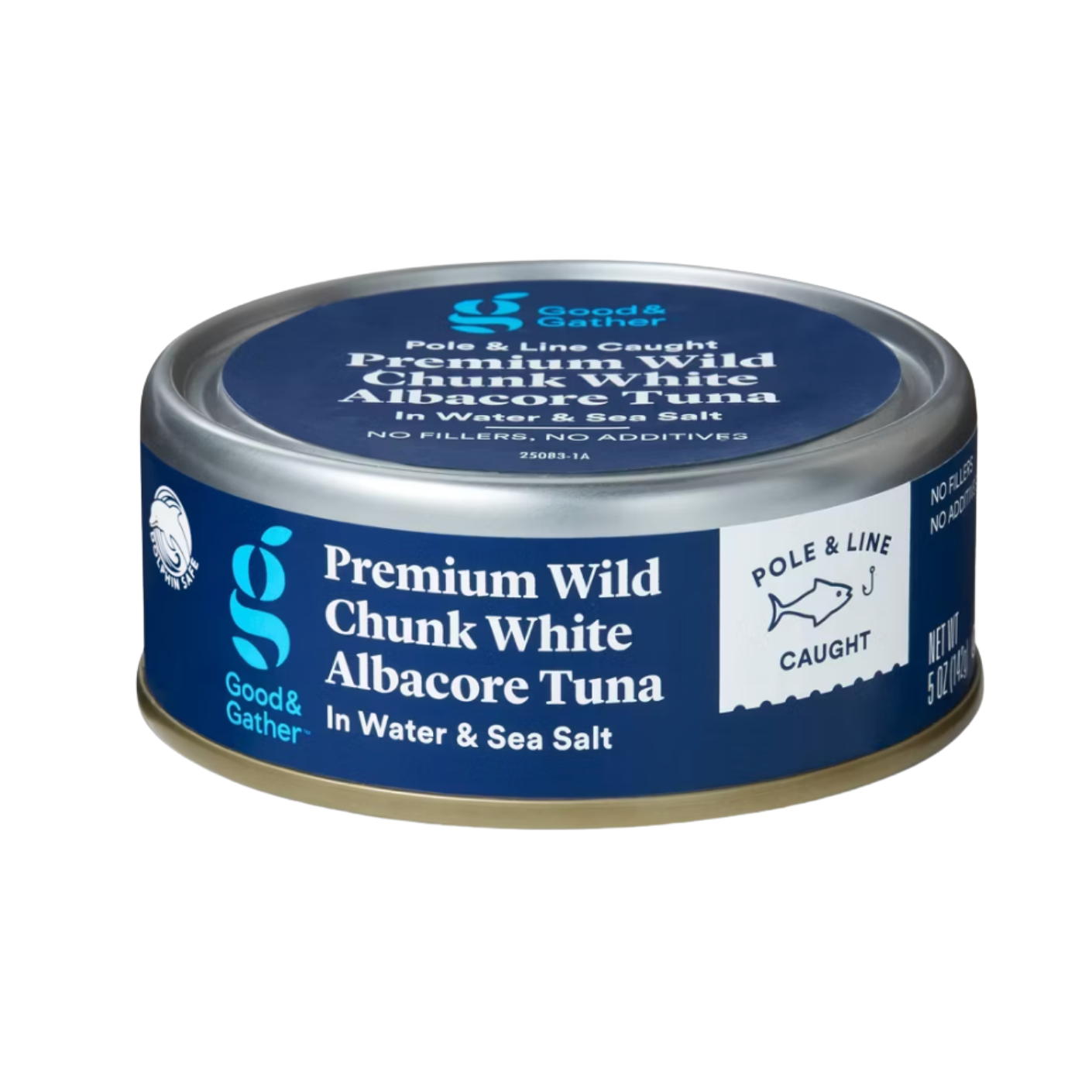
Canned tuna from Safe Catch is something I pick up every week, too. It’s affordable, and a single can has 30 to 40 grams of protein. And it’s so easy, too, because you don’t have to cook anything. You can just throw it in a bowl, add a little mayo or Greek yogurt, pair it with Simple Mills crackers, and you’ve got lunch for under $5.
And then of course, I always get eggs, organic apples, and peanut butter. For peanut butter, I don’t really look for a brand, just ingredient lists that include two things: peanuts and salt.
That’s a good tip about checking ingredient lists. What else do you think people should be aware of when looking at nutrition labels?
I think a good rule is if you don’t recognize a word on a label, that could be a red flag. A lot of brands are promoting that they have lower sugar, when they’re actually using sugar alcohols as a substitute. For people who need to watch their sugar intake, that can be a better option. But for me, for example, I know my body doesn’t respond well to sugar alcohols.
Another thing you can scan for is a short ingredient list. Shorter lists with fewer additives, in general, is a good sign.
What advice do you have for optimizing our weekly grocery shopping?
I like to break my list into proteins, carbs, fruits and vegetables, snacks, and then ingredients for dinners that week. So for proteins, I grab eggs, Greek yogurt, ButcherBox products. For carbs, I’ll grab sweet potatoes, brown rice, and pasta. Produce typically includes berries for my yogurt bowls, arugula for my salad, and then at least once a week, I’ll do a sheet pan meal with some zucchini, root vegetable, or broccoli.
I always like to go in with two dinners I’d like to make for that week, too. So I’ll bring those recipes with me and get everything I need for those meals, which I can also use as leftover lunch throughout the week.
