For years, I beat myself up for missing the red flags in my emotionally abusive relationship. It was the only explanation that made sense. After all, I was smart, independent, successful. I moved to New York City at 18 years old and built a life I was proud of. I built two successful careers. I supported myself. Each apartment was a little better than the last. By the time I was living in a building with my first doorman, I remember thinking, I made it.
My mother had worked tirelessly as a single parent to give my sisters and me opportunities she never had. I carried that work ethic with me. I believed in personal responsibility. I believed that if I worked hard enough, I could create the life I wanted.
So when I found myself in an emotionally abusive relationship years later, I couldn't understand it. How did someone with my drive and awareness end up here? For a long time, I assumed the answer was simple: I missed the warning signs.
What I eventually realized was far more uncomfortable. I didn't miss the red flags; many of them felt familiar. And familiar doesn't feel dangerous — it feels like home. One of the earliest warning signs was jealousy disguised as humor. Comments that objectified me. Subtle criticisms wrapped in charm. Possessiveness delivered with a smile.
If those behaviors had come from a complete stranger, I might have recognized them immediately. Instead, they felt oddly normal. Not healthy. Not enjoyable. Just familiar.
My father was largely absent from my life while I was growing up. As children, we often create stories to make sense of experiences we don't understand. The story I created was that if I could be good enough, successful enough, accomplished enough, lovable enough, people would stay.
I didn't consciously think this, but I lived it. I learned to earn approval and perform for love. I believed that my value came from what I could do, achieve, provide, or become. Those patterns served me well professionally, but they failed me interpersonally and emotionally.
In this relationship, when he criticized me, I looked for ways to improve rather than questioning why I was criticized. When he became jealous or withdrew, I assumed I had done something wrong and worked harder to fix it. I believed that if I could be more patient, more understanding, or more loving, the relationship would become the safe, secure love I had always wanted.
Without realizing it, I wasn't just trying to save the relationship. I was trying to finally prove to myself that I could be enough to make someone stay.
This is why I have so much compassion for women who find themselves in unhealthy relationships, especially high-achieving, intelligent, capable women.
People often ask, "Why didn't she leave?" What they should but rarely ask is: "What made staying feel right?" Because what I've learned while recovering from and reflecting on narcissistic abuse is that most of us repeat what's familiar, whether it's healthy or not.
The moment everything changed for me wasn't the first red flag. It wasn't the first manipulation. It wasn't even the first lie. It was discovering infidelity.
By then, we had been together for about a year. I had already explained away so much: the criticism, the jealousy disguised as love, the silent treatment, the constant feeling that if he was upset it must somehow be my fault. I didn't know about gaslighting or love bombing at the time; I was used to — read: comfortable with — turning the blame on myself. I just knew if I kept trying harder and could be more patient, more understanding, or somehow get it right, things would return to how they were in the beginning. And we find comfort in what we know; it was easier to take responsibility, as I was so accustomed to, than venture into the uncharted territory of trying to hold him accountable.
Then one day, I saw an inexplicable text message on his phone. I called the woman on the other end, not knowing whether she would answer or tell me the truth. She did both. As she shared what had happened, every detail lined up. The timeline matched. The questions I was choosing to ignore were answered, and the truth was staring me in the face. I remember feeling my stomach sink. There was nothing left to reinterpret or minimize. The illusion cracked.
Ironically, even that didn't end the relationship immediately. He apologized. He seemed genuinely remorseful, and I wanted to believe him. Discovering the infidelity didn't instantly free me; it simply became the first undeniable piece of evidence that forced me to question the story I had been telling myself.
That was the beginning of the end. Not because infidelity was worse than the manipulation that came before it, but because it was the first thing I couldn't rationalize away. Until then, I didn't have the language to understand emotional abuse. I could blame myself for his criticism, his withdrawal, or his anger. I could tell myself I was overreacting. But I couldn't explain away the facts.
For the first time, I stopped believing that if I were more patient, more understanding, more loving, or more perfect, things would change. And perhaps that was the most important realization of all.
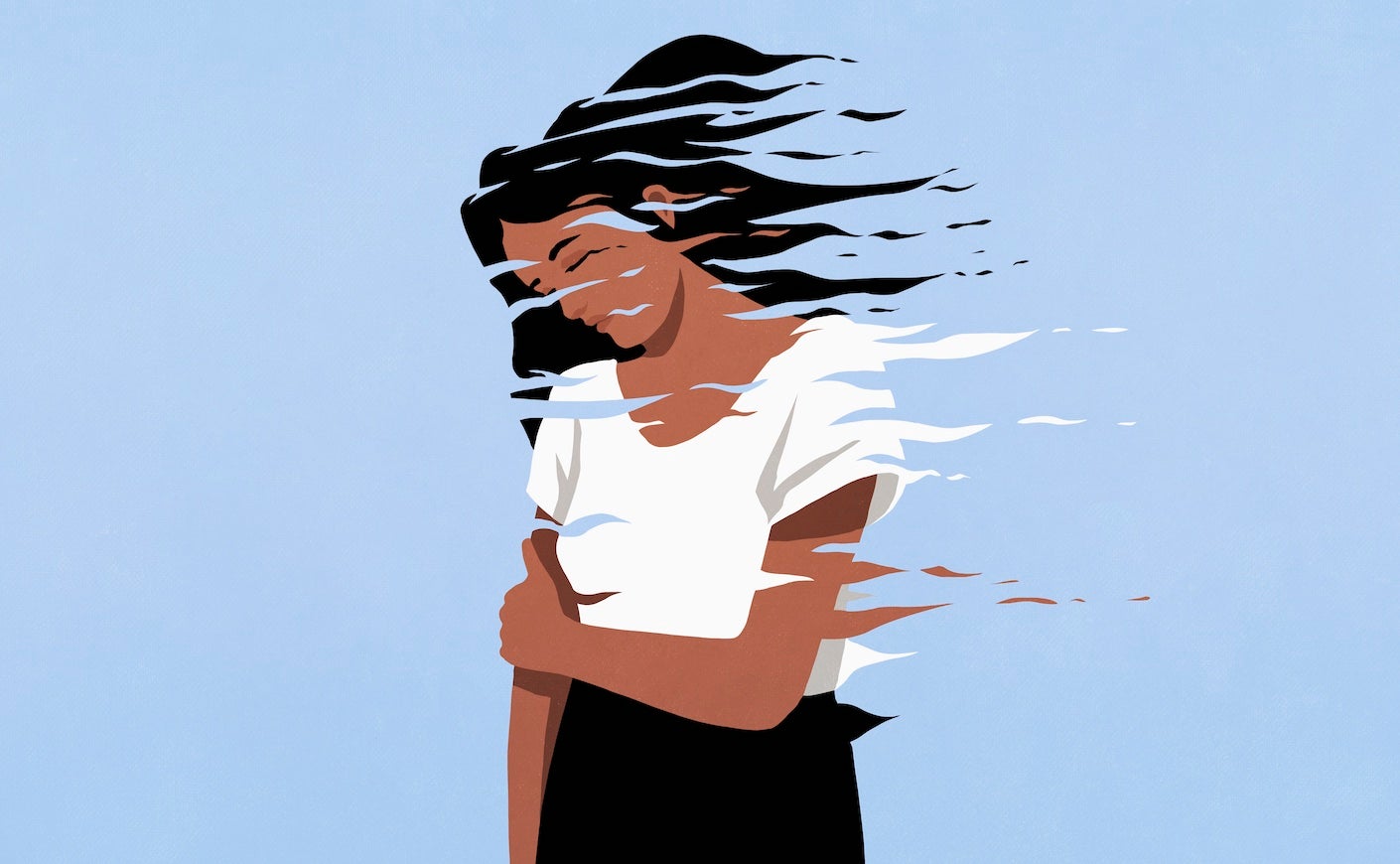
Looking back now, I don't feel embarrassed. I don't question my intelligence or see myself as weak. What happened wasn't a reflection of my worth; it was a reflection of wounds that needed healing.
That realization changed the focus of my recovery. I stopped asking, "How did I miss the red flags?" and started asking, "Why did those red flags feel familiar in the first place?"
I had spent years seeing them but explaining them away, believing they were my responsibility to fix instead of signals that something wasn't right.
Healing wasn't learning how to identify narcissists. It was learning to trust my own instincts again — not because they had been wrong, but because I had spent years overriding them, convincing myself that my discomfort was something to fix rather than something to listen to. Learning that love doesn't need to be earned. Learning that peace is not boring and that consistency is not a lack of passion. Learning that being chosen is not the same thing as being valued.
Most importantly, healing was understanding that the wounds we refuse to address often become the very portals through which we are hurt.
If you find yourself reading this and recognizing pieces of your own story, I want you to know something: This is not a reflection of your intelligence, and it's not something to be ashamed of.
In the moment, leaving can feel impossible. The fear can feel overwhelming. The uncertainty can feel unbearable. But from the other side, I can tell you this: I have never wished I had stayed longer. I have only wished I trusted myself sooner.
The life waiting for me on the other side of that relationship was bigger, healthier, more peaceful, and more aligned than anything I could see while I was living inside it.
Kia Lee is a survivor, author, speaker, and survivorship coach.