



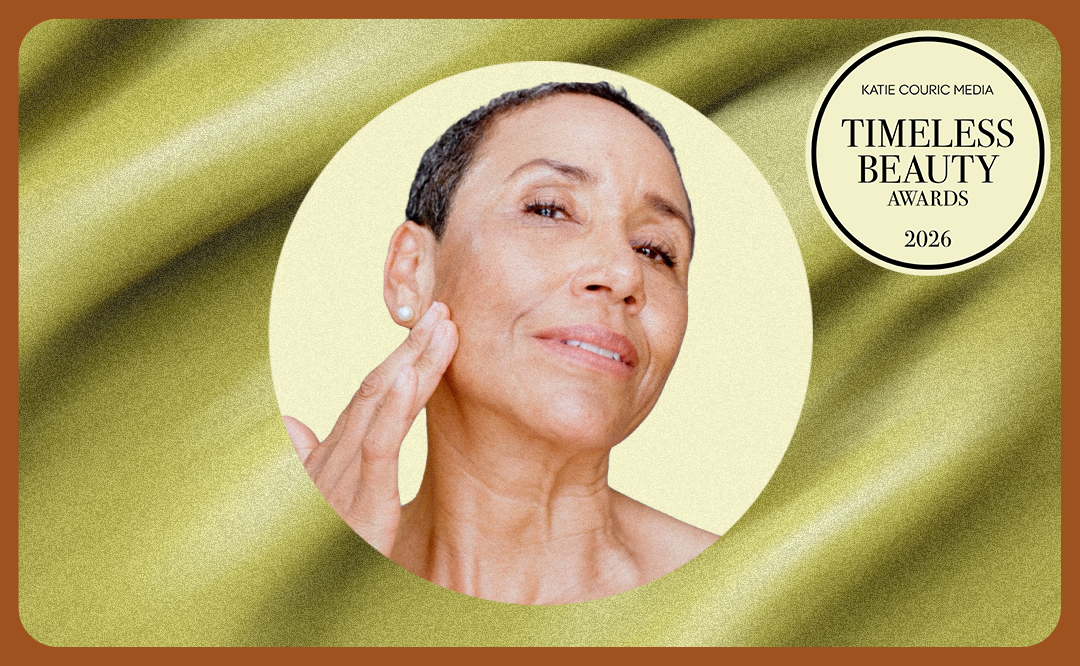
There comes a moment in every adult's life — often under unforgiving bathroom lighting — when you realize that gravity has come for your face. Perhaps you've looked in the mirror and noticed lines that are deeper than they used to be, loss of volume around the cheeks and eyes, or some sagging around the jaw. While these are all signs of a life well-lived (we believe that crow’s feet and smile lines are proof of joy), if you'd like to stave off some visible signs of aging, you do have options.
To create Katie Couric Media's inaugural Timeless Beauty Awards, we spent months testing products, consulting experts, and evaluating what actually works for aging skin. The result is a carefully considered edit of products, tools, and formulas that rise to meet the moment — and your evolving needs. Yes, aging is a privilege — but the hormonal shifts and beauty changes that come with perimenopause and menopause can still catch you off guard. And those changes can manifest as everything from unexpected acne (seriously, now?) to new wrinkles to age spots to overall dullness.
But before we break down the best serums, soaps, SPFs, and more, it's worth noting that your skincare routine shouldn't be a full-scale war on your fine lines — or your psyche. As Michelle Henry, MD, a board-certified dermatologist and dermatological surgeon, says, “Everyone is aging, and we’re all aging in different ways. Be gentle with yourself and your skin during this time.”
What happens to aging skin after 40, 50, and beyond?
Puberty is the first phase of your epidermis's evolution. After that, hormone changes continue to impact your skin, with the biggest shifts taking place in your 30s and 40s, due to perimenopause. “In our 30s, collagen reduction starts to speed up,” Dr. Henry notes.
Collagen is the primary structural protein in skin, muscles, bones, and other connective tissues, which is why its decline leads to such obvious visual changes. “Once we hit menopause, we can lose up to 30 percent of our collagen in those first five years,” she continues. Among women in that half-decade, the biggest complaint licensed esthetician and celebrity facialist Lucía Miranda hears from clients is that they feel like their faces are “falling." That's from collagen loss.
Age also causes the cells in your skin to become senescent — but wait, it gets worse. “Not only are your cells slowing down the production of collagen, but they’re sending inflammatory signals, which accelerate the breakdown of collagen,” Dr. Henry explains. This is where the term “inflammaging” comes from: Inflammation accelerates aging.
Next, the pigment in your skin becomes more dysregulated with age, partially due to cumulative UV damage, and you're also producing less natural hyaluronic acid to keep skin hydrated. And with estrogen levels dropping, your body’s regulation of antioxidants decreases, putting you at a greater risk for things like skin cancer.
“Anti-aging is really just about being regenerative, and staying as close to ‘normal’ cellular function as possible,” Dr. Henry says. This means taking care of yourself in the most nourishing way you can, by reducing stress, wearing SPF to protect yourself from the sun’s rays, and making sure you’re eating right.
What are the most common skincare mistakes that make aging skin look older?
More isn’t always more. (Finally, an excuse to retire that absurd 10-step skincare routine you never fully understood anyway.) Miranda says the error she most often sees clients making is using too many products all at once. “Skincare can get so out of control,” she says. “We have to streamline things because it’s easy to get overwhelmed with an intense or complicated routine, and if you’re going through menopause, you’re already overwhelmed.”
Another mistake Dr. Henry sees often? Chasing trends. “There’s so much anxiety around aging: Things are happening to your skin, and it's getting harder and harder to control. So patients start chasing trends, and I start hearing that ‘Oh, this worked for my friend Ashley. Let me try it.' But you're not Ashley.”
Dr. Henry stresses that being intentional and discerning about what you put on your skin, and focusing on an individualized approach, will get you the best results — and working with a dermatologist or licensed esthetician is the safest way to do that.
Which skincare products actually fight the signs of aging?
Dr. Henry has pared down her routine to what she calls her “core four" topicals. If your goal is to reduce the look of fine lines, hyperpigmentation, or slight sagging, focus on regeneration and protection via these ingredients: retinol (vitamin A), antioxidants (vitamin C), peptides, and fatty acids. Here's more detail on each, and how they function:
Retinol
This ingredient is the gold standard for cell turnover and real-deal results. “If someone has great skin at 70, chances are they have used some form of retinol consistently,” Miranda says.
She explains that retinol helps increase the rate of skin cell turnover, exfoliate dead skin cells, and stimulate collagen production. Despite all of the benefits, retinol and its derivatives (like retinoids, the prescription-strength iteration) get a bad rap for being harsh, but that’s often due to incorrect application.
“Your skin has to grow to tolerate retinol, and irritation is often from using too much too fast," says Dr. Henry. Since this active will absorb more quickly on damp skin, wait for at least 30 minutes after cleansing your face before applying a retinol or retinoid. For those with super-sensitive or reactive skin, Miranda recommends starting with a plant-based vitamin A, like Bakuchiol, or over-the-counter retinols designed to be gentle, like Medik8’s Crystal Retinal 1 Serum. (That's not a typo, by the way: Retinal is a potent, faster-acting type of retinol.)
And if you do choose a prescription-strength retinoid like tretinoin, start with a very low strength and apply it only one or two days a week at first, increasing that frequency only if your skin doesn't experience redness or peeling.
Vitamin C
Similar to retinol in some ways, vitamin C also helps increase collagen production, but it does so by protecting skin cells from damage. It acts as a preventative ingredient but also helps brighten and lighten spots caused by hormonal changes, sun damage, or scars. For maximal results, look for formulas that tout 10 percent or more of vitamin C, and opt for serums because "they have the highest concentration of active ingredients,” Dr. Henry says. Some cleansers offer vitamin C — or other active ingredients — in them, but Dr. Henry's not a huge fan. “Unlike a cleanser, a serum gives you concentrated active ingredients that stay on the skin, not get washed off quickly.” This gives the product time to properly penetrate the surface and deliver results.
Peptides
These short chains of amino acids are yet another collagen-boosting ingredient to incorporate into your routine, but different kinds of peptides work in different ways: Carrier peptides work to support skin repair, signal peptides work to stimulate fibroblasts (the cells that produce collagen), enzyme inhibitor peptides actively work to reduce collagen breakdown, and neurotransmitter inhibitor peptides help relax muscles to prevent wrinkles from forming.
Without having to break out a textbook, what you need to know is that most topical peptide products contain signal peptides, which tell your skin to ramp up the collagen production. These can be used in conjunction with the other topical mentioned above. And if you find that your skin can't cope with any kind of retinol, Dr. Henry says peptides are the next best thing, as they help plump the skin from within.
Fatty Acids
Top all your products off with a good moisturizer, morning and night, and you've got a solid routine. And fatty acids are commonly found in moisturizers, as well as in facial oils, cleansing balms, and barrier creams. They help support and repair the skin barrier — the outer layer of skin responsible for keeping moisture in and irritants out. Naturally found in healthy skin, fatty acids help reduce dryness, strengthen the barrier, soothe inflammation, and prevent water loss, making them especially beneficial for sensitive, dehydrated, over-exfoliated, or aging skin. “Moisturizers with ingredients like ceramides, fatty acids, and squalene help combat the dryness that we're getting with age,” Dr. Henry says. If you find that moisturizer before SPF in the morning is one step too many, make a rich sunscreen your moisturizer instead.
Timeless Beauty Awards: The Best Skincare for Aging Skin
Don't fall for products that claim they'll obliterate concerns like sagging or deep wrinkles, because that's just not possible. Miranda says that there's currently no topical treatment that can restore your youthful facial structure or lost volume, for example. Dr. Henry echoes that if your aim is significant lift or to fill in deeply etched lines, at-home routines aren't going to cut it. But there are plenty of in-office treatments, like injectables and lasers, that can step in to support your goals.
But if you're looking for treatments that will nourish your skin barrier, lighten dark spots, smooth out fine lines, or banish dullness, look no further. Below, you'll find what we believe are the skincare products that stand above the rest — to bring back your glow and your confidence.
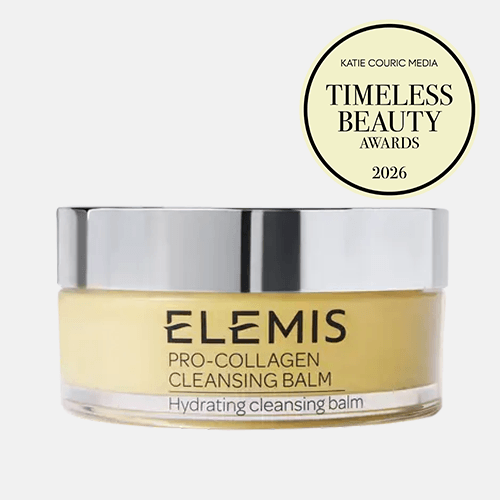
Best Makeup Remover for Aging Skin: Elemis Pro-Collagen Cleansing Balm
Elemis
Ensuring you have a clean base for skincare application is an important first step, because leftover makeup and SPF will inhibit the effectiveness of whatever you slap on top. A balm-to-oil formula breaks down even the most stubborn makeup, letting you easily rinse it off at the end of the day without stripping your skin of healthy oils. “Any skincare that makes me feel like I’ve just left a facial is a win, and the Elemis Pro-Collagen Cleansing Balm does exactly that, by melting away makeup and buildup and leaving my skin soft, hydrated, and glowing,” managing editor Alaina Mancini says.
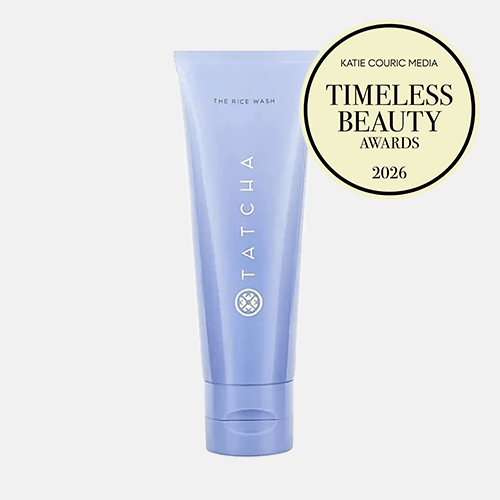
Best Cleanser for Aging Skin: Tatcha The Rice Wash Soft Cream Cleanser
QVC
So many of us have PTSD from using those harsh physical exfoliants back in the day (the original St. Ives Apricot Scrub was like rubbing gravel on your face) and swore off textured cleansers entirely as a result. Fortunately, the category has improved quite a bit since then: Using finely milled Japanese rice powder, this cream cleanser lifts dirt, oil, and makeup from your skin without damaging your barrier. It has a pH-neutral base, so it won’t strip away natural oils, and red algae and hyaluronic acid help plump and hydrate.
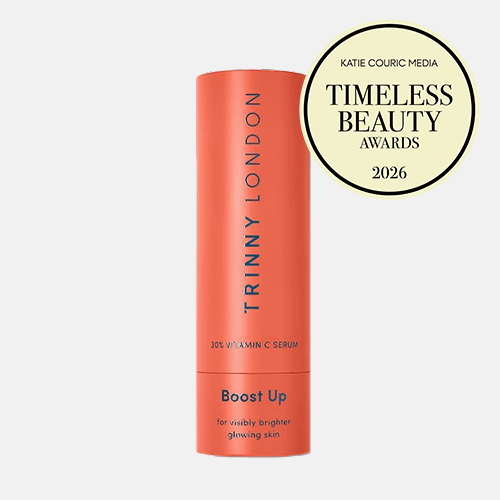
Best Vitamin C Serum for Aging Skin: Trinny London Boost Up
Trinny London
With a 30 percent concentration of vitamin C and a balm texture, this Trinny London formulation isn’t messing around — and also isn’t for first-time vitamin C users. But if you're already a C fan and ready to step up your routine, the glow-boosting effects are real: In clinical trials, a majority of users saw brighter, more even-toned skin in just eight weeks.
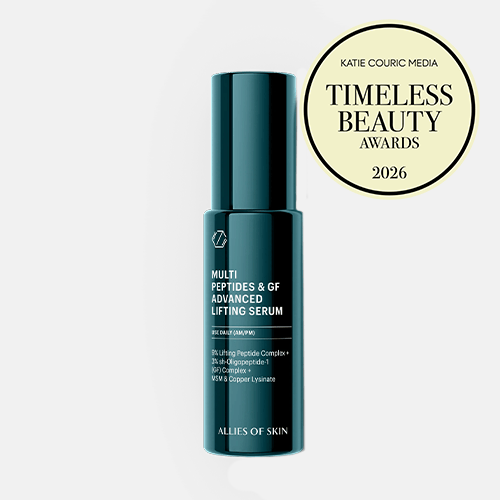
Best Peptide Serum for Aging Skin: Allies of Skin Multi Peptides & Growth Factor Advanced Lifting Serum
Allies of Skin
Beloved by makeup artists, dermatologists, and estheticians alike, Allies of Skin’s lightweight serum actually improved skin texture after one use, in the brand’s clinical trials. It combines powerful peptides to soften fine lines) and a growth factor complex to increase collagen production. After six weeks, 80 percent of trial participants reported younger-looking skin, and 100 percent reported instant skin hydration upon application.
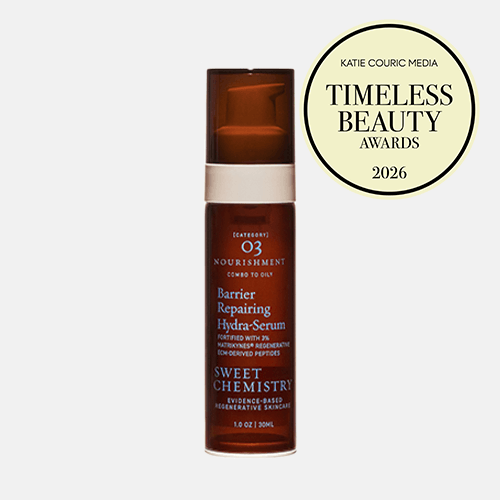
Best Barrier Repair for Aging Skin: Sweet Chemistry Barrier Repairing Hydra Serum
Sweet Chemistry
Combining collagen-boosting peptides, hydrating ceramides, and soothing niacinamide, this lightweight serum could take the place of several products in your routine. “This product line revived my skin,” KCM's VP of affiliate, Danny Feekes, says. “At 44, I’ve noticed my pores looking more pronounced, but the Sweet Chemistry line seems to shrink them in real time, and my blackheads have disappeared. The serum also gives this really nice matte glow. I’m officially converted.”
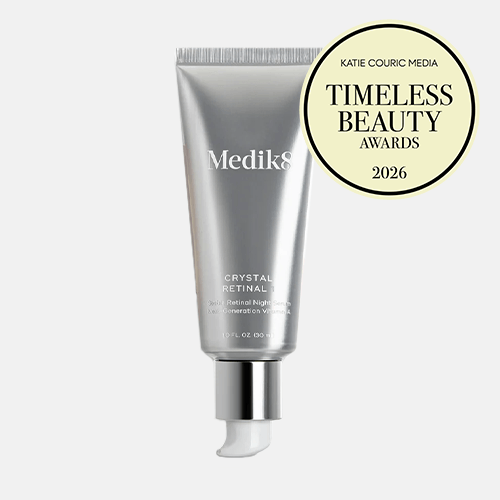
Best Over-The-Counter Retinol for Aging Skin: Medik8 Crystal Retinal 6 Serum
Medik8
If you've heard horror stories about retinol, beginning your journey can be intimidating — but Medik8 offers different levels of strength, depending on your skin’s tolerance. For those who've dabbled with vitamin A or have “normal” skin (aka non-sensitive) in terms of reactivity, this level 6 Retinal Serum is a good next step. According to 12-week clinical studies, this formulation showed results 11 times faster than a traditional retinol, delivering visible improvements in skin texture, firmness, brightness, and clarity.
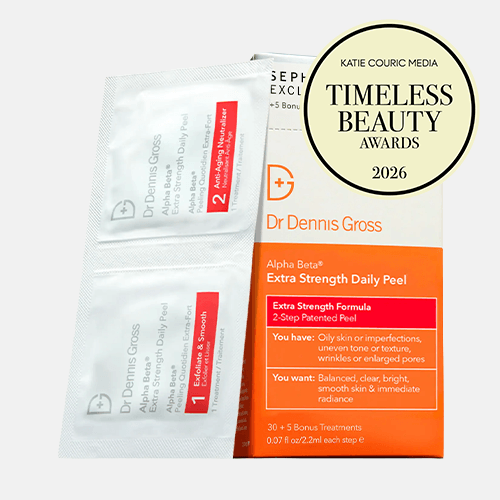
Best Exfoliator for Aging Skin: Dr. Dennis Gross Alpha Beta Extra Strength Daily Peel Pads
Sephora
Removing dead skin cells not only improves skin appearance by unclogging pores and promoting cell turnover, but can also increase product absorption. These single-use pads are nearly foolproof to use and ensure you get the right amount of exfoliation. “I’ve been using the Dr. Dennis Gross Alpha Beta Extra Strength Daily Peel Pads for over five years, and I can’t live without them,” senior account manager Victoria Bellucci says. “I use them every other day, and they’ve completely transformed my oily, acne-prone skin. They keep my complexion consistently clear, smooth, and balanced, and nothing else has been as effective at keeping breakouts and congestion in check.”
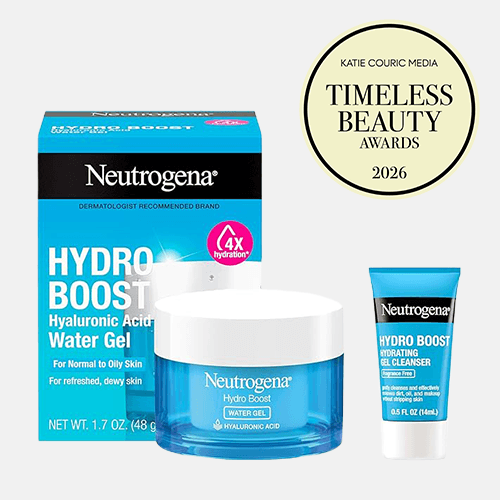
Best Morning Moisturizer for Aging Skin: Neutrogena HydroBoost Water Gel
Amazon
If you hate the feeling of heavy moisturizers, this lightweight gel is a less goopy option. It uses hyaluronic acid to bind water to the skin, leaving you with a refreshed visage without weighing you down. It’s a staff favorite, too. “I'm a massive fan of the entire Neutrogena HydroBoost line, but the Water Gel moisturizer is my favorite,” audience manager Sam Donsky says. “It's lightweight but super-effective: I use it as my base before I put on makeup."s
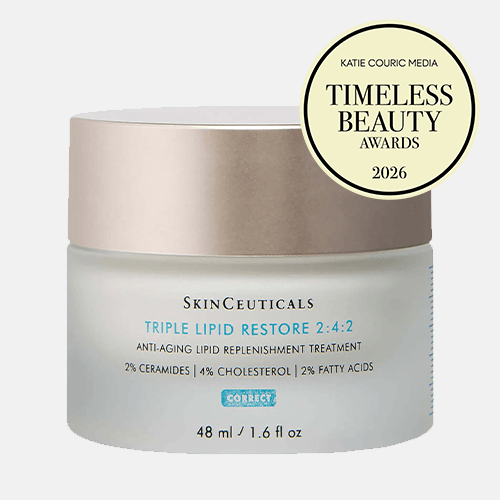
Best Night Moisturizer for Aging Skin: SkinCeuticals Triple Lipid Restore 2:4:2
Dermstore
Like the rest of your body, your skin heals while you sleep, and using a thicker cream at night is a great way to wake up dewy and protect your skin barrier. This one from Skinceuticals contains cholesterol, which helps combat age-related dryness, as well as ceramides and fatty acids, both of which Dr. Henry recommends to strengthen your barrier and boost plumpness. After an eight-week clinical study of women 55-75 with moderate fine lines, more than two-thirds of participants reported smoother skin, a third reported improved firmness, and a quarter reported feeling more radiant.
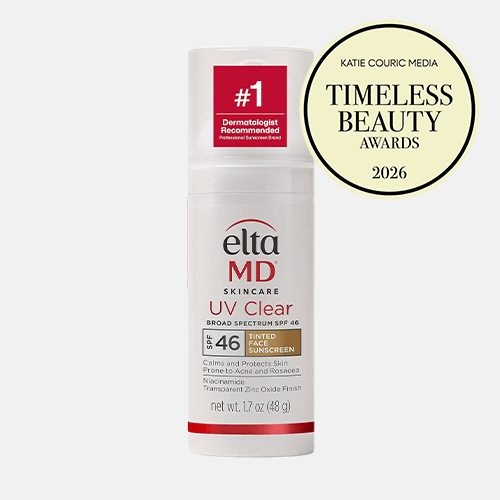
Best Chemical SPF for Aging Skin: EltaMD UV Clear Tinted Face Sunscreen
Amazon
This SPF provides broad-spectrum protection because of its hybrid formula, and it’s a favorite of our staff and dermatologists. It combines the mineral power of zinc oxide with the chemical octinoxate to create a lightweight, smooth-feeling texture on skin, without the white cast often associated with mineral-only SPFs. It also boasts niacinamide, which helps reduce inflammation, especially in acne- and rosacea-prone skin. One thing to note, though: This specific formula is not water-resistant, so it’s better for day-to-day wear than for when you'll be sweating or swimming.
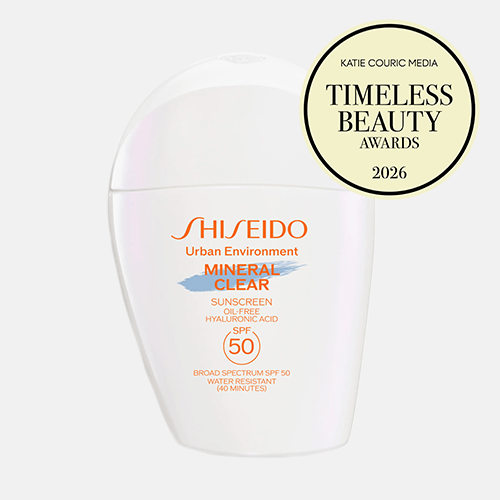
Best Mineral SPF for Aging Skin: Shiseido Urban Environment Mineral Clear Sunscreen SPF 50
Nordstrom
Shiseido’s clear mineral formula acts as both broad-spectrum UV protection and a makeup primer thanks to its watery texture, which melts easily into skin. It offers SPF 50 and was shown to deliver 12 hours of hydration in a clinical study of 32 women.
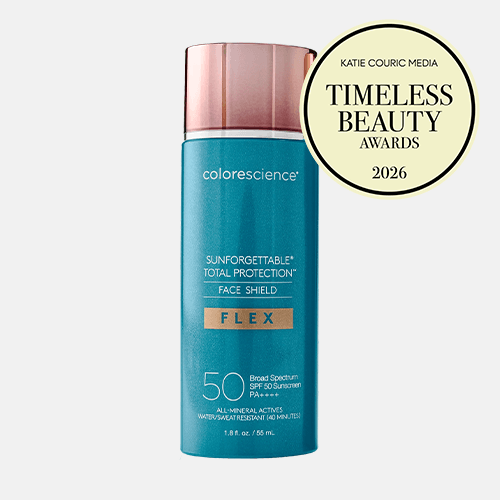
Best Tinted SPF for Aging Skin: Colorescience Sunforgettable Total Protection Face Shield Flex Sunscreen SPF 50
Colorescience
With six different shades — all with SPF 50 broad-spectrum protection and 40-minute water resistance — what’s not to love about this product? Part makeup and all sun protection, Colorescience’s Face Shield Flex formula uses tiny capsules of pigment to blend seamlessly into your skintone, while zinc oxide provides mineral sun protection. It’s also full of skin-soothing ingredients like niacinamide, lipochroma (an antioxidant), and Vital ET (a skincare version of vitamin E).
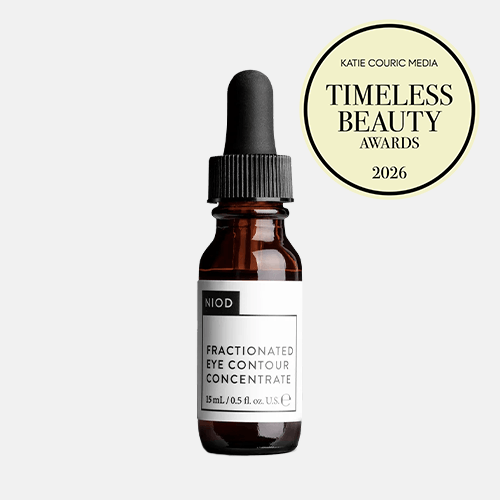
Best Eye Serum for Aging Skin: Niod Fractionated Eye Contour Concentrate
Niod
Dr. Henry hasn't always recommended eye creams to her patients: “I used to call all of them a waste of time,” she says. “But I've looked at the data, and the technology has gotten better and better over the years. It’s all about making sure the ingredients are small enough that they can actually penetrate and really institute change in the skin.” This concentrate has a lightweight texture that easily sinks into the delicate skin around the eyes, and the peptides are small enough to permeate, help increase collagen production, and provide enough hydration to decrease the appearance of fine lines.
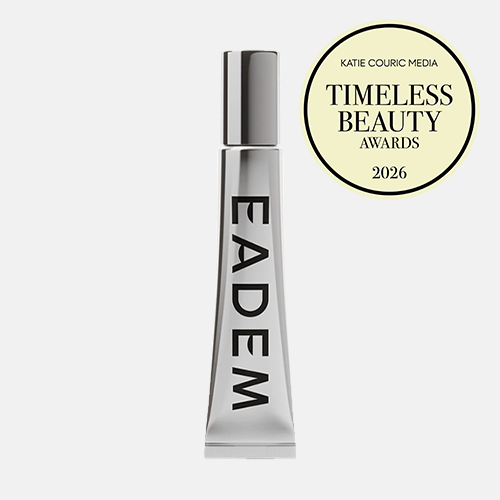
Best Lip Balm for Aging Skin: Eadam
Eadem
If you want an all-in-one healing lip product that exfoliates, hydrates, and delivers a dose of color, our go-to is this creamy gloss-balm hybrid from Eadem. Using enzymes and alpha-hydroxy acids to gently remove dead skin, a combination of Brazilian acai/African mongongo butters/moringa oil to hydrate, and peptides to smooth fine lines, it not only moisturizes but also helps nourish. In a clinical study of 34 people, 100 percent said their lips stayed hydrated (even after eating and drinking with the balm on), and 97 percent said their lips looked and felt smoother after using it consistently for two weeks.
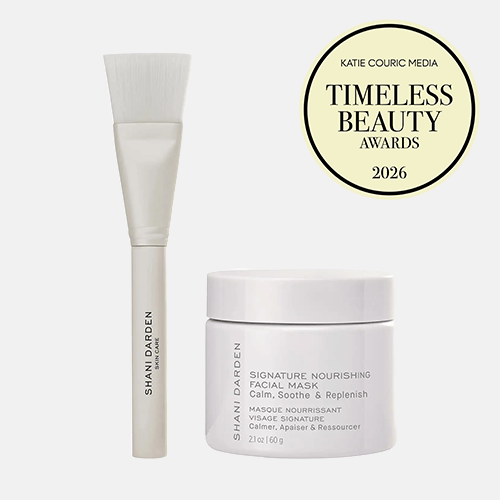
Best Face Mask for Aging Skin: Shani Darden Signature Nourishing Facial Mask with Squalane
Sephora
Anyone with eczema (including Katie!) knows that flare-ups and irritation can sometimes appear at the most inopportune times, so a product that soothes redness and relieves itching instantly can feel like a miracle worker. Approved by the National Eczema Association and tested in a four-week consumer trial, 82 percent of users of this facial mask reported less-red skin after one use. Colloidal oatmeal, a triple-tea complex, and niacinamide work together to calm redness and replenish skin. Just apply, wait for 10 minutes, then rinse off.
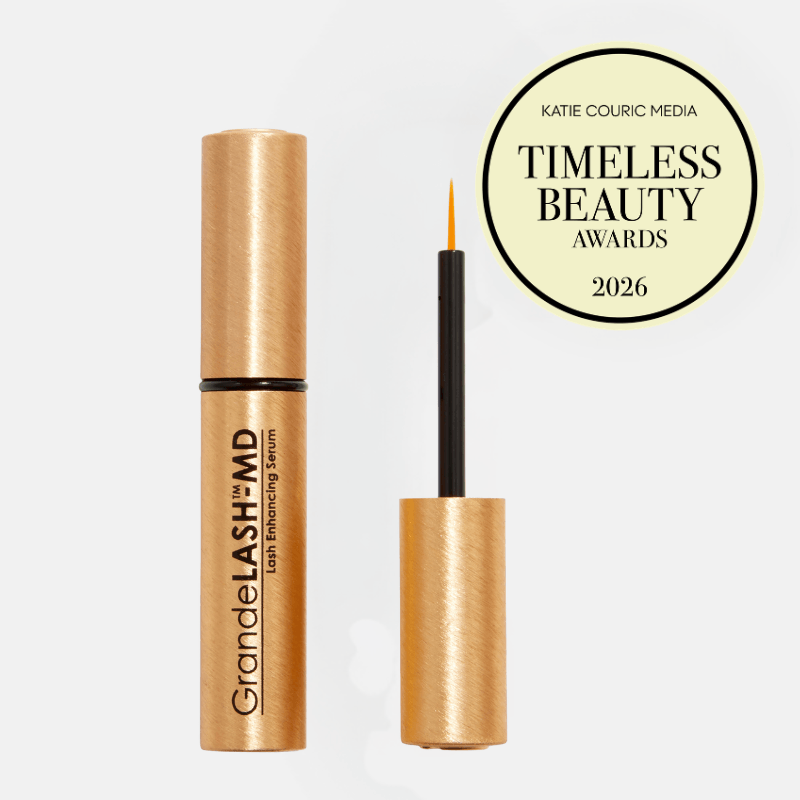
Best Eyelash Serum for Aging Lashes: GrandeLASH-MD
GrandeLASH
Lashes and brows naturally thin as we age, but there are plenty of serums that can help combat that. As one of the most-studied lash serums on the market (with several 120-participant, 8-month-long safety studies), there’s plenty of science to back up GrandeLash’s claims. After 12-week trials, the 30 participants found that lashes looked longer (91 percent of participants), healthier (94 percent of participants), and more visible (97 percent of participants). The studies also found that the serum is safe to use if you wear contacts, and doesn’t cause eye-color change or periorbital fat loss, when used properly. Miranda says the main cause of those two issues is applying the serum somewhere other than lashes — and that as long as you keep the product off your skin as best you can, you'll be fine.
Timeless Beauty Awards Methodology
Our selection process was intentionally rigorous and multi-layered, incorporating personal experience, medical expertise, and industry experts to highlight the best of the best in skincare. Informed by years of reporting on beauty, wellness, and aging, final product selections were made by Katie Couric and her editorial staff, and also include recommendations by a panel of trusted medical experts, professional makeup artists, and celebrity hairstylists.