



Should you eat before an early morning workout? Are free weights worth it if you're worried about getting hurt? And is there anything you can do about those dreaded "bat wings"?
We recently asked readers of our Body and Soul newsletter to send us their biggest fitness questions, and you delivered. To get some answers, we turned to Katie's personal trainer, Daniel Stransky, who works with people of all ages to build strength, improve mobility, and feel their best in their bodies.
From navigating arthritis and old injuries to designing an effective workout routine, Stransky weighs in on the exercise questions that come up most often — and shares the advice he gives his own clients.
How important is variety within strength training? Can I simply do progressive overload workouts all year, or do I need more intentional, planned programs?
Daniel Stransky: Variety is not nearly as important as variability. When a program has the proper amount of variability, it can be run effectively for months. Variability means it systematically accounts for all major muscle groups, foundational movement patterns (squat, hinge, push, pull, lunge, rotate), planes of motion, and functional capacities (mobility, stability, and strength). I typically program for a minimum of 10 weeks, but a highly effective training cycle can easily stretch to 20 or 24 weeks.
I only end a training cycle for two reasons: client boredom or stalled progress. If we stop achieving quantitative improvements (weight increasing) or qualitative improvements (better control or precision of movement) for two to three consecutive weeks, it’s time to reassess. Rather than discarding the plan, we identify the specific bottlenecks holding the client back and solve them in the subsequent phase. While the conceptual blueprint of a training year looks similar across my clientele, the specific exercise selection is always dictated by someone's unique assessment and current abilities.

Is there a way to get rid of underarm "bat wings" in your sixties, or are you stuck with them for the rest of your life?
As we age, shifting our mindset from aesthetics to performance becomes a true superpower. When you get in the gym, build muscle, and chase strength goals, your relationship with your body changes completely. The obsession with how your arms look fades, replaced by massive pride in what they can do and how strong you’ve become. Frankly, building muscle is also the absolute best non-surgical strategy available for your arms; by developing the underlying tissue, you structurally fill out the skin from the inside out, creating a much firmer, more toned appearance.
I believe in being entirely straightforward, though: If you have significant loose skin on the back of your arms, a complete reversal usually requires surgical intervention. What may have started as a body fat challenge often becomes a matter of skin elasticity over time, despite the false promises you see on the internet. But don't let that deter you. I’ve watched many clients make this performance shift — moving from hiding their arms in long sleeves to proudly showing off their hard-earned guns. You can absolutely do the same.
How critical is it to eat before your morning workout?
The answer depends largely on the timing of your workout, especially if you train early in the morning. Ideally, you would consume a high-carbohydrate, moderate-protein meal roughly 90 minutes before lifting. In reality, very few people have that luxury.
If you’re hitting the gym first thing in the morning on a tight schedule, your best option is a fast-digesting carbohydrate. These require minimal breakdown, rapidly entering the bloodstream to provide immediate, usable energy. Excellent, stomach-friendly options include a ripe banana, a few dates, rice cakes, or an electrolyte/sports drink like Liquid I.V.
That said, I have many clients who perform exceptionally well fueled by nothing but a cup of black coffee. If your overall nutrition is on point, your body can rely on the glycogen stored from the previous day's meals. However, even if your baseline stores are full, adding a fast-acting carbohydrate pre-workout provides an immediate, readily available energy source to optimize performance.
I’m 74 and have had a PLIF lumbar surgery and a reversed shoulder replacement. I exercise at a gym three times a week, but I’m hesitant to use free weights. What else can I do, without causing injury to this old body?
I highly recommend hiring a coach who can teach you how to navigate free weights safely. Resistance training is inherently one of the safest physical endeavors because of its highly controlled nature. However, without an understanding of proper form and the nuances of a specific exercise, a safe movement can easily become a risk.
Watch the trainers at your gym. Find the ones whose clients rave about them and show measurable results, and start a conversation. A great coach isn’t just an expense; they are an investment in your longevity. Furthermore, it doesn’t have to be a long-term financial commitment. It’s entirely reasonable to do a few initial sessions to establish your foundation, and then transition to a monthly "check-in" to ensure you’re on the right track.
If one-on-one coaching isn’t feasible right now, you can check out my YouTube channel, Longevity Trains. I have more than 75 detailed exercise tutorials specifically designed to help you get started safely and effectively on your own.
I’m 68 and my hands now hurt lifting heavy weights. I can no longer lift, garden, and chop vegetables all in the same day. What can I do to continue lifting heavy weights with my arthritis hands?
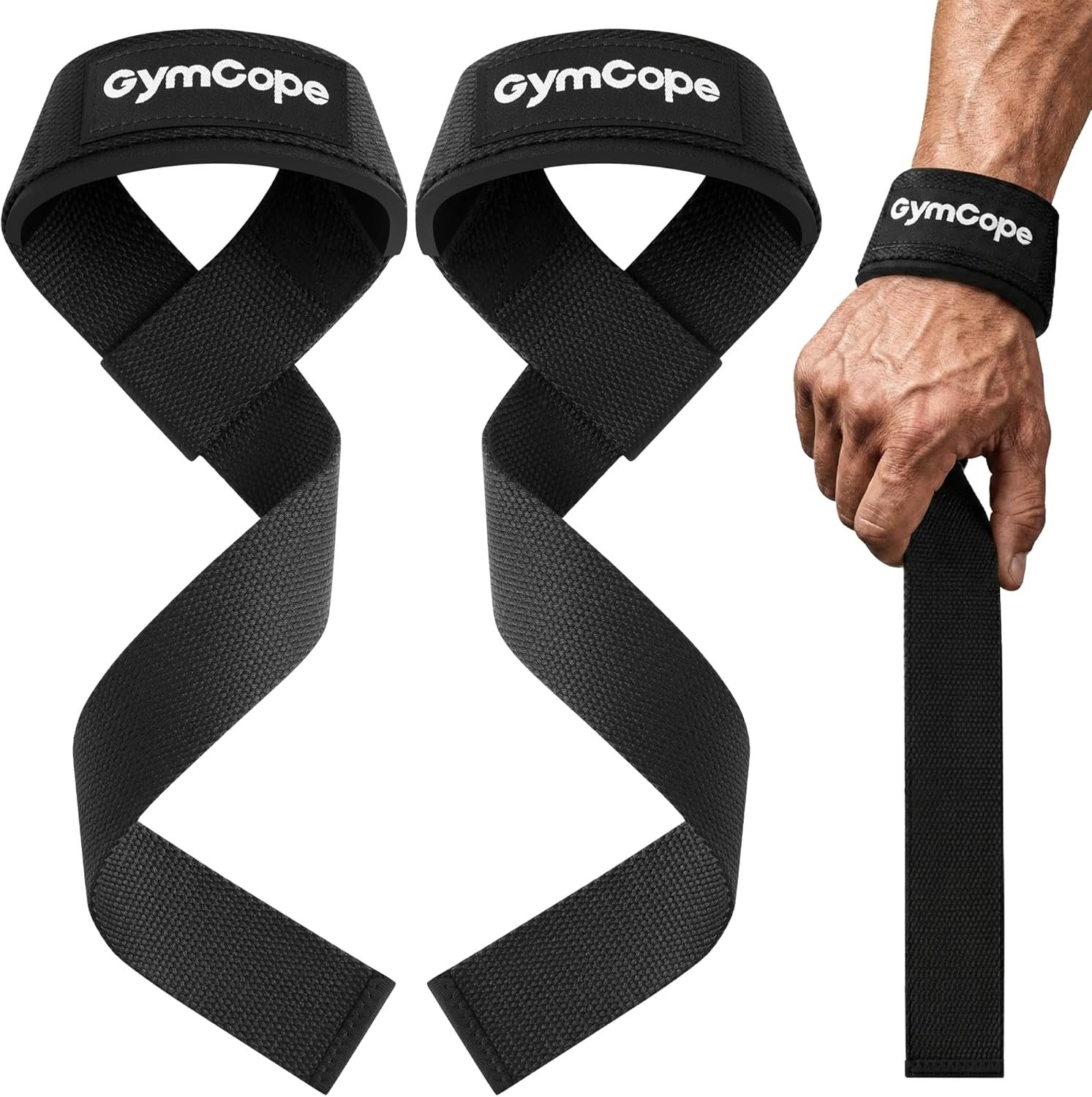
While arthritis is irreversible, it’s absolutely manageable. The key here is implementing smart load-management strategies for your hands. For your workouts, I highly recommend investing in a pair of lifting straps. These accessories wrap securely around your wrists and the barbell or dumbbell, locking you to the weight and significantly reducing the gripping pressure required from your hands. Managing arthritis isn't always about finding a magic corrective exercise; often, it’s about finding simple, mechanical lifestyle solutions to accommodate your current joint structure.