


The ’60s were tumultuous. The ’70s brought the “me” decade and a growing women’s movement. The ’80s were the Gordon Gekko “greed is good” years, with yuppies in full bloom against the backdrop of the AIDS crisis. The ’90s don’t offer quite so tidy a narrative — but were they really nondescript? (Chuck Klosterman certainly argues otherwise in The Nineties, his excellent book about Generation X and much more.)
Decades don’t divide nicely into set 10-year blocks, so setting a "beginning" date for the ’90s is admittedly difficult. One might choose the fall of the Berlin Wall in 1989, the collapse of the Soviet Union in 1991, or the election of Bill Clinton and the Los Angeles riots in 1992. For me, the endpoint seems clearer, sharply punctuated by the September 11, 2001 attacks. Looking back, I see the beginnings of an unraveling of long-held beliefs in established systems; things would never be the same again.
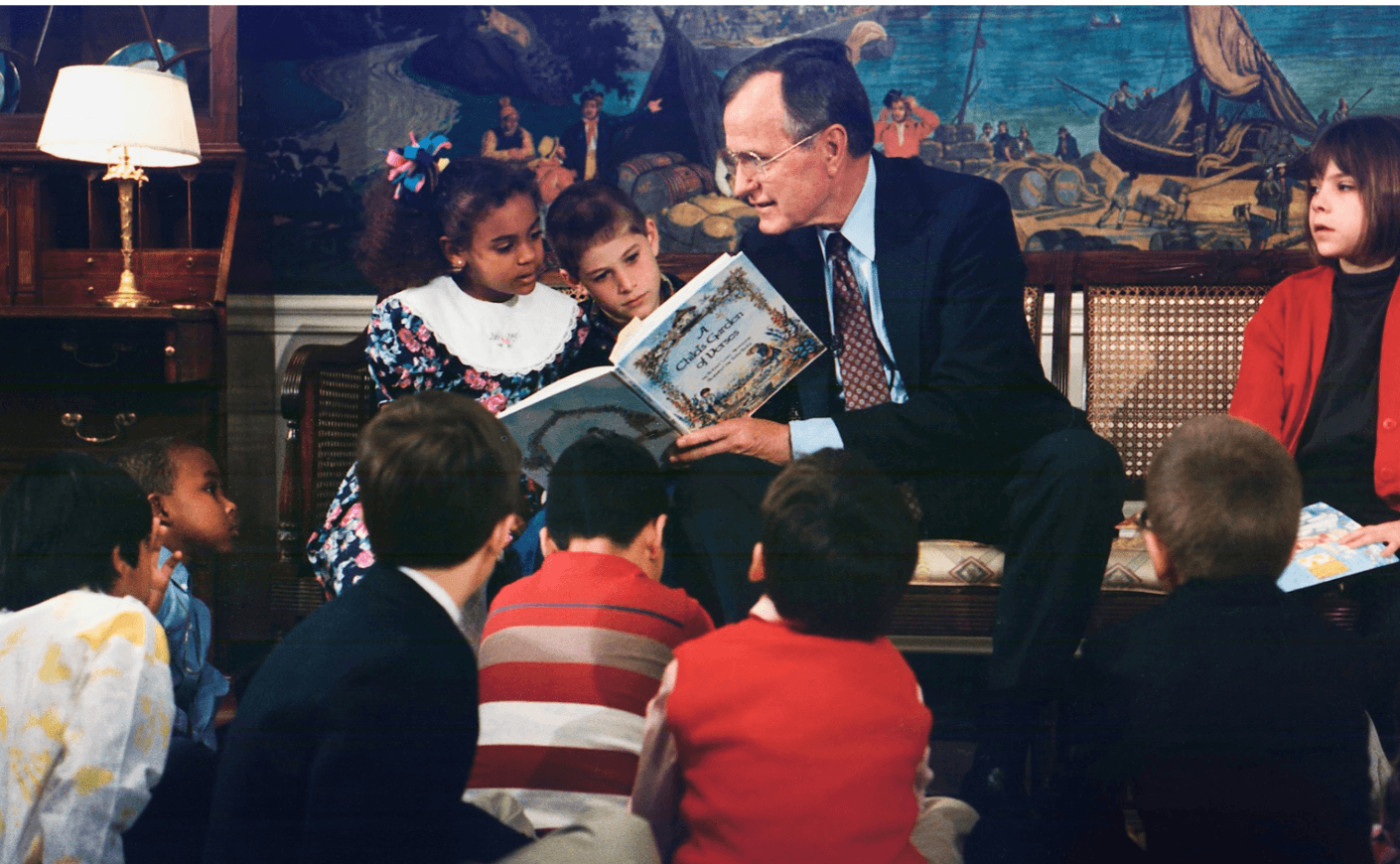
The decade also witnessed a “passing of the torch” moment: George H.W. Bush was the last president from the “Greatest Generation,” while Clinton was the first baby boomer to hold the office. The presidency skipped the Silent Generation altogether that time around.
The ’90s were busy for me: I was knee-deep in raising kids and building a career. But I still made time to take in some truly great reads — here's the list of the ones I think are most important for any scholar of this eventful period.
The Things They Carried by Tim O’Brien
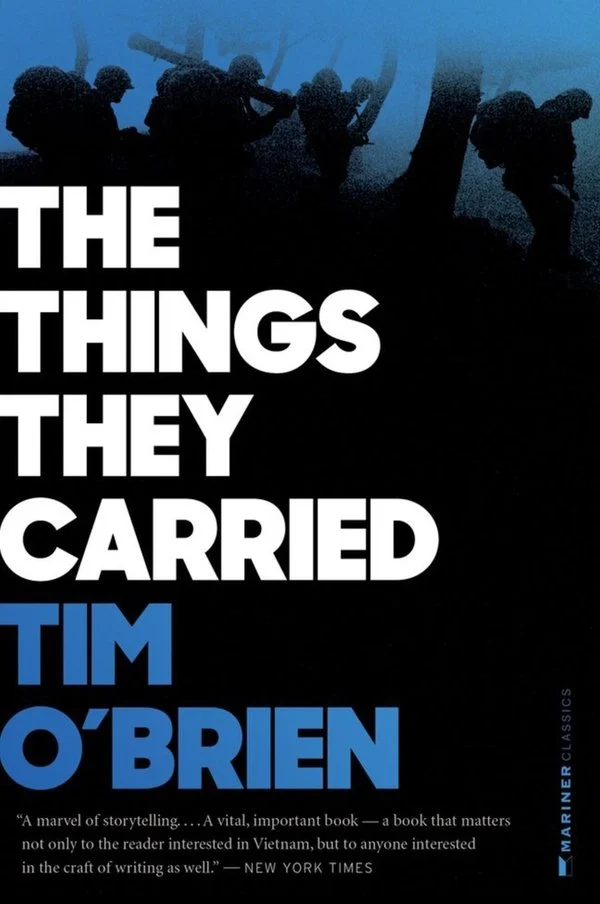
A Pulitzer finalist, this collection of linked stories follows the men of Alpha Company through the Vietnam War. Black humor and moral ambiguity run through their experiences.

The Virgin Suicides by Jeffrey Eugenides
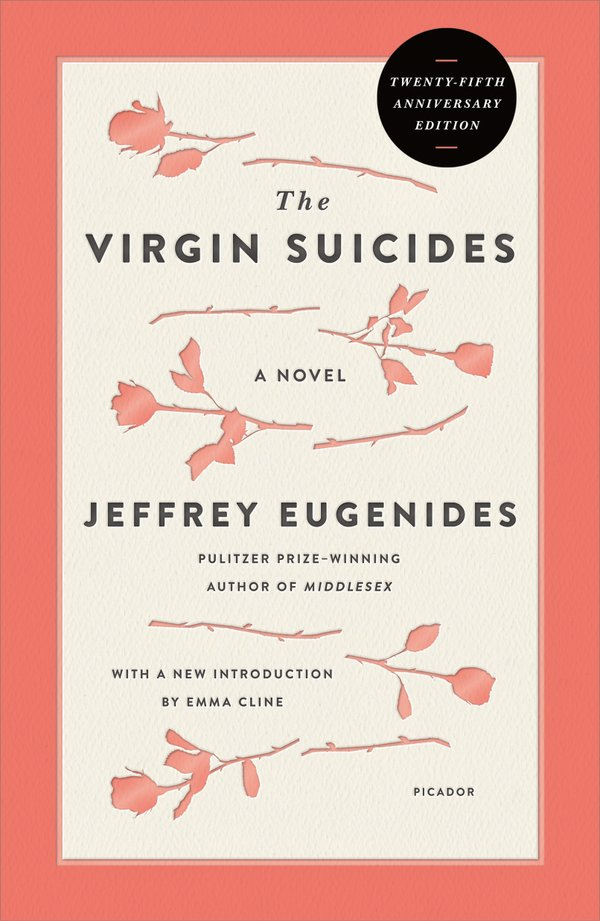
Sad, evocative, and perpetually relevant. In her introduction for the 25th anniversary edition (published in 2018), novelist Emma Cline describes the novel’s suburban setting as both immediate and otherworldly. The combination of teenage boredom and almost mythic tragedy helps explain its staying power.
Infinite Jest by David Foster Wallace
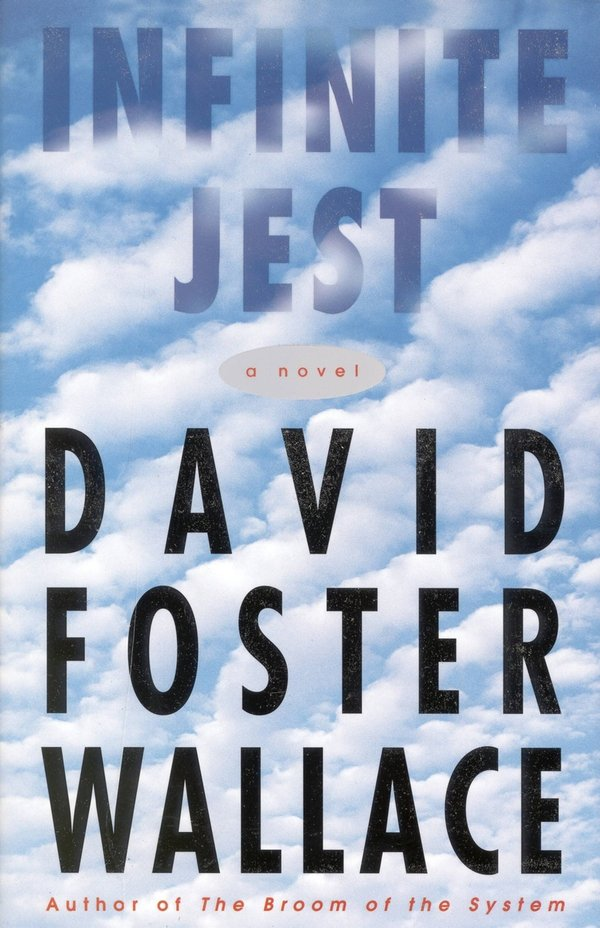
OK, I'll admit it: I’ve never read it (its 1,000-plus pages violate my “no more than 500 pages” rule). But my son Brad used to swear by it. A sprawling novel of substance abuse, entertainment, mental health, and a lot more. And one that belongs here for its reputation and its influence.
Fatherland by Robert Harris
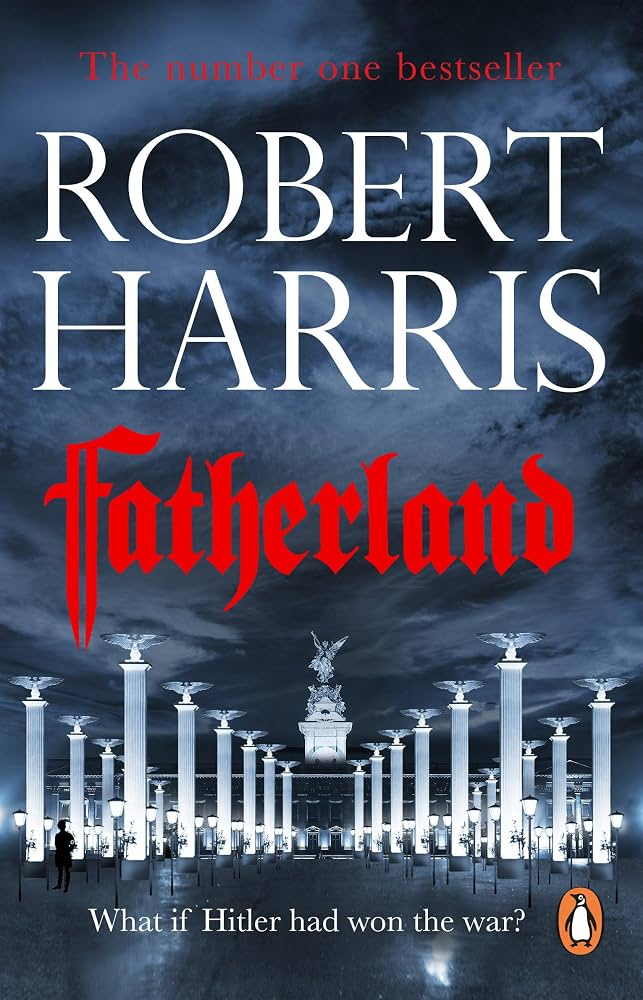
One of the best “what if” alternate histories I've read. In it, Nazi Germany has won World War II, and a murder investigation in 1964 threatens to expose the regime’s efforts to conceal the Holocaust. And a Kennedy — Joseph P. Kennedy, Sr. — is president of the United States.
Jurassic Park by Michael Crichton
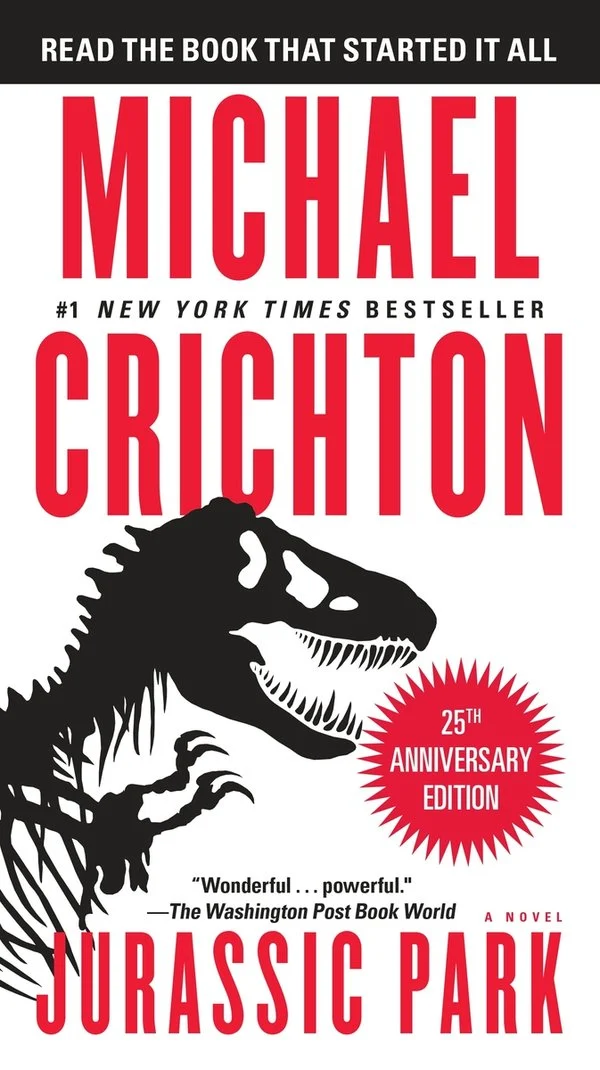
An intriguing look at the promise and the limits of science and the manipulation of nature. But still, it’s no The Andromeda Strain, Crichton’s best book by far (at least in my opinion).
All the Pretty Horses by Cormac McCarthy
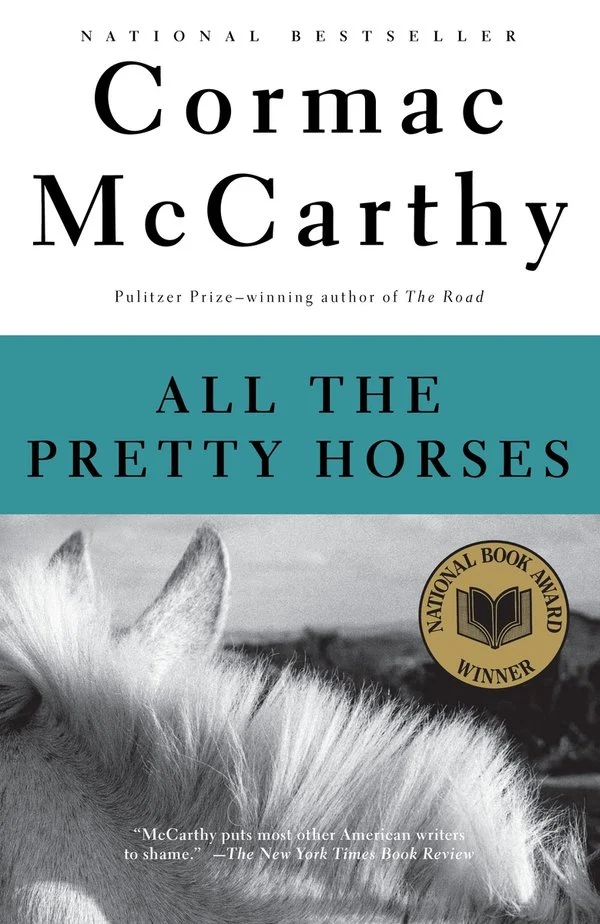
A young cowboy heads into Mexico looking for a way of life that’s disappearing back home. There’s romance and adventure, but also a hard education in the limits of courage and good intentions. A great story that takes places along the now-fraught Texas-Mexico border from the author who'd later give us The Road. Winner of the National Book Award and the National Book Critics Circle Award.
The Giver by Lois Lowry
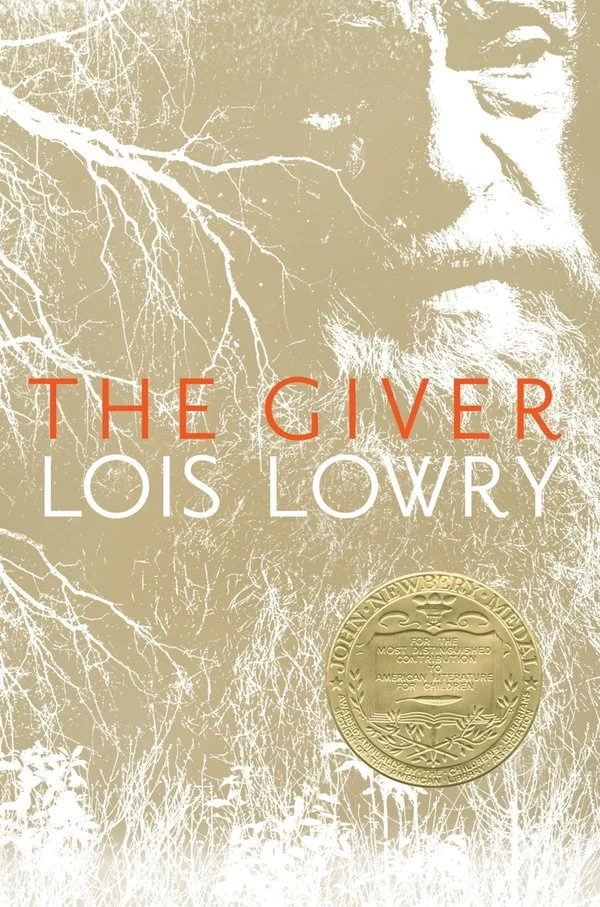
A utopia that’s really a dystopia: A boy becomes the Receiver of Memory in a society that has traded away choice, deep emotion, and knowledge of its past. The position comes with burdens his neighbors can scarcely imagine.
A Game of Thrones by George R.R. Martin
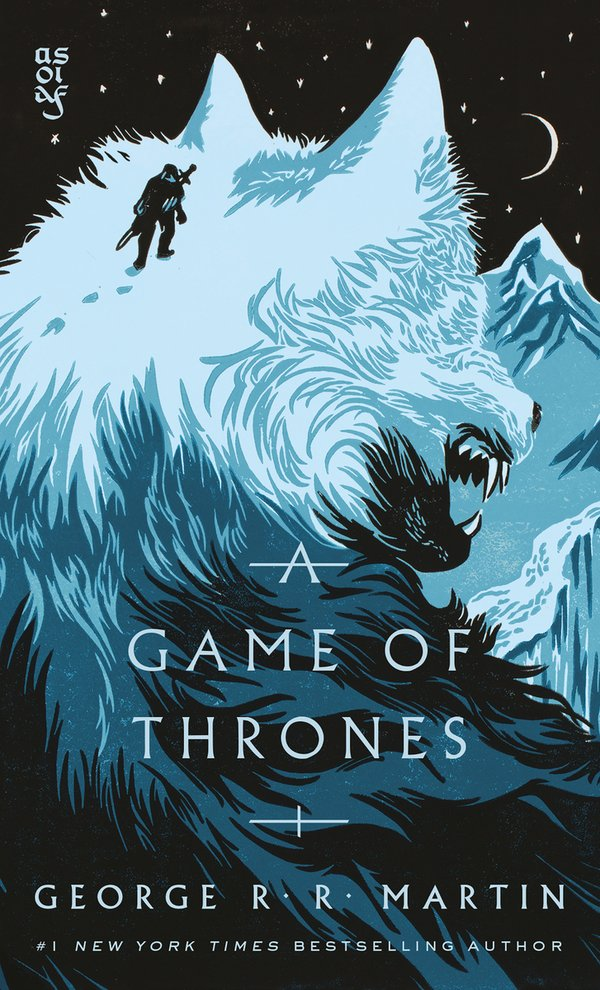
At the end of the day, an elaborate tale of a world created by the author, filled with competing families vying for power and dealing with creatures and magic they don’t understand along the way. One book is enough. Reading the series seems even more painful and unfulfilling than watching the multiple seasons of the TV show.
Cold Mountain by Charles Frazier
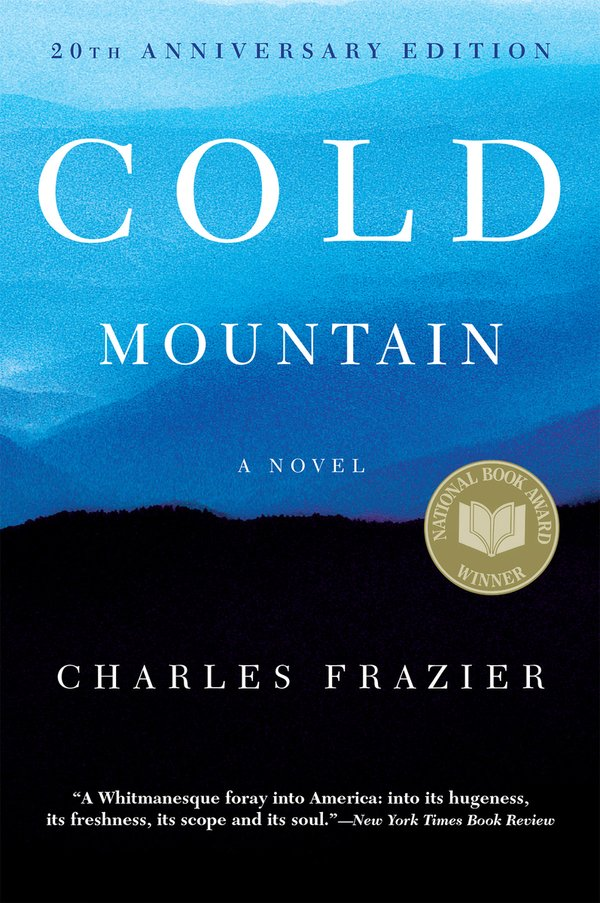
A National Book Award winner, telling the story of a Confederate deserter’s journey home. The war may be ending, but the damage follows him every step of the way. A love story, yes, but also a reminder that coming home is not the same as returning to the life you left.
Angels in America by Tony Kushner
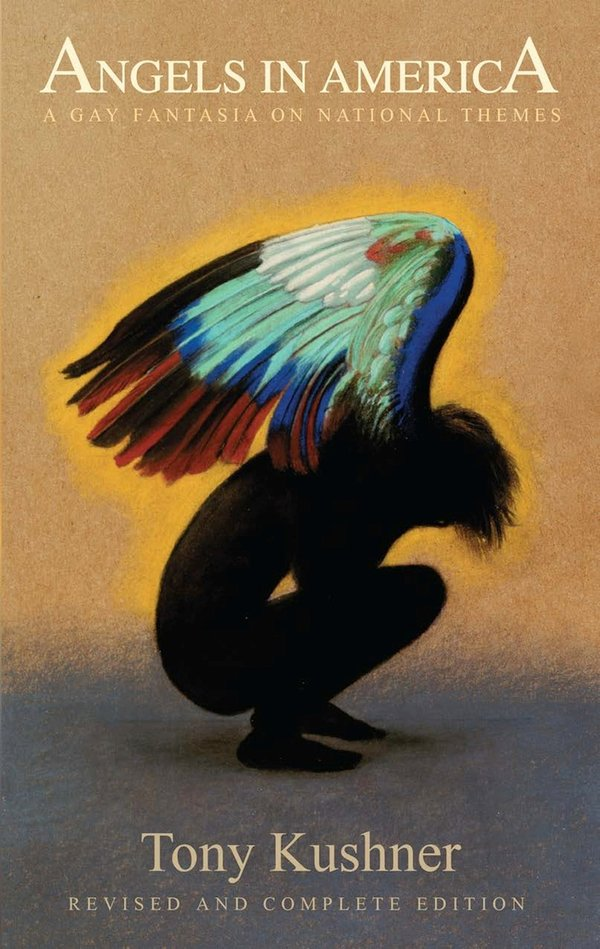
Yes, a play rather than a novel, but it belongs here. Its first part, Millennium Approaches, won the Pulitzer Prize for Drama, and the stage productions and later TV miniseries collected plenty of honors. The AIDS epidemic, heavenly angels, magical realism, and so much more are explored in this enthralling tale.
Angela’s Ashes by Frank McCourt
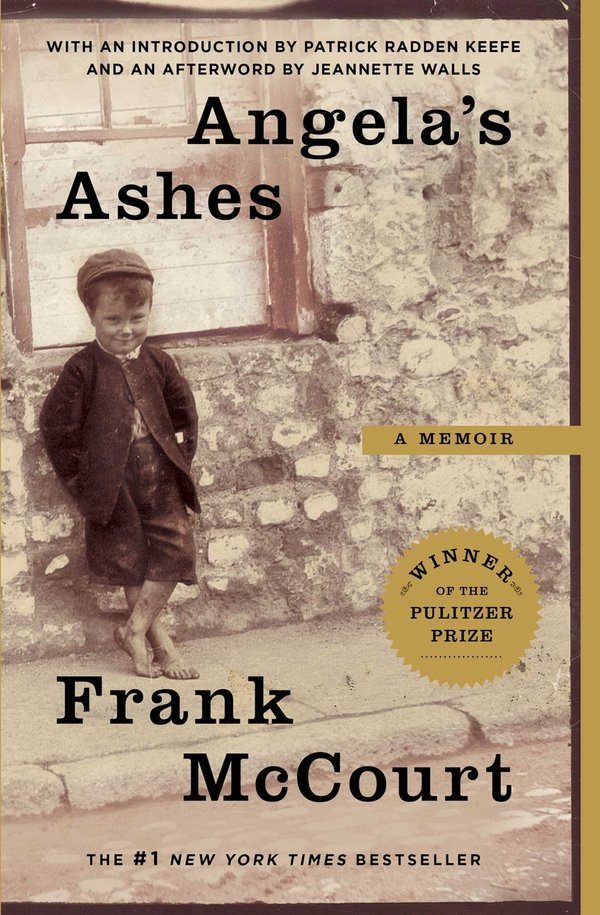
A Pulitzer Prize–winning, deeply affecting memoir of growing up poor in Limerick, Ireland, with an alcoholic father and a mother struggling to keep the family afloat. The hunger and hardship are relentless, but so is McCourt’s humor. At the time, it seemed like everyone I knew was reading this title, which was none too flattering to the Irish city it chronicles.
L.A. Confidential by James Ellroy
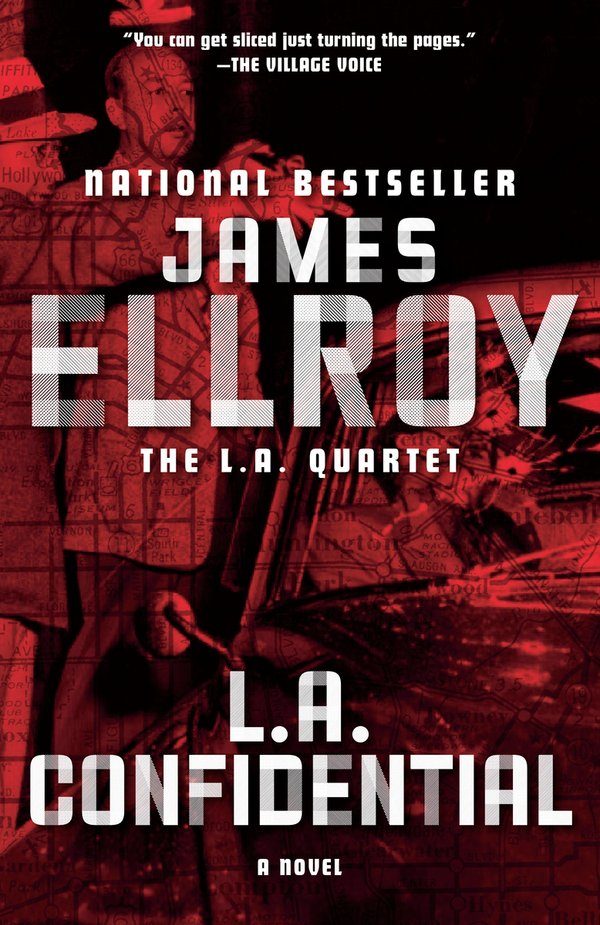
I still remember the F-bomb-strewn acceptance speech Mr. Ellroy gave when he received the USC Scripter Award for L.A. Confidential at the black-tie dinner… I loved the book and the movie, and that's coming from someone who isn't usually a huge fan of police procedurals or mystery novels. The portrait of 1950s Los Angeles, with its emerging celebrity culture and abundant corruption, makes this a great read.
A Thousand Acres by Jane Smiley
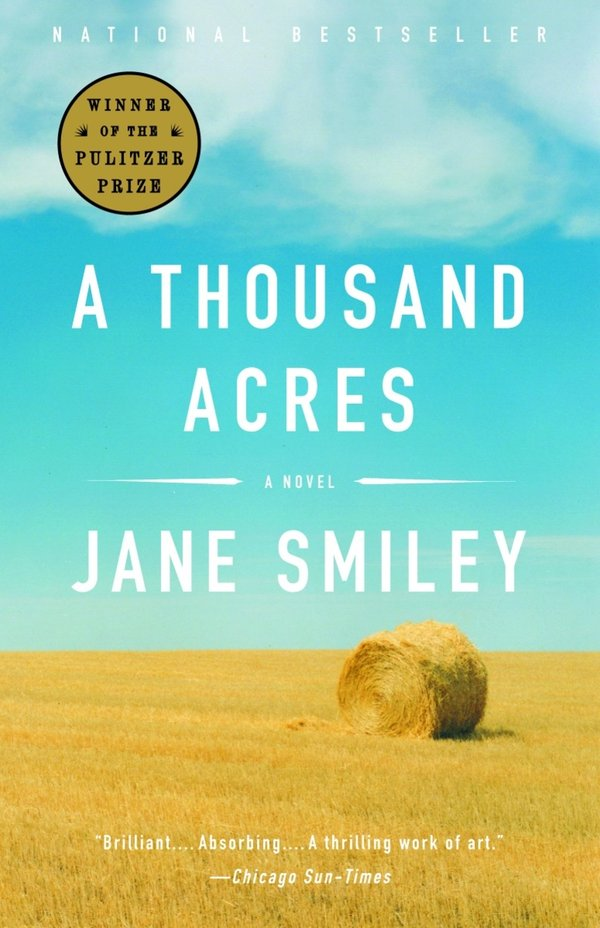
A modern retelling of King Lear. In this Pulitzer Prize-winning version, the head of the family is an Iowa farmer dividing his land among his three daughters. The story explores sexual abuse, industrial farming, and the dark secrets, jealousy, and recriminations of a troubled family. Like Lear, it reminds us of the corrosive nature of family disputes, money, and jealousy.
Dreams From My Father by Barack Obama
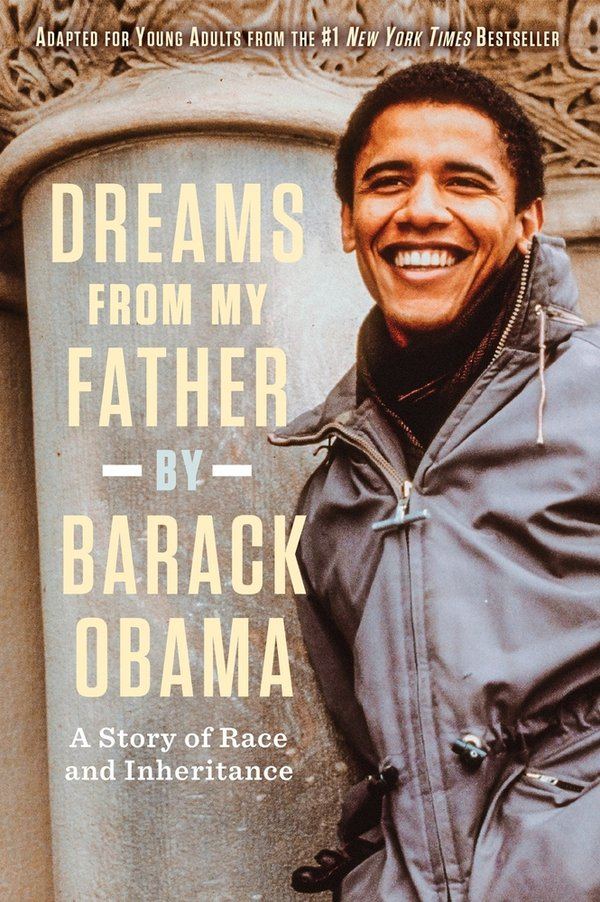
Long before the presidency, there was this memoir. Regardless of your politics, it’s a heartfelt and moving exploration of race, family, and identity.
Tuesdays with Morrie by Mitch Albom
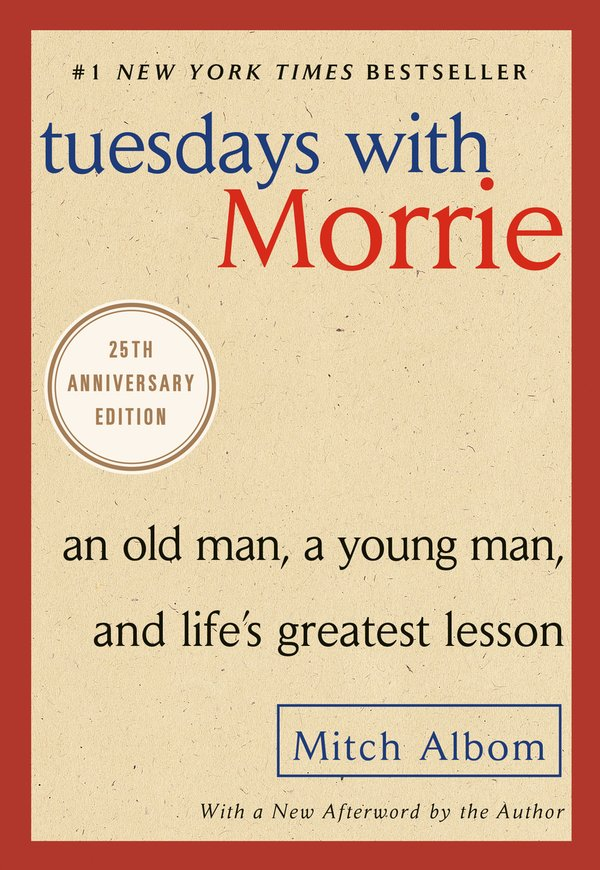
There is something to be said for recognizing the passing of a generation and capturing its experiences and wisdom. This is a moving tribute to a teacher and friend in the final days of ALS (Lou Gehrig’s disease).
Harry Potter and the Sorcerer's Stone by J.K. Rowling
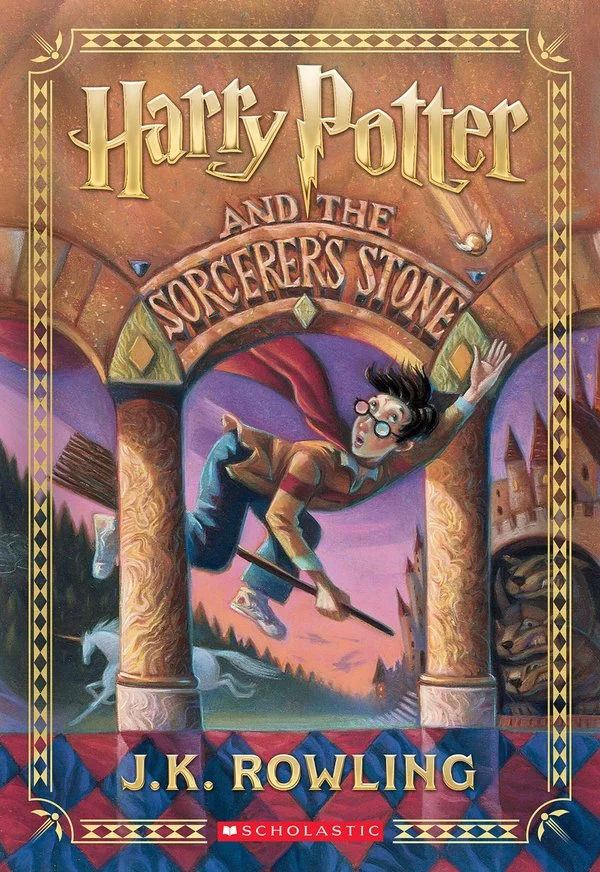
More great storytelling than great literature but it's a genre-defining title nonetheless. The first book introduces Harry’s discovery that he is a wizard; the series follows his life-and-death struggles alongside the ordinary business of growing up. It and its sequels came out as we were raising three kids, so much of this book was read aloud to them late at night.
American Pastoral by Philip Roth
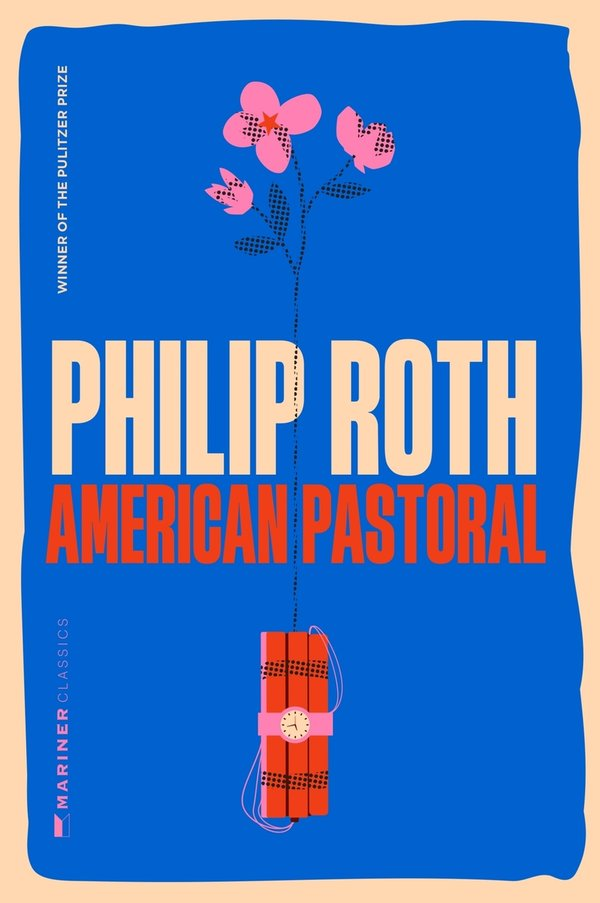
Roth, as always, at his best in telling a story against a societal backdrop — in this case, the ramifications of protest against the Vietnam War. A father’s seemingly idyllic life unravels when his daughter’s radical politics turn violent; the upheaval of the era becomes a family tragedy, and Roth makes us feel both. A Pulitzer Prize winner.
American Psycho by Bret Easton Ellis
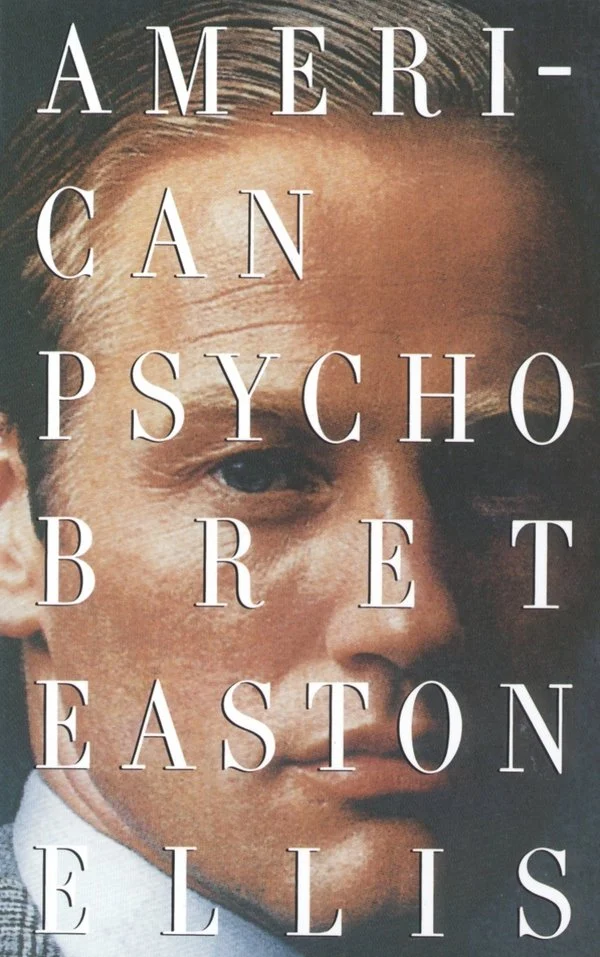
A Wall Street investment banker who may also be a serial killer? Financial success doesn't necessarily breed humanity or rationality, much less normalcy. This one's deeply disturbing, and not a favorite of mine, but certainly an important work.
When he isn’t writing his column Thinking Things Through, Glenn Sonnenberg heads a real estate investment company and serves on several nonprofit boards. A graduate of the University of Southern California, Mr. Sonnenberg also received his J.D. from USC. He began his career as an attorney specializing in real estate and finance. Follow him on Substack here.
