




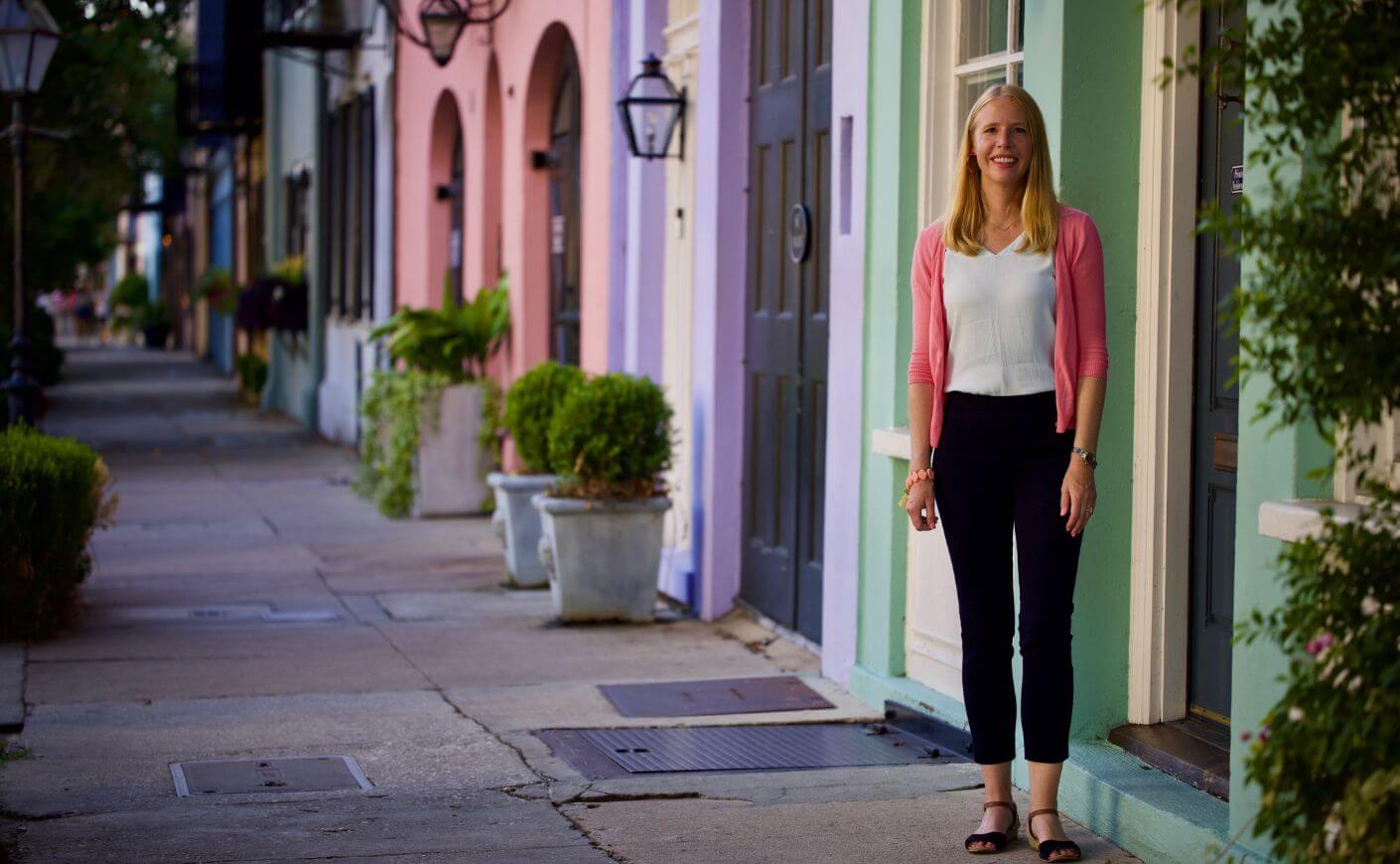
- Choose a backyard road trip for budget-friendly, low-stress fun and surprising discoveries close to home.
- Darley Newman’s Revolutionary Road Trip mixes travel guidance with Revolutionary history, walking tours, and Colonial food and drink.
- Destinations Newman recommends include lesser-known historic towns: New Castle, Princeton, York, Camden, Saratoga, Charleston, Gettysburg, and Carolina regional routes.
- Sample recreated Colonial recipes and local specialties like Cherry Bounce, candlelit taverns, Carolina Gold Rice, and distillery tours.
- Seek untold stories by visiting national park sites, talking with local experts, and supporting research and descendant engagement.
Seeking summer plans that won't break the bank? It might be time to set aside your passport and consider one of the many U.S. history road trips hiding in plain sight. Whether you're exploring your own backyard on a local staycation or hopping over to another state, wandering off the beaten path can offer low-stakes fun and plenty of freedom — and a way less stressful trip than joining the crowds at the hottest tourist destinations.
And where better to find inspiration for your journey than Revolutionary Road Trip? The new book by PBS personality Darley Newman is part U.S. travel guide, part history of the American Revolution. Newman hit the road to discover iconic sites, fantastic walking tours, and Colonial-era food and drinks. To celebrate America's 250th anniversary, she talked to us about some of her favorite lesser-known destinations rich in Revolutionary history and broader American history. Whether you're planning a simple day trip from New York City or you're game to delve deep into the Carolinas, Newman has tips for making the most of small towns, major cities, and everything in between.
KCM: What defines a great American road trip to you?
Darley Newman: One of my favorite things to do on any American road trip is to get off the beaten path. And with airfares being expensive right now, I do recommend traveling in your own backyard. Right now, I'm an hour from New York City on the Hudson River — you could take the train up here. You don't have to go far to discover something new.
What are lesser-known historic U.S. cities you would recommend for people who have already been to Philadelphia or Washington, D.C.?
I would recommend New Castle, Delaware. It's gorgeous and full of historic buildings and national park sites. You can walk through the city and feel like you've stepped back in time. There's a great Colonial tavern you can visit, where there are more than 100 kinds of beer to try, and they have a shepherd's pie that's the size of your head. So you can experience all this interesting history, then eat and drink like you're back in that time period. Plus, part of the Washington-Rochambeau National Historic Trail runs through New Castle, just outside Wilmington, Delaware. So it's not far from Philadelphia and is even accessible from New York City.
Princeton, New Jersey, isn't a major city, but the history there is awesome. Princeton University is an Ivy League school, of course, and Alexander Hamilton was also involved in a battle on campus. Plus, Princeton was a provisional capital of the U.S. for a brief time. So that's another place that has a lot of really interesting history.
York, Pennsylvania, is also flying under the radar. If you love architecture, there's a guy there named Blake Gifford who gives local tours. He lives and breathes York's architecture, and he can take you on a walk through time.

Camden, South Carolina, is another great site. It's the home of the Boykin Spaniel; many people own and breed those dogs in the area. So if you want to see cute dogs, eat great food, and visit a battlefield, Camden is great.
Where can travelers find Colonial-era or historic food and drinks on a Revolutionary War or American history road trip?
Eichelberger Distillery in York County, Pennsylvania. It's a reproduction of a historic distillery, recreated with such authenticity. The people working there make recipes from the Colonial period. So you can taste Martha Washington's Cherry Bounce — it's a liqueur that George Washington loved, and they're accurately reproducing it.
If you really love food, Charleston, South Carolina, is one of my favorite cities. In Charleston, there's a restaurant called The Grocery, where chef Kevin Johnson uses heirloom ingredients like Carolina Gold Rice, which was popular during the Colonial period.
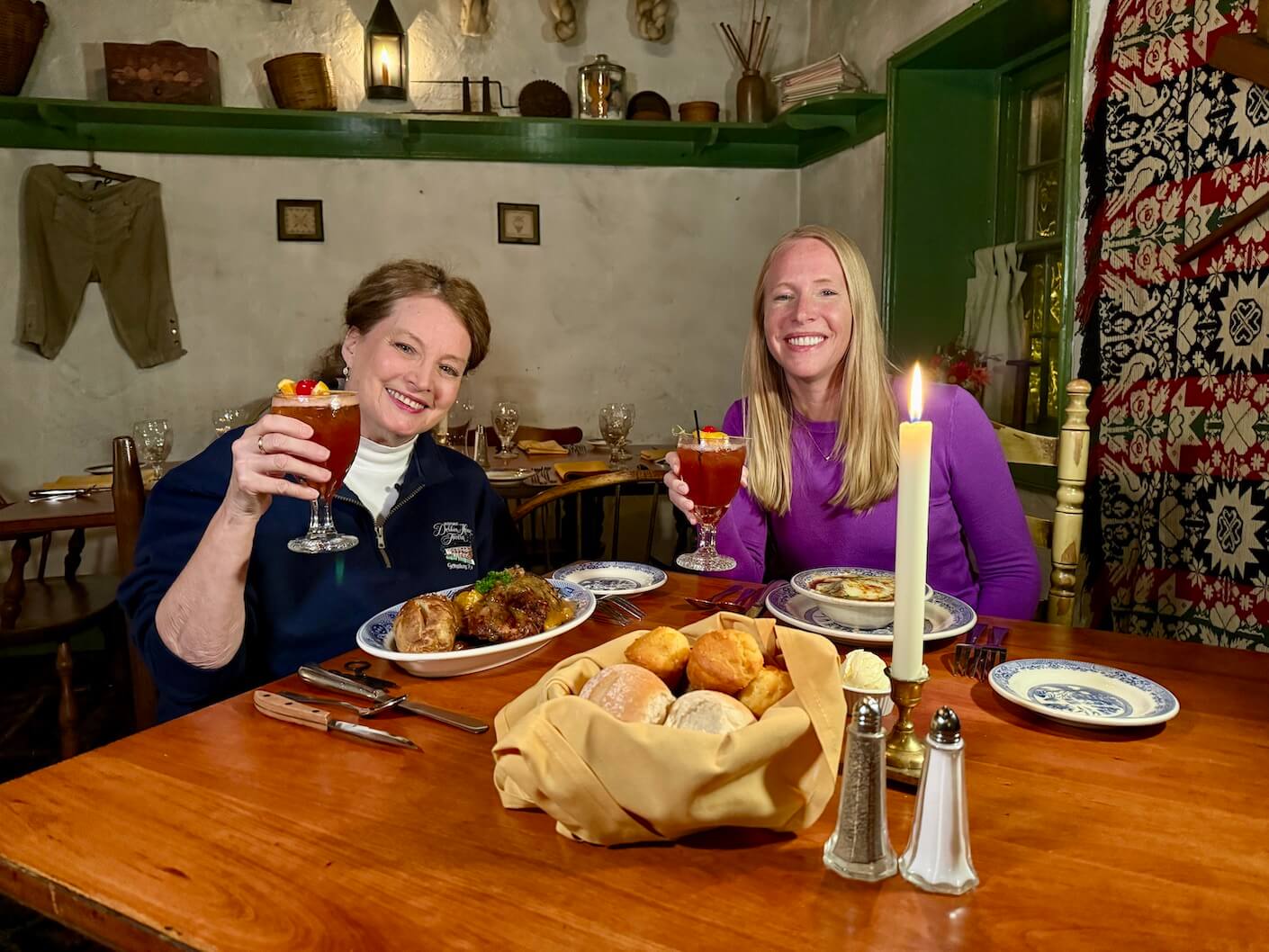
I was also in Gettysburg, Pennsylvania. While Gettysburg was not a hotbed for the American Revolution, there is a historic home there that has been a tavern for many years — it's called the Dobbin House, and they serve food and drinks from the Colonial period. It's all candlelit, and the woman who owns it has been running that place for decades — she has a keen interest in sharing its history through food and drinks. They serve Rum Bellies Vengeance, which is a very strong rum cocktail from the Colonial era.
What Revolutionary War or American history road trip route would you recommend?
You could do New York City to Saratoga, New York — that would be an awesome one. There's history around every corner in Saratoga, including Saratoga National Historical Park.
You could also start in Saratoga, go through New Jersey, go down through Pennsylvania and Delaware, then go down through North Carolina, and end in South Carolina. You could take it state by state, too: The North Carolina route is really easy, and you could do that in a matter of days. And then if you want to continue, the Upcountry of South Carolina [the mountainous northwestern corner of the state] is absolutely amazing for this type of history. There are three national park sites there, and there are state park sites, too.
Your book highlights contributions from enslaved people, artisans, and ordinary citizens. How can travelers learn about lesser-known figures of American history?
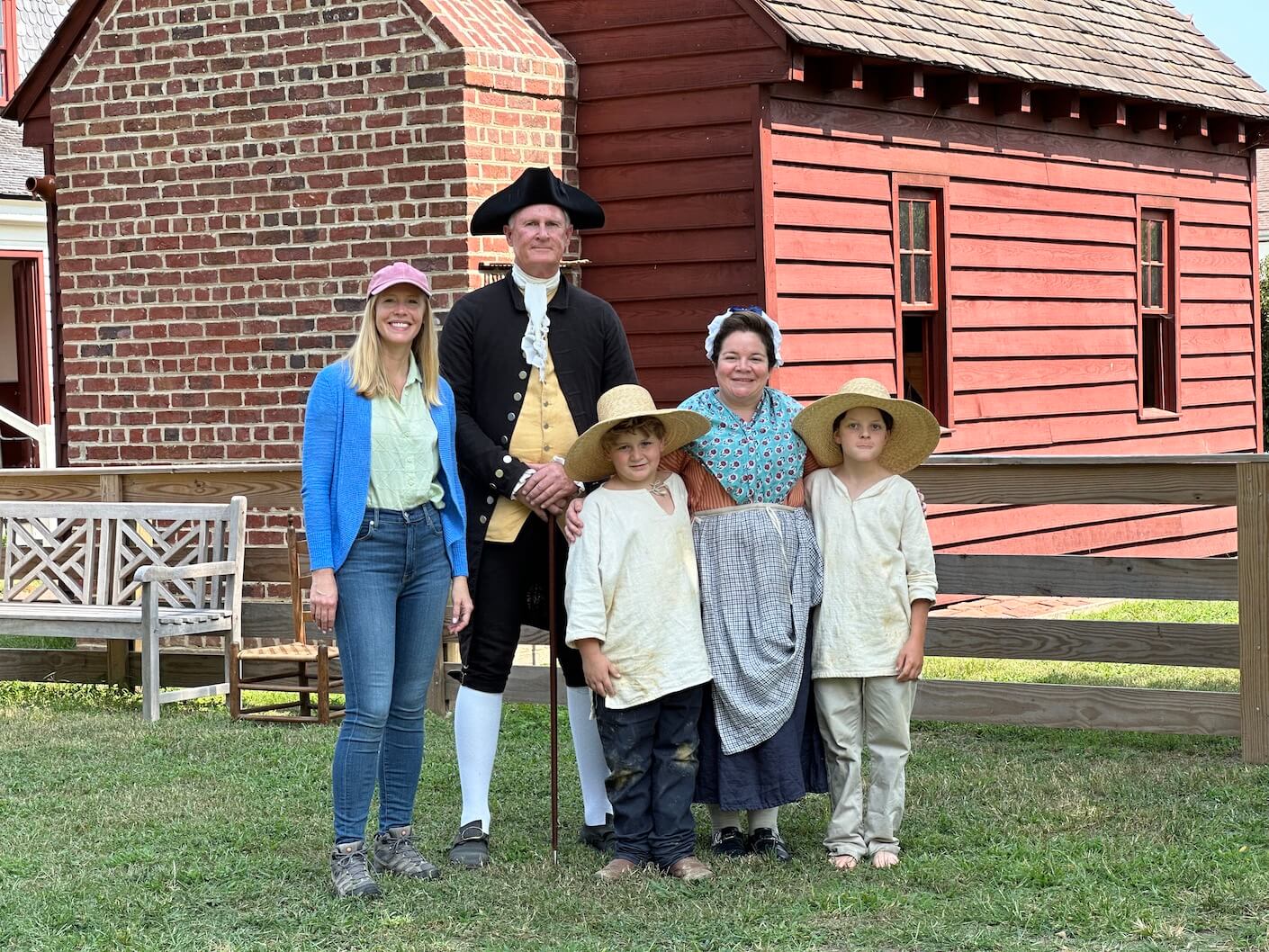
At many of these national park sites, historic homes, churches, and battlefields, there's ongoing research into the people who once lived there. The John Dickinson Plantation in Delaware, for instance, has only recently found an African American burial ground on the property. They're deciding how this site will be commemorated, and they're engaging descendants in the process.
Find local experts and take the time to tour when you visit a national park site or a historic home. Talk to the proprietor or even your server when you're at a restaurant. People are more than willing to share about their communities if given the chance. And that helps us all open our eyes to the past and the present.