






Exercise and a healthy diet can reduce your risk of chronic diseases and cancer. So can avoiding harmful chemicals.
Common household products — from cleaning supplies to carpet pads — contain chemicals that leach into our air and household dust. Many of these chemicals are endocrine disruptors that interfere with the body’s hormones and contribute to health problems like asthma, fertility issues, thyroid disease, and cancer.
“People are often surprised to learn that chemicals can affect our bodies in ways that are similar to well-established risk factors for cancer and other diseases,” says Dr. Robin Dodson, an exposure scientist at Silent Spring Institute.
Because these chemicals can be found in places you least expect, knowing how to avoid them can be a challenge. Dodson and her colleagues at Silent Spring have spent decades measuring endocrine disruptors in people’s homes to find practical ways to reduce exposures. We asked her about the most common sources and what advice she gives people who want to create a healthier home.
Can you explain the main ways people are exposed to harmful chemicals at home?
Dodson: One way would be through direct contact with a building material or consumer product that contains PFAS, flame retardants, pesticides, phthalates, or other chemicals of concern. But we can also be exposed indirectly. Chemicals in our furniture, for instance, can migrate out and enter the dust and the air we breathe.
How do we stop these chemicals from entering our homes in the first place? What should people consider when shopping for things like building materials?
Dodson: One basic thing I always suggest is to remove your shoes at the door. It’s easy and a lot of different chemicals can ride in on the soles of our shoes!

When it comes to selecting things like building materials and home furnishings, I recommend avoiding vinyl flooring and wallpaper, since they likely contain phthalates. It’s generally good to steer clear of vinyl, which can be found in window shades, mattress protectors, and shower curtains. I’d also avoid wall-to-wall carpeting and rugs that have adhesive backing or recycled foam pads. Recycling is great, but unfortunately recycled carpet padding can contain flame retardants.
For wall paint, choose low-VOC and APE-free options. Since phthalates and PFAS can also be found in paint, I often recommend purchasing brands that are certified by a reputable third party like Green Seal.
Should I be worried about my couch?
Dodson: If you bought it more than five years ago, probably. Flame retardants used to be a required additive for couches and other upholstered furniture. The good news is that changes in regulations have made it much easier to purchase furniture without them. My colleagues and I have done research showing that choosing furniture without flame retardants makes a real difference: When participants in our studies swapped out their old couch for a new one free of flame retardants, levels of the chemicals in their household dust and in their bodies went down.
If you’re not ready to part with your old sofa, replacing the foam cushions can be just as effective. And when you do shop for new upholstered furniture, make sure to look for a tag that says no flame retardants have been added.
One more tip: Skip stain resistant treatments, like Scotchgard. These products likely have PFAS, a class of harmful and extremely persistent chemicals used to repel stains and water. I generally recommend avoiding products that are labeled stain- or water-resistant whenever possible.
What about cleaning?
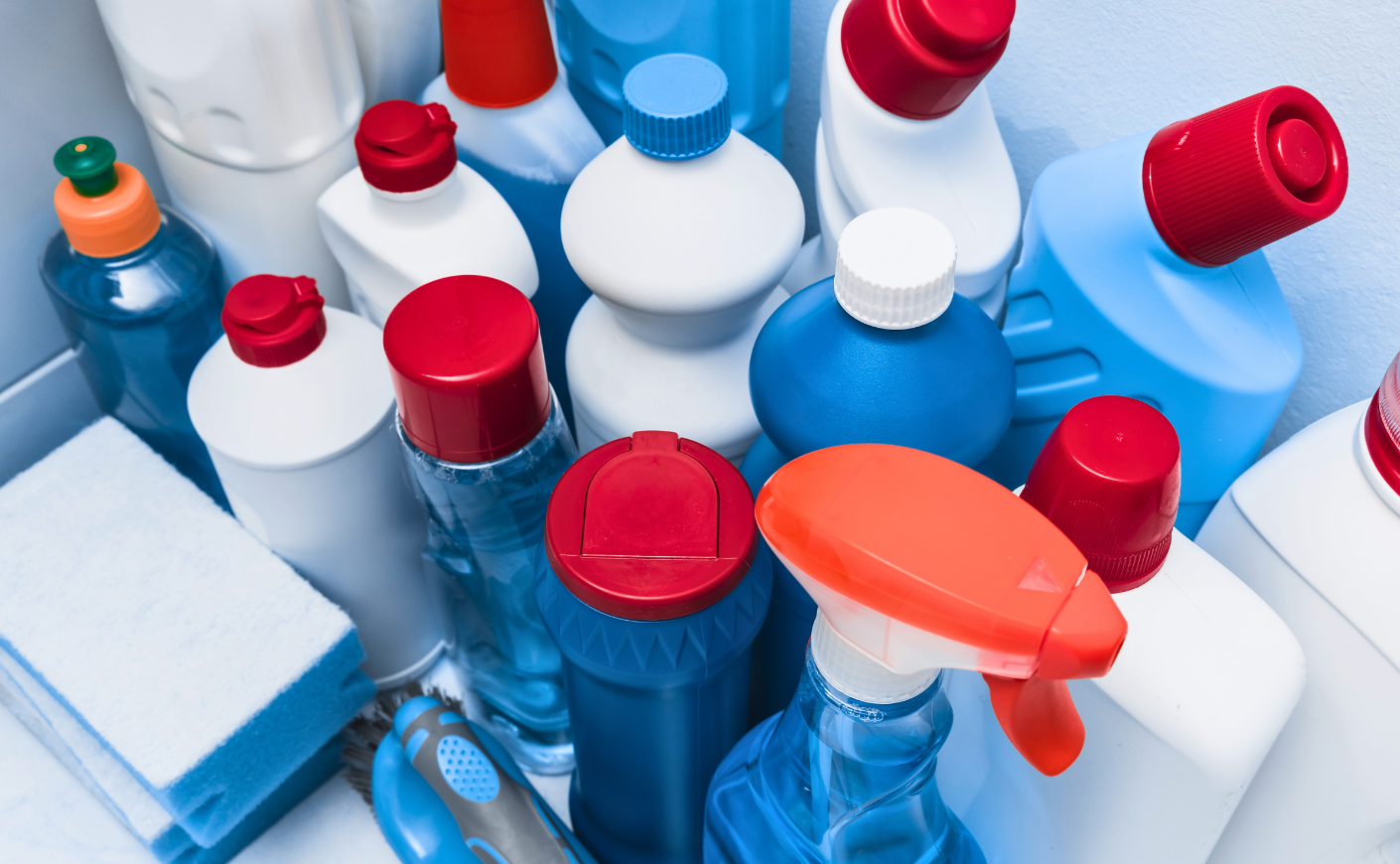
Dodson: A lot of cleaning products have some kind of fragrance, which can be a source of phthalates. They can also contain harsh chemicals like disinfectants, solvents, and preservatives. For routine cleaning, I often tell people to take a simpler approach — clean like your grandma — with basic ingredients. Vinegar, baking soda, and water are safe and effective and can handle most cleaning tasks without introducing unnecessary chemicals into the home.
Another important cleaning tip is to make sure to clean up food spills and crumbs promptly. That way, you won’t attract pests, and you’ll be less likely to need pesticides. This is especially important because ingredients in pesticides can be toxic, particularly for children and pregnant women. Keep food in airtight containers, properly store trash, and fix leaking pipes. If you need to use pesticides, choose baits and sticky traps rather than sprays, and hire a professional who uses integrated pest management.
Once I’ve decided to purchase safer products, do I just throw my old ones out? What about my couch, for example?
Dodson: That’s a tough one. While I'm concerned about chemical exposures, I’m also an environmentalist. I have a couch in my house that likely has flame retardants in it. I bought it in 2008 and I'm not getting rid of it yet. But when it does wear out, I’ll make sure to replace it with a couch that doesn't have added flame retardants. You don’t have to toss everything out immediately.
What are your top three tips for people looking to make their homes healthier?
Dodson: I like actions that give you the most “bang for your buck,” meaning they reduce exposures to a lot of different chemicals at once. One of the most effective is keeping dust levels low by vacuuming weekly with a HEPA filter vacuum, because dust is a major reservoir for a wide range of chemicals.
Good ventilation is also important. Always run your stove vent when cooking. High-heat cooking with oils can produce polyaromatic hydrocarbons, or PAHs. These are known carcinogens that pollute indoor air. If your kitchen fan doesn’t vent to the outside, use a regular fan to blow air outside through a window.
My third tip is wash your hands before you eat. This is especially important for children. Research shows that washing kids' hands before mealtimes can significantly reduce their exposure to flame retardants.
The number of harmful chemicals that surround us can feel overwhelming. What’s your advice for people who are anxious and don’t know where to start?
Dodson: Awareness is important. But know that there are feasible, low-cost ways to protect yourself like the ones I’ve just mentioned, plus many others that are available on our healthy living app, Detox Me. Keep in mind that every small step you take reduces your exposure and reduces your risk of health problems later on. Also, when people choose safer products, it sends a signal to the market and encourages companies to offer better alternatives. That means individual actions can add up to have a much larger impact.
Get Silent Spring’s 10 Tips for Healthy Home.
Dr. Robin Dodson is a senior scientist at Silent Spring Institute, an independent scientific research organization that investigates the links between the environment and women’s health. Her research focuses on indoor air quality, consumer products, and ways people can lower their exposure to harmful everyday chemicals. She holds appointments at Boston University School of Public Health and the Harvard T.H. Chan School of Public Health.
