






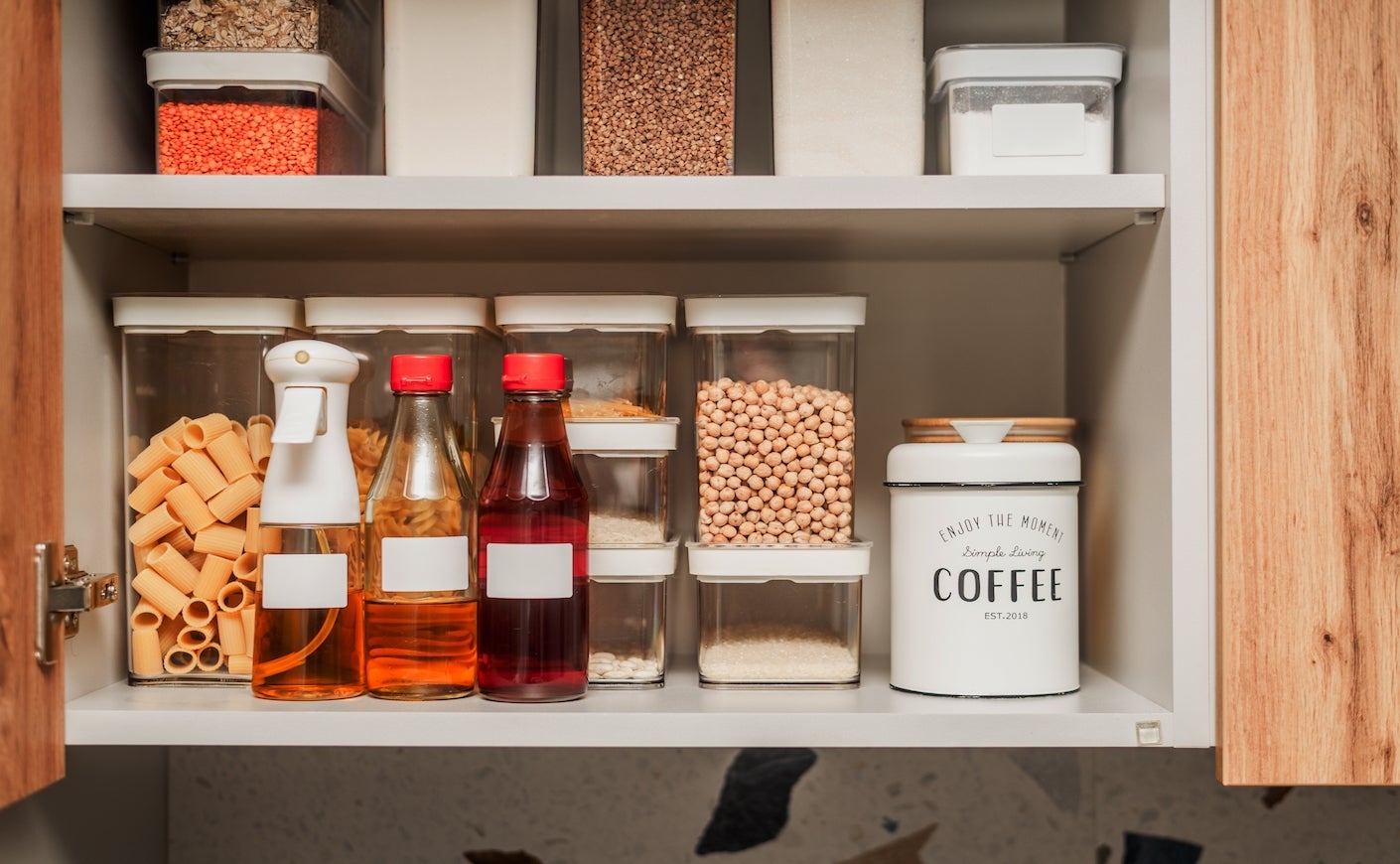
I spent years eating what I thought was healthy food: Made with whole grains. Heart healthy. Natural. They all looked clean on the front of the package — but the ingredient label told a completely different story.
After being diagnosed with Crohn's Disease in 2018, trying countless medications, and even having part of my intestine removed, I dove deep into ingredients to avoid putting anything into my body that would flare up or worsen my symptoms. What I found changed the way I shop, cook, eat, and live my life. And the biggest lesson? It's rarely the obviously "bad" stuff that gets you. It's the everyday pantry staples hiding in nearly every kitchen in America.
Here are 10 of the most-used unhealthy ingredients — and the healthy swaps that actually make a difference.
10 Healthy Ingredient Alternatives
Cooking oils
Canola, soybean, and corn oil are in almost everything, from restaurant food to home cooking. These seed oils are highly refined and high in omega-6 fatty acids. Some research suggests that when omega-6 fatty acid intake is very high relative to omega-3 intake (which you can get from seafood or supplements), it may change how your body starts, controls, or reduces inflammation — basically how your immune system responds when something irritates or harms your tissues. While the relationship between omega-6 fats and inflammation is still being studied, you can swap your seed oils for avocado oil and grass-fed ghee for high-heat cooking, and grass-fed butter or extra-virgin olive oil for everything else.
Sweeteners
High fructose corn syrup, cane sugar, and artificial sweeteners like sucralose and aspartame show up in places you'd never expect — salad dressings, bread, pasta sauce, and yogurt. But their ubiquity doesn't necessarily mean they're safe. In 2023, the World Health Organization found that aspartame could be a carcinogen. Plus, a 2023 study linked the sugar alcohol, erythritol, to an increased risk of heart attack and stroke — and erythritol often bulks up Stevia, monk fruit-sweetened products, and reduced-sugar products. As for cane sugar and high-fructose corn syrup, a 2021 study found that both sweeteners increased the risk of fatty liver disease and decreased insulin sensitivity, a risk factor for Type 2 diabetes. Because of all this data, I feel better eliminating high-fructose corn syrup, cane sugar, and artificial sweeteners from my diet.
When I need a sweetener, I reach for raw honey instead. It's still sugar, so don’t overdo it, but at least honey contains tiny micronutrients that help maintain your overall health. Watch out for anything labeled "sugar-free" — that usually just means it's been swapped for something artificial.

Salt
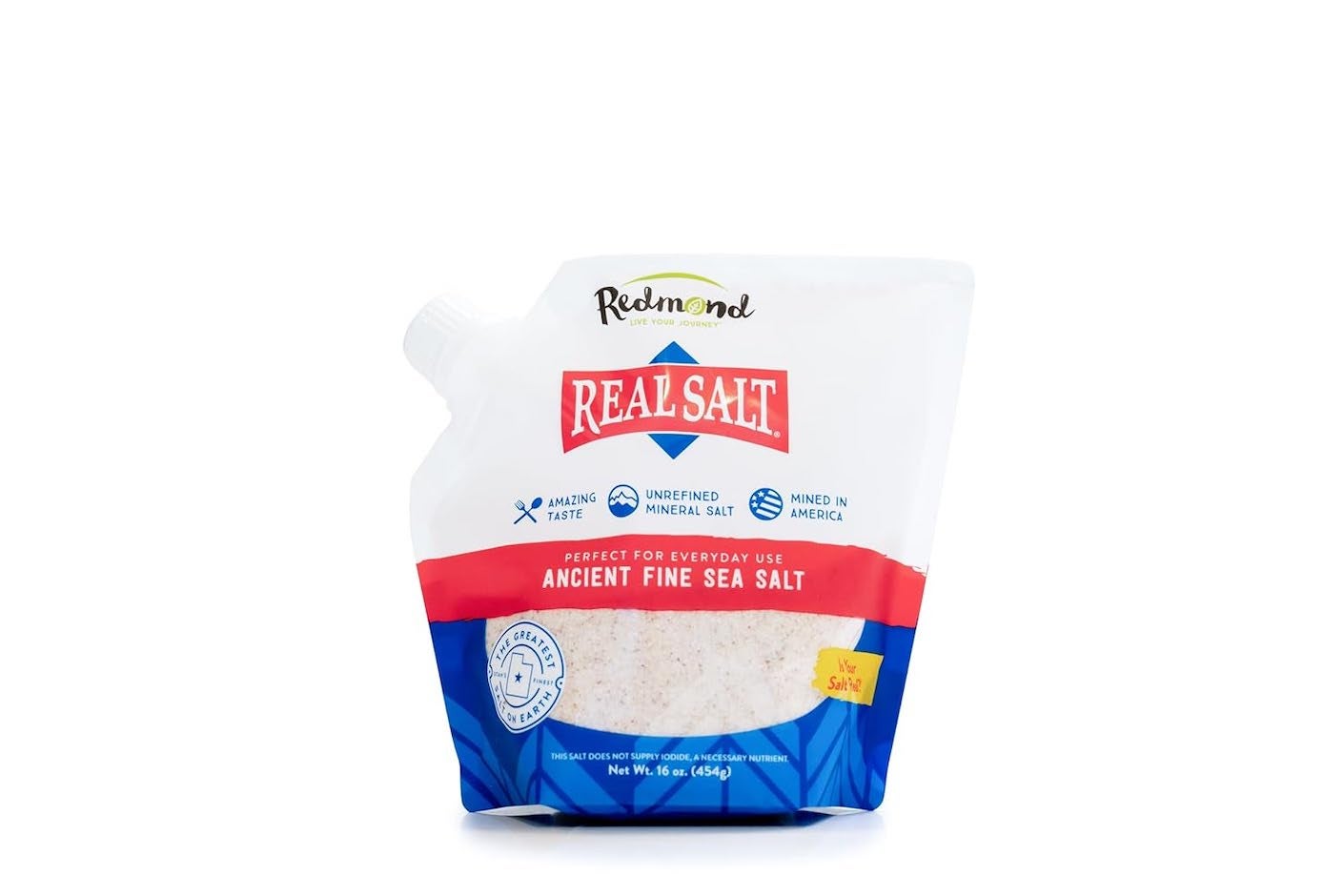
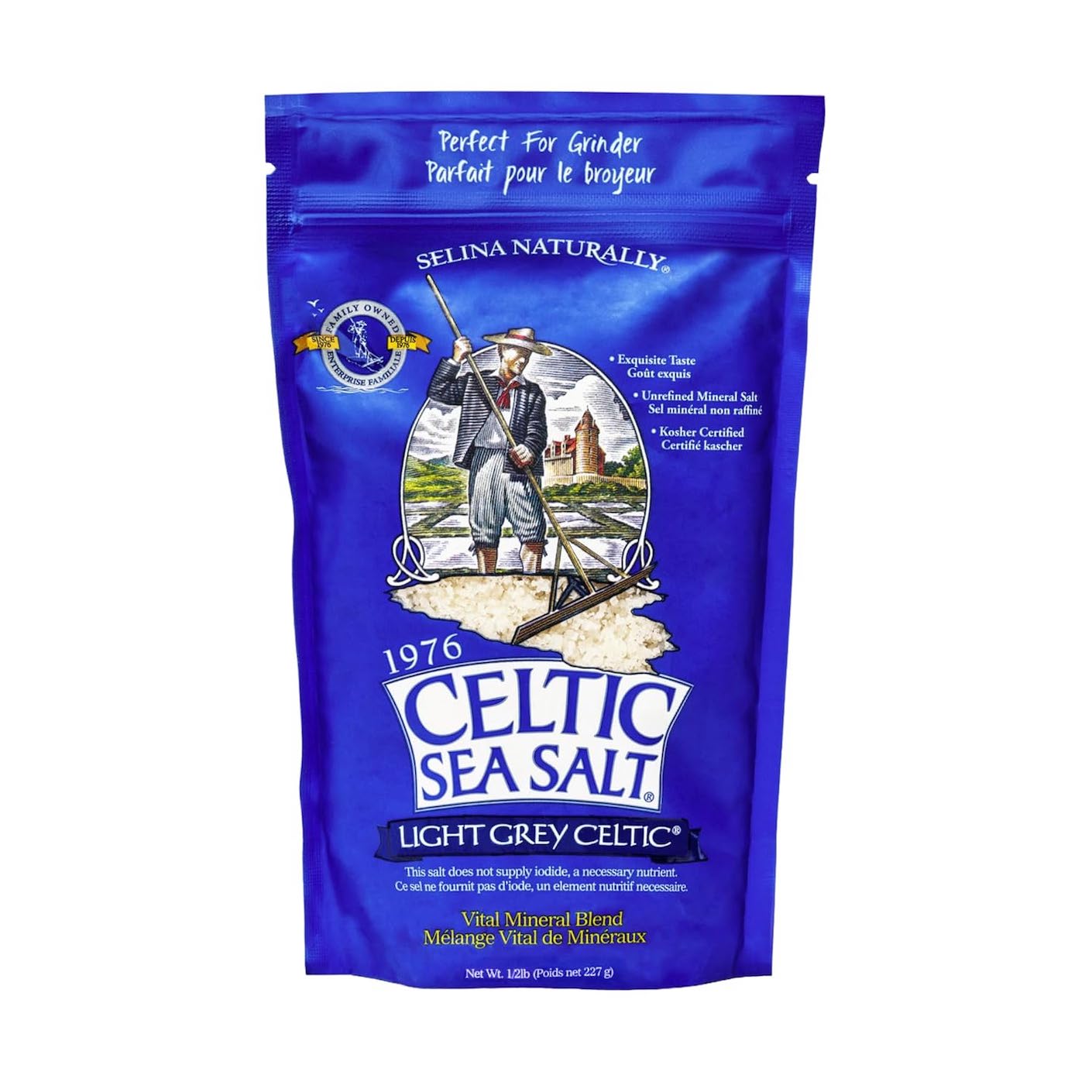
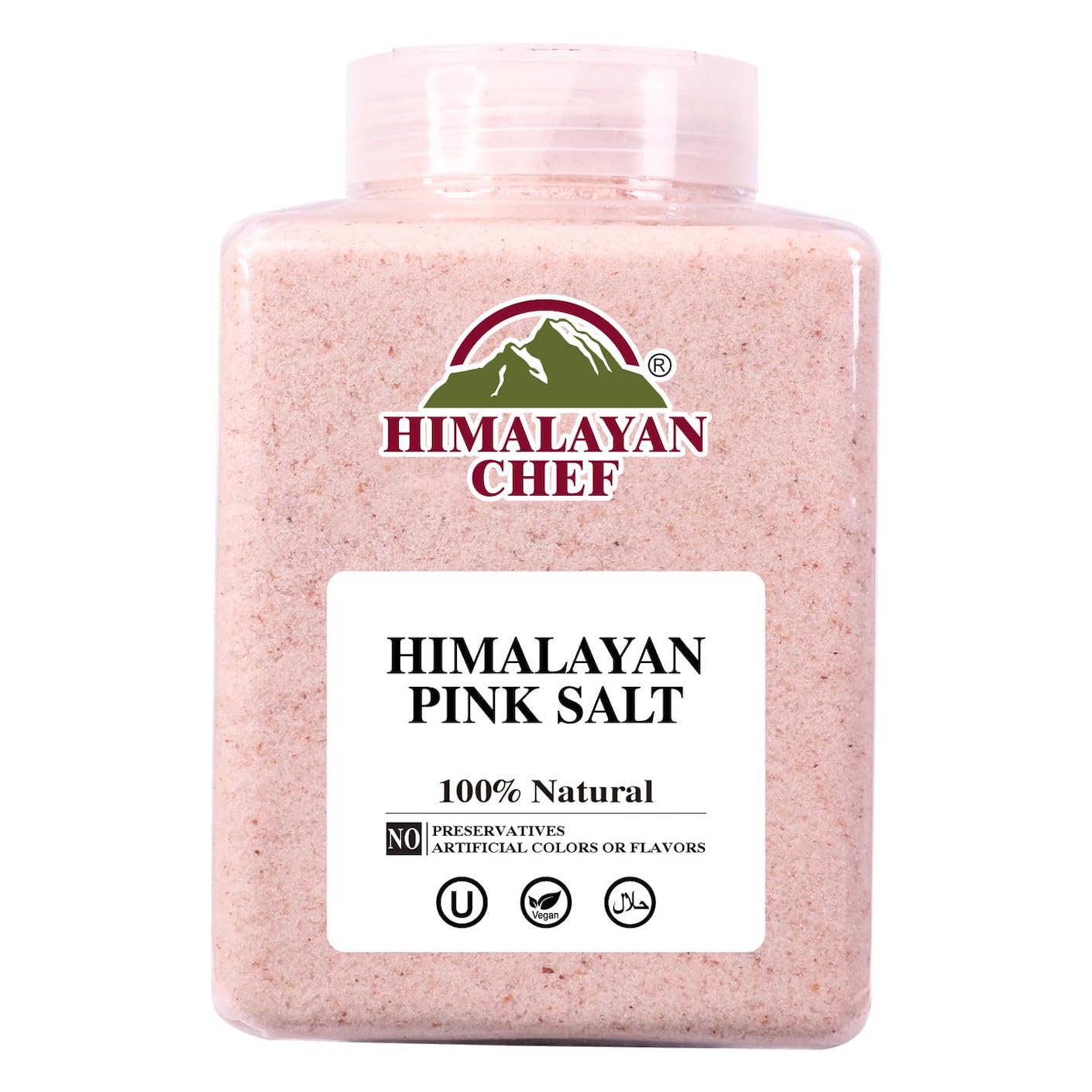
Regular table salt is stripped of its naturally occurring minerals and often contains anti-caking agents and additives; a 2023 study found that some nanoparticles in anti-caking agents may negatively affect the way your intestines function. The fix here is almost too easy. Swap it for Redmond Real Salt, Celtic Sea Salt, or Himalayan pink salt. All of these are unrefined and may contain trace minerals that actually support your body. The cost difference is minimal, making it the easiest swap on this list.
Peanut butter
Flip over a jar of Jif or Skippy, and you'll find fully hydrogenated vegetable oils, which are industrial oils that food manufacturers use to make cheap, shelf-stable products. But these oils are also packed with artificial trans fats — and in 2015, a large body of research showed artificial trans fats significantly increase the risk of heart disease, heart attacks, and stroke. That year, the FDA released its final determination that Partially Hydrogenated Oils are not Generally Recognized as Safe (GRAS).
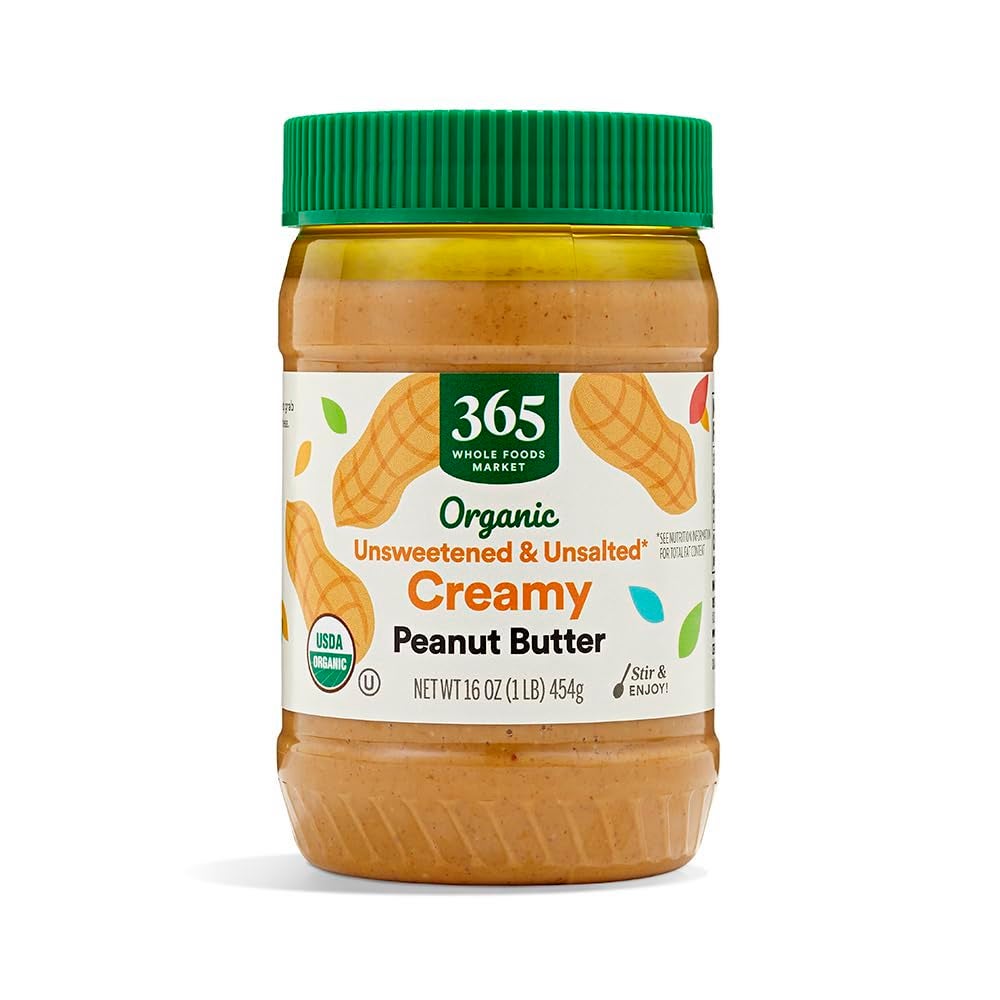
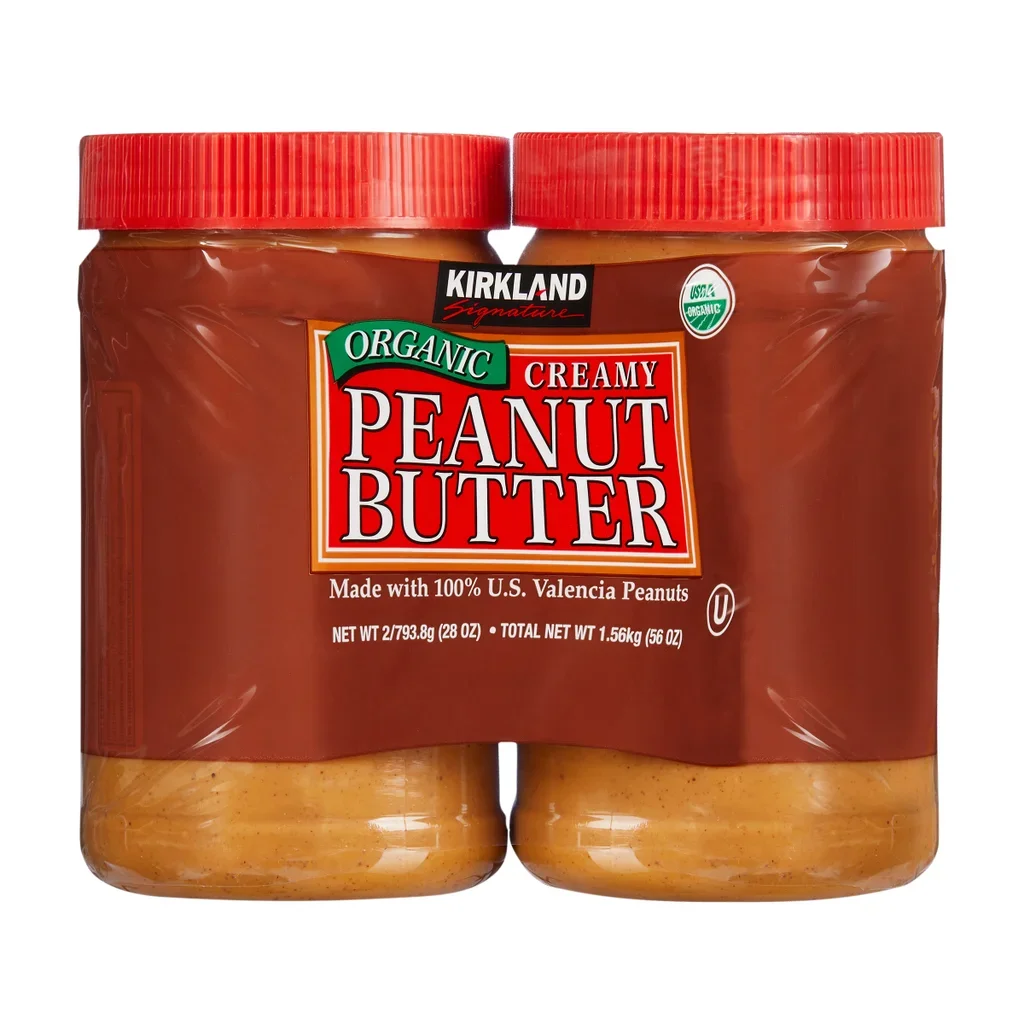
This swap doesn't even require a specific brand — just look for peanut butter made only from peanuts, with maybe some salt. That's it. Whole Foods 365, Trader Joe's, and Kirkland all make their own versions. It takes two seconds to check, and you'll never go back!
Bread
Most sandwich bread — even the stuff marketed as "whole wheat" or "multigrain" — contains added sugars, soybean oil, dough conditioners, and preservatives to extend shelf life. I'm not comfortable consuming all of these additives; in my opinion, a real loaf of bread needs only four ingredients: flour, water, salt, and yeast.
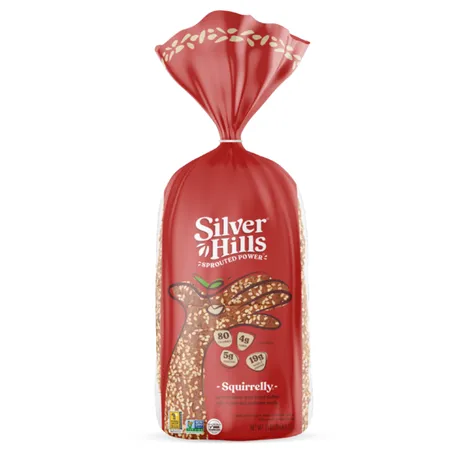
Look for sourdough from a local bakery or brands like Ezekiel or Silver Hills that have sprouted wheat bread options. A 2019 study found that sourdough bread may be more digestible; another 2019 study found that sprouted grains appear nutritionally promising because germination alters grains in ways that may improve nutrient availability. (That said, researchers called for more real-world studies on the benefits of sprouted grains.)

Yogurt
Flavored yogurts are essentially desserts, since most are loaded with added sugar. Swap to organic plain whole-milk Greek yogurt — which has high nutrient density — and add your own toppings like fresh fruit and raw honey. Brands like Maple Hill, Stonyfield Organic, or Alexandre Farms are great options.
Chips
Most conventional chips are coated in maltodextrin, which may cause intestinal inflammation. Plus, chips are classified as an ultra-processed food (UPF) because they're processed using industrial techniques that strip food of nutritional value. A 2025 review on the effects of UPFs concluded that there's consistent evidence linking ultra-processed food intake to a higher risk of obesity, heart disease, and type 2 diabetes. The authors of this review point out that most of this evidence is observational — there's a strong association, but no one has proven direct cause-and-effect yet. Still, I'd skip the gas station chips for the time being.
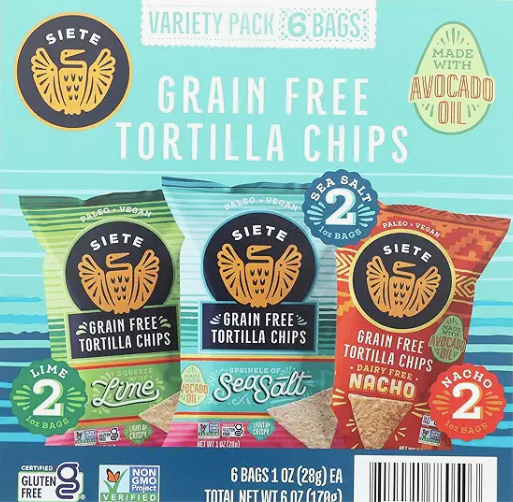
The better option isn't to give up chips entirely — that would be far too difficult for any crunch-craving person — it's to find "cleaner" ones. I like Siete brand chips because they're made with avocado oil, which is chock full of antioxidant-rich nutrients that may improve eye, heart, and skin health. You'll get the same satisfying crunch, without the mystery of what the snack might be doing to your body.
Salad dressing
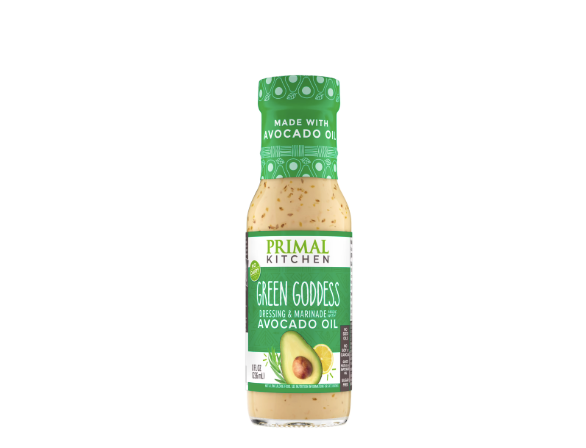
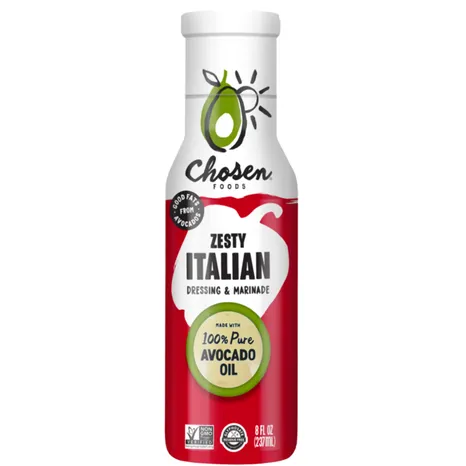
Bottled salad dressing is one of the sneakiest sources of seed oils in most kitchens — and as I've mentioned, a diet high in these oils may change how your body starts, controls, or reduces inflammation. The easiest fix is to make your own dressing: olive oil, lemon juice or apple cider vinegar, salt, and whatever herbs you like. It takes 60 seconds. If you want a store-bought option, Primal Kitchen and Chosen Foods make dressings that are genuinely clean and taste great.
Ketchup
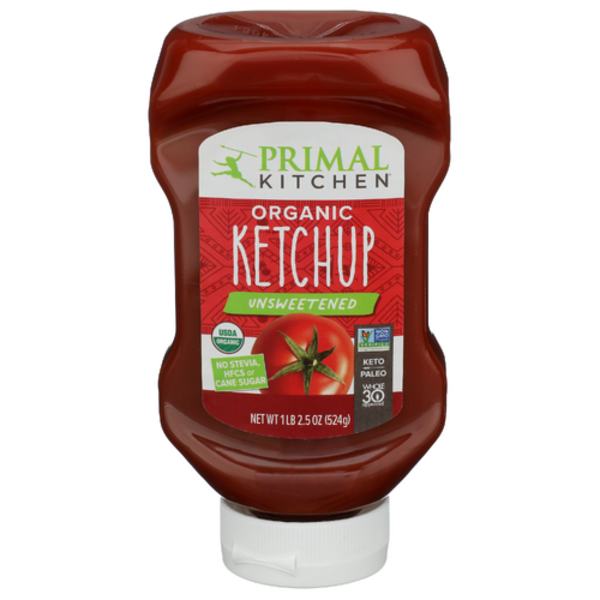
Flip over a bottle of Heinz, and you'll find high-fructose corn syrup, which a 2021 study linked to increased insulin resistance. For a condiment most people don't think twice about, you can easily have 8-12g of added high-fructose corn syrup with your meal. Primal Kitchen ketchup skips the added sugar entirely and uses a touch of balsamic for sweetness.
Protein powder
"Natural flavors" is one of the most misleading terms allowed in food labeling. It's a catch-all phrase that can legally include hundreds of synthetic compounds. Most protein powders lean heavily on it, along with artificial sweeteners, gums, and emulsifiers. A 2024 study on mice linked some emulsifiers to higher blood sugar, higher insulin levels, and insulin resistance.
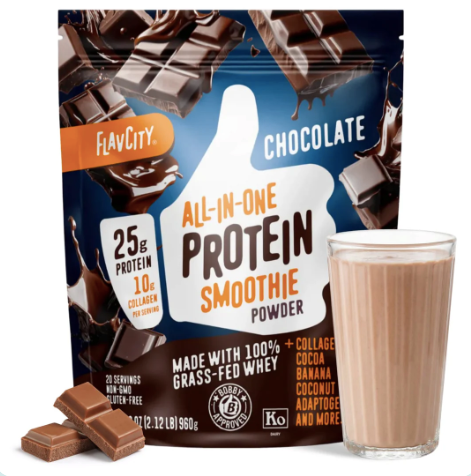
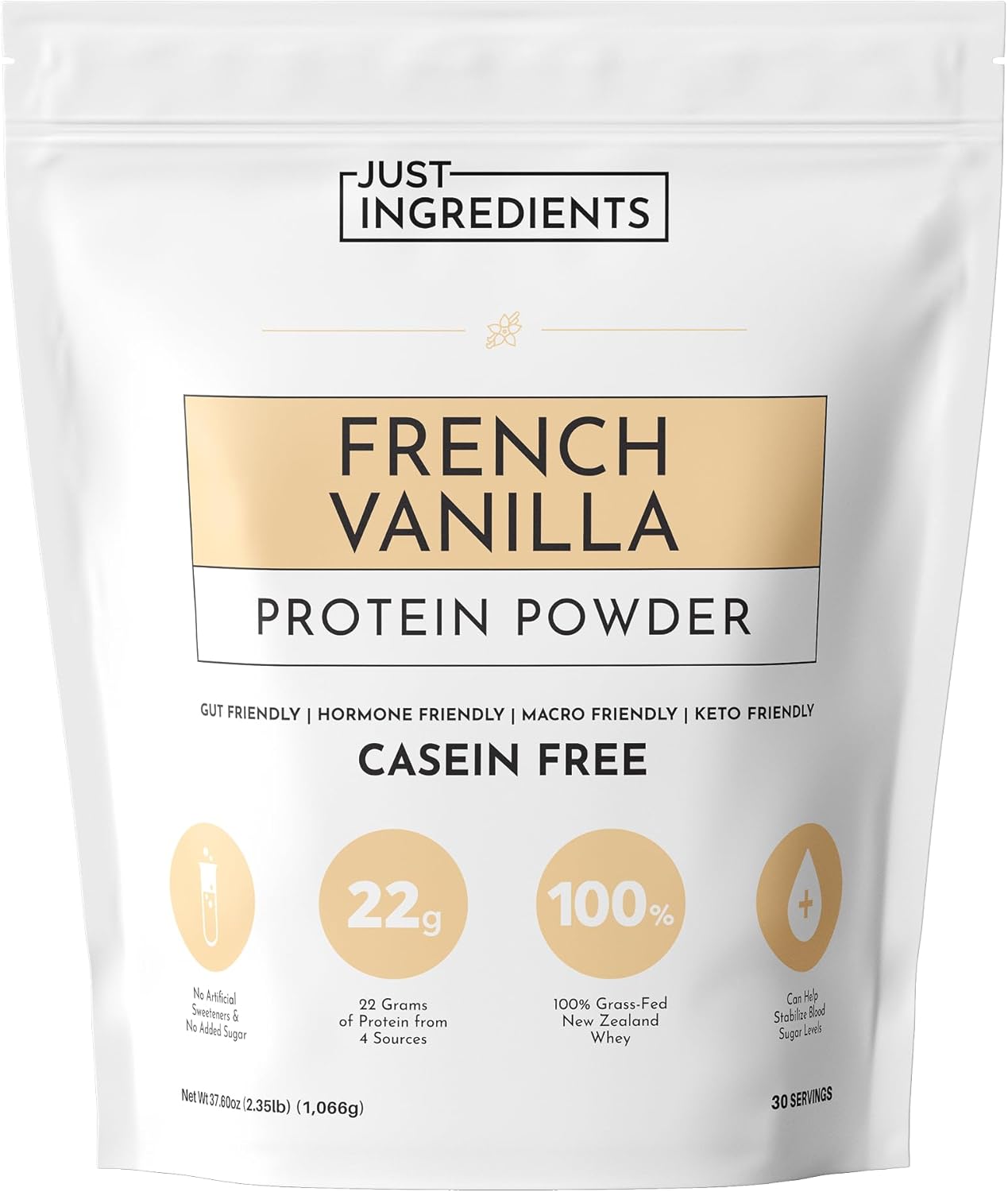
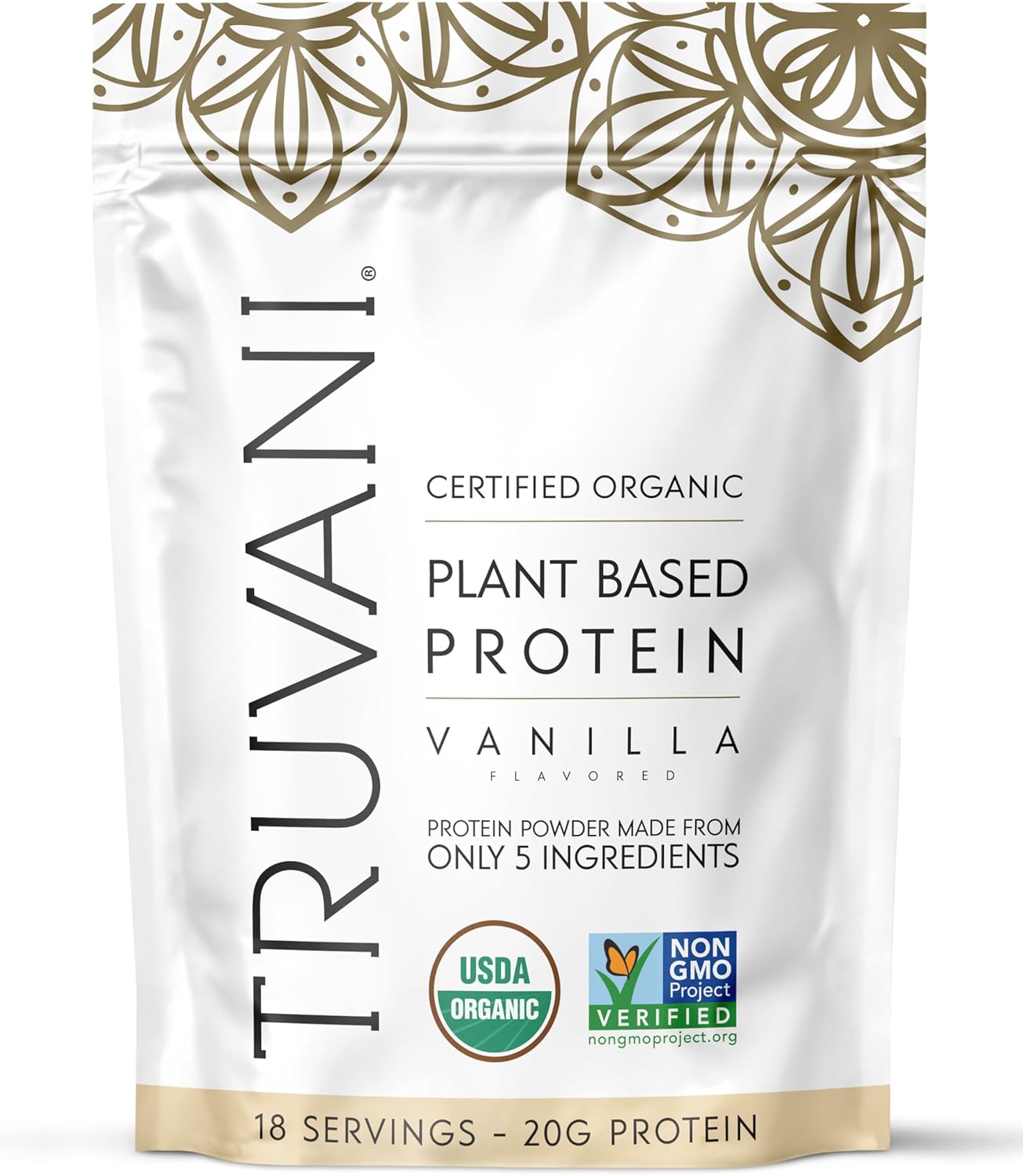
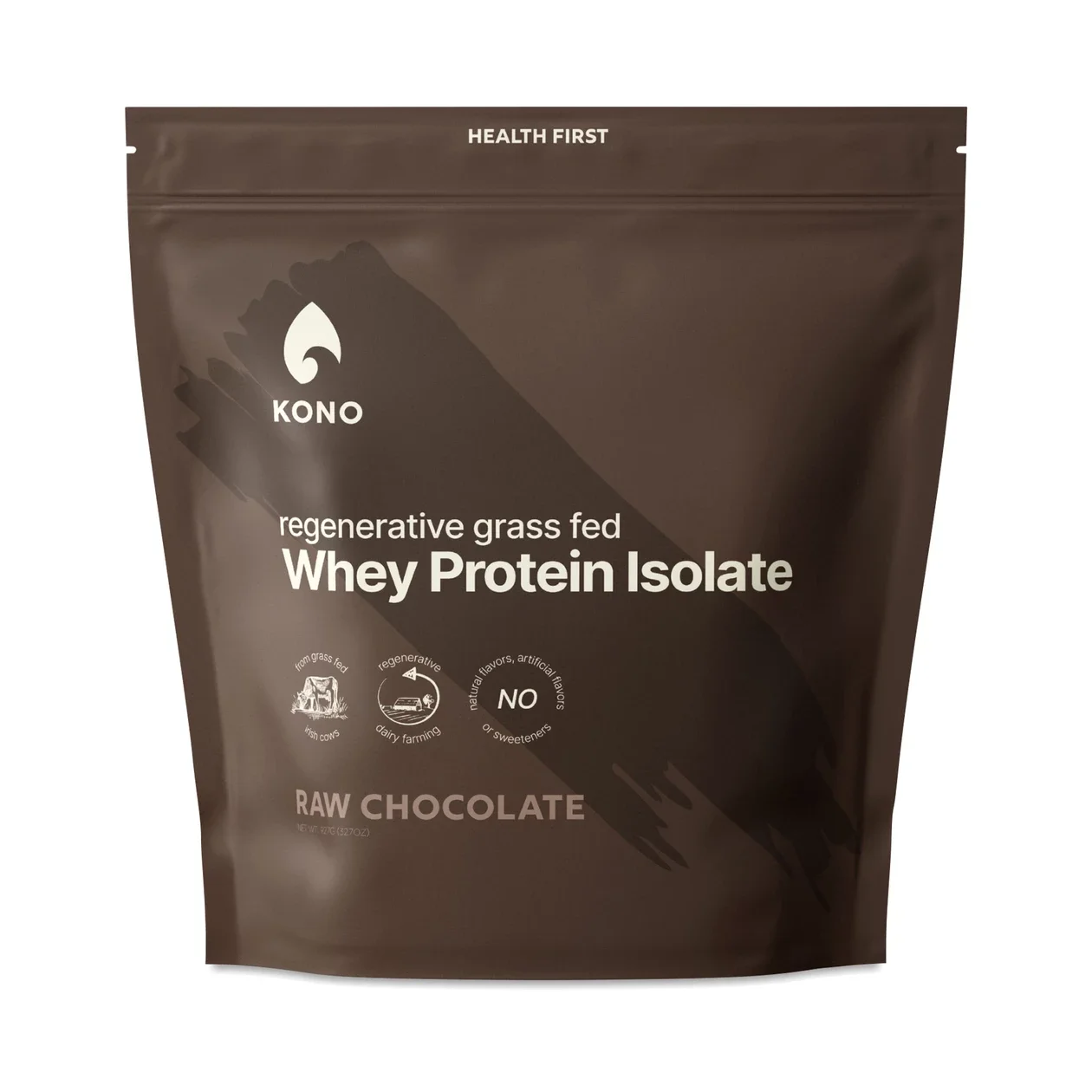
When shopping, look for whey protein concentrate or isolate from grass-fed cows, with as few ingredients as possible. Brands like Flavcity, Just Ingredients, Truvani, and Kono Nutrition keep it clean. If the label reads like a chemistry textbook, put it back on the shelf.
The goal here isn't perfection — it's awareness. Once you start reading ingredient labels, you can't unsee the issues — and you realize quickly that the best swaps aren't about finding some obscure health food store product. Most of these items are available at your regular grocery store. You just have to know what to look for.
Start with one swap — because one less "bad" ingredient in your pantry is a win.
Kyle Fitzgerald is the founder of Clean Kitchen Nutrition.
