






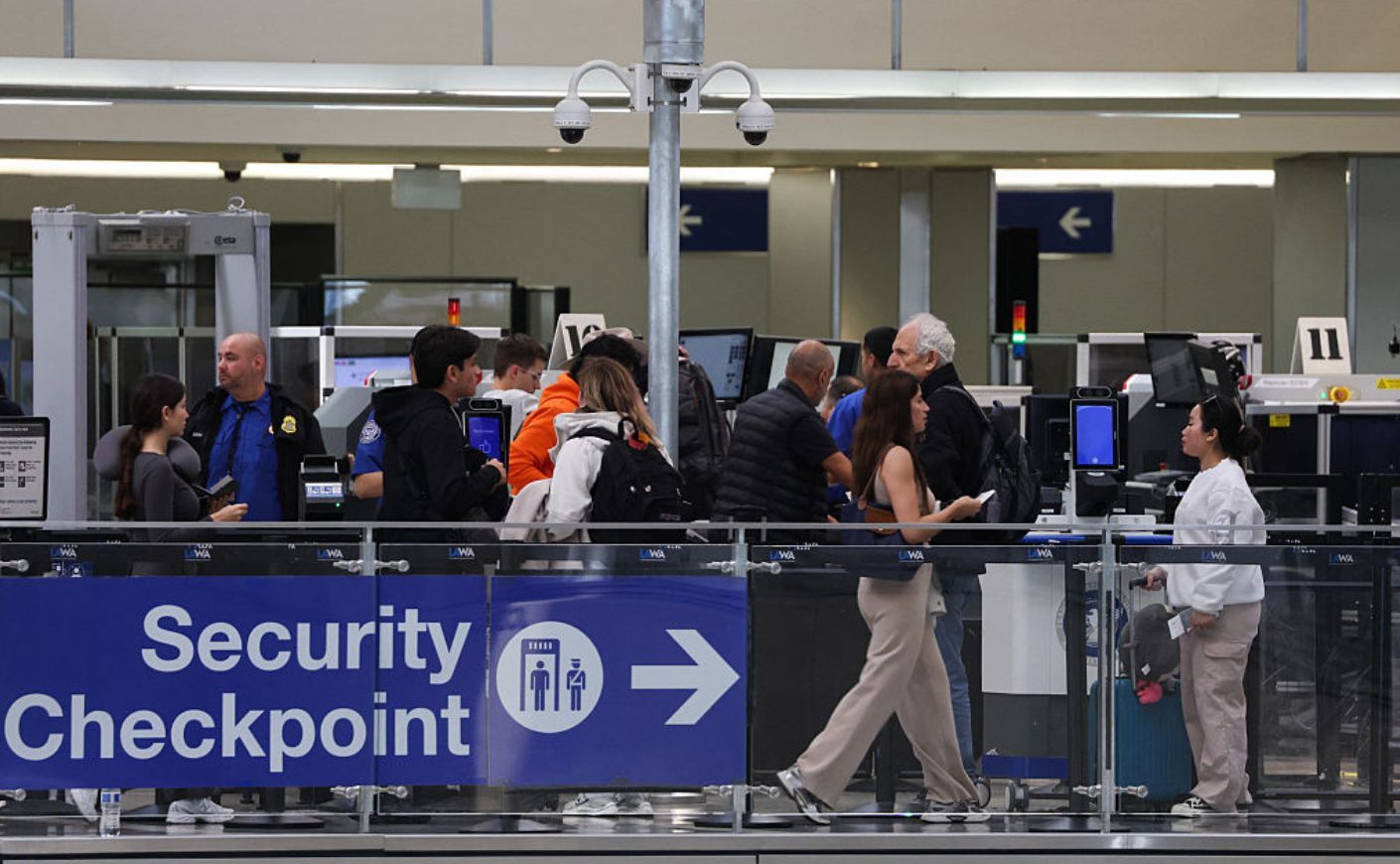
- TSA's Gateside by TSA PreCheck lets approved non-ticketed visitors accompany passengers past security after online approval, currently at 13 airports with planned expansion.
- TSA may soon allow full water bottles for some PreCheck travelers at airports with advanced scanners, but nationwide rollout is limited by equipment and funding.
- New screening tech and policy shifts show post-9/11 routines evolving, suggesting some long-standing security rules could be eased over time.
If you flew before 9/11, you might remember an airport experience that would seem almost foreign today: Loved ones could walk you to the gate, security was far less involved, and many of the rules travelers now know by heart simply didn’t exist.
The terrorist attacks on Sept. 11, 2001, changed all of that. Over the years that followed, airport security became tighter, screening became more extensive, and a whole new set of restrictions became part of the flying experience.
Now, 25 years later, some of those familiar routines are starting to change once again. Last year, the Transportation Security Administration eliminated the longstanding requirement that most travelers remove their shoes at security checkpoints, while the agency has also been expanding its use of facial recognition technology to verify passengers’ identities. Now, TSA is allowing some people without plane tickets to get past security and accompany loved ones to their gates, while also considering relaxing its longstanding restrictions on liquids.
So, what exactly is changing — and what do you need to know before your next flight? Here’s a look at some of the latest airport security updates.
You may be able to walk someone to their gate again
The TSA has launched a new initiative at some U.S. airports called Gateside by TSA PreCheck. While it’s free, travelers have to apply online one to three days ahead of their visit and receive approval before heading to the airport.
The program marks a notable shift from the post-9/11 norm, when access beyond airport security became largely restricted to ticketed passengers. If approved, visitors can enter through a TSA PreCheck lane with an acceptable form of ID, such as a REAL ID-compliant driver’s license or passport, and go through the same security screening as other PreCheck travelers. Once you’re approved, the pass is good for the entire day, so you can leave the secure area and come back again if needed. And you don’t necessarily need to be a TSA PreCheck member to apply — travelers enrolled in other trusted-traveler programs can also qualify as long as they have a Known Traveler Number.

So far, the program is available at 13 airports, according to CBS News. This includes Los Angeles International Airport, Dallas-Fort Worth International Airport, Harry Reid International Airport in Las Vegas and Salt Lake City International Airport, according to TSA. But the agency says it plans to expand the program to more airports in the coming months.
The idea isn’t entirely new. A handful of airports already have their own versions, including Seattle-Tacoma International Airport, which launched its SEA Visitor Pass in 2018 and allows up to 300 non-ticketed visitors through security each day. Pittsburgh International Airport rolled out a similar initiative, myPITpass, in 2017, though it was later put on hold during the pandemic and airport construction.
Full water bottles could be allowed through security, too
If you’re used to emptying your emotional support water bottle before going through airport security, that could eventually change as well.
The TSA is considering allowing some TSA PreCheck travelers to bring full water bottles through security checkpoints, according to CBS News. The change would initially be limited to select airports with newer screening technology that can better detect what’s inside liquids, though TSA hasn’t yet said which airports would be included. While the technology to screen full bottles already exists, TSA doesn’t have enough of it in place to make the change nationwide, even for PreCheck travelers. Officials say the agency also currently lacks the funding needed for a broader nationwide rollout.
But don’t fill up your water bottle before heading to the airport just yet. The change hasn’t taken effect, and TSA’s current liquids rule still applies: Passengers generally can only bring liquids, gels, and aerosols through security in containers of 3.4 ounces or less, all of which must fit inside a single quart-size bag.
And while liquid restrictions have become synonymous with post-9/11 airport security, they actually came several years later. In 2006, British authorities foiled a plot to blow up transatlantic flights using liquid explosives concealed in drink bottles. In response, TSA briefly banned liquids from carry-on bags altogether. About six weeks later, the agency introduced the 3-1-1 rule travelers know today, after government testing determined that liquids in limited quantities could safely be allowed aboard planes.
So why reconsider it now? Newer CT scanners can create detailed 3D images of what’s inside a carry-on bag, giving TSA officers a better look at potential threats without requiring passengers to remove as many items. As more airports install the technology, TSA officials have suggested it could eventually allow the agency to ease some of the blanket restrictions travelers have followed for years.
For now, though, consider this idea about full water bottles a mere possibility — not permission to bring one through security. But taken together, these changes suggest that some of the airport security rituals Americans have spent decades getting used to may not be so permanent after all.
