






Climate Week in New York bills itself as the largest gathering of its kind on Earth. For one week each September, the city fills with nearly a thousand events — panels, workshops, and receptions scattered around the UN General Assembly. Scientists meet the people who fund them. Campaigners from two continents discover they've been fighting the same fight and join forces. Old alliances are rekindled over late dinners, and new ones form because two strangers happened to stand next to each other in a crowded room. I have been part of it for years, and I was looking forward to it.
This year, I am not going. The decision did not come easily, and I think the explanation matters — but first, I want to tell you why I take those events so seriously in the first place.
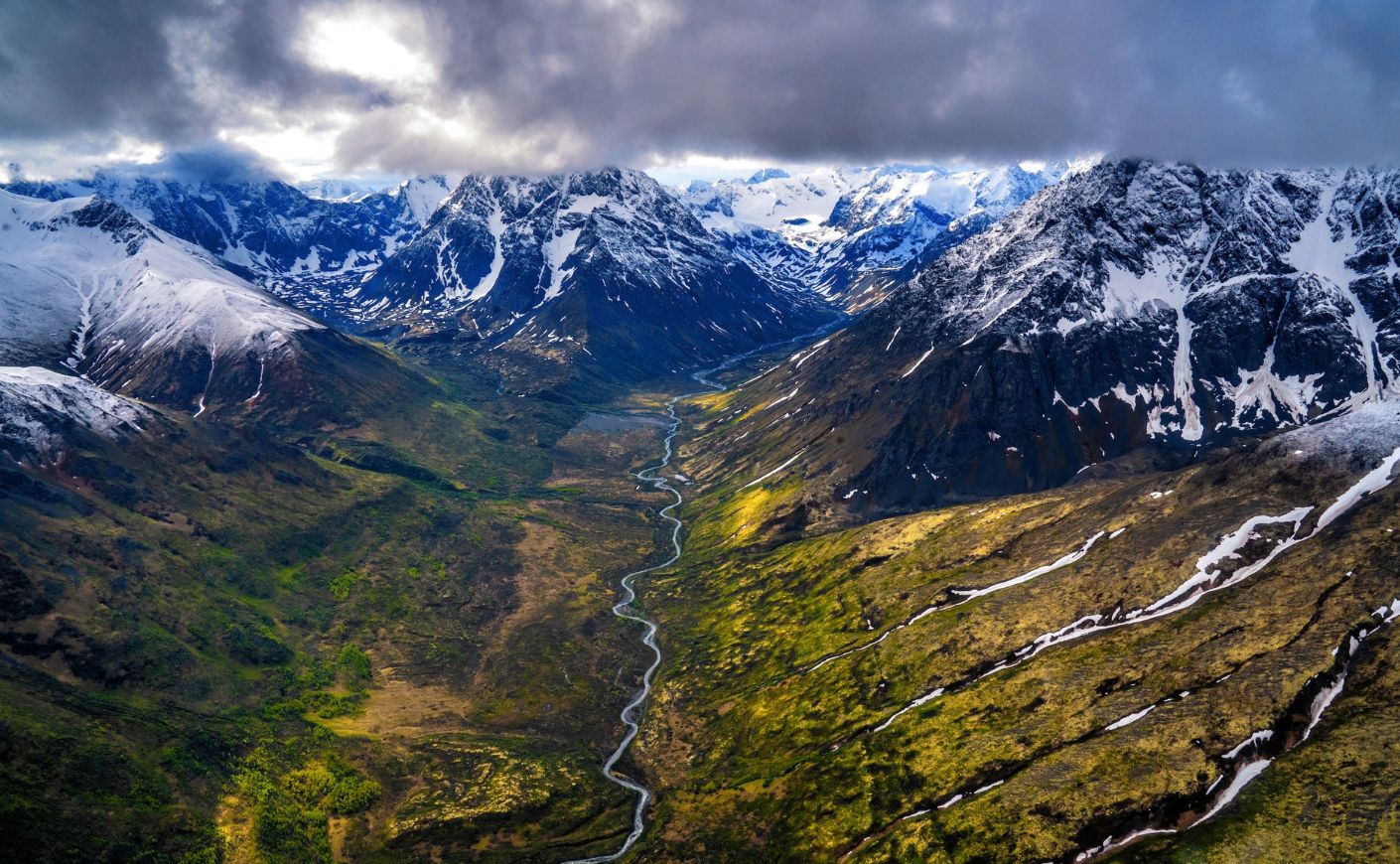
Back in 2005, I convened a conference in Alaska to ask a room full of photographers a question that had bothered me for years: Can the people who photograph nature also advocate for it? It had always seemed odd to me that so many of us would spend a career documenting places that were disappearing, with no idea what to do about it except take another picture. I remember the silence after I asked it. Then one person answered, and then another, and by the end of the week a few dozen of the best photographers I knew had joined me to create the International League of Conservation Photographers.
Conservation photography didn't really exist as a concept before that week. Now, that gathering has become a fellowship of 170 photographers working around the world, shining a light on everything from the wildlife trade to climate change, and it began because a handful of people in one room decided to turn their talent toward a purpose.
I tell this story because it is how conservation actually works. Not in the plenary sessions, but in the rooms where people come together and decide to do something. A lot has changed since that week in Alaska, including who I have become, and who the United States has become.
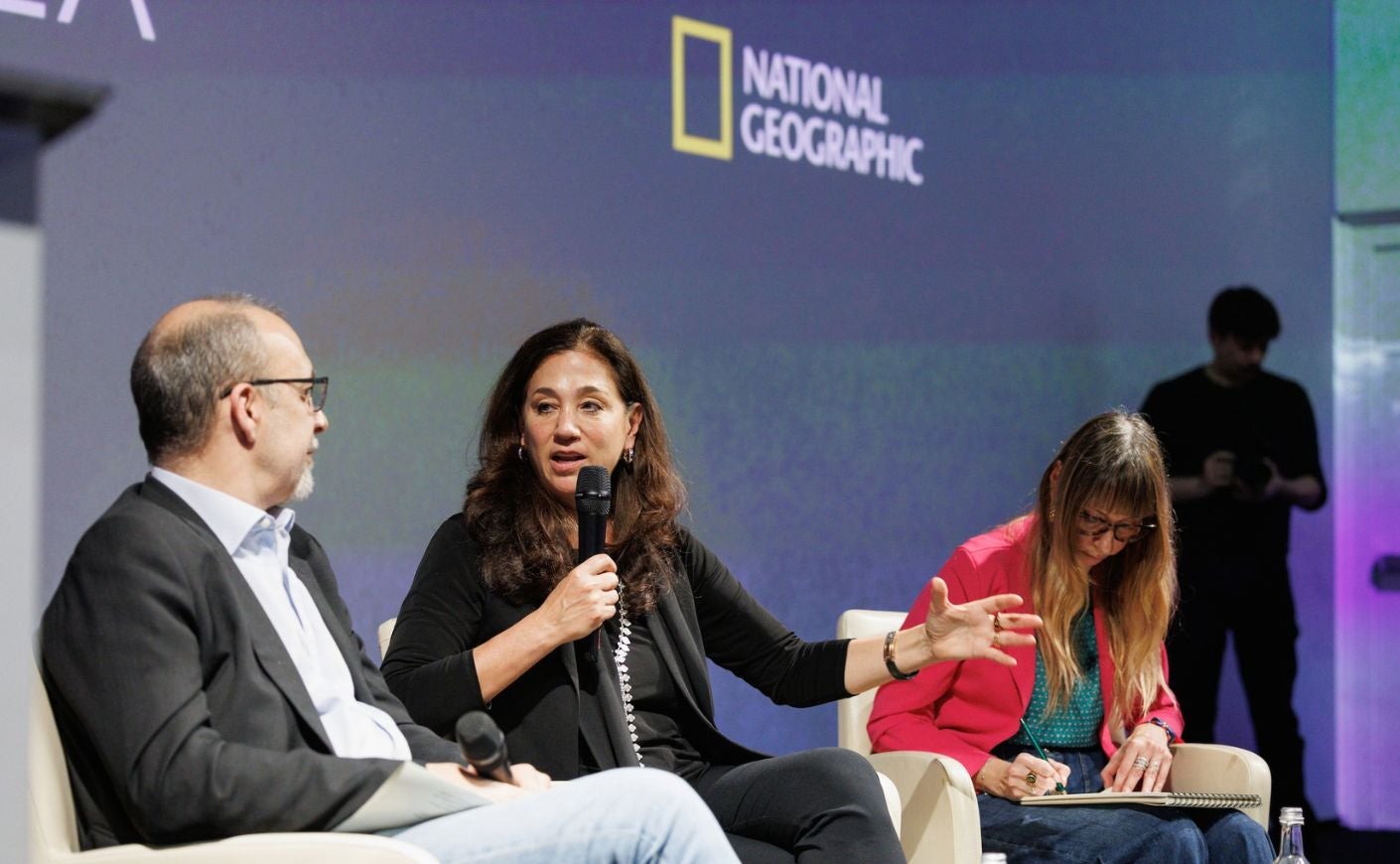
I was born and raised in Mexico and spent most of my adult life as a citizen of the U.S., where I built a career and raised a family. Life eventually carried me north to follow a Canadian husband, and last year, after many years of living in British Columbia, I became a Canadian citizen. I cannot tell you how proud that makes me. In the same year, I gave up my American citizenship. It was not a verdict on the Americans I love. It was a choice about where I plan to spend the rest of my life, about where I wanted to stand, and with whom.

I never expected that my newly adopted country would find itself in a trade war with its closest neighbor, the place where I built so many friendships and the bulk of my career. The veiled threat of the 51st state, cleverly disguised as a joke, followed by punishing tariffs, began a series of events that ended with trade talks between Ottawa and Washington collapsing in August.
Canada is a small economy, and weathering the punishing tariffs inflicted by the Trump regime will require serious sacrifices from each of us, as Canadians. We have been encouraged to buy Canadian, support local businesses, and travel at home. Our prime minister took a principled stand in defense of Canadian sovereignty and has become, in my eyes, a role model for leaders everywhere. The cost of the stand we are taking is being paid by ordinary Canadians in every province: farmers, autoworkers, small business owners, families who used to cross the border for work and pleasure and now are not.
I am one Canadian with one small way to share that cost, so instead of traveling to New York, I have chosen to stay home. It pains me that this year there will be a chair in New York with my name on it, and it will be empty. I want that empty chair to be a statement of leadership.
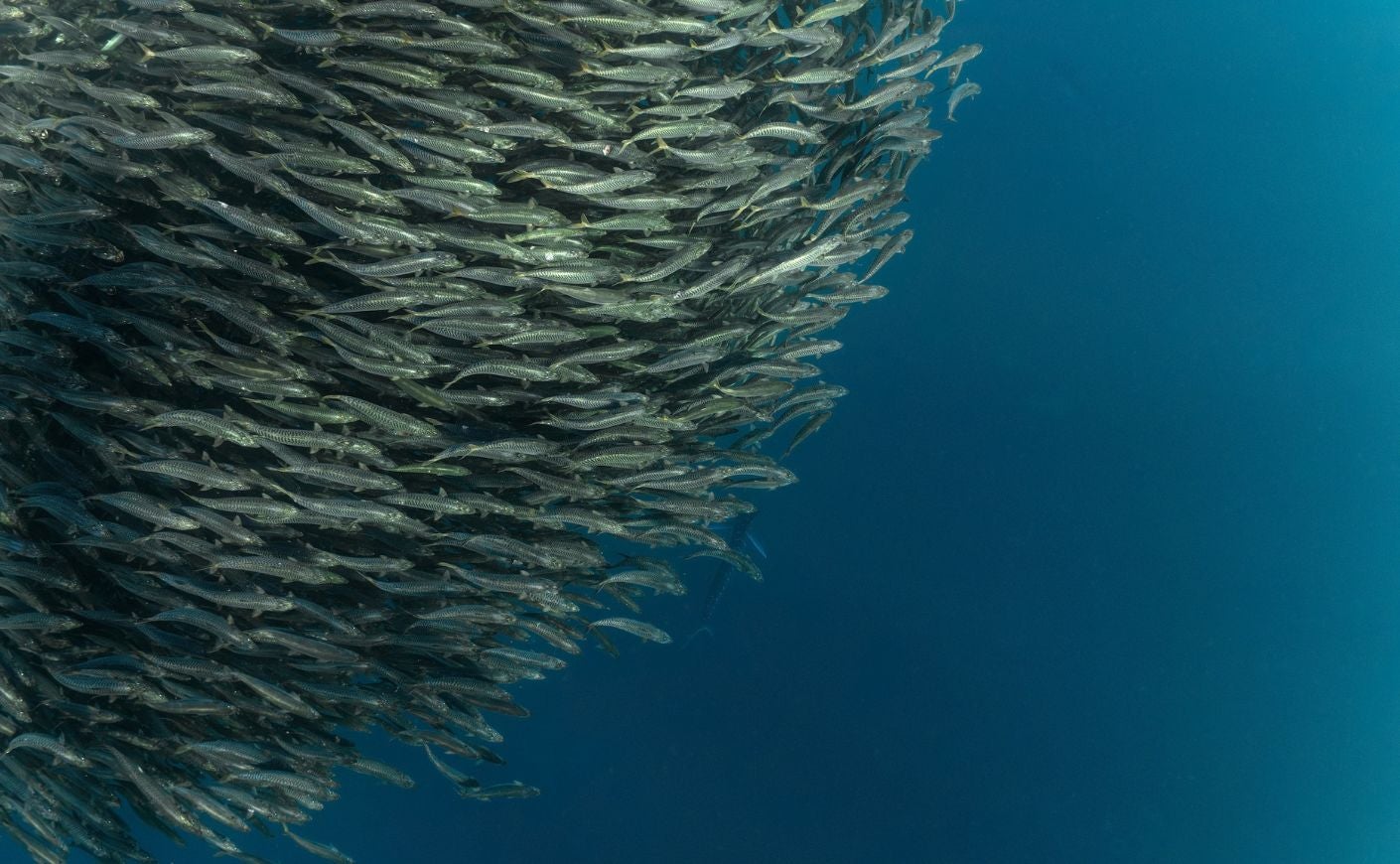
Let me explain. I have spent hours inside schools of fish: sardines, mackerel, herring, and barracuda. The feeling of thousands of silver bodies around me moving as one animal is hard to describe, and I have watched how a school decides where to go next. It does not vote. One fish turns, and the fish beside it turns, and the one beside that, and in less than a second, the whole school has changed direction, and no one could tell you who turned first. Scientists who study collective behavior have found that even a small minority of informed fish can influence the direction of a much larger group. The rest follow not because they were told to, but because they felt that shift. Leadership in the wild is rarely loud. It is simply the willingness to turn first, and to keep swimming in the new direction long enough for the others to notice.
My empty chair is one fish turning. It is small, and it will only matter if others turn too.
The turn is painful, because the school I am turning from is one I owe a great deal to. For most of the last century, the United States was the most consequential conservation nation on Earth. It gave the world the idea of a national park at Yellowstone, and the world followed. Around 1970, in the space of just a few years, the U.S. dramatically expanded federal protections for clean air, clean water, and endangered species, helping establish a model of modern environmental regulation that influenced policy well beyond its borders, including in Canada. When science showed that chemicals in our refrigerators and other products were damaging the ozone layer, American diplomacy helped bring the world together to phase it out, and the hole is closing. When the United States decides something matters, the world moves.
That is the country I once chose to belong to. It is not the country I see from across the border today, and its retreat from cooperation is felt first by the creatures that never learned where the border was.
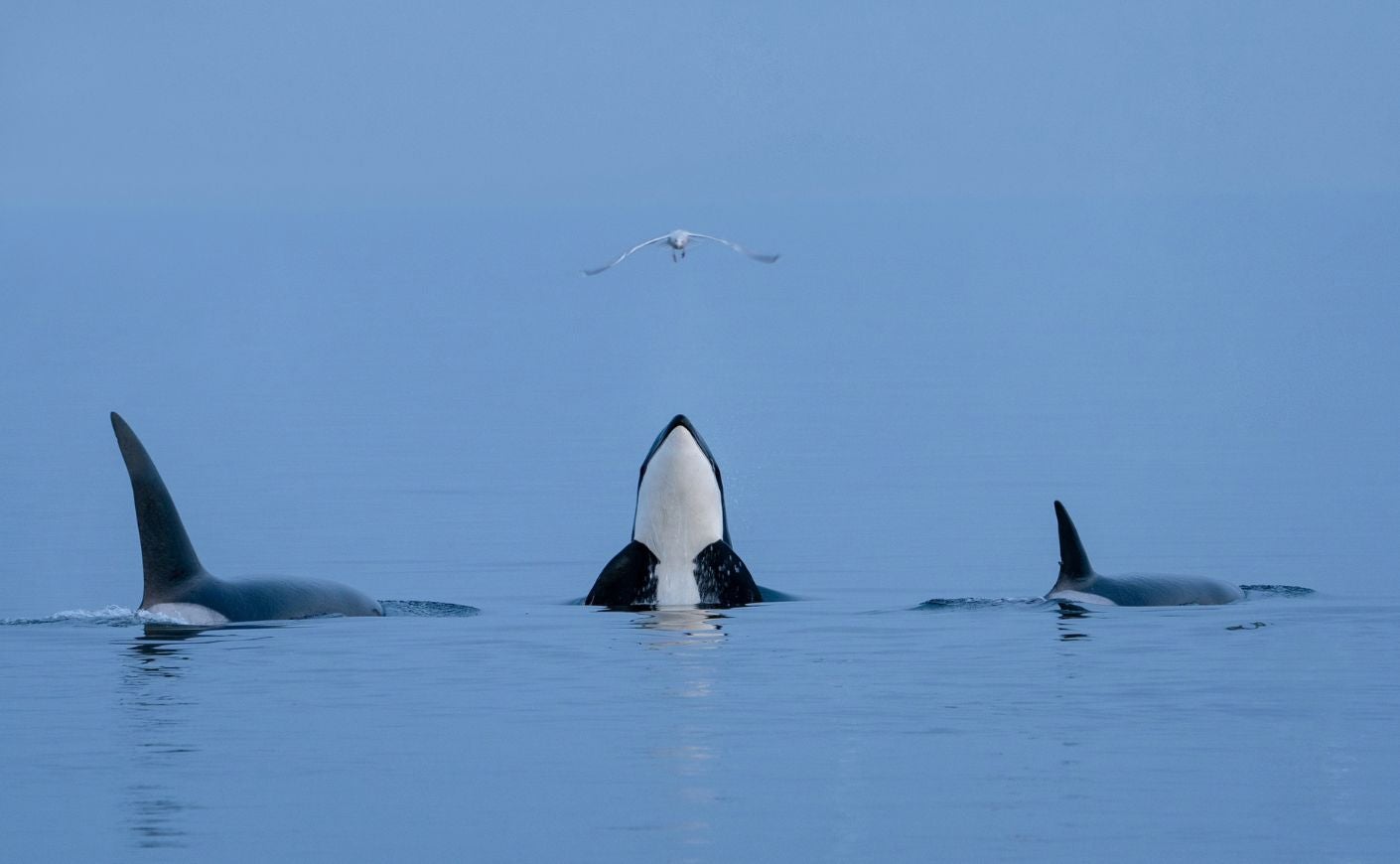
The southern resident killer whales know nothing about tariffs. There are only around 75 of them left, an endangered population that moves through the waters between Washington State and British Columbia as if the line on the map were not there — because for them, it isn't. No single government can protect them. Their survival depends on two countries coordinating protections, from how closely vessels can approach and how fast they can travel to protecting salmon populations and critical habitat. For more than a century, that kind of goodwill between Canada and the United States was something we could take for granted. Nobody can take it for granted now. When two governments stop working together, everybody loses, and it is not only people who pay. Nature pays, too.
Absence is not silence. Staying home is the one microphone I have at this moment, and I am choosing to speak into it. I have always believed that leadership is political, and that in turbulent times small actions matter most, because collectively they are not small. Twenty years ago in Alaska, a few photographers turned first, and a school followed. This September, I am turning again. I hope the water moves.
Cristina Mittermeier and Paul Nicklen co-founded SeaLegacy in 2014. SeaLegacy’s mission is to inspire people to fall in love with the ocean, amplify a network of changemakers around the world, and catalyze hands-on diplomacy through hopeful, world-class visual storytelling. For more updates on their meaningful work, learn more about SeaLegacy, and subscribe to Ripple Effect, Katie Couric Media’s sustainability newsletter.
