






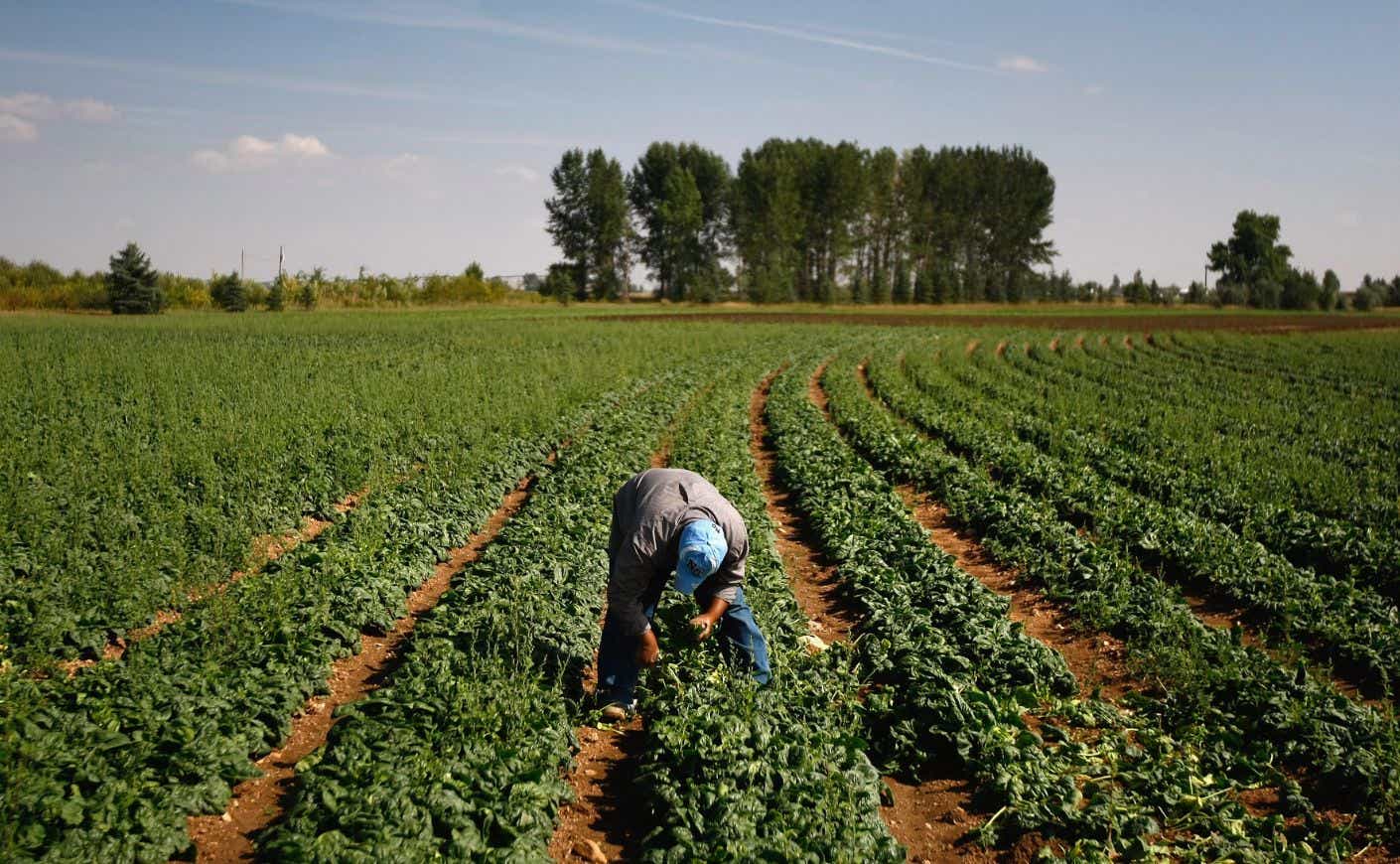
When many Americans picture a farm, they imagine something straight out of a Norman Rockwell painting: red barns, hand-milked cows, and small family operations.
But according to New Mexico dairy farmer Tara Vander Dussen, that image doesn’t reflect what agriculture actually looks like today. In reality, many farms are becoming increasingly high-tech, using GPS-guided equipment, sensors, and data analytics to monitor crops and livestock more precisely.
“Consumers are almost 80 years behind where agriculture actually is today,” she tells Katie Couric Media. “The last time many people were connected to a farm was through a grandparent or great-grandparent, so they’re picturing a very different version of agriculture than what exists now.”
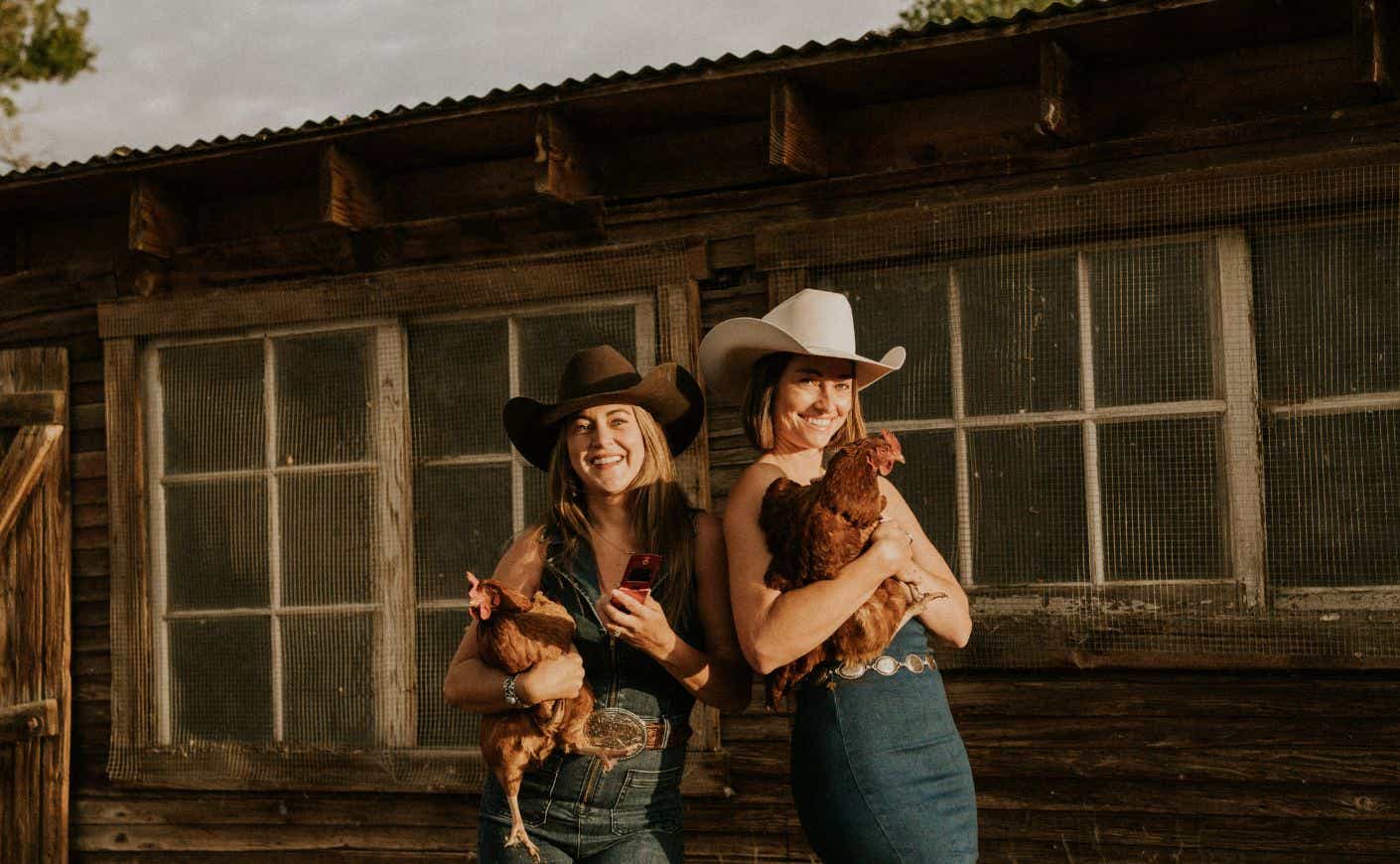
Along with Montana rancher Natalie Kovarik, Vander Dussen is trying to close that gap. Through their podcast Discover Ag and a new video series that takes the concept on the road, the pair travel across the country visiting farms, ranches, and fisheries, giving viewers a behind-the-scenes look at how our food is actually produced today — and the challenges farmers face along the way.
From unpredictable weather and global markets to labor shortages and confusing labels, they say many of the forces shaping the modern food system are largely invisible to consumers. Those forces dramatically affect what shows up on grocery store shelves — and how much it costs.
The real pressures behind the food system
While many consumers imagine farming as a slower, simpler way of life, the reality is that agriculture today is shaped by a complex mix of environmental pressures and global markets.

One of the biggest variables farmers face is the one they have the least control over: the weather, which is becoming increasingly unpredictable as the climate changes. In recent years, extreme conditions — from droughts and heat waves to floods and hurricanes — have caused billions of dollars in agricultural losses. In 2024 alone, drought and heat caused more than $11 billion in crop damage, while storms and flooding added another $6.7 billion.
“Mother Nature is the only constant, and it's constantly changing,” says Kovarik.
Through their travels filming Discover Ag on the Road, Vander Dussen and Kovarik say they’ve seen firsthand how unpredictable weather can ripple through the food system. Citrus growers in Florida, for example, have been forced to contend with hurricanes, sudden cold snaps, and other extreme conditions that threaten entire harvests. While freezing temperatures may be routine in some parts of the country, they can be devastating in traditionally warmer regions, killing trees outright or severely damaging crops and reducing yields for months or even years.
Growers must also navigate economic pressures that extend far beyond their own fields. Agricultural prices are tied to global markets, meaning events thousands of miles away can influence what farmers earn at home.
“We are in a global supply system now,” says Vander Dussen, recalling how her family’s dairy prices were once influenced by milk production in New Zealand. “There are so many things happening in other places that affect what happens on our farms.”
Labor shortages add another layer of difficulty. Although farming has been radically changed by technology, much of the work involved in producing food — from harvesting crops to processing meat — remains labor-intensive, and many farms struggle to find and retain workers.
Even crops many people assume are harvested mechanically are often harvested by workers in the field. “When you look at the scale of it, it’s incredible,” says Vander Dussen. “You see a truck full of oranges and realize every single one of those was picked by hand.”
Agriculture has long relied on immigrant labor, and ongoing immigration crackdowns have raised concerns across the industry about the availability of workers. But farmers and ranchers say the issue has been building for years, with policymakers from both parties struggling to find a long-term solution.
“I don’t think it’s anything new,” Vander Dussen says, noting that workforce and immigration debates have been circulating in agricultural communities for decades. “It’s something we’ve been talking about at ag meetings for most of my life.”
Many producers rely on temporary visa programs like H-2A, which allow agricultural workers to come to the U.S. for short, specific periods tied to seasonal work. But that structure doesn’t work for farms that need consistent labor, like dairy operations.
“For something like dairy farming, where we’re year-round, those programs don’t really work for us,” Vander Dussen tells us. “Dairy farming is 24 hours a day, seven days a week.”
Despite those challenges, the farmers they’ve met across the country share one common trait: resilience.
“There are major challenges across agriculture,” says Kovarik. “But what stands out to me is how farmers keep adapting — whether it’s through innovation, technology, or just sheer grit.”
What sustainability actually looks like on a farm
Sustainability may be a buzzword in conversations about food and agriculture, but for plenty of farmers, it’s simply the way they’ve always operated. With many farms and ranches passed down through generations, maintaining healthy soil, water, and livestock isn’t just an environmental goal — it’s essential to keeping the land productive for decades to come.
“For farmers, sustainability means making sure there’s something to pass on to the next generation,” Vander Dussen says. “Agriculture is a generational industry — you’re building something your kids and grandkids can continue.”
In practice, that can take many forms. Dairy farmers, for example, often recycle water used in barns multiple times, while crop farmers rely on manure as a natural fertilizer to nourish soil and reduce waste. Ranchers carefully manage grazing patterns to protect grasslands and maintain healthy ecosystems.
But Vander Dussen says many of those practices aren’t always framed using the language consumers might expect.
“A lot of farmers are already doing sustainable practices every day — they just don’t always call it that,” she says.
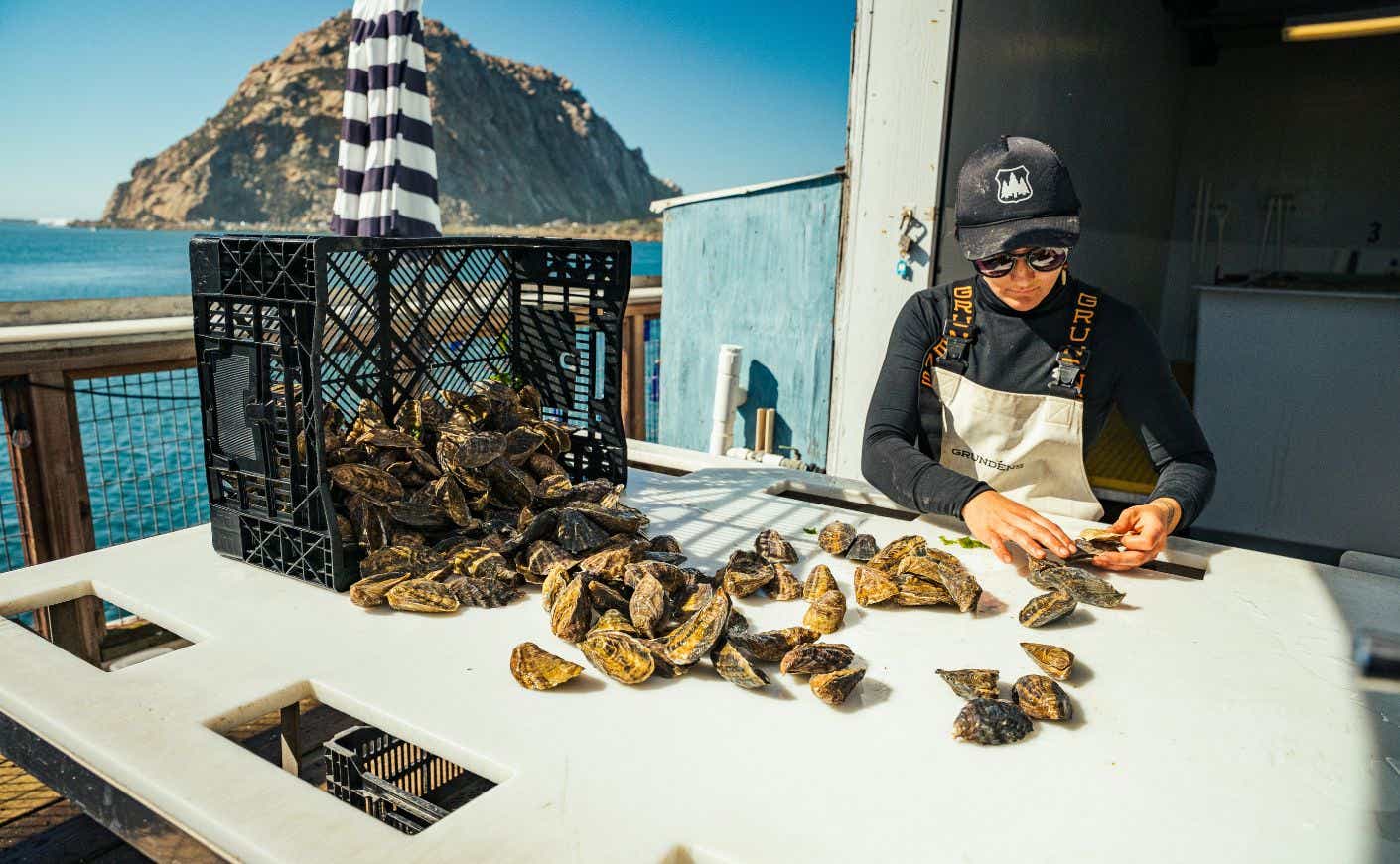
Through their travels filming Discover Ag on the Road, Vander Dussen and Kovarik say they’ve also discovered surprising examples of how agriculture can support the environment. While visiting an oyster farm in California’s Morro Bay, for example, they learned that each oyster can filter about 50 gallons of water a day, helping improve water quality in the surrounding ecosystem.
Moments like that, they say, highlight the complexity of modern agriculture, and the ways farmers are constantly adapting their practices to balance food production with environmental stewardship.
Food labels and grocery store confusion
For consumers trying to make sense of how their food is produced, the grocery store can sometimes feel like a maze of labels. Terms such as “organic,” “natural,” and “free-range” are meant to signal something about how a product was raised or grown, but farmers say the growing number of labels can also create confusion.
Kovarik and Vander Dussen say many shoppers are trying to make thoughtful choices about the food they buy, but the meaning behind those labels isn’t always clear, and sometimes they can be more about marketing than meaningful differences in farming practices. In some cases, they explain, the labels contribute to what critics call “greenwashing,” where products are marketed as more environmentally friendly or ethical than the underlying practices actually reflect.
“Sometimes labels have just become a way to get you to pay more,” says Kovarik, noting that consumers often assume certain labels guarantee higher standards for sustainability or animal welfare when they may simply refer to specific production methods.
For example, the label “grass-fed” refers only to an animal’s diet, not how it was raised overall, while other certifications — such as "organic" or "humane" — can vary widely in the standards producers must meet to earn them.
Vander Dussen says the growing anxiety around food has created a disconnect between consumers and the system that produces it.
“A lot of people are made to feel like they should be afraid of food at the grocery store,” she says. “But the reality is there are a lot of checks and balances in place.”
For shoppers who want more transparency, the pair say one of the best options is to buy directly from local farmers when possible — or simply take time to learn more about where food comes from.
“The closer you are to your food system, the less you fear it,” Kovarik says.
