






There’s something uniquely satisfying about spotting a new leaf on a houseplant you’ve managed to keep alive. But for plant expert and author Krystal Duran (aka Plants with Krystal), caring for something green offers much more than a prettier living room.
Plants can encourage us to slow down, offer comfort, and even help us feel more connected to the natural world. That’s part of the message behind her upcoming book, More Than Just a Plant: How to Care for Your Plants as They Care for You.
For Duran, that connection became particularly meaningful during a period of grief, when her husband passed away in 2022. At the time, she had more than 300 houseplants and ultimately lost the majority of her collection. But caring for the plants that remained gave her something to focus on, whether that meant watering just one or simply noticing a new leaf.
“Having plants actually gave me a purpose to get up,” she tells Katie Couric Media. “It really just gave me something to look forward to when it felt like I didn't have much of that during that time.”
But if you’re like me and have watched more than a few houseplants meet an untimely end, you may have assumed you just don’t have a knack for keeping them alive. Here's the good news: Duran says it’s a skill anyone can learn.

“It's learned behavior,” she says. “As long as you're willing to put in the energy to learn, then anybody can have a green thumb.”
What’s the best way to start your plant collection?
You might assume a cactus is the perfect starter plant — after all, they have a reputation for being nearly impossible to kill. But Duran says they can actually be surprisingly fussy for first-time plant parents, particularly when it comes to watering.
“Watering a cactus can be a little tricky,” Duran explains. “People either water them too much or not enough.”
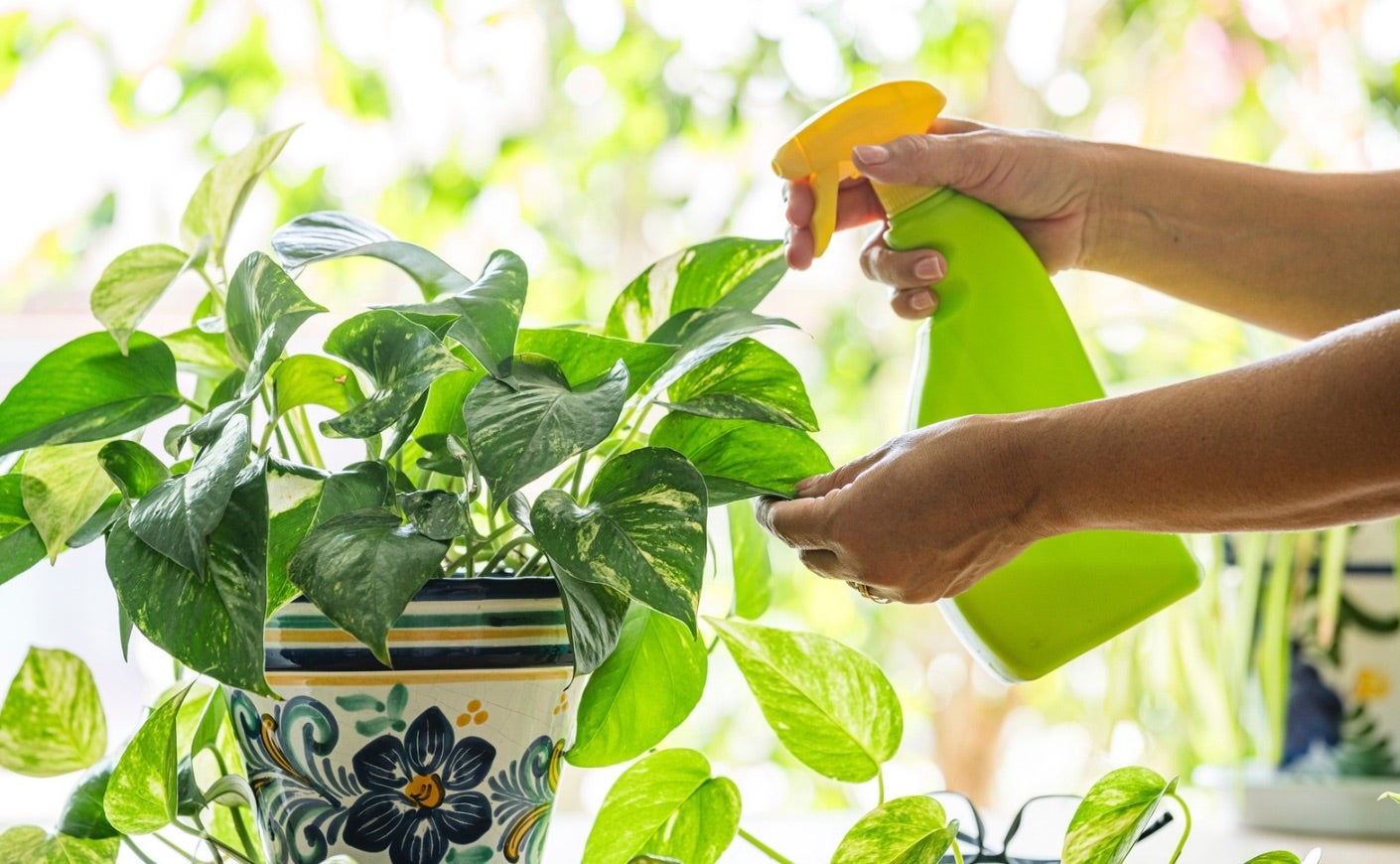
So what kind should you get? Duran recommends a pothos, a popular houseplant known for its trailing vines and heart-shaped green leaves, which are often streaked or splashed with yellow, white, or pale green.
Duran says they’re especially beginner-friendly because they tend to signal what they need. Their leaves can curl when they’re thirsty, taking some of the guesswork out of when to water. They’re also known as “devil’s ivy” for a reason — they’re famously hardy and can stay green even in lower-light areas of the home, including rooms that don’t get much direct sunlight.
One important caveat for pet owners: Pothos are toxic to cats and dogs if ingested, so keep them safely out of reach.
And becoming a plant person doesn’t mean you need dozens. Houseplants exploded in popularity during the pandemic, when people stuck at home suddenly began filling their spaces with greenery. Duran says that enthusiasm hasn’t disappeared, but the way people approach their collections has evolved. These days, she’s noticed people moving away from the gotta-catch-’em-all mentality and becoming more selective about what they bring home.
“People are leaning more towards a curated space,” she says.
How caring for something small can have a bigger impact
There’s another benefit to bringing more greenery into your home: It can change the way you think about the world beyond your windowsill.
That can start with something as simple as being more thoughtful about what you buy. Duran recommends reusing old pots and even repurposing clear takeout containers for plants or propagation rather than constantly buying new supplies. And instead of feeling pressure to collect every trendy variety, she encourages people to focus on plants they genuinely enjoy and that make sense for their space.
But for Duran, the benefits of caring for plants extend beyond what’s growing inside her home. Her hobby has also deepened her connection to the environment around her.
“Having nature inside makes me even more aware of the beauty outside,” she says.
That’s part of what she hopes other people discover, too. If caring for a houseplant can become a stepping stone toward noticing and appreciating the larger natural world — and understanding why it’s worth protecting — then even something as small as keeping one plant alive can have an impact.
And you don’t need a sprawling garden or a perfectly curated indoor jungle to get there. One plant will do.
“I just want people to find joy in plants,” Crystal says, “because it really brings so much life to not only our spaces, but our lives.”
