






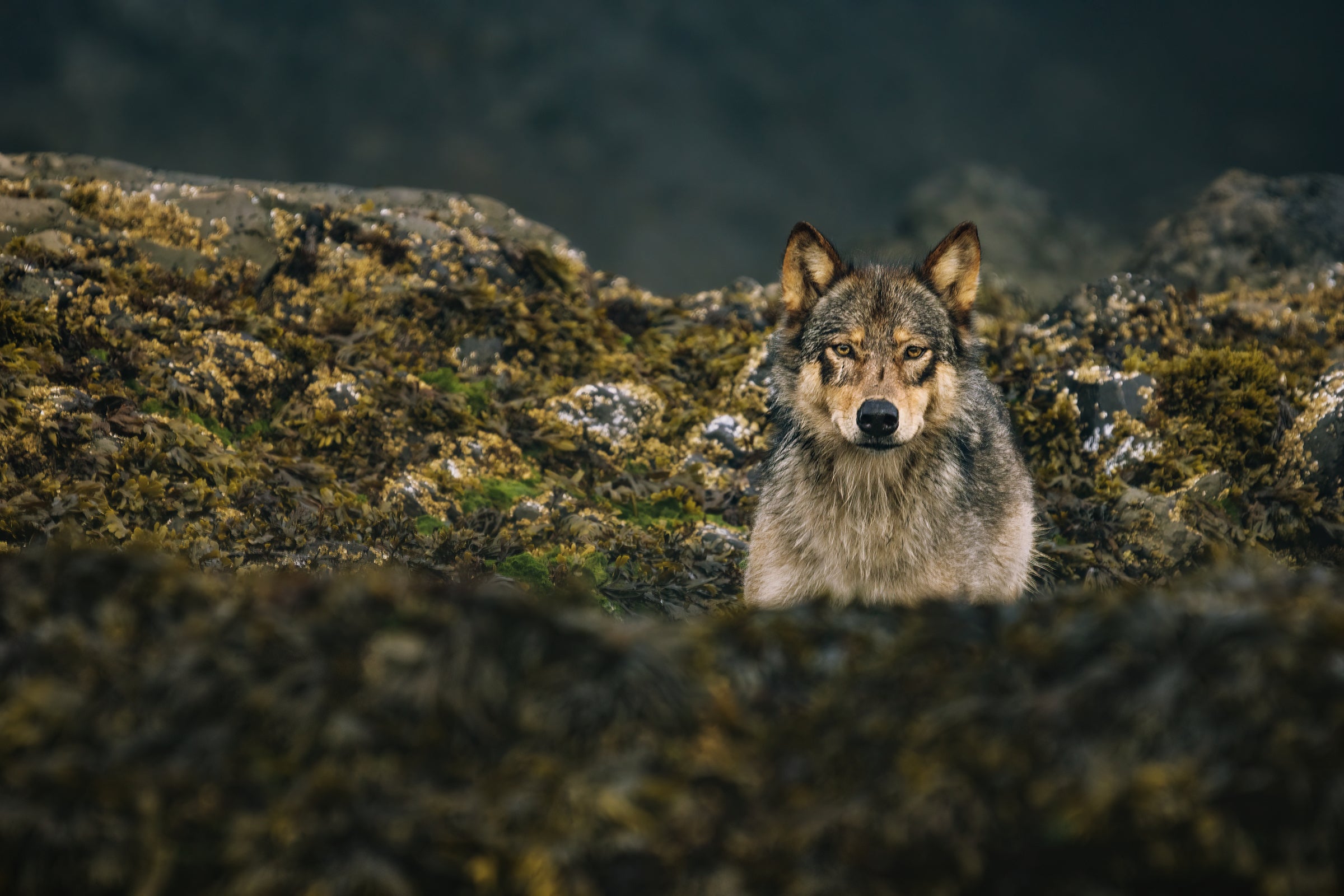
In my years as a wildlife photographer, one memory I look back on fondly is the time I became an impromptu babysitter for a pack of wolf cubs.
The experience didn't come easy. Along with my partner, Paul Nicklen, a fellow wildlife photographer and cofounder of SeaLegacy, I sat in a blind for weeks where a salmon stream fed into the sea, barely catching a glimpse of British Columbia's elusive coastal wolves. A subspecies of grey wolves, these "sea wolves" are a unique population of small, lean animals with a diet consisting almost exclusively of seafood scavenged from the intertidal zone. For days, we found clues the pack was nearby, but every morning we rose before dawn and hunkered down for yet another fruitless vigil.
With just three days left of the shoot, Paul had left the blind to walk the beach, hoping to find the wolves another way. The moment he did, I noticed a flicker of movement at the forest's edge.
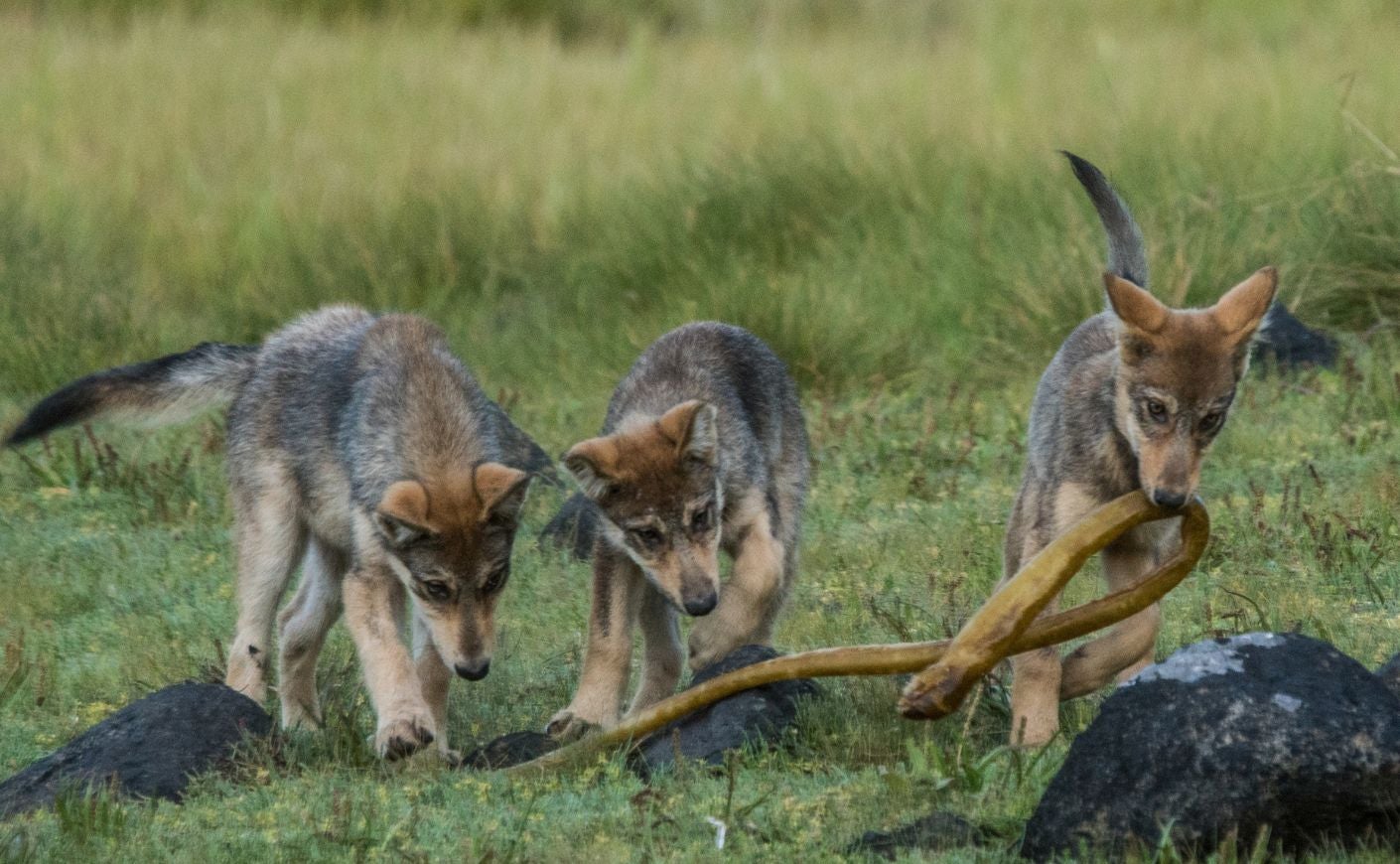
Squinting through my binoculars, I stared into a pair of bright, tawny eyes. A wolf pup stepped out of the shaded forest and trotted along the stream. One by one, four puppies tumbled into view and began playing in the little meadow across from me. Then, like a shadow, their mother emerged and looked directly at me. She inspected me for a long moment to determine if I was friend or foe, then relaxed and trotted off, leaving her cubs under my supervision. For 20 minutes, I watched them chase each other and play tug-of-war with a piece of bull kelp while she foraged along the beach.
I'll never know why she trusted me. She must have known I'd been in that blind for weeks. Patience doesn't always pay off that way, but the most rewarding things in life rarely come to those who take shortcuts.
Where the deception starts
So why, then, is social media saturated with awe-inspiring images of every animal on the planet, no matter how rare or elusive? It's not possible for this much imagery to exist authentically. The overabundance comes from three main culprits, none of which are ethical: AI, overtourism, and game farms, where wild animals are held captive for photoshoots. All three serve as a shortcut to a “wildlife experience” without ever having to enter the wild — at nature's expense.

AI is now a recurring conversation across every aspect of our lives, and wildlife photography is no exception. People love animal content, and it once brought us closer to nature, but AI-generated images are severing that connection. It is the story behind a photograph that connects us, inspiring people to care and compelling them to take action to protect nature. That’s what drives conservation. AI can generate a story to accompany an image, but passing off a fictional encounter as real disconnects us from nature, and from reality itself.
AI also spreads misinformation, depicting animals in situations and behaviors that would never occur in the wild. There is also the environmental toll of generating fake wildlife imagery. Data centers consume enormous amounts of energy, land, and fresh water at a time when climate change is already straining these resources, and the growing demand for rare earth metals is accelerating the race to mine the deep sea, one of the last untouched ecosystems on the planet.
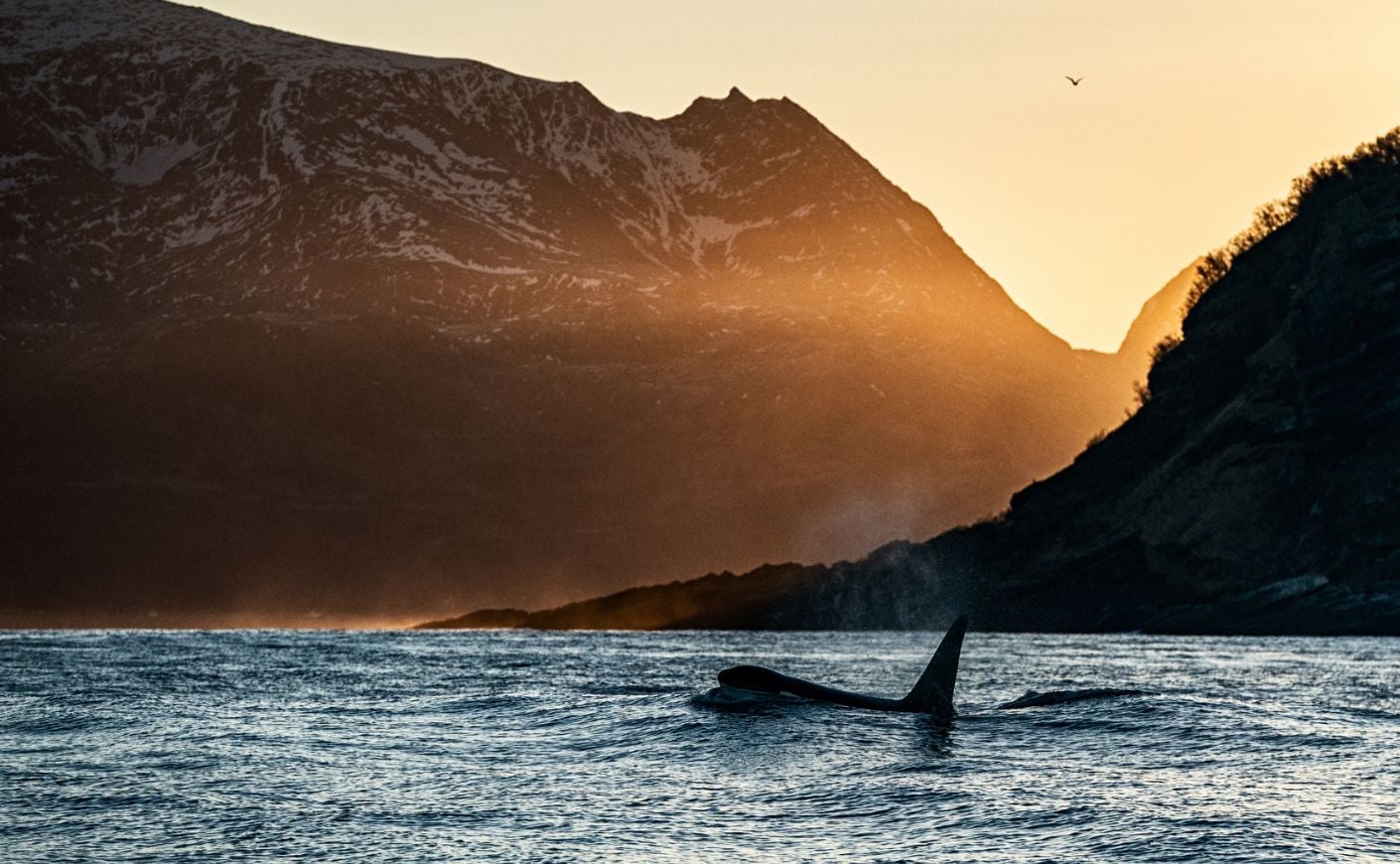
Overtourism is something I've seen develop firsthand. In 2014, Paul and I documented orcas feeding on herring in Lofoten, Norway, as one of only two boats in the water. That story helped us protect Lofoten from oil drilling, but it came with unintended consequences. Within two years, close to two hundred tourist boats were descending on those waters daily, dropping dozens of swimmers in front of orcas for a rushed social media photo. These are not wildlife encounters, but curated performances that disrupt feeding and breeding patters essential to their survival.
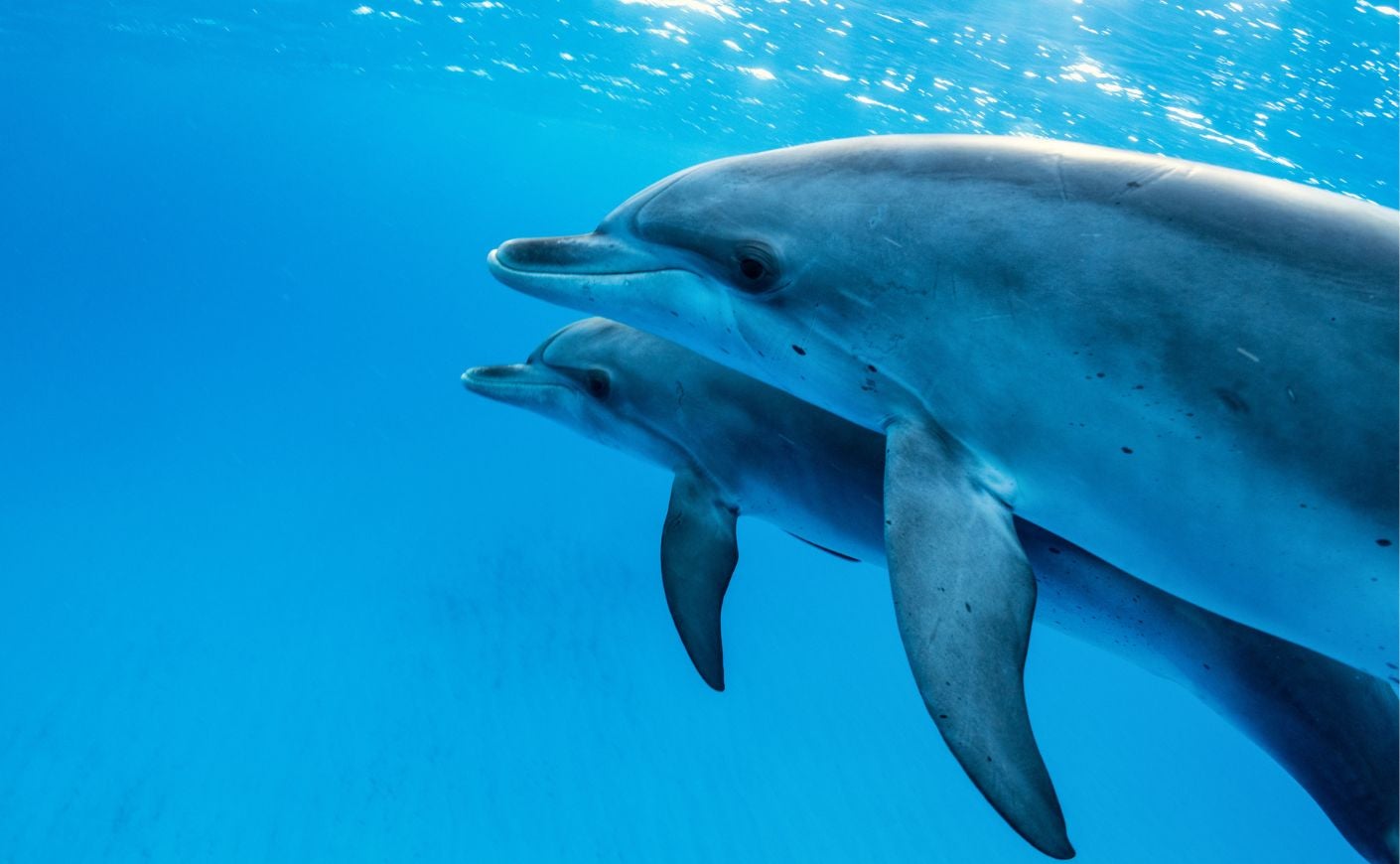
Game farms are less-known but more widespread than most people realize. Just like dolphins, rays, and other marine creatures are held captive in tanks so tourists can enjoy experiences like “swimming with dolphins,” wild animals are kidnapped from their natural habitats, bred in captivity for generations, and kept in small concrete cells in atrocious conditions, only brought out to perform for cameras.
The resulting footage ends up in major films, on magazine covers, across influencer feeds, and even on websites of unsuspecting conservation groups. Once the animals stop being cute, get old, or become too dangerous, they are euthanized. A new documentary, Captured, just premiered at Mountainfilm Festival, where I had the honor of being guest director. Directed by Katie Schuler and Nick Rogacki, and produced by Kate Garwood, the film is finally pulling back the curtain on this industry, following former game farm trainer Heather Keepers and wildlife photographer Melissa Groo as they build a whistleblower case from the inside.
What you can do
We can turn the tide by discouraging unethical photography, and you can learn to spot the difference. If a wildlife image looks off, like a wolf perfectly framed between two trees or a marine mammal oddly close to a concrete wall, be skeptical. If an animal looks stressed or appears to be trying to get away, don't interact with that content, either. Don't engage with anything you suspect is staged or AI-generated.
Follow photographers you can trust. The International League of Conservation Photographers, a group I co-founded more than 20 years ago, is a great place to start. Every member is committed to ethical, conservation-driven work. And if you want your own wildlife experience, take the time to learn how to spot an ethical tourist experience that doesn't harass animals.
Finally, add your name to the Wild Without Walls pledge, a growing commitment from photographers, conservationists, and everyday people to stop liking, sharing, buying, and commissioning staged wildlife imagery. Every name tells governments and industry that we want wildlife to be truly wild.
As we enter this new digital age, we must learn to navigate AI, social media, and the rampant spread of misinformation. We must use the internet responsibly, and part of that means learning how to tell the difference between a photo of an animal that is ethical and one that perpetuates abuse and harms the environment.
Ethical wildlife photography is not only better for wildlife. It comes with real stories and lived experience that produce richer, more meaningful content that teaches us something new, brings us closer to nature, and supports photographers who are authentic, creative, and hard-working.
Paul Nicklen and Cristina Mittermeier co-founded SeaLegacy in 2014. SeaLegacy’s mission is to inspire people to fall in love with the ocean, amplify a network of changemakers around the world, and catalyze hands-on diplomacy through hopeful, world-class visual storytelling. For more updates on their meaningful work, learn more about SeaLegacy, and subscribe to Ripple Effect, Katie Couric Media’s sustainability newsletter.
