






The Trump administration released new dietary guidelines that have reshaped the traditional food pyramid. The recommendations encourage Americans to prioritize protein and eat more full-fat dairy, while cutting back on ultra-processed foods and added sugar.
“My message is clear: Eat real food,” Health and Human Services Secretary Robert F. Kennedy Jr. said at a briefing introducing the guidance.
We're taking a closer look at the revamped food pyramid and what experts are saying about this controversial update.
"There's some good stuff in there," says Dr. Ezekiel Emanuel, a former special advisor on health policy during the Obama administration, who helped craft the now defunct MyPlate guidance. "Other stuff, like the red meat recommendation, just makes you shake your head."
RFK Jr.'s new dietary guidelines
The guidelines, which are updated every five years by the Agriculture and Health and Human Services departments, introduce a reconfigured food pyramid that’s been inverted from the version Americans have seen for years. At the top is cheese, steak, whole milk, and vegetables; at the bottom are whole grains.
The new chart replaces MyPlate, a visual guide that recommended equal parts grains, veggies, protein, and fruit. The update was endorsed by the American Medical Association, which, like the majority of healthcare professionals, praised the condemnation of ultra-processed foods. The guidance singled out “chips, cookies, and candy” and recommended Americans limit added sugar to 10 grams a day.
But other recommendations, like the emphasis on protein and high-fat fare, depart from mainstream medical advice. The MAHA diet encourages people to eat as much as twice the amount of the Recommended Dietary Allowances (RDAs), a widely accepted standard established by the Food and Nutrition Board of the Institute of Medicine. That allowance is 0.8 grams of protein per kilogram of body weight; the government's new guidance calls for 1.2 to 1.6 grams — although many experts, including Dr. Emanuel, say the vast majority of Americans consume “more than enough protein.”

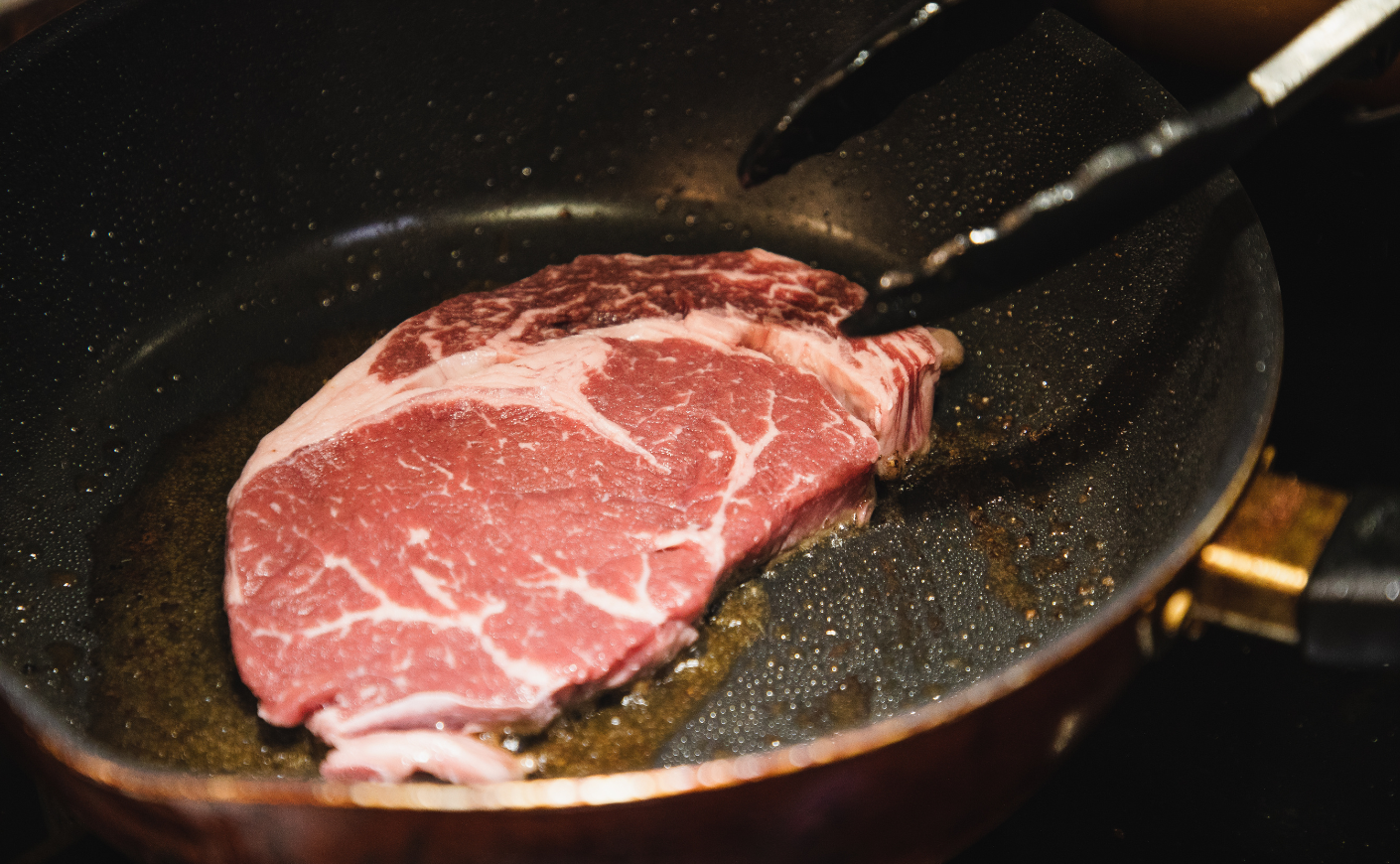
The Trump administration's new guidance also prioritizes red meat, and that Americans cook with butter and beef tallow, items that are very high in saturated fat. This is, as the New York Times reports, contradictory advice, given that the recommendation for saturated fat consumption was left unchanged (at 10 percent of daily calories) — but eating just one eight-ounce rib-eye steak would put most people over that limit.
“I think everybody in nutrition believes we should avoid ultra-processed foods and cut back on added sugars. That’s all good,” Dr. Emanuel says. “But the red meat addition, which is associated with heart disease and stroke, I can’t figure out.”
The administration's nutritional update also replaced the guidance on alcohol. The government previously recommended that men have no more than two drinks per day and women no more than one, which has been swapped out for the more vague guidance that Americans consume “less” alcohol for “better overall health.”
