


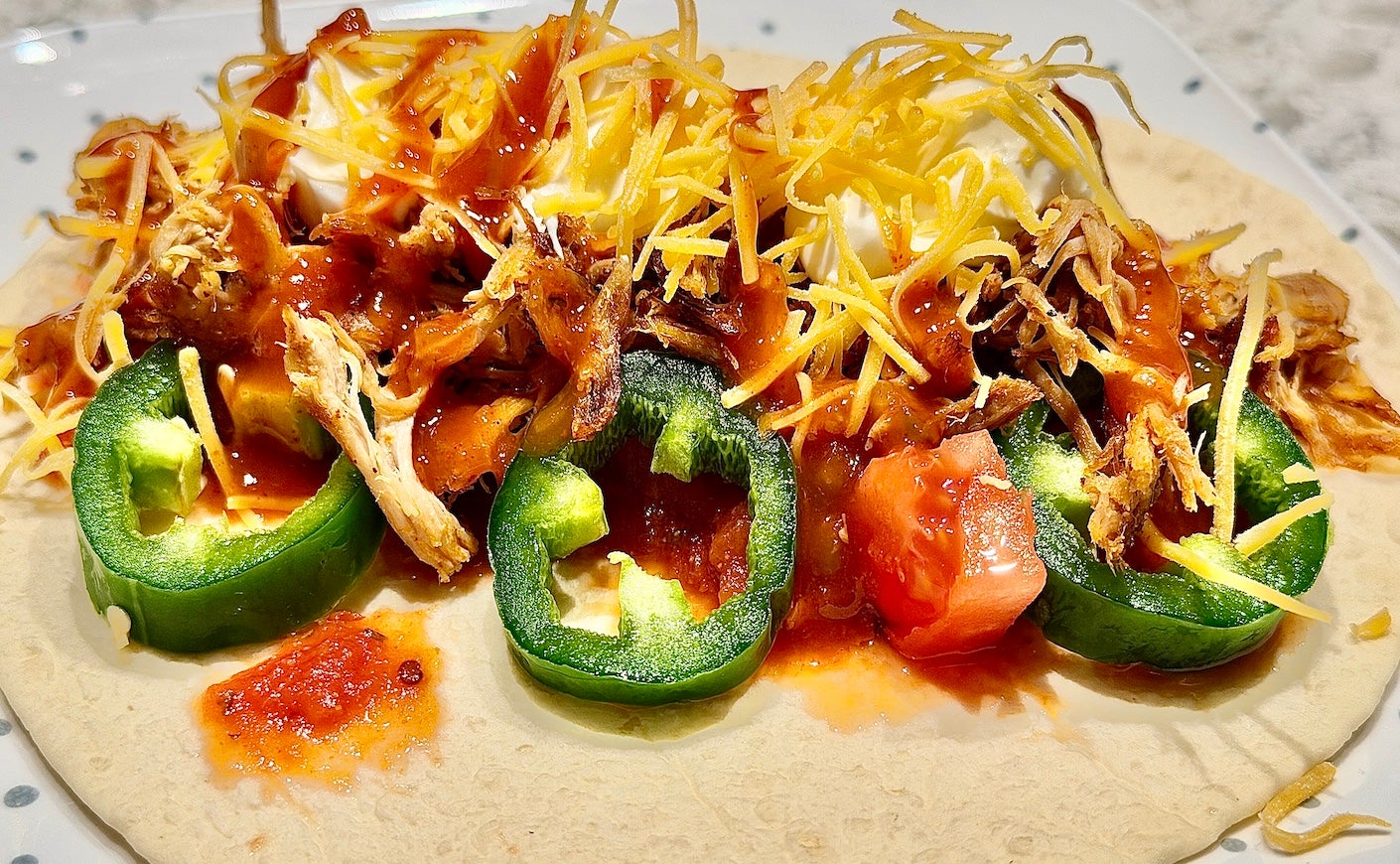
- Jalapeños grown in Sinaloa, Mexico, linked to Salmonella; distributed by Coast Citrus and supplied to chains like Chipotle and Qdoba.
- Outbreak sickened 431 people across 32 states with at least 57 hospitalizations as of Aug 19; Minnesota and Colorado hardest hit.
- Recalled jalapeños contaminated many prepared foods sold at major retailers; consumers should check recalls and discard or return affected products.
- Salmonella symptoms include diarrhea, fever, cramps, nausea, vomiting, headache; seek care for high fever, bloody diarrhea, dehydration, or worsening symptoms.
If it feels like foodborne illness alerts have become a regular part of your news feed this summer, you're not imagining it. And unfortunately, the bad news keeps on coming.
As health officials continue investigating a multistate cyclospora outbreak, they're now warning about salmonella linked to fresh jalapeños that has sickened more than 400 people across multiple states. And that’s not the only salmonella concern right now: A separate cluster of cases has been linked to eggs, while a popular granola product has also been recalled over possible contamination.
Before you pile on the peppers, here's what you should know.
What's causing the salmonella outbreak?
Federal health officials are still piecing together how the outbreak started, but they’ve identified fresh jalapeños as the likely source.
According to the CDC, the contaminated peppers were grown in Sinaloa, Mexico, distributed by California-based Coast Citrus Distributors, and supplied to several restaurants, including Chipotle and Qdoba. Both chains have since taken action: Chipotle switched suppliers, while Qdoba stopped serving jalapeños altogether. The CDC says there’s no ongoing outbreak risk at either restaurant tied to the recalled peppers.
Coast Citrus Distributors has since recalled the peppers in question. Taylor Fresh Foods (also known for their role in the cyclosporiasis saga) also pulled a range of products containing the peppers because they may be contaminated with salmonella.

Products from Taylor Farms (a subsidiary of Taylor Fresh Foods) are sold directly to consumers but are also used in prepared foods sold at grocery stores and restaurants. The affected foods range from salsa and chopped jalapeños to burritos and even a roast beef sandwich. They’ve been sold at major retailers, including Hannaford, Kroger, Stop & Shop, Target, Whole Foods, Trader Joe’s, and Walmart.
And the list has continued to grow. Whole Foods issued its own recall on Aug. 12 for products made with the affected jalapeños, including guacamole, pico de gallo, salsa, and other prepared foods. NatureBest and HEB products have also been pulled. Recalled jalapeños were also distributed to two Costco stores in Texas.
So, what should you do if you think you bought something on the list? Federal officials say consumers should check the latest recalls and throw away or return any affected products rather than eating them. Restaurants and retailers are also being told to check their inventories and stop selling or serving recalled products.
But jalapeños aren’t the only food linked to a Salmonella outbreak right now. Nearly 100 cases have also been tied to white and brown eggs from Midwest Poultry Services dating back to last November. Last week, the FDA classified the egg recall as “Class I” — its most serious recall category, meaning the products could cause serious health problems or even death.
There’s also a separate recall involving Lacnola Lactation Granola, which is geared towards breastfeeding moms. The Hampton Grocer pulled certain 8-ounce bags after a supplier found potential Salmonella contamination in moringa powder used in the product. So far, there haven’t been any reports of people getting sick.
Where is salmonella spreading?
As of Aug. 19, the outbreak has sickened 431 people across 32 states — 86 more cases and five more states since the CDC’s previous update. At least 57 people have been hospitalized, up from 36. Luckily, no deaths have been reported.
Some states have been hit much harder than others: Minnesota and Colorado alone account for more than half of all reported cases.
The outbreak stretches back to early summer, with illnesses reported between June 19 and Aug. 2. And there’s another notable clue: Among people interviewed by health officials, 91 percent said they’d eaten at a Mexican-style restaurant before getting sick.
Those numbers may not tell the whole story, either. The CDC says the true number of illnesses is likely higher because many people recover without seeking medical care or getting tested for salmonella. And because it can take time to link an illness to an outbreak, the case count could keep climbing.
As for that separate egg-related outbreak, 98 illnesses have been reported across 17 states, with cases dating from Nov. 21, 2025, through June 30. So far, 26 people have been hospitalized, and no deaths have been reported. The recalled eggs themselves were distributed to stores and food-service customers in six states: Texas, Arkansas, Louisiana, Oklahoma, Mississippi, and New Mexico.
What are the symptoms of salmonella?
Part of the reason cases continue to grow is that Salmonella can spread from person to person. It’s one of the most common causes of food poisoning, and people typically get sick after eating contaminated food or drinking contaminated water.
According to the Mayo Clinic, symptoms typically appear between six hours and six days after exposure and often include:
- Diarrhea
- Fever
- Stomach cramps
- Nausea
- Vomiting
- Headache
Most healthy people recover within four to seven days without specific treatment. But salmonella can be more serious for young children, adults 65 and older, and people with weakened immune systems, who are at a higher risk of developing severe illness. If you develop a high fever, bloody diarrhea, signs of dehydration, or symptoms that don't improve, the CDC recommends seeking medical care right away.
