






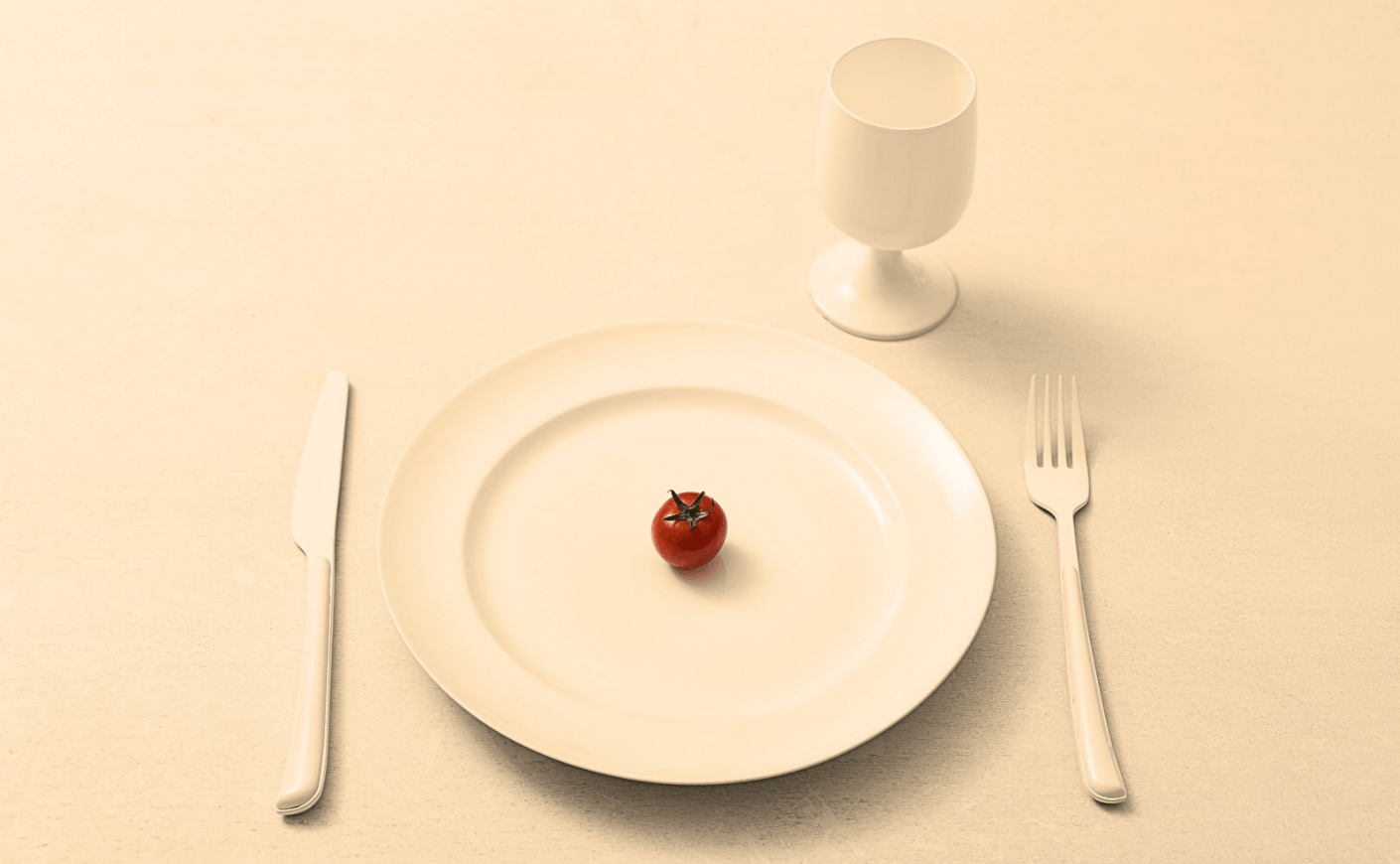
For 30 years, I’ve owned restaurants, and I currently have 14. Our reservation books are full, but over the past two years, I’ve noticed something that those bookings can hide: People are ordering less.
Fewer appetizers. Fewer drinks. Dessert being saved for a special occasion. Across my restaurants, we’re seeing revenue declines of 5 to 10 percent. Friends in the business tell me they’re down as much as 20 percent.
There are plenty of possible explanations, including that dining out has become expensive, and customers have financial limitations. But I’m also observing two shifts that could affect restaurants long after the current squeeze on household budgets eases: the use of medications such as Ozempic, Wegovy, and Mounjaro, which can reduce appetite, and a growing reluctance to drink alcohol.
I can’t tell you exactly how much of our revenue decline comes from either of those developments. A dinner check doesn’t tell me what medication someone takes, or why they skipped a glass of wine. What I can see is that guests are spending less, even when they’re still coming through the door.
For a restaurant owner, this is a difficult problem to solve. The rent for a space is the same whether a table orders three courses or shares two dishes. You still need cooks in the kitchen, someone washing plates, and servers looking after the room.
Alcohol has traditionally helped pay those bills. Food is expensive to buy, prepare, and serve, and drinks often offer better margins. So when guests cut back on wine and cocktails, we lose sales that help make the rest of the operation viable.

As an Italian who believes a beautiful bottle of wine belongs at a dinner table, I’ll admit I miss those orders for reasons beyond the balance sheet. But my affection for wine won’t persuade someone who’s decided they feel better without it.
A leisurely dinner with appetizers, another round, and something sweet to finish can be a very good table for a restaurant. We’ve relied on those evenings. Now we have to work out how to serve guests who want to enjoy themselves with less food and alcohol.
Mocktails are part of the answer: Every restaurant needs a thoughtful zero-proof list, and a good drink can command a price close to that of a cocktail. Still, offering a substitute doesn’t guarantee the same spending. If someone wants one drink with dinner, a longer list won’t necessarily persuade them to order two.
Smaller dishes could help, too. A guest with a smaller appetite should be able to find something satisfying without ordering a portion they won’t finish. Lighter menus and more choices about portion size give people a reason to keep dining out.
Pricing those sized-down dishes takes care, since a smaller serving still requires preparation, service, and a seat in a restaurant with bills to pay. Customers reasonably expect to pay less for less food. We need prices that make sense to them and allow us to stay open.
Mini cocktails might appeal to guests who still want a martini, just less of one. Technology can reduce administrative work and leave staff more time to look after customers. Some restaurants may try to seat another party sooner and speed up the turnover of tables.
That last option makes me uneasy: When you go out to dinner, you’re paying for time with the people at your table as well as what’s on your plate. Rush someone through the evening and you’ve given them a reason to eat at home next time. Keep raising prices and you risk doing the same.
I expect menus to change as restaurants work through this. You may find more small portions, better alcohol-free drinks, and dishes that suit the way you eat now. You may also find shorter dining windows or fewer staff. Some owners, already struggling with rent, labor, and food costs, may decide they can’t make it work.
Of course, none of this makes a customer responsible for keeping a restaurant afloat by ordering more than they want. People have every right to eat and drink in ways that suit their health, their appetite, and their budget.
But restaurant owners need to take those choices seriously. We can’t keep planning menus and budgets around the extra round or dessert that guests increasingly pass up. I want people to come back because they ate well and had a lovely evening. How do restaurants like mine make those visits profitable? It's my job to figure that out.
Janet Zuccarini is the owner of Gusto 54 Restaurant Group, with 14 restaurants across Toronto and Los Angeles, including Felix Trattoria in Venice. She has been in the restaurant business for 30 years and is a resident judge on Top Chef Canada.
