






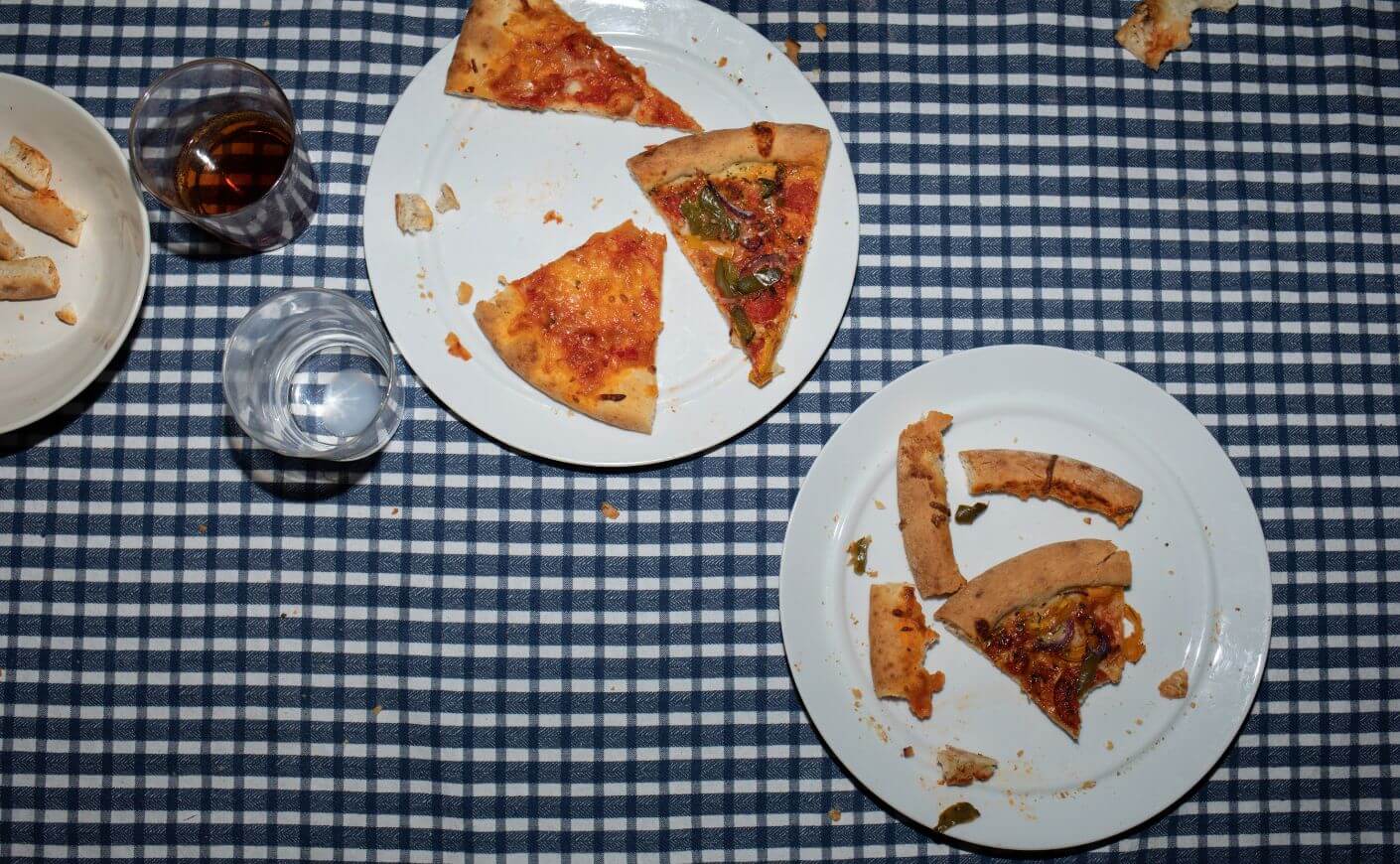
- GLP-1 medications curb appetite and can reduce alcohol cravings, contributing to smaller portions and less frequent drinking.
- Despite smaller appetites, GLP-1 users dine out as often or more, but order smaller, higher protein, vegetable-forward meals.
- Bars and chains are adapting with lower ABV and zero-proof options, while guests linger longer and scrutinize sugar and ingredients.
Whether you've sought out a GLP-1 for yourself or watched friends and family experiment with these increasingly popular medications, you're probably at least loosely familiar with how they target appetite to promote weight loss. Originally approved to help regulate blood sugar in people with type 2 diabetes, GLP-1 treatment can make users feel full sooner and eat smaller portions. Nowadays, it might feel like everyone you know is on them; a 2026 Gallup poll found that the percentage of American adults who take GLP-1 medications for weight loss has risen to 11 percent. That's up from just 3 percent in 2024.
But in addition to reducing the "food noise" that so many of us struggle with, a growing body of evidence suggests that GLP-1 usage may also cut down on alcohol cravings. A March 2026 study found that people taking GLP-1 medications had lower rates of several substance use disorders, including alcohol use disorder. Another study, published in July, found that people taking these medications may drink less often. Beyond their inherent effects, common guidance for consumption on GLP-1s includes avoiding alcohol, eating small, frequent portions, and focusing on protein and fiber.
Based on what you've heard from friends with reduced appetites or relatives who've suddenly stopped needing a drink every night, you'd probably expect less crowded bars and shorter reservation waitlists. In turn, restaurants and bars might go out of business or at least change their approach. But the reality may be more complicated: There's emerging evidence that people taking GLP-1s aren't necessarily passing up the chance to go out to eat and drink. What's keeping bars and restaurants busy as patrons eat and drink less? We looked at new data from the National Restaurant Association and spoke with experts to find out.
How GLP-1s are changing dining habits
So if GLP-1s are changing how people eat, you might expect those new habits to follow them to restaurants and bars, too. But industry insiders are seeing something a bit more nuanced.
"In a recent guest survey, the majority of guests in households where someone is taking a GLP-1 said that they would make an exception to their GLP-1 eating habits when dining at The Cheesecake Factory," David M. Gordon, president of The Cheesecake Factory Incorporated, told us.
Gordon also added that patrons haven't necessarily shied away from alcohol: "We're seeing an increase in sales of our more indulgent specialty cocktails." That observation offers a counterpoint to the idea that people taking these medications uniformly turn away from indulgent food and drinks. In fact, some GLP-1 users might see restaurants like The Cheesecake Factory as a reason to overindulge, regardless of comfort levels or medical guidance.

Less food or different choices?
The National Restaurant Association conducted a 2026 survey that found GLP-1 users are actually more engaged with restaurants than those who aren't taking the medication: "On average, GLP-1 users reported purchasing a meal, snack, or beverage from a restaurant 7.6 times in the week prior to the survey, compared with 5.1 times for non-users."
"In other words," the NRA notes, "despite smaller appetites, GLP-1 users remain highly active restaurant customers, suggesting that while how they order may be evolving, their reliance on and interest in restaurants is not diminishing."
This above-average restaurant patronage persists even as some people using GLP-1s report behavioral adjustments: "A large majority report modifying their ordering habits, with the most common adjustments including choosing smaller portion sizes, prioritizing high-protein items, and incorporating more vegetables into their meals."
"These shifts reflect a broader alignment with dietary preferences often associated with GLP-1 usage, rather than a withdrawal from restaurant dining altogether." The findings suggest that while the medications may change how people eat, they haven't necessarily made dining out less appealing.
But drinking habits may be changing
Over the last year, Lisa Belczyk, the beverage director at Lucky Sign Spirits and national vice president and board member of the United States Bartenders' Guild, says she's noticed guests lingering longer between rounds. When she patronizes bars around the country, she says, people who might have once ordered three or four drinks over a couple of hours are now sometimes nursing their first for much longer. Belczyk clarifies that while she can't be sure GLP-1s are driving the shift, the trend aligns with a broader move toward imbibing less, fueled by growing interest in moderation and mindful drinking.
Belczyk has also noticed guests becoming more deliberate about what they drink: "It’s not uncommon for a guest to choose a full-strength drink that makes a strong first impression, and then in subsequent rounds order something with a lower ABV or a nonalcoholic option to extend the experience without consuming excessive alcohol. Guests are also more knowledgeable about what the lower-ABV cocktail options are — including spritzes, which are extremely popular."
It's not just the alcohol content that guests are scrutinizing. Belczyk recalls, "Two friends who were out together and spending the evening at my bar both inquired as to the exact amount of sugar that was in the cocktails they ordered." (Belczyk explained to them that a half-ounce of simple syrup contains roughly two teaspoons of sugar.) "That interaction was such a strong indicator that guests have become attuned to ingredients and ordering based on specific markers that fit their lifestyles," Belczyk says.
How the industry is preparing for shifting tastes
Restaurants and bars are increasingly making room for guests on both sides of the drinking spectrum, from those looking to indulge to those cutting back or abstaining altogether. It's part of a broader shift toward more flexible drinking habits — one that's only become more relevant as GLP-1 use has grown.
At The Cheesecake Factory, Gordon says the chain has expanded its zero-proof cocktails and non-alcoholic specialty sodas in recent years, most recently adding a pineapple-coconut “dirty soda.”
Other chains are responding to the rise of obesity medications with menus designed to appeal to customers looking for more protein, smaller portions, or other ways to make their favorite restaurant meals fit into their new routines. In recent years, Smoothie King has debuted a GLP-1 menu that includes smoothies like the "Slim-N-Trim GLP-1 Mango Greens"; Chipotle's high-protein menu offers GLP-1 "support meals"; and Shake Shack's "Good Fit" menu includes "GLP-1-friendly" options.
GLP-1s aren't necessarily making people swear off restaurants and bars. Instead, the emerging picture is more nuanced: People still crave the experience of going out for food and cocktails, but they may also order smaller portions, linger longer between drinks, choose lower-ABV or booze-free options, or simply pay more attention to what's in their glass and on their plate. Your monthly girls' night out may not be disappearing anytime soon — but it might evolve. We'll toast to that.
