




If you're hoping to up your culinary game by introducing new textures, flavors, recipes, and decor to your kitchen, why not take inspo from the pros? Recently, multimedia food company Milk Street gave us insight into what could be cooking in the culinary industry in 2026 — and let's just say that restaurant aficionados and at-home culinarians should get excited to sample some of this year's new food trends.
On an episode of the podcast Milk Street Radio, veteran TV personality and chef Chris Kimball interviewed James Beard Award-winning New York Times food writer Kim Severson, who has penned a piece on her 2026 food trend predictions. They chat about the projected "ingredient of the year." (Spoiler alert: You have it in your kitchen right now.) Plus, they dig into a surprising decor decision that marries mental health and fine dining. Also, they serve up piping-hot, new culinary slang guaranteed to impress your dinner party guests.
"Retro rejuvenation"
First on the list is a fun one for home cooks who want an excuse to resurrect and refine old family recipes. "People are calling it retro rejuvenation," says Severson, "or maybe 'fibermaxxing' meets grandma core."
"It's this idea of mixing the wisdom of elders and the old ways of cooking, fermenting, and baking, but with a more modern, functional vibe," she continues. "There's the rise of the tradwife, which is putting a new emphasis on making things from scratch. Martha Stewart and Ina Garten are having great third acts. It's a nostalgia for a past that most people have never really experienced."
If you're seeking a health-forward, old-fashioned dish to add to your repertoire, try this giambotta — it's a nonna-approved, Italian veggie stew that you can make using whatever seasonal vegetables you've got in your crisper.
Creamy textures
"Now, for a lot of diners, texture is as important as taste and nutrition," Severson tells Kimball.
"You know this notion of springy foods or chewy foods? Boba tea, or the cheese pull vibe?" Severson asks, referring to distinct food textures that have become popular (and gone viral) in recent years. "Now, some people are saying crunchy is out and creamy or velvety is in. Other people are still holding out that chewy is now the new crunchy. We'll talk next year, and I'll let you know about that."
Try a luscious cream of broccolini and smoked Gouda soup to hop onto the creamy trend. Even if smooth, velvety dishes don't end up dominating the culinary scene, you won't regret making it for dinner.
"Neurodivergent food"
Severson and Kimball didn't just talk food; they also discussed restaurant decor and culture. "There's this other kind of interesting trend happening, which is thinking about neurodivergent food," Severson points out.
"We started to see a real rise in ASMR videos," Severson says, referring to popular online content designed to trigger a relaxing, tingling sensation, typically in the scalp and neck. "Those are the videos where you hear somebody tearing up a package, chewing a certain way, or eating something crunchy in a special kind of microphone. For some people, that gives them a really pleasant sensation. This idea of sound — and how that affects how you experience food — is big."
What those videos highlight is how deeply sound shapes our experience of food. For some diners — particularly those who are neurodivergent or have sensory processing sensitivities — sound isn’t just background noise. Instead, sound can heighten pleasure or cause real discomfort. The same heightened sensory awareness that makes ASMR satisfying for some can make a clattering dining room overwhelming for others.
To factor guests' mental wellbeing into the dining experience, some spots have begun factoring neurodivergence into their layouts: "Restaurants are designing areas that are much quieter or lower impact for people who have sensory issues. All of that is appealing to a certain segment of people."
Value
This trend won't surprise anyone who's shopped for groceries in 2026. "I just saw a great stat from Nielsen that said 81 percent of shoppers have switched brands to get a better deal in their grocery shopping," Severson tells Kimball. "So, people are obviously concerned about money." And loyalty is not a priority; shoppers will abandon a beloved brand to save in the end.
"They still want to spend money on ingredients in restaurants, but there has to be a good value proposition." In other words, diners are still happy to splurge — if the plate earns its keep.
North American ingredients
Severson points to an already burgeoning trend that she thinks will continue to grow: "North American ingredients are very big."
She lists some of the ways culinary creators are using ingredients native to the North American continent. "There's a paw paw soda that some folks in Kentucky were playing around with," she says, referring to a small fruit with a custard-like texture that tastes somewhat like banana and pineapple.
"There are indigenous [restaurants] now," Severson continues, highlighting chefs who are opening spots that celebrate Native American cuisine.
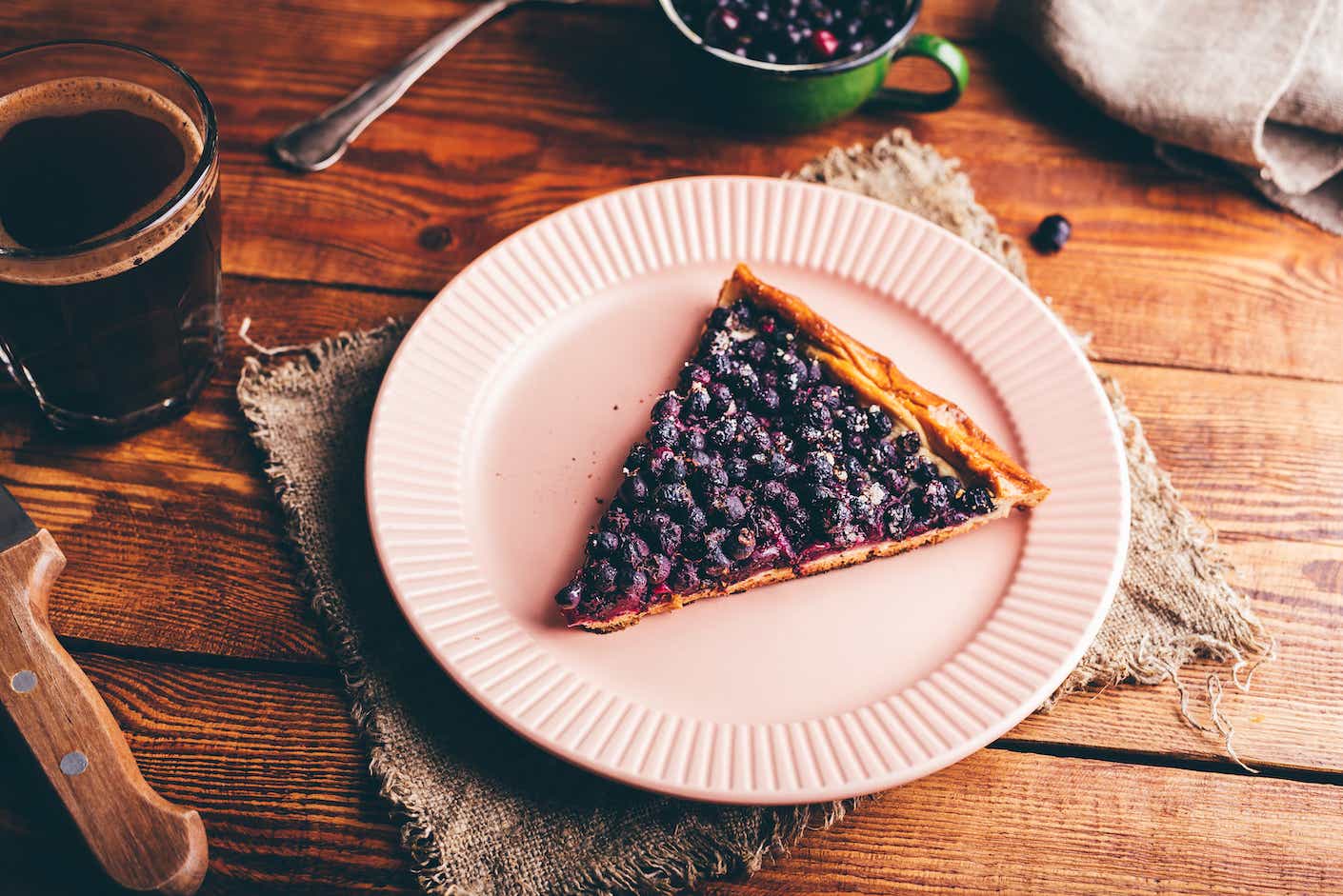
"There's the Saskatoon juneberry showing up on some menus," she adds. This little berry — which is also called the serviceberry — grows in parts of Canada and the United States. It has a sweet, nutty flavor and is often used in pies and jams.
"This notion of tariff-free, North American ingredients is going to be very popular." Let this be your excuse to stock up on passport-free pantry staples, be they chiles, squash, or berries.
Dopamine decor
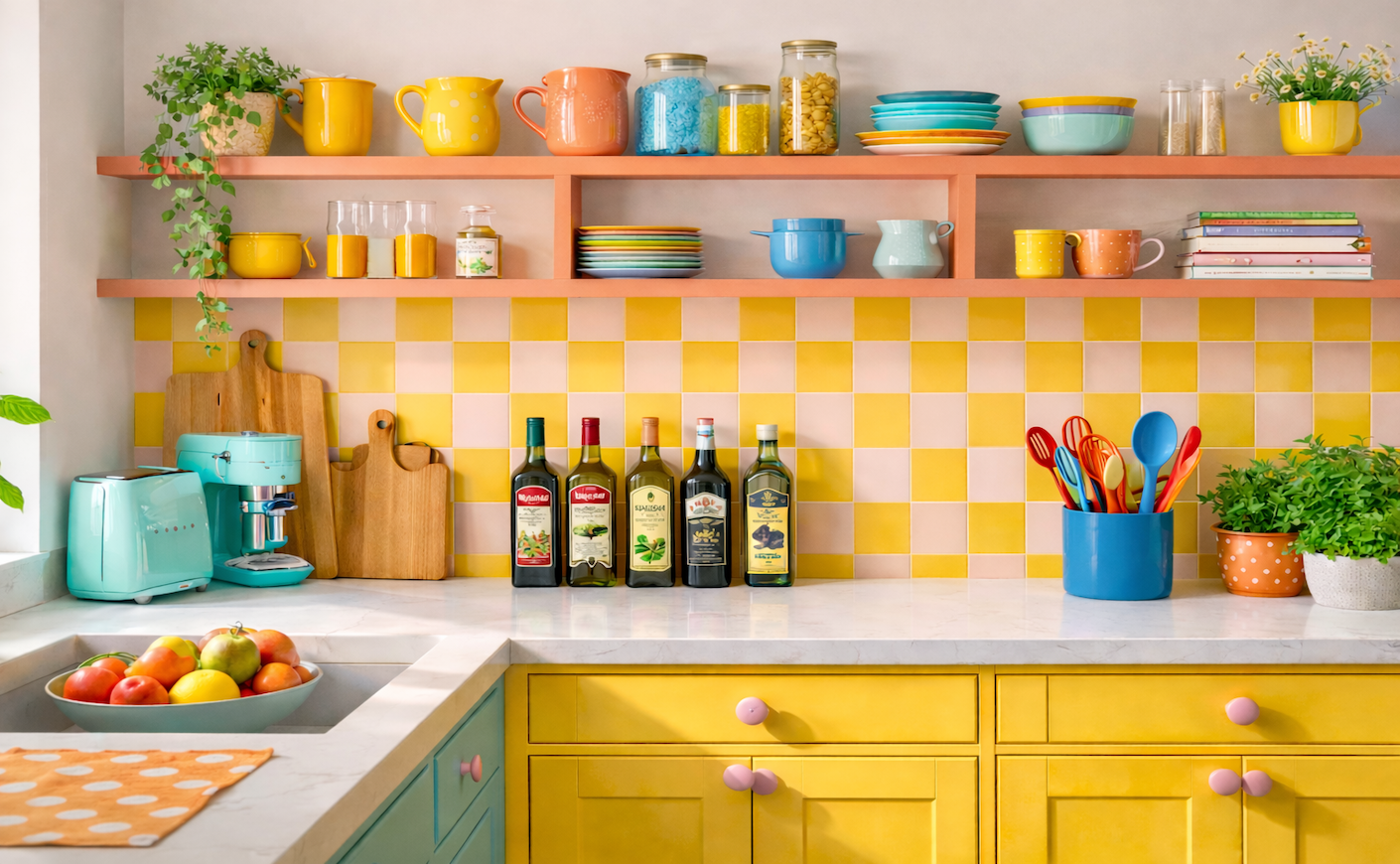
"We're moving out of the Nordic vibe in kitchens and into dopamine decor," Severson claims, referring to an existing interior design trend focused on creating joyful, vibrant spaces that boost mental well-being by triggering dopamine release. " [Intentionally displaying] what you've purchased, like beautiful bottles of olive oil or well-designed fish tins. People are enjoying seeing the things they've bought."
This new approach may also change the look of your favorite date night spot: "In restaurants, you're seeing a little bit more attentiveness to uniforms or the linens. Or there are more floral displays." Basically, the food might still steal the show, but the table is dressed to impress.
Vinegar
"What I'm going to declare the ingredient of the year?" Severson asks before delivering the big news: "Vinegar."
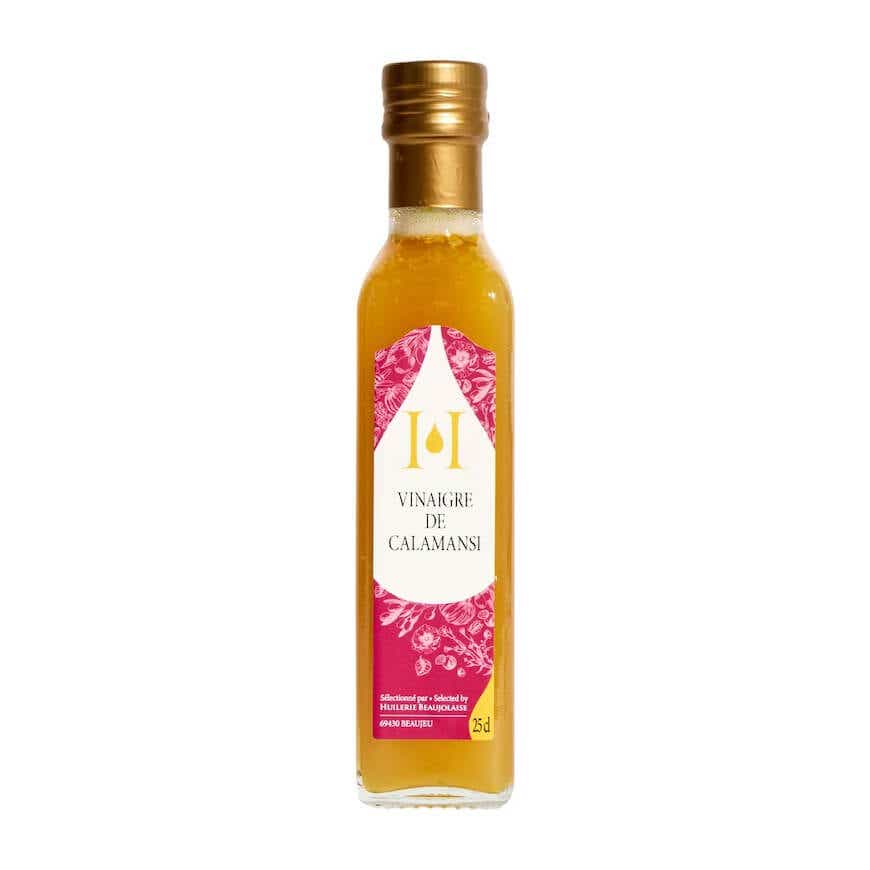
Kimball responds that he recommends calamansi vinegar. Calamansi is "sour orange," he explains — "You can throw it on any salad and all of a sudden, it's a home run."
"Some chefs are spritzing a nice, warm cookie with thyme vinegar at the end to give it some balance," Severson adds. "There are some really lovely, fruity vinegars that people are into." Don't knock it 'til you try it — sweet, sour, and herbal might just be the dessert plot twist you didn’t know you were craving.
Flights
Severson points out that small serving sizes are in the midst of having a moment: "There are butter flights, taco flights, and Jell-O shot flights. In Brooklyn, there are cream cheese flights."
"People want little samples," she says. "We're in a snackified moment, so everything's about [having] a little taste."
If the phrase "butter flights" made you perk up your ears, this trio of compound butters from Joanna Gaines is the perfect starting point for dishing up a variety of your own little bites.
"Swangy"
Want to debut a new slang term around the dinner table? Severson has one on hand. "We're seeing interest in savory sauces — a lot more fruit-forward flavors and condiments, like fruit in coffee," she says. "Which brings me to the importance of 'swanging.'"
"We were in a period in which sweet and spicy ruled the world, particularly in what they call the QSR, the quick serve restaurant world," Severson explains. "Now it's 'swangy,' things that are sweet and tangy."
Since sweet-and-tangy is officially having its main-character moment, we urge you to make whiskey and sweet tea-glazed salmon this weekend. It’s the entrée that sets the tone for a truly swangy year.