






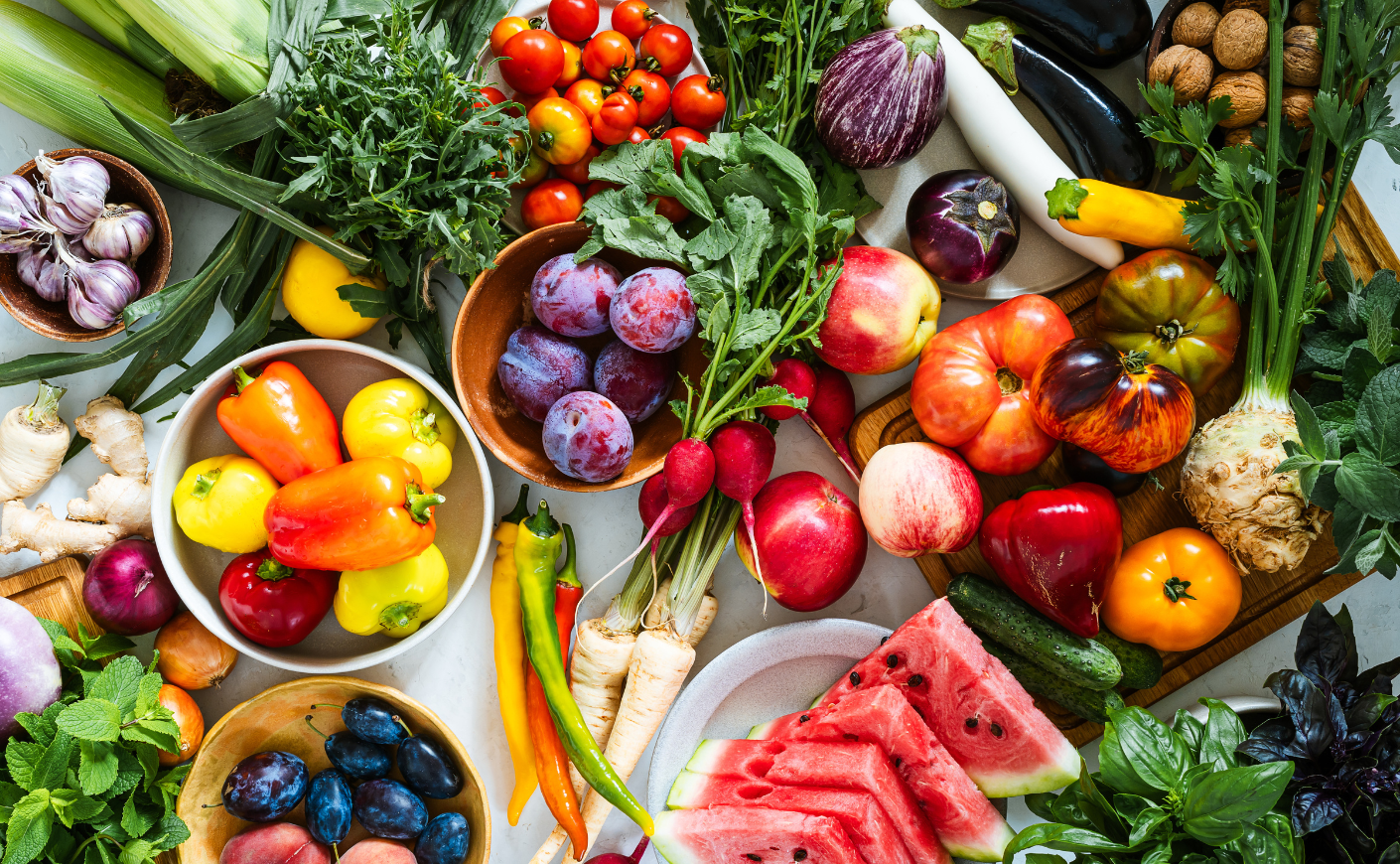
An influential health advocacy group has released their list of the 12 fruits and vegetables contaminated with the most pesticide residue.
According to the Environmental Working Group, 96 percent of samples in the “Dirty Dozen” were covered in some type of pesticide, including PFAS or toxic “forever chemicals,” which don’t degrade. The nonprofit also announced their list of the “Clean Fifteen,” the grocery store produce which had the lowest levels of pesticides.
The EWG has produced the report every year since 2004 by analyzing the most recent results from the U.S. Department of Agriculture’s pesticide tests, which examined 54,344 samples of 47 types of produce. Each sample was peeled or scrubbed and washed thoroughly before being tested, CNN reports. Even still, the USDA reported traces of 264 pesticides across the samples.
There’s some evidence linking pesticide exposure to premature births and birth defects, as well as issues like lower sperm count, heart disease, and even cancer. Children are also more susceptible to contaminants.
“Consumers have the right to know what’s on their food,” EWG science analyst Varun Subramaniam said in a news release. "This year’s findings underscore the presence of PFAS pesticides in the food supply."
Here’s a closer look at the report, including the most common pesticides and what you can do to reduce your exposure.

The "Dirty Dozen"
The EWG’s list highlights the produce with the highest levels of contamination “based on the number, amount, and toxicity of detected pesticide residues,” the nonprofit says.
This year, spinach topped the list. The leafy green had more pesticide per weight than any other type of produce — and, on average, samples had traces of four different types of pesticides, per the EWG. In the second spot was kale, collard, and mustard greens, followed by strawberries, grapes, and nectarines. See the rest of the Dirty Dozen below.
- Spinach
- Kale, Collard, and Mustard Greens
- Strawberries
- Grapes
- Nectarines
- Peaches
- Cherries
- Apples
- Blackberries
- Pears
- Potatoes
- Blueberries
What types of pesticides were detected?
The kinds of pesticides varied based on the produce. About 90 percent of potatoes, for example, contained high levels of a chemical called chlorpropham, a plant growth regulator banned in the E.U. Whereas 67 percent of apples tested for diphenylamine, a chemical that prevents the fruit's skin from browning in cold storage.
Fludioxonil, a fungicide added to produce after it’s harvested to prevent mold, was the most frequently detected across different sorts of produce. The chemical was found in 14 percent of samples — and in nearly 90 percent of peaches and plums, according to the report.
Fludioxonil is considered by some researchers to be a forever chemical, although the U.S. Environmental Protection Agency doesn’t classify it as such. According to EWG, three of the 10 most commonly found pesticides (including fludioxonil) meet the internationally recognized definition of PFAS.
Researchers have become increasingly concerned about the prevalence of PFAS in our water and soil because these chemicals can take hundreds of years to break down and have been linked to issues like cancer, hormone disruption, high cholesterol, decreased fertility, and more.
The Alliance for Food and Farming, a trade organization, has consistently criticized the annual Dirty Dozen report of overstating the risks posed by such low levels of pesticide residue. In a news release, the group says more than 99 percent of the commodities sampled have traces of pesticides “well below the stringent safety standards” set by the EPA.
Still, the EWG insists there’s cause for concern: “The PFAS pesticide is the active ingredient in these products because it’s effective at killing things — which is the very reason why it’s so concerning to public health and the environment at large,” Bernadette Del Chiaro, EWG’s senior vice president for California operations, tells CNN.
The "Clean Fifteen"
Here are the fruits and veggies with the lowest levels of pesticides. Nearly 60 percent of the produce on this list had no detectable residue.
- Pineapples
- Sweet corn (fresh and frozen)
- Avocados
- Papayas
- Onions
- Sweet peas (frozen)
- Asparagus
- Cabbage
- Cauliflower
- Watermelon
- Mangoes
- Bananas
- Carrots
- Mushrooms
- Kiwis
How to limit your pesticide exposure
The EWG recommends buying organic versions of the produce on the Dirty Dozen list and opting for the Clean Fifteen when you can. The group also suggests looking for frozen options, which can be more affordable, if buying fresh organic produce doesn't fit into your budget.
Lastly, washing your fruits and veggies can still reduce your exposure. The EWG recommends three different methods.
Firmer items, like potatoes and carrots, should be rinsed with tap water for at least 20 seconds while rubbing and rotating it and using a brush or cloth to remove any remaining dirt or residue.
For softer produce, like berries and leafy greens, try soaking and rinsing them. The EWG recommends soaking items for 10 to 15 minutes in water and then giving them a quick rinse. You could also try soaking it in a baking soda or vinegar mix. For baking soda, use one teaspoon for every cup of water, or mix one part vinegar to three parts water. Soak produce for five to 10 minutes and rinse off any remaining residue.
