






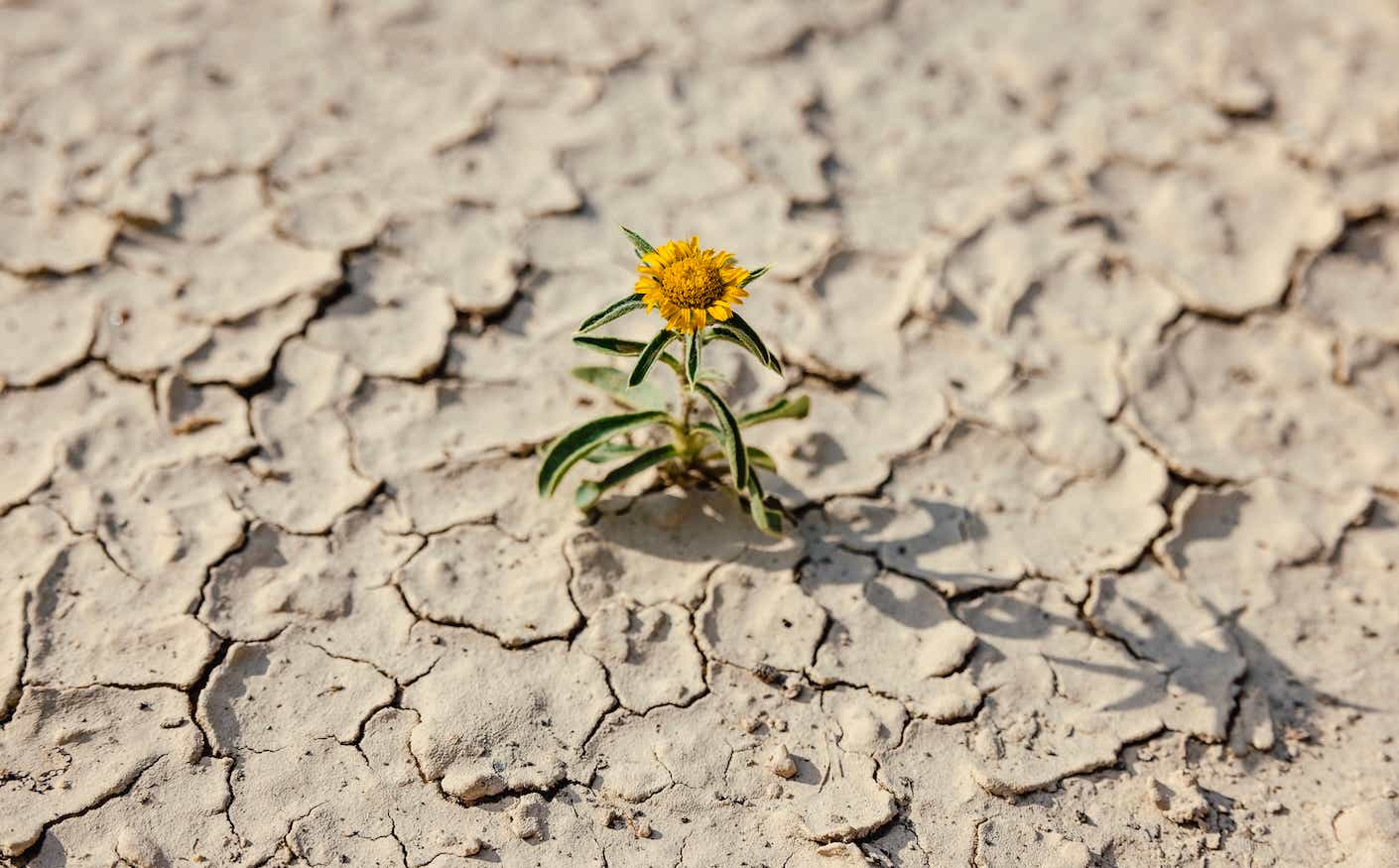
Turn on the news, scroll through your feed, or eavesdrop in the checkout line, and it doesn’t take long to feel it: a low-grade hum of dread. When confronted by political polarization, AI-induced anxiety, economic instability, and acts of violence that seem both shocking and normalized, many people harbor a persistent feeling that the system is fundamentally broken. The world seems like a powder keg, and we’re all just waiting for the spark.
For some, that dread manifests as doomscrolling and hypervigilance. For others, it arrives as an emotional shutdown and a general sense of numbness. When problems feel massive and systemic, individual action can seem meaningless, and it’s tempting to conclude that optimism is simply naïve. But at our core, most of us sense that protecting our mental health and staying positive despite it all is essential to making things better. That’s why we asked an expert to share tools for staying grounded and avoiding burnout during intense times. According to him, sometimes all it takes is a look inward.
Recognize the effects of existential dread
Famous Erwin, LMHC, LCPC, LPC, and therapist with Talkspace, says he’s seen a spike in clients coming to him feeling all-consuming fear or foreboding. “My goal is to try to help people reframe their thinking about the state of the world,” he says. A perspective change could be more important than you’d think, considering what this type of consistent, low-level stress can do to the nervous system. “When your nervous system is on constant alert, your brain adapts to expect everything to be stressful,” Erwin explains. “So even small things that might not have bothered you before become overwhelming.” That problem compounds if you then transfer those feelings onto the people around you: you might become short-tempered or more easily frustrated, which can then take a toll on your relationships.
Guard against helplessness
If you’ve noticed your reaction to certain world events shifting from outrage to resignation, it’s because there’s also only so much outrage one person can take, and it’s natural to feel burnout. When we’re repeatedly exposed to uncontrollable negative situations, we develop a sense of futility, resulting in a state called learned helplessness. Erwin describes it like this: “Let’s say your mother wants you to get straight A’s, but no matter how hard you study, you keep getting C’s. When you keep doing all you can to change your grade, but no amount of work seems to make a difference, you’re eventually going to stop trying.” In the current climate, this could mean deciding it’s not worth it to vote, or withdrawing from volunteer work because you feel like one person can’t make a difference.
Avoid toxic positivity
Things are tough right now, but they’ll get better in time. Maybe you know someone who thinks like this, or maybe you’ve even said these words yourself. But we all know that ignoring our problems doesn’t make them go away, and the same goes for problems on a global scale. “When we see upsetting footage in the news, it’s tempting to dismiss it as normal, to avoid dealing with the emotions that come along with it,” says Irwin. “It’s kind of like hiding under the covers to protect yourself from the boogeyman.”
While it might seem counterintuitive, over time, consistently defaulting to optimism can actually backfire. Reassuring ourselves that “everything will turn out fine” both minimizes real-world problems and shuts down the discomfort that’s often needed to galvanize people to act. Trying to stay constantly upbeat also causes us to ignore emotional responses like fear or anger. “It’s important to feel those feelings too,” says Erwin, “because they can be useful signals when something is wrong and needs attention.”

Put guardrails on news consumption
Are you the type of person who always has the news on in the background, or do you scroll through your CNN app during every free moment? It’s no wonder you’re feeling burned out — we weren’t designed to take in this much information on a daily basis. We should be, as Gen Z likes to say, out touching grass.
If this describes you, “put time limits on news consumption,” recommends Erwin. Just as people did before the 24-hour news cycle existed, he suggests setting aside 30 minutes to consume an evening news broadcast or read the paper. “If you’re checking the news every few minutes, you’re constantly exposing yourself to stories that could provoke fear and anxiety.” Getting one daily digest of the news (say, by reading Wake-Up Call every morning) should give you enough information to stay informed. And if anything truly major happens in between, Irwin says to remember that the news will ultimately find you: “You’re inevitably going to hear about it, whether or not you intentionally seek it out.”
Find your inner sanctuary
We’ve all heard the phrase, “put your own mask on before helping others.” That's a theory you can apply to life in general: If you’re approaching the world from a place of burnout or cynicism, you’re not going to feel equipped to stand up for what you think is right. “You need to figure out a way to control and regulate your own emotions before you can take on existential burdens,” says Erwin. “Inside each of us is a sanctuary — you just have to figure out your own way to find it.”
To get yourself to that "sanctuary," Erwin says you need to learn to control the controllable. “When my clients come in and tell me they’re filled with anxiety over the state of the world, I’ll tell them to stop, check in with themselves, and slowly and intentionally count down from 29,” he says. “When you’re really focusing on the numbers, you’re doing something that’s totally in your control.” When you feel your thoughts racing, he also suggests stopping to look around you for something beautiful. “Maybe it’s a bouquet of flowers, or a photo of your friends. Whatever you focus on grows, so take a beat and remember to look for the positives.”
When you break the cycle of learned helplessness and let the fog of existential dread lift, you might find you have the energy to re-engage with the world in a way that can make a meaningful difference. Whether that means volunteering your time to an important cause, donating to a politician whose vision aligns with yours, or getting out to vote for every local election, those little actions that can add up to substantial change — both in the world at large, and inside your psyche.
