






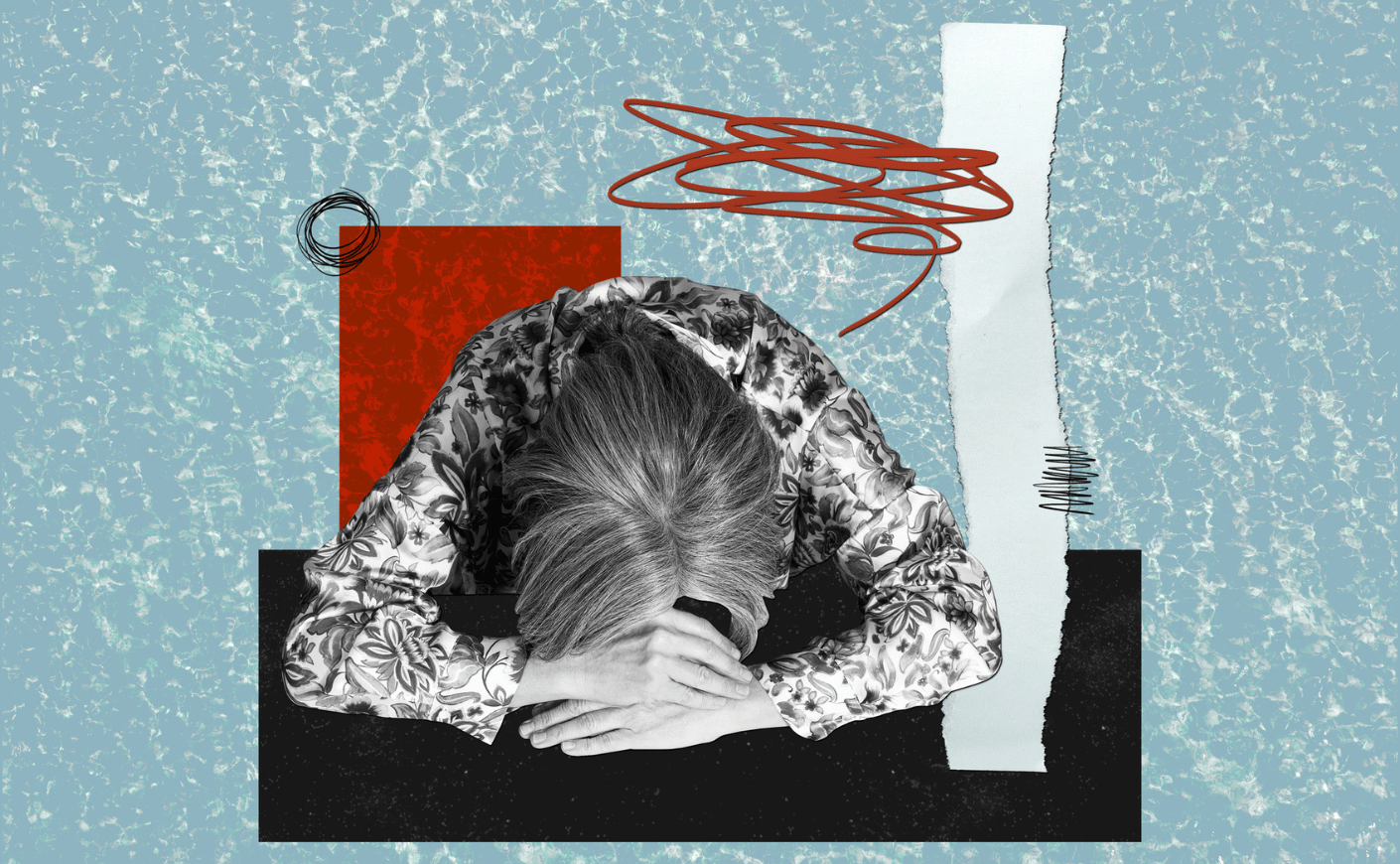
One afternoon, in a boardroom filled with colleagues, Sateria Venable felt something shift in her body and knew instantly what that meant. She stayed seated, trying to hold her composure as she passed large blood clots in silence, surrounded by coworkers who had no idea what was happening.
“It was horrifying,” Venable recalls. “You’re expected to perform, to deliver, to excel, and meanwhile, your body is doing something you can’t control.”
Prior to her diagnosis, Venable still believed what she was experiencing was normal. Like millions of women, Venable grew up thinking that heavy, painful periods were simply part of life. It wasn’t until her symptoms became impossible to ignore — and she was diagnosed with uterine fibroids — that she realized otherwise.
“I didn’t even know what a fibroid was,” she says. “And at that moment, I learned two things: that I had fibroids and that what I had been living with was not normal.”
When a “normal period” isn’t normal
Heavy menstrual bleeding — defined as bleeding that lasts more than seven days, requires changing your protection every one to two hours, or includes passing large clots — can significantly disrupt daily life. One of its most common causes is uterine fibroids, benign tumors that affect an estimated 70 to 80 percent of women by age 50.
And yet, many women don’t seek care. “There was never a point where I thought something was wrong,” Venable says. “I just thought it was my plight.”

That normalization is deeply ingrained, shaped by both cultural stigma and gaps in medical education.
“Menstrual pain is one of the only types of pain described as ‘normal’ in medical literature,” Venable explains. “So we’ve been conditioned to dismiss it, even when it’s disrupting our lives.”
The hidden toll of heavy bleeding
For Venable, the impact of fibroids extended far beyond inconvenience.
Physically, the constant blood loss left her exhausted and depleted. “Your body never has a chance to recover,” she says. “Your hemoglobin drops, you’re short of breath, you can’t move the way you used to.”
Emotionally, it was isolating. She avoided social events, wore only dark clothing, and lived in fear of visible leaks.
And professionally, the stakes felt even higher. “I worked in a male-dominated industry,” says Venable, who held a role in construction management at the time. “I was often the only woman in the room. There was no space to say, ‘I’m not OK today.’”
Instead, she pushed through. She took cabs when she didn’t have the strength to walk, traveled for work while managing symptoms, and endured moments of quiet panic in public spaces. “It’s silent suffering,” she says. “No one knows what you’re experiencing, but you’re expected to keep going.”
Why many women suffer from heavy flow in silence
Venable’s experience is far from unique. Many women grow up watching mothers, sisters, and relatives endure heavy periods without discussion. “Generationally, we’ve been told not to talk about it,” says Venable. “So we normalize it.”
But that silence can delay diagnosis for years — and sometimes decades. After years of surgeries, searching for answers, and helping other patients find their voice, Venable founded The Fibroid Foundation in 2013 to advance education, advocacy, research, and legislative change for women affected by fibroids. “When I learned that up to 80 percent of women will have fibroids by age 50, I thought, Why isn’t everyone talking about this?” she says. “Why aren’t we yelling this from the rooftops?”
What women are doing to cope — and why it’s not enough
For many women, managing heavy bleeding becomes a daily negotiation. That’s something Rachel Zipperian, a scientist at Always, has seen firsthand through consumer research.
“We talk to women all around the world, and what we heard about was a type of heavy flow that most people don’t even realize exists,” she says. “Managing it can be incredibly disruptive — women were building their entire lives around their periods.” Some women described wearing multiple pads at once. Others carried extra clothing or planned their days around access to a bathroom.
“We heard about women working from their bathtubs,” Zipperian says. “We heard about women bringing ‘go bags’ with multiple outfits. One woman told us she was in an exercise class and a clot fell out while working out. She was mortified.”
These experiences, she says, were both eye-opening and urgent. “It was heartbreaking,” says Zipperian. “But it also made one thing very clear: we needed to do better.”
Designing period care for a reality most people don’t see
Those insights led to the development of Always Maxi Size 6, the brand’s most absorbent maxi pad to date, designed specifically for heavier flow.
“It’s about 20 percent more absorbent than our Size 5,” Zipperian explains. “We made it longer, added a larger back panel, and introduced leak-guard barrier cuffs to help manage clots and sudden gushes.”
That last feature addresses a particularly challenging — and often misunderstood — experience. “A gush can happen when you’ve been sitting for a long time,” Venable explains. “When you stand up, blood can release all at once…sometimes at up to 200 times the normal flow rate.”
For women experiencing heavy bleeding, these moments can be unpredictable and distressing. “The goal is to help women feel more confident and secure,” Zipperian says. “So they don’t have to plan their life around their period.”
Changing the conversation
While better products can help manage symptoms, both Venable and Zipperian emphasize that awareness is just as critical. That’s why Always recently partnered with The Fibroid Foundation to help bring more visibility to heavy menstrual bleeding and one of the most common conditions behind it.
“There’s a bigger mission here,” says Zipperian. “This is about education, advocacy, and making sure women understand what their bodies are telling them.”
For Venable, the partnership represents an opportunity to reach more women — and break the cycle of silence. “When millions of women are suffering, we need a conversation that matches that scale,” she says.
Today, Venable encourages women to trust their instincts and seek care when something feels off. “We know our bodies best,” she says. “If you’re bleeding for more than seven days, if you’re short of breath, or if you’re in pain, those are important signals.”
Venable says women experiencing those symptoms should talk to a healthcare provider about what may be causing them, including whether fibroids or another underlying condition could be involved. Getting answers is the first step toward finding the right plan for treatment and support. “No woman should have to sit through a meeting, smiling, while she’s hemorrhaging,” she says. “That should not be normalized.”
For too long, heavy menstrual bleeding has lived in the shadows — minimized, dismissed, or simply endured. But as more women share their stories and demand better care, that silence is beginning to shift.
“You can’t address what you don’t talk about,” says Venable. “Advocacy is changing that.”
Learn more about heavy menstrual bleeding and fibroids here.
The information provided in this article is for educational purposes only and is not intended as medical advice or a substitute for medical care. If you are experiencing heavy menstrual bleeding, pain, shortness of breath, or other concerning symptoms, consult a healthcare provider.
