






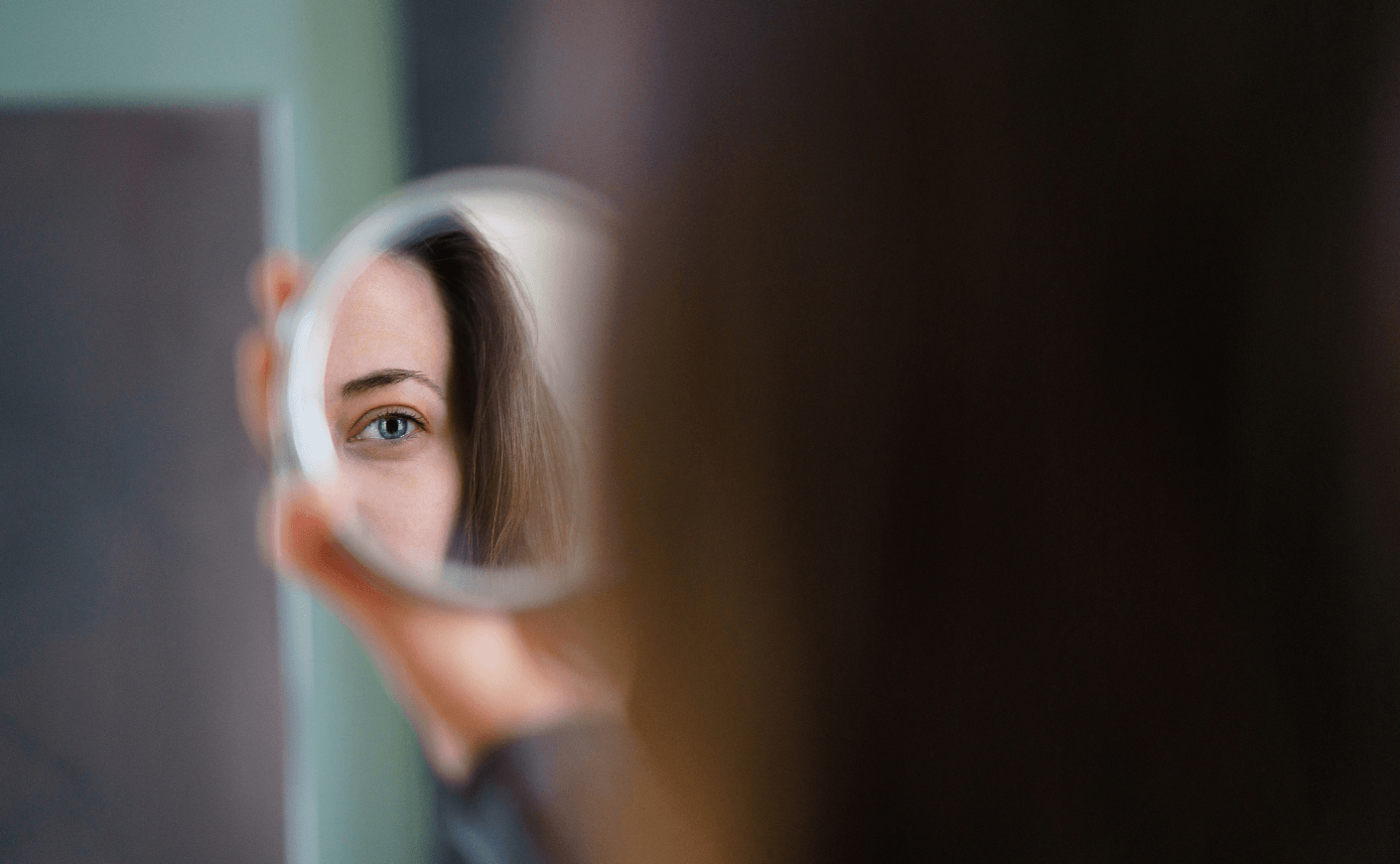
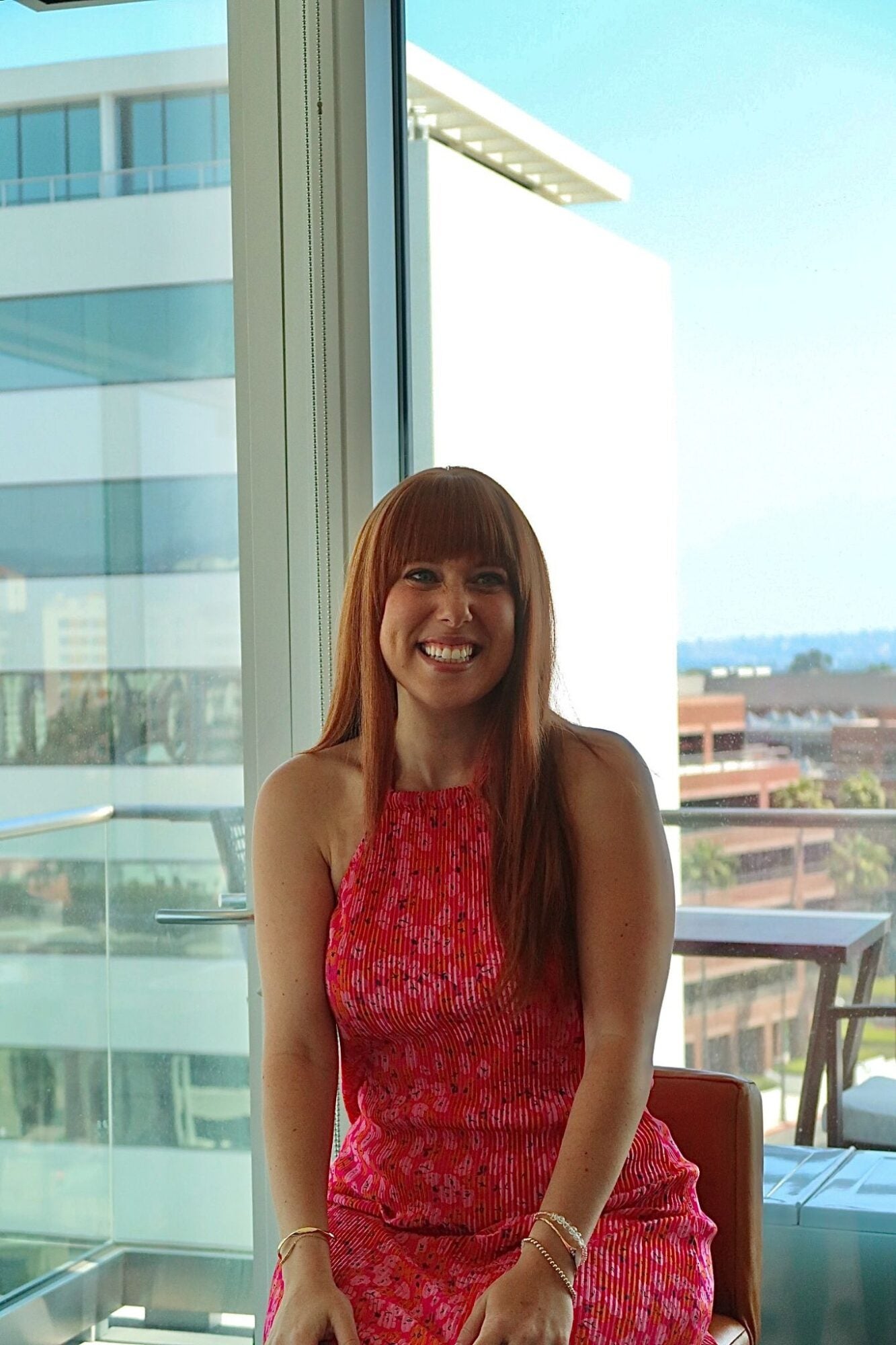
In February of 2025, Amanda Ogen was 32 and felt unstoppable. In anticipation of her best friend’s wedding in August, she had joined a weight loss program, hitting her goal six months early. “I was so proud of myself for the work I’d done, and I loved how my body looked. I felt beautiful,” she says.
Less than a year earlier, Ogen had been having an incredible month: She’d established a career in reality TV casting and was working on-location for a new show shooting in Mexico. But after a long day, she stepped into the shower, where she felt something that made her pause: a ping-pong-sized lump in her breast. “I’d been having this magical month in Mexico, and it felt like nothing could go wrong,” she remembers. “So while the lump threw me a little bit, I assumed that like every other weird body thing I’d ever ignored, it would eventually just disappear.”

Two months later, back home in Los Angeles, the lump was still there. A visit to her PCP led to a mammogram, then an ultrasound, then a biopsy — and finally, a diagnosis: stage 2 hormone receptor-positive, HER2-negative breast cancer.
At first, Ogen tried to distance herself from the reality of her situation, telling friends she had “cancer cells in her breast” rather than saying she had breast cancer. That illusion shattered when she learned her cancer treatment would include surgery, radiation, and chemotherapy. But what unsettled her most wasn’t just the diagnosis — it was what would happen to her body. “My biggest fear,” she says, “was that all this work I’d done on my body would have been for nothing.”
As her doctors explained the process, Ogen learned that chemotherapy could affect her hair, skin, and weight. Hormone-related treatment could bring other, invisible side effects like hot flashes — shifting how her body felt, not just how it looked, and surgery and medical devices would likely leave lasting marks and scars.
Before chemo, Ogen had her gel nail polish removed (doctors need to monitor the natural color of a patient's nails during treatment). "I literally cried in the salon looking at my hands," she says. "That felt like the first step of me losing my femininity. And I knew I was only going to lose more."

Her fears over the changes to her body were palpable, but losing her hair, she says, felt like the biggest tragedy. “I wasn’t attached to my hair specifically,” she explains. “I was attached to having hair — to fitting in with the societal norms of looking like a woman.” She had been reassured by her doctors that since the disease had been caught early, her cancer would likely be treatable. But in some ways, that made losing her hair even more difficult. “From the beginning, I was told [by my doctors] it was very likely I would beat this,” she says. “So I wasn't as hung up on the diagnosis as I was about what I would look like… Maybe that sounds superficial, but it’s the truth, and I don't regret or question those thoughts.”
Around 65 percent of women undergoing chemotherapy will lose their hair, and the psychological impact of hair loss for women can be devastating, as many women feel a strong tie between their hair, their femininity, and their sense of self. One survey found that 44 percent of women said having breast cancer negatively impacted their body image, and more than a third reported that their diagnosis worsened their mental health and self-esteem. Another study found that roughly half of women diagnosed with early breast cancer felt depression and anxiety a year after their diagnosis, with around 15 percent still feeling those effects five years later.
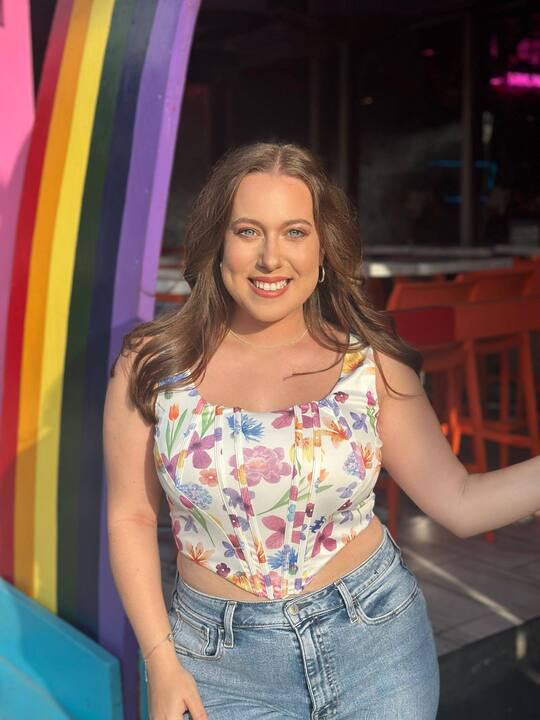
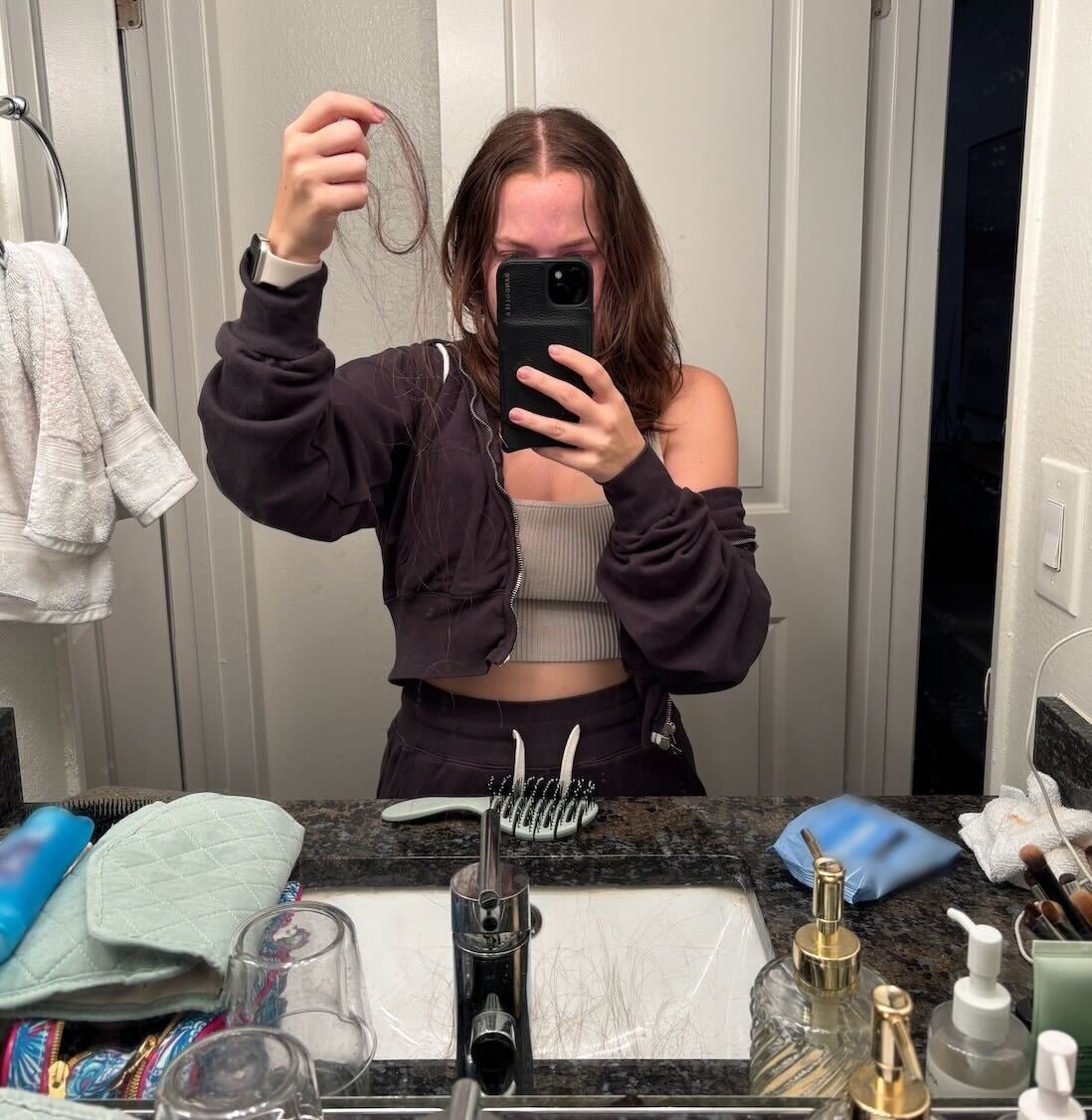
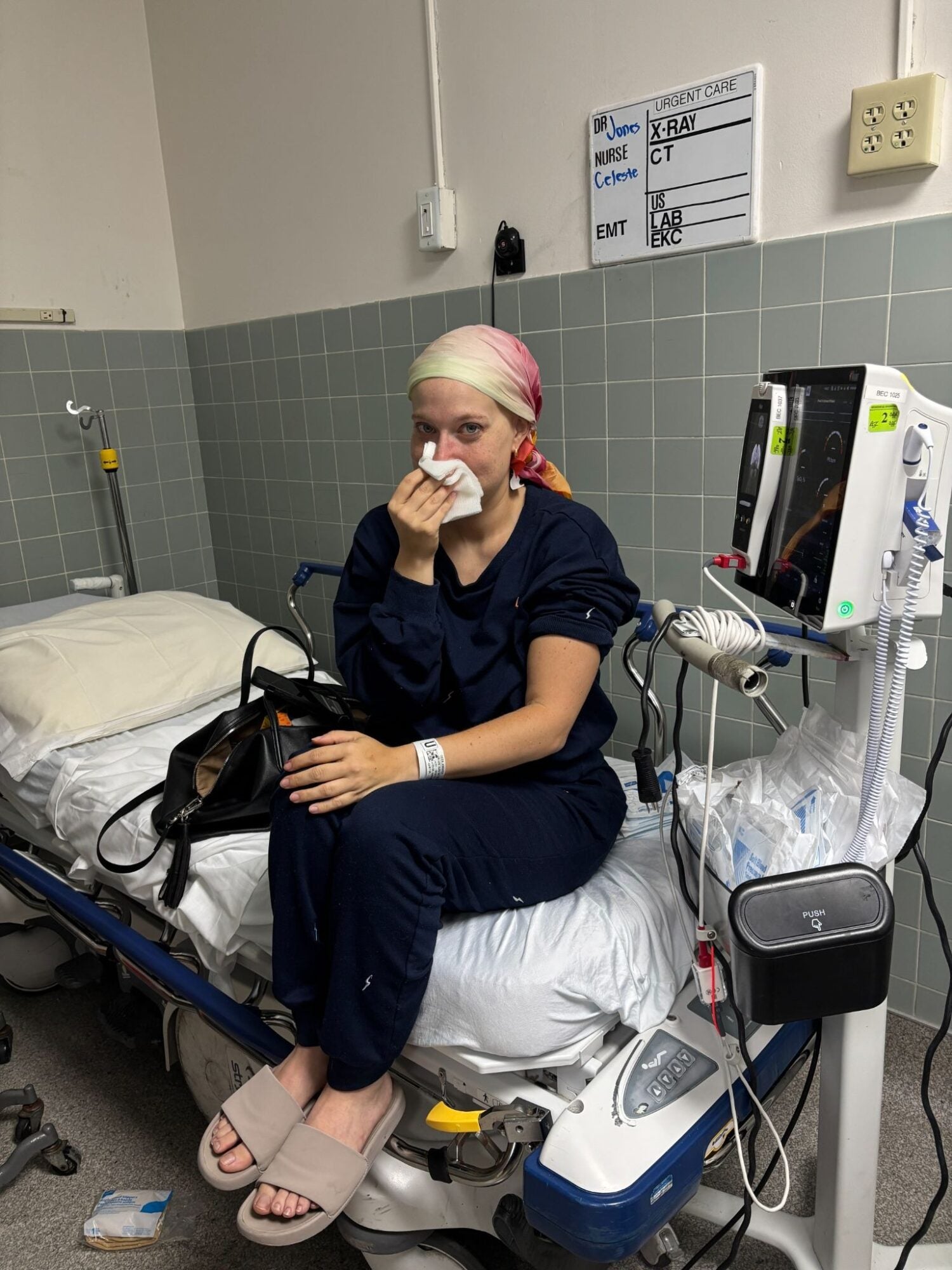
Especially when compounded with the other physical and emotional tolls of a cancer diagnosis, hair loss can lead to feelings of grief, anger, and embarrassment. Ogen’s doctors informed her that hair loss often begins around the two-week mark, and for the first week and a half, she tried to convince herself that maybe she’d be the exception. But 16 days after starting chemo, she noticed large chunks of hair appearing in the shower drain. “It was like this slow heartbreak,” she says. “Every day, it just kept getting worse.” The experience was as much physical as it was emotional — painful, uncomfortable, and increasingly hard to ignore. “I didn’t want to shower because I was too scared of what I might see,” she recalls.
Eventually, the pain intensified: she hadn’t realized that chemotherapy can damage hair follicles and lead to inflammation, which can cause extreme scalp sensitivity. “I just got to a point where I was like, I can’t do this anymore, I just want control over [my hair]. I want it gone.”
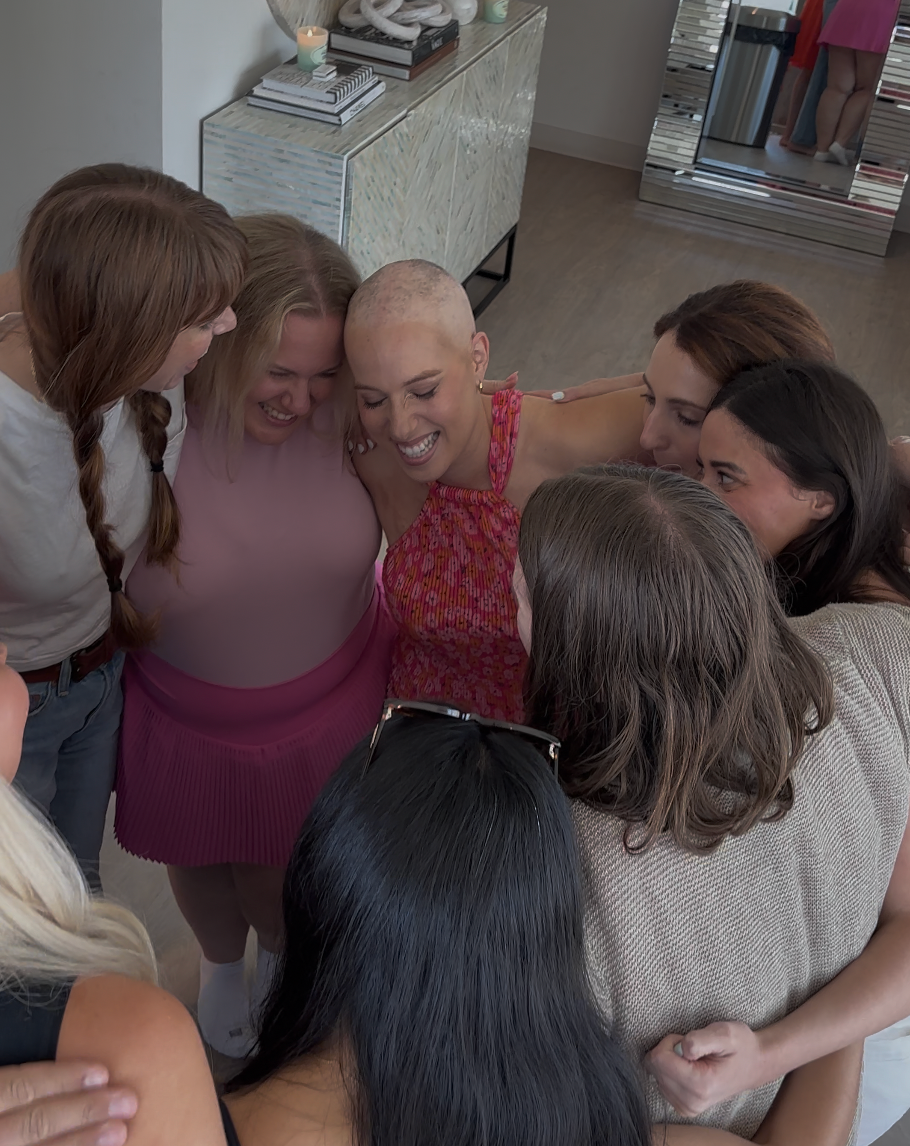
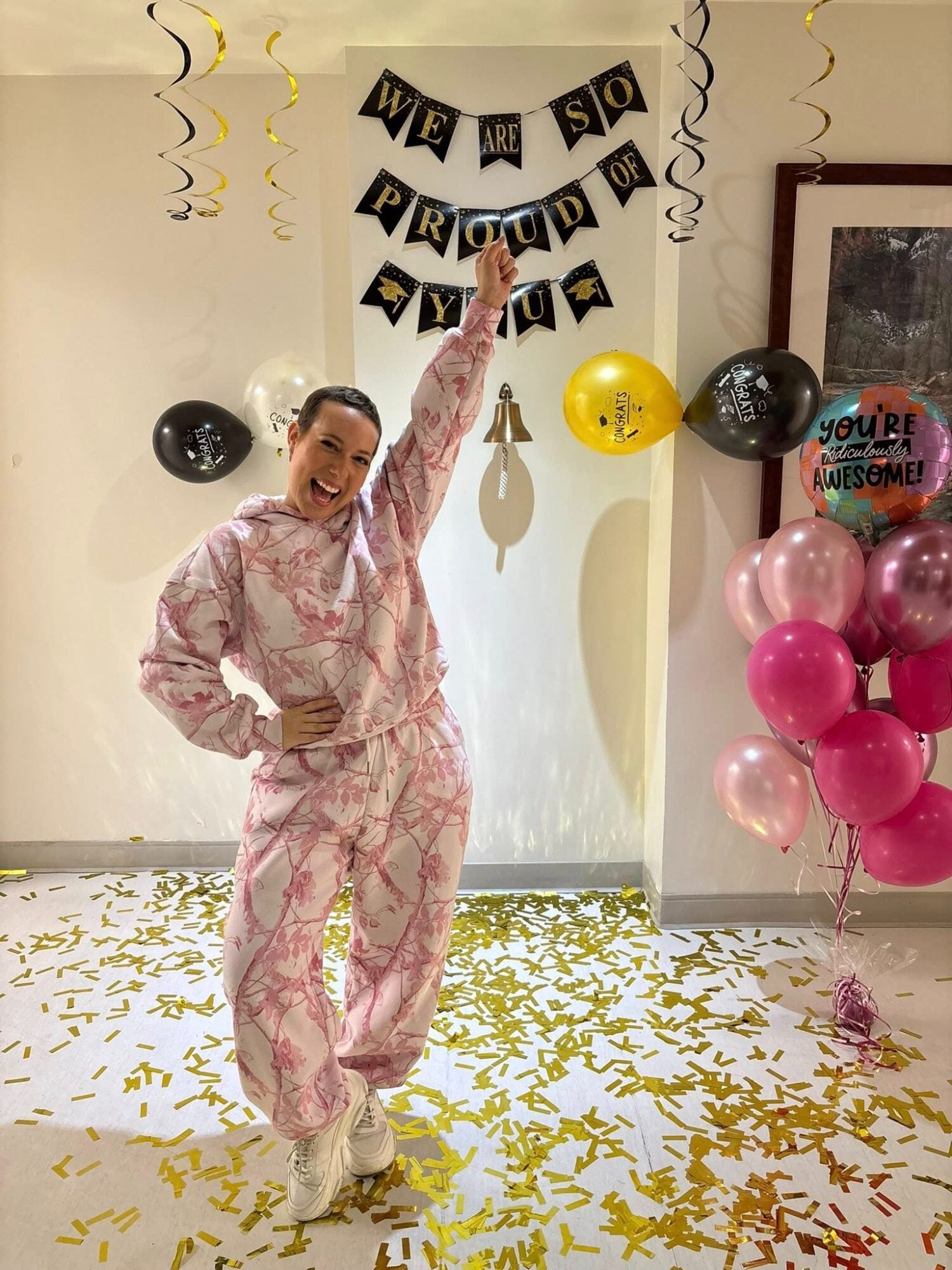
Inspired by a woman she’d met years earlier with alopecia, Ogen organized a head-shaving gathering with close friends. At the small party, each of the most important people in her life stepped up to cut a piece of her hair. “When the cutting actually started, I was all smiles,” she says. “What should have been the worst day of my life ended up being one of the best.”
A friend gifted her a wig that helped her see herself differently. “Looking in the mirror after my head was shaved was shocking,” she says. “But I decided, OK, this isn’t as bad as I thought it would be.”
Still, those moments of levity were part of a much more complicated and ongoing relationship with her changing body. “My feelings about my appearance were definitely a roller coaster,” Ogen says. She lost her eyebrows and eyelashes. Steroids caused fluctuations in her weight. When her platelet counts were down, she experienced several "traumatic, uncontrollable" nosebleeds. At one point, Ogen's brows and lashes grew back in — only to fall out again during the next segment of treatment. “I had already done the work to embrace my changing beauty," she says. "I didn't know I was going to have to embrace it a second time."
Her sister Alissa, who moved in with her during treatment, provided some much-needed emotional support. "When I called myself ugly, she would say, 'Don’t you ever talk about my sister like that,'" says Ogen. While that sisterly reminder didn’t erase the feeling, it shifted how Ogen responded to it, and she made a concerted effort to see herself through the eyes of the people who loved her.
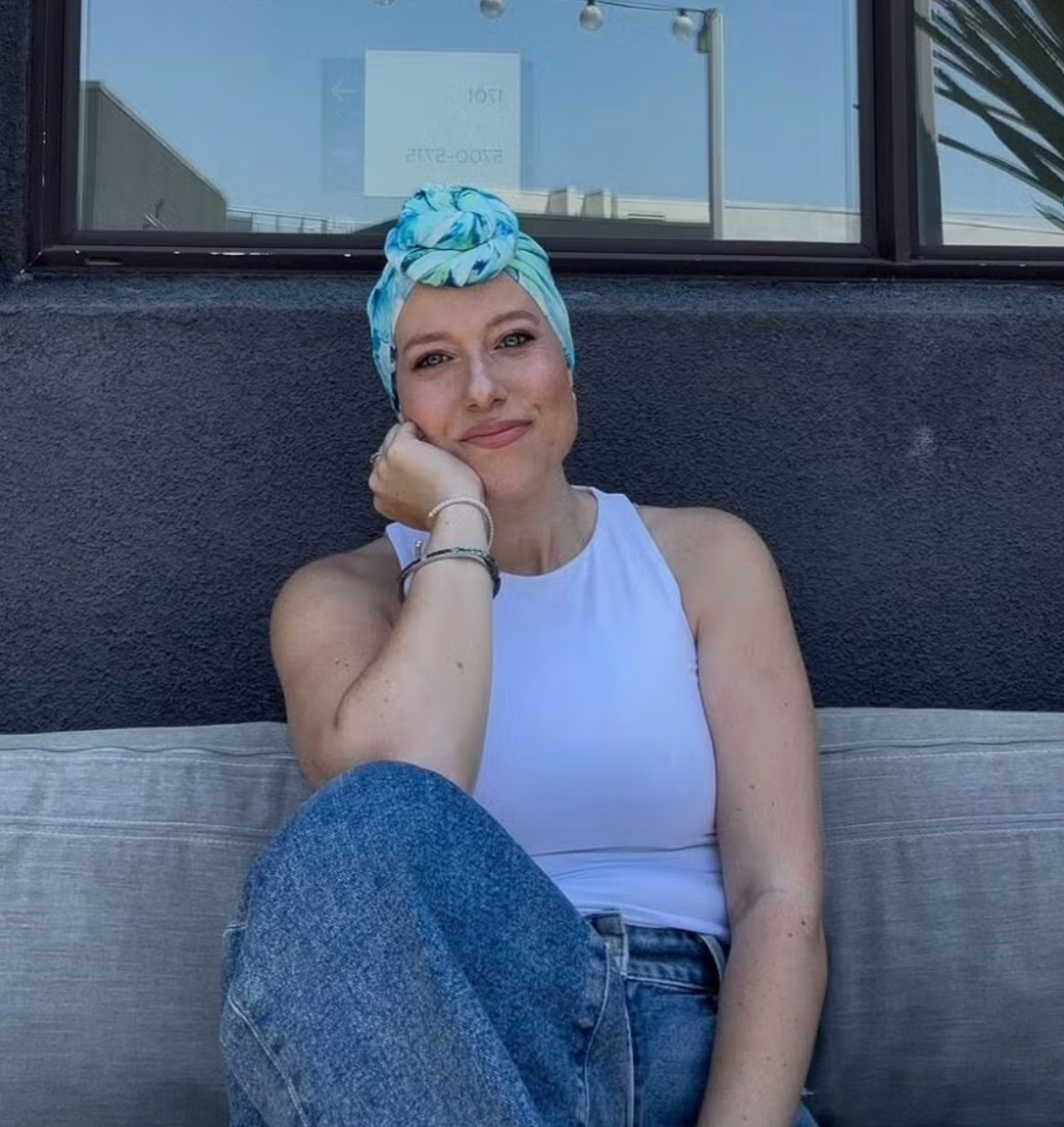
At the same time, there were moments of pleasant surprise. She experimented with different wigs and styles and found ways to feel like herself, even as that definition shifted. She listened to the friends who told her that her bald head accentuated her features, and made her big, beautiful eyes even more striking.
Ogen has now completed treatment, but she’s still figuring out how to engage with the woman she sees in the mirror. She carries a port scar on her chest and finds herself subconsciously scanning for the same scar on other people. “Even though I know it'll fade with time, and that most people might not even notice it, I’m still not secure enough to wear a low-cut shirt.” she says.
And while Ogen’s hair has begun to grow back, it remains a constant presence in her thoughts. “My hair is on my mind 24/7,” she says. “Sometimes I’ll put on a sweater and go to fling my hair over my shoulder, forgetting that it’s not there, and that can be painful.”
She's given even more thought to her relationship with her new appearance as she considers re-entering the dating world, post-cancer. “I feel like I can't use dating apps, because I don't even know which pictures I would use,” she says. “Should I wear a wig, or show up without hair? I haven’t even touched the dating thing yet.”
While dating has never been a huge priority for Ogen, she says that this experience clarified her feelings on putting herself out there. “Even though I was never at a point during treatment where I felt like I was going to die, this experience made me realize that a partner is one thing my life is missing. I want to be in love.”
As with so many other factors in the aftermath of breast cancer treatment, that desire introduces new questions. Not just about how she looks, but how she sees herself — and how she’ll let someone else see her, too. There isn’t a "settled" version of her life to return to, a single moment where everything will click back into place. Instead, she's redefining what femininity means to her, by doing the slower, more uncertain work of moving forward in a body that feels both familiar and entirely new — and figuring out, piece by piece — what it means to feel like herself again.
