



For many women, dealing with menopause ladders back to two words: hormone therapy. And while supplementing estrogen and progesterone can be life-changing for the right person, it’s far from the only way to support the body during perimenopause and menopause. It also shouldn’t be the last line of defense against uncomfortable symptoms.
“I think as a society, and even as medical professionals, we haven’t done a good job of telling people all the alternative therapies,” says Karyn S. Eilber, MD, a urologist and certified menopause practitioner. The result is that many women assume they need prescription meds to feel better, or they white-knuckle their way through hot flashes, sleepless nights, and changes in libido until symptoms become overwhelming.
Dr. Eilber believes that perimenopause and menopause should be treated like other major body transitions: with consistency, support, and preparation. “When people consider getting pregnant, they prepare their bodies ahead of time,” she says. “We should think about menopause the same way.”
That mindset helps explain why more women are seeking hormone-free options, whether they aren't ready for prescriptions, can't take hormones for medical reasons, or just want to layer supportive tools onto their existing routines. Lingering fear also plays a role, says Dr. Eilber. “Even with newer data showing hormone therapy is safe, many women are still very scared to use it.”
Instead of looking for a single fix, Dr. Eilber encourages women to think about building a “starter kit” that addresses the three issues most likely to show up first and disrupt daily life: difficulty sleeping, changes in intimacy, and fluctuating energy levels during the day — paired with trouble winding down at night.
Consider these three everyday essentials, which Dr. Eilber recommends all women have on hand, the menopausal equivalent of a well-stocked makeup bag.

1. A calming way to get some extra zzz’s
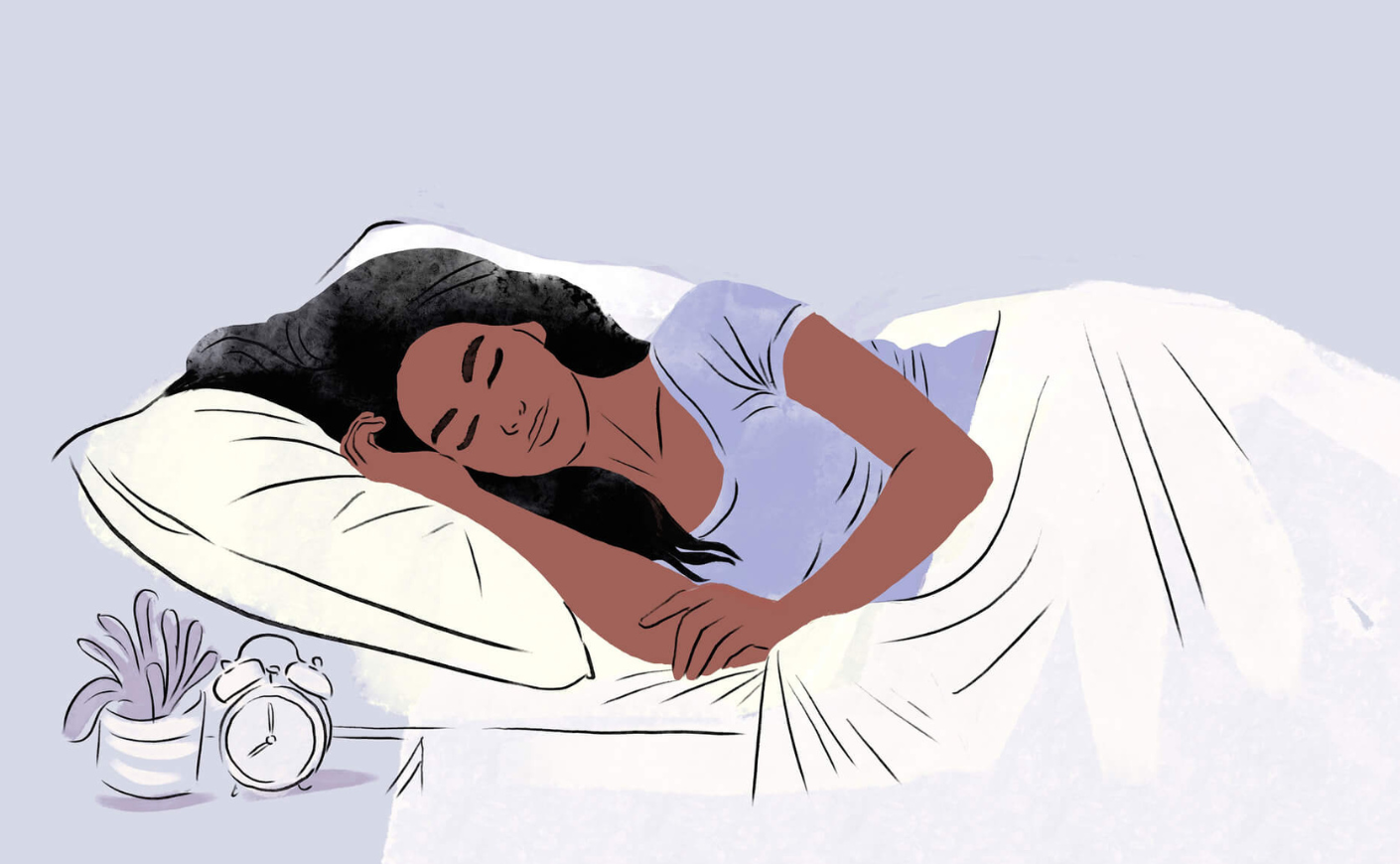
For many women, the approach of perimenopause and menopause announces itself at night. “Very commonly, women will experience night sweats and hot flashes,” she says. Declining estrogen can affect the body’s ability to regulate temperature, making even small shifts feel extreme. The result is fragmented sleep that takes a toll quickly. “Lack of sleep is never good for you,” Dr. Eilber says. “Your cortisol level goes up, you're exhausted, you can't think clearly, and you just don't feel well.”
That’s why she gravitates toward nighttime support that acts quickly and feels soothing, especially options that include magnesium, a mineral long associated with relaxation and sleep improvement.
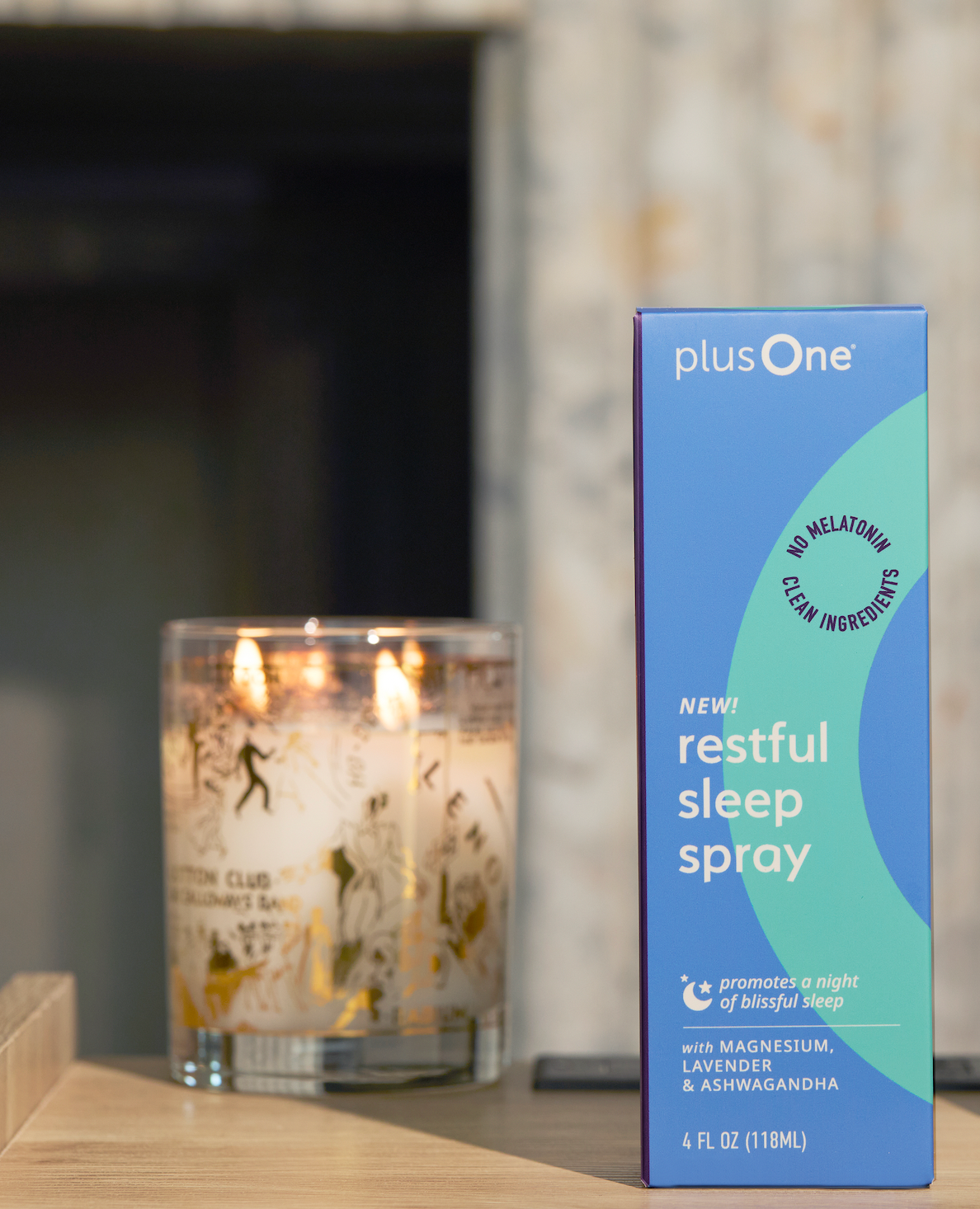
One option Dr. Eilber recommends incorporating into a bedtime routine is the plusOne Restful Sleep Spray. It combines magnesium with lavender and ashwagandha to promote relaxation without medication or melatonin.
While magnesium's calming effects are ideal all on their own, Dr. Eilber says the sensory experience of the spray also matters. “I like the sleep spray because it has a cooling effect,” she says. “Sometimes that cooling sensation alone can help interrupt a hot flash.” She even uses it beyond her body: “I actually like to spray it on my pillow. The lavender smells good, and helps you relax.”
The spray contains no estrogen or hormones, parabens, alcohol, latex, or animal-derived ingredients — and it’s gluten- and cruelty-free.
2. Intimacy support for when sexual comfort changes
The sexual health piece of menopause is still wildly under-discussed, and Dr. Eilber has thoughts about why. “Sexual health isn't part of most women's conversations with their doctors, whether it’s related to menopause or not,” she says. In her world as a urologist, male sexual health is routinely addressed; women’s is not. “Doctors rarely routinely ask women about their sexual health,” she says. And even when libido drops or dryness shows up, many women assume it’s just something they have to tolerate.
Dr. Eilber explains that a decrease in libido is rarely just a “hormones-only” issue. Pain, discomfort, and dryness — whether they arrive with the onset of menopause or earlier — can shut desire down fast, because nobody wants to do something that doesn’t feel good. “If you’re having painful intercourse, you can’t possibly have a good libido,” she says. “People will write it off by saying, ‘Oh, my libido is low because of menopause.’ Well, indirectly — but it might not be just hormonal.”
She says any menopause starter kit should include a simple tool that supports arousal and sensation, especially for women who want to feel more connected to their bodies without pressure.
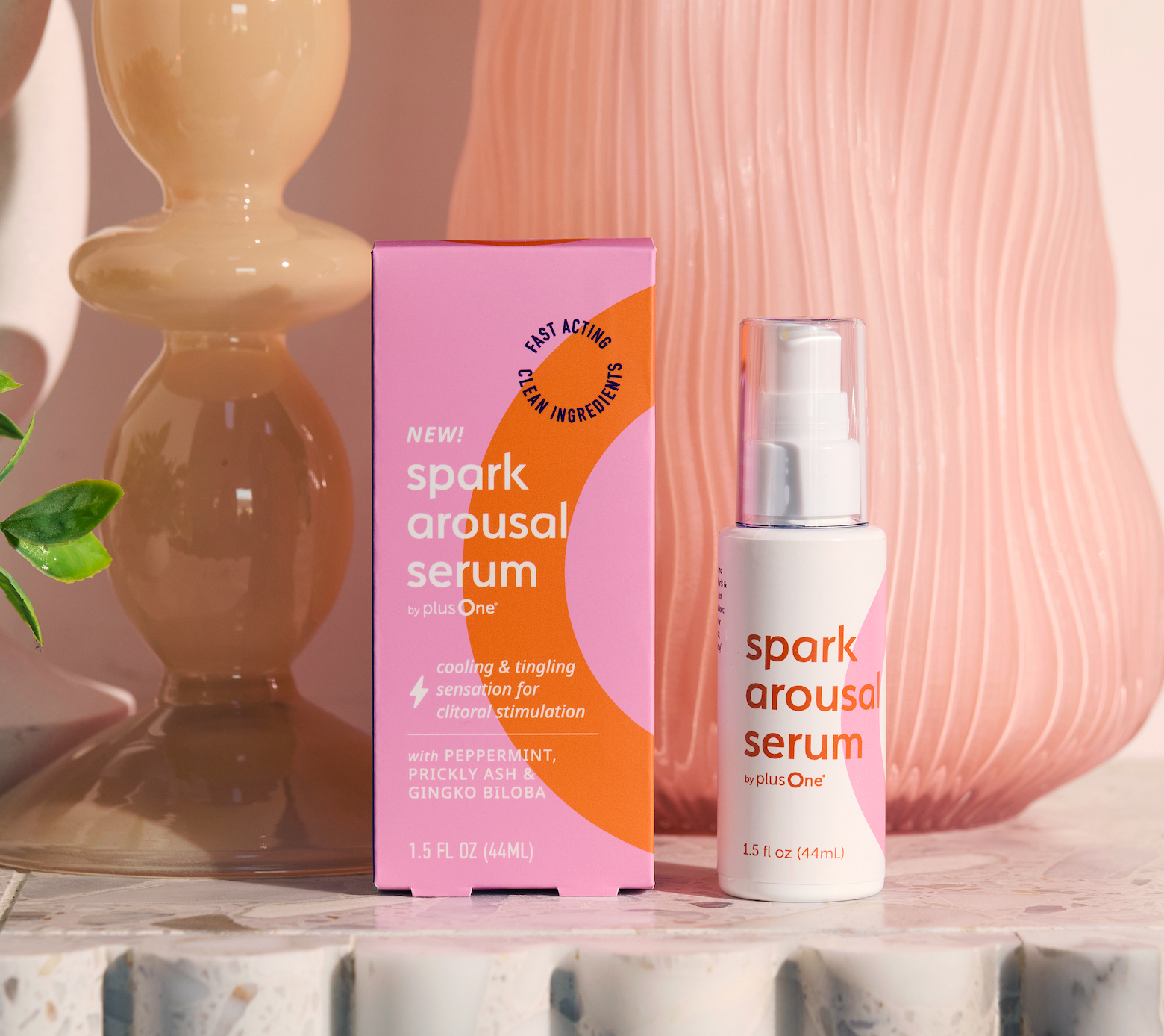
plusOne’s Spark Arousal Serum creates a fast-acting, cooling, and tingling sensation that's geared toward clitoral stimulation, and made with botanicals like peppermint, prickly ash, and ginkgo biloba. It’s free from estrogen or other hormones, artificial fragrance/dyes, phthalates, parabens, glycerin, SLS/SLES, and animal-derived ingredients (also gluten-free and cruelty-free). You can use it solo, with a partner, or with a vibrator — whatever feels best.
And if you’re feeling disconnected from your body entirely? Dr. Eilber’s advice is refreshingly direct: this is common during menopause, it’s addressable, and you deserve care that actually makes an impact. If your current provider isn’t giving you that, “find another one,” she says. “You can find someone who can help you.”
3. Patches to stay energized by day and wind down at night
Another hallmark of perimenopause and menopause is that it can feel like your nervous system is topsy-turvy: sluggish mornings, scattered afternoons, and an anxious buzz when you finally want to relax at night. That’s one reason Dr. Eilber frames menopause support as a routine, not a one-off fix.
“Supplements, nutrition, and exercise all work best when we consistently use them,” she says. “These are long-term interventions that should also be a part of your daily life.”
In other words, a starter kit works best when it’s simple enough to stick with regularly.
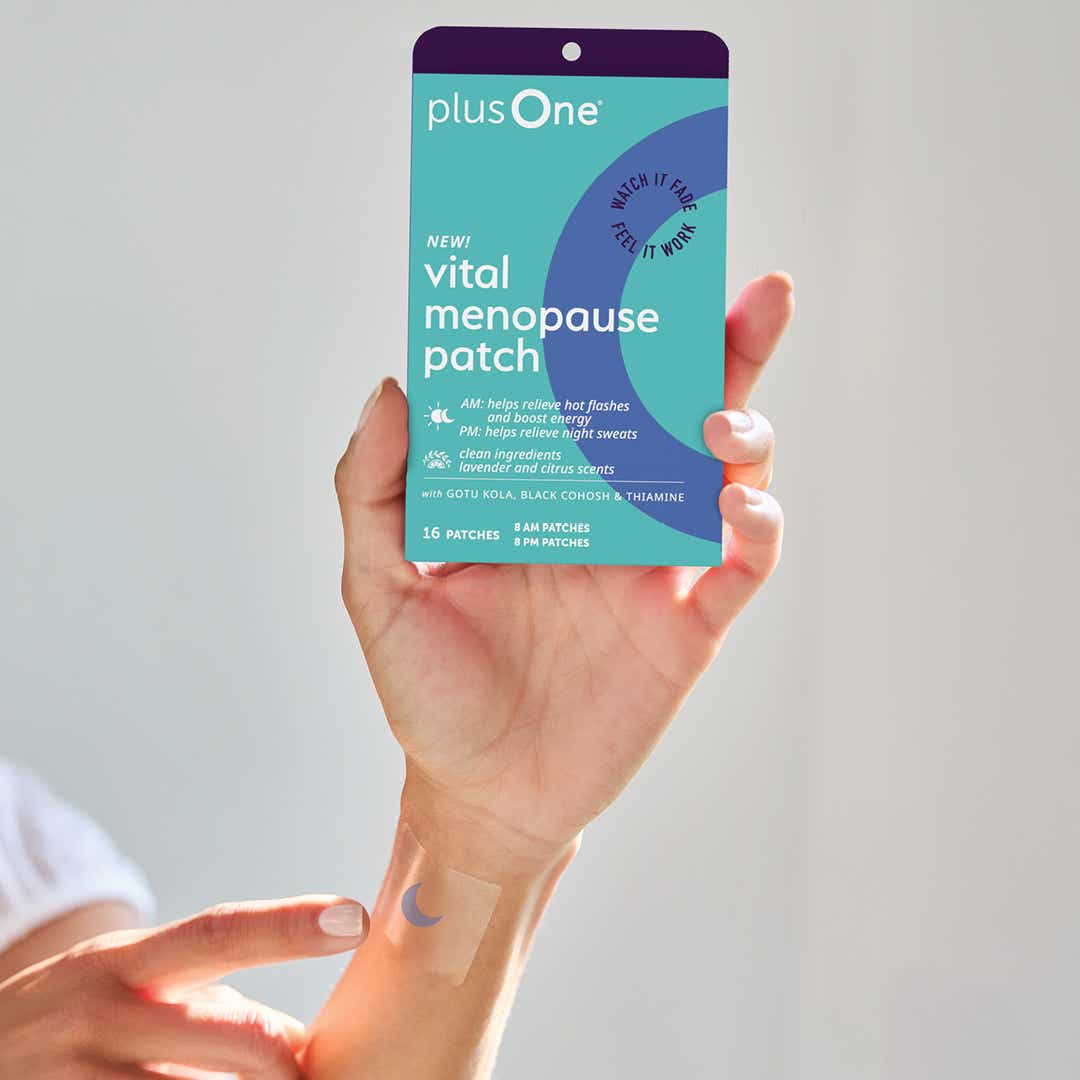
That’s where the plusOne Vital Menopause Patch AM & PM can help — especially for women who want something non-prescription, mess-free, and simple to use. “The patches are easy to put on,” says Dr. Eilber, noting that they can work as a first step for people avoiding added hormones, or as an adjunct for those using prescription options but still dealing with residual symptoms.
The AM Patch (incorporating green tea and vitamins B6 and B12) is a morning “kickstart,” with ingredients like gotu kola, damiana, and ginger extract, and a subtle citrus scent to invigorate you. The PM Patch (with magnesium and other calming botanicals) leans into nighttime support, with a lavender scent and relaxation-inducing ingredients like black cohosh, valerian, and skullcap.
Dr. Eilber also likes the sensory element here, because, as she explains, aromatherapy isn’t just “wellness fluff.” Aromatherapy “has been proven to help people,” she says, citing its use in medical settings for mitigating anxiety. And she loves the idea of layering rituals — like the patches and the calming magnesium sleep spray — at night, to cue your body that you're winding down for bedtime.
The real takeaway: There’s no quick fix, and that’s OK
Before you go hunting for the one product or treatment that will fix everything instantly, Dr. Eilber wants to set expectations straight. Menopause doesn't work that way. “There’s no magic pill,” she says. Hormone therapy can help, supplements can help, and lifestyle changes matter. But it’s usually a combination of factors that moves the needle. “Whether it’s supplements, prescriptions, exercise, or nutrition, all of them together are what’s going to make perimenopause and menopause easier,” Dr. Eilber says.
That reality is also what makes her optimistic about where menopause care is headed. After more than two decades in practice, she says conversations are finally shifting away from quick solutions and toward preparation, education, and realistic support.
“Menopause is inevitable, but that doesn't mean it signals the end of your life, your sex life, or your sense of self,” she says. With the right tools in place — whether prescription, over-the-counter, or lifestyle-based — women can continue to feel strong and supported through this stage.
“Menopause is finally being treated like the normal life stage it is,” Dr. Eilber says. “Women have more options now, and that changes everything.”