






Every four years, something funny happens in America: People who don’t usually care about soccer suddenly start caring.
They ask what time the game’s on. They ask who we’re playing. They ask whether we’re any good. They ask why everyone’s yelling about something called “the offside rule.” For a few weeks, the World Cup pulls in people who may not have watched a match since the last World Cup.
I love that part.
The World Cup has a way of bringing people together, not just within the United States, but also by connecting us with people from around the world. It turns casual viewers into nervous experts and emotional wrecks almost overnight. And this time, it won’t feel distant or abstract. In 2026, the tournament will be played across North America, with the U.S. at the center of a cultural moment that’ll be in our cities, on our screens, in our conversations, and in our bars, living rooms, group chats, and offices.
For American viewers, it’ll be the first men’s World Cup with matches in the United States in 32 years. Millions of people here will root for teams from all over the world, which is part of what makes the World Cup feel so alive in this country. But as the tournament gets closer, one question will be everywhere: How will the U.S. team do?
It’s a fair question. It’s also not the first one I’d ask.
Before people decide what they think this team can become, it’s worth asking who these players actually are. Where did they come from? What did they carry to get here? How did they become the group chosen to represent the United States? Who’s trying to lead them? Why does this tournament matter so much?
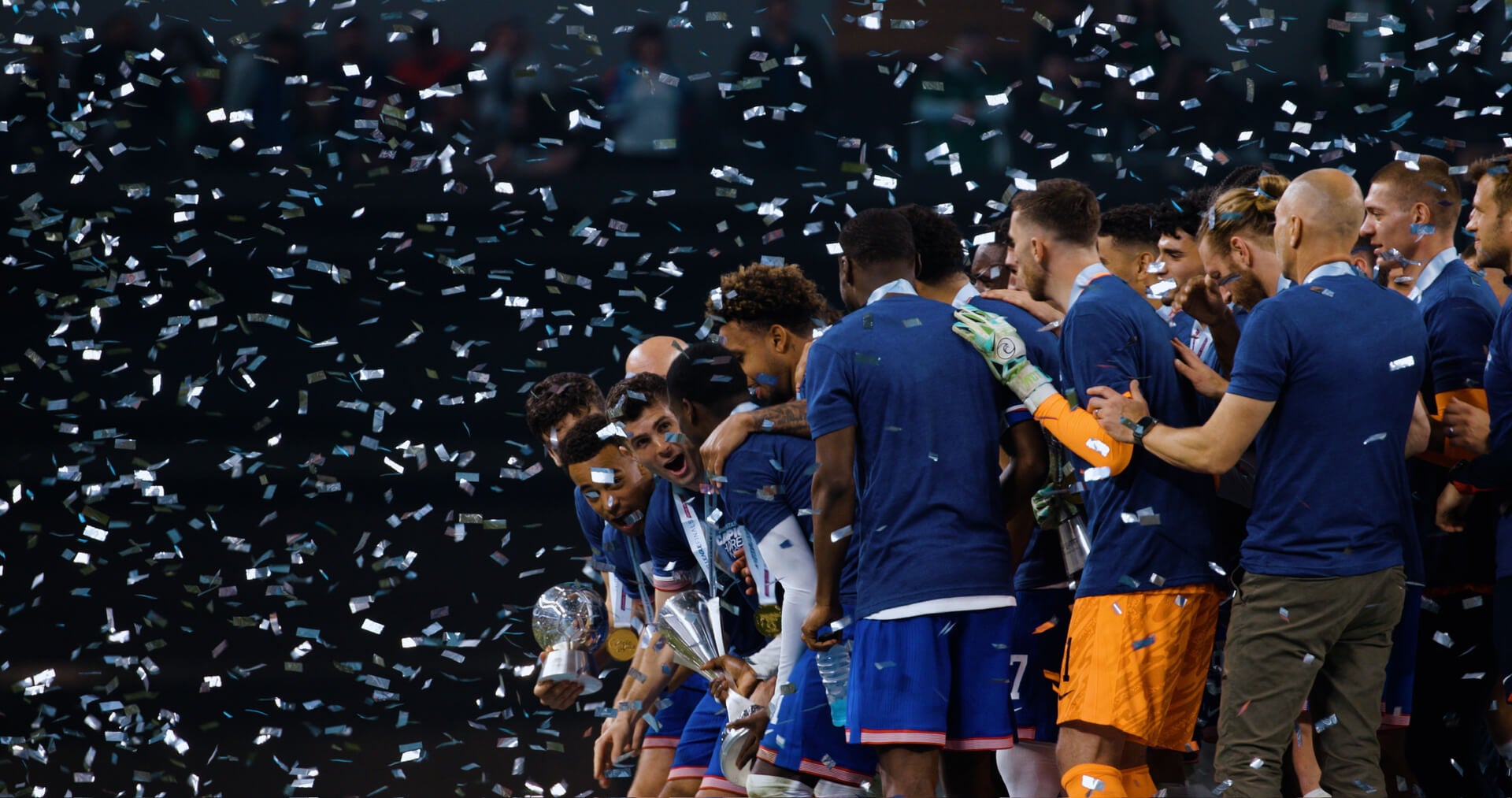
That’s the invitation of U.S. Against the World.
Not because you need to become a soccer expert. You don’t. You don’t need to know formations. You don’t need to know who should start in midfield. You just need to understand what it feels like to be young and carrying something heavy.
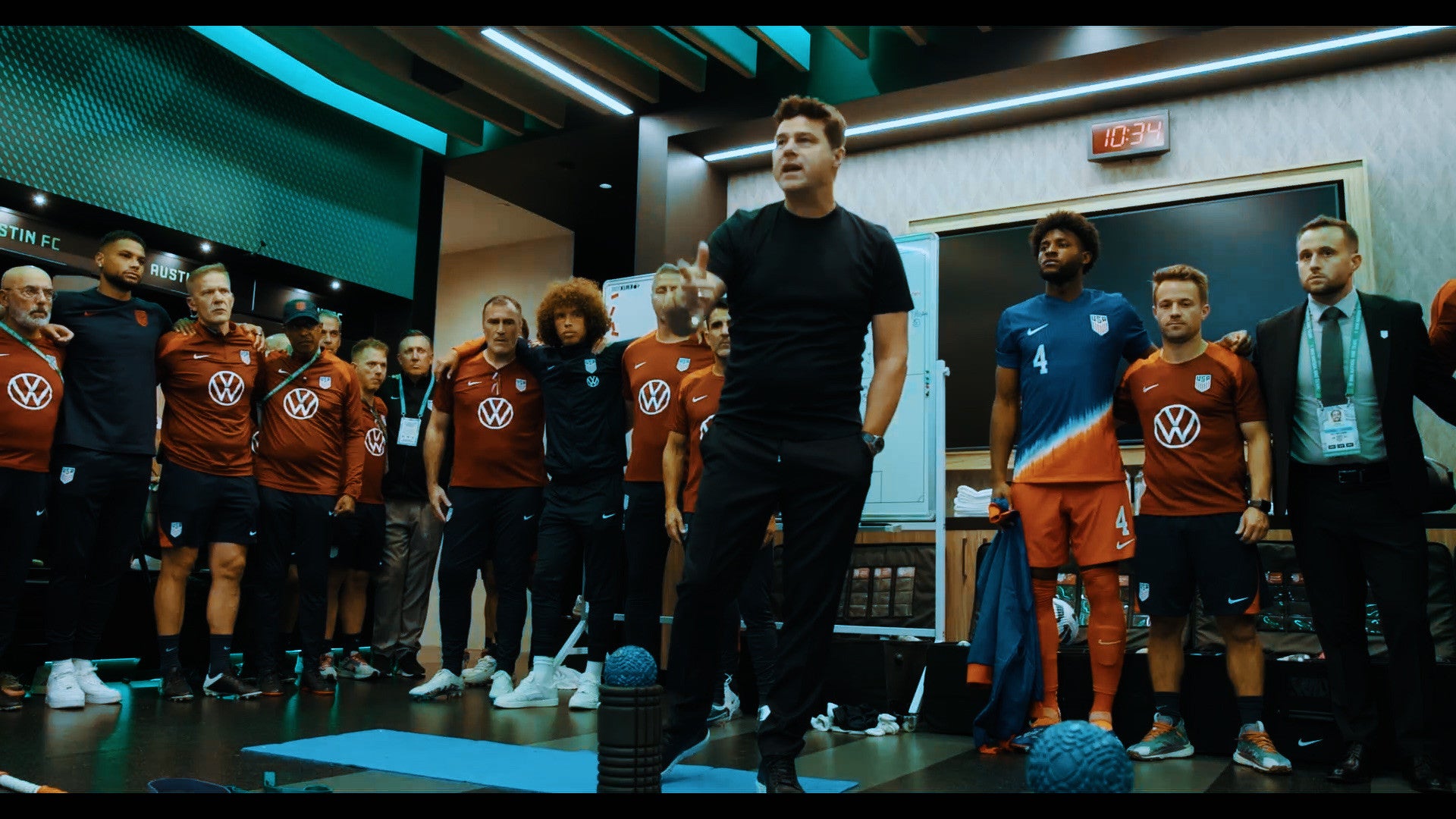
The HBO documentary series, from Park Stories, follows the U.S. Men’s National Team across the full four-year World Cup cycle, filmed over five calendar years as the team moved toward this home-soil tournament. The cameras go into stadiums, hotel hallways, training rooms, locker rooms, cars, kitchens, living rooms, and quiet corners where the public image of an athlete slips away to reveal the person underneath.
That’s what makes the series feel different.
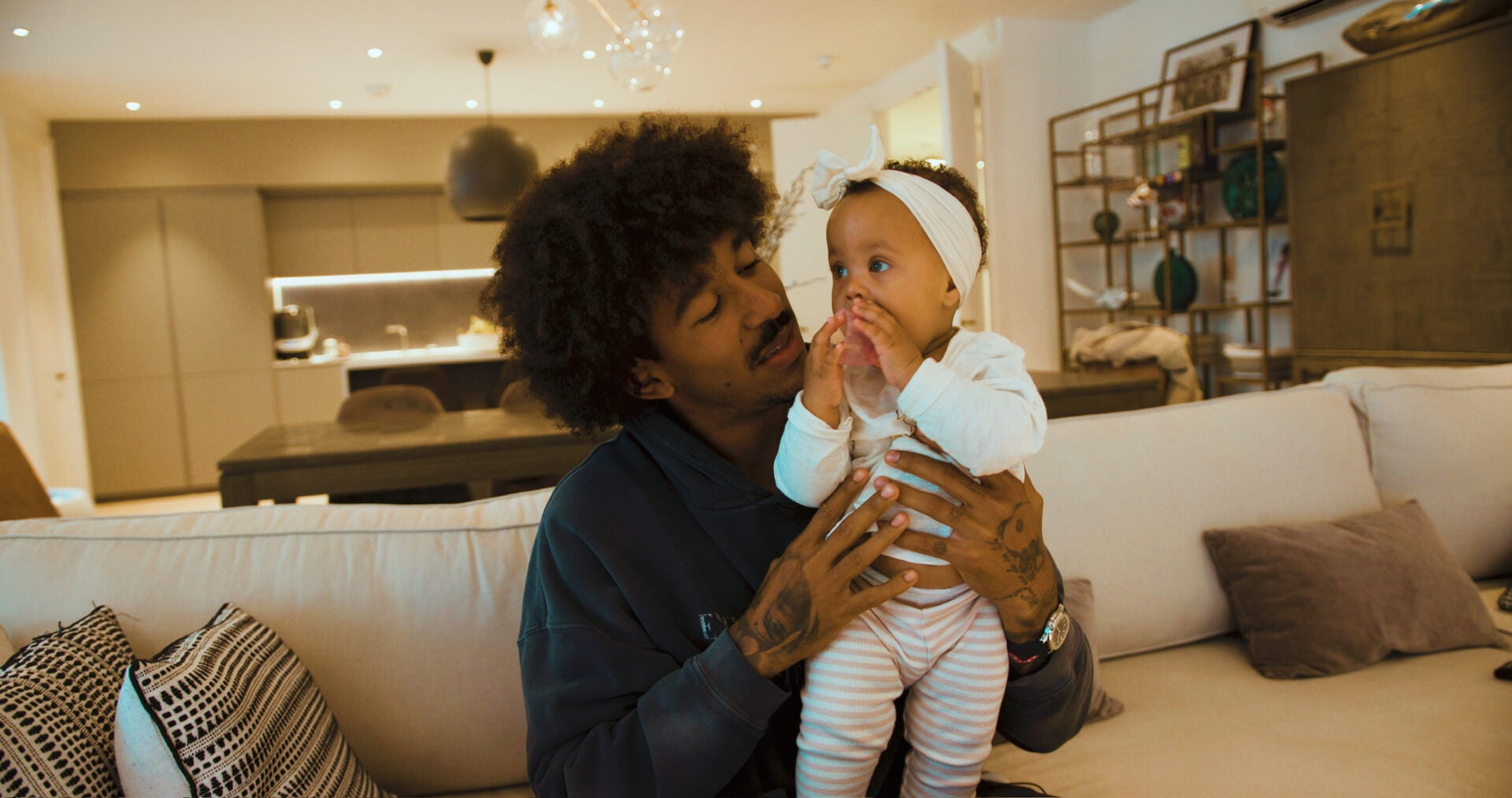
It isn’t just that the filmmakers were near the team. It’s that the players let them into their lives over time. They opened up and shared their homes, private conversations, and vulnerable moments. That kind of trust doesn’t happen by accident. The result is access that feels less like access for access’s sake and more like something earned.
Of course, there are games in the series: goals, losses, injuries, roster decisions, and all the pressure that comes with representing your country. But the moments that linger are usually smaller. A parent talking about what it means to let a teenage son leave home. A player trying to process disappointment without letting everyone see how much it hurts. A family member who’s lived through the injuries, transfers, criticism, and uncertainty that come with a life most people only see from a distance.
These are famous athletes, but they’re also sons, husbands, fathers, brothers, and friends. Many left home as teenagers to chase careers in Europe. At an age when most people are figuring out who they are, they were learning new languages, new cultures, new locker rooms, and new expectations.
Then they came back to play for a national team carrying a complicated question: Can the United States ever truly matter in the world’s game?
The series follows stars like Christian Pulisic, who has carried American soccer expectations since he was barely old enough to drive. It follows Tyler Adams, who’s had to learn how to lead through injuries, pressure, and the burden of being taken seriously. It follows players some viewers will know, and introduces them as people first. And people are a lot easier to root for than symbols.
This team has lived for years with a strange assignment: make America care about a sport the rest of the world already loves. They’re not only trying to win games. They’re trying to prove something about the future of soccer in this country, represent their families and teammates, and make casual viewers care.

The story really begins with the pain of 2018, when the U.S. failed to qualify for the World Cup and a new generation was asked to change what came next. Since then, this team has been celebrated, criticized, doubted, hyped, humbled, rebuilt, and questioned. There are moments when the promise around this generation feels real, and moments when it feels fragile.
Most of us know what it feels like to be told we’re supposed to become something, and then have to live with the gap between expectation and reality. Most of us know what it feels like to want to make our families proud, prove people wrong, or keep going while other people decide what our story means.
The scale is different, but the feelings aren’t.
A missed chance feels different when you know what someone recovered from to have that chance. A roster decision lands differently when you’ve seen the years, tears, and pain behind it. A win means more when you understand who was watching from home. Even a walk through the tunnel feels different when you’ve been with a player in moments of doubt, hurt, pride, frustration, or resolve.
Once the World Cup starts, everything’s going to get loud. There’ll be predictions, arguments, highlights, hot takes, instant judgments, and the kind of national mood swings only sports can create. That’s part of the fun.
But before all of that, this series offers a quieter way in. And with the finale — the fifth episode — airing tonight at 9 p.m. ET on HBO Max, this is the moment to catch up before the tournament conversation gets even louder.
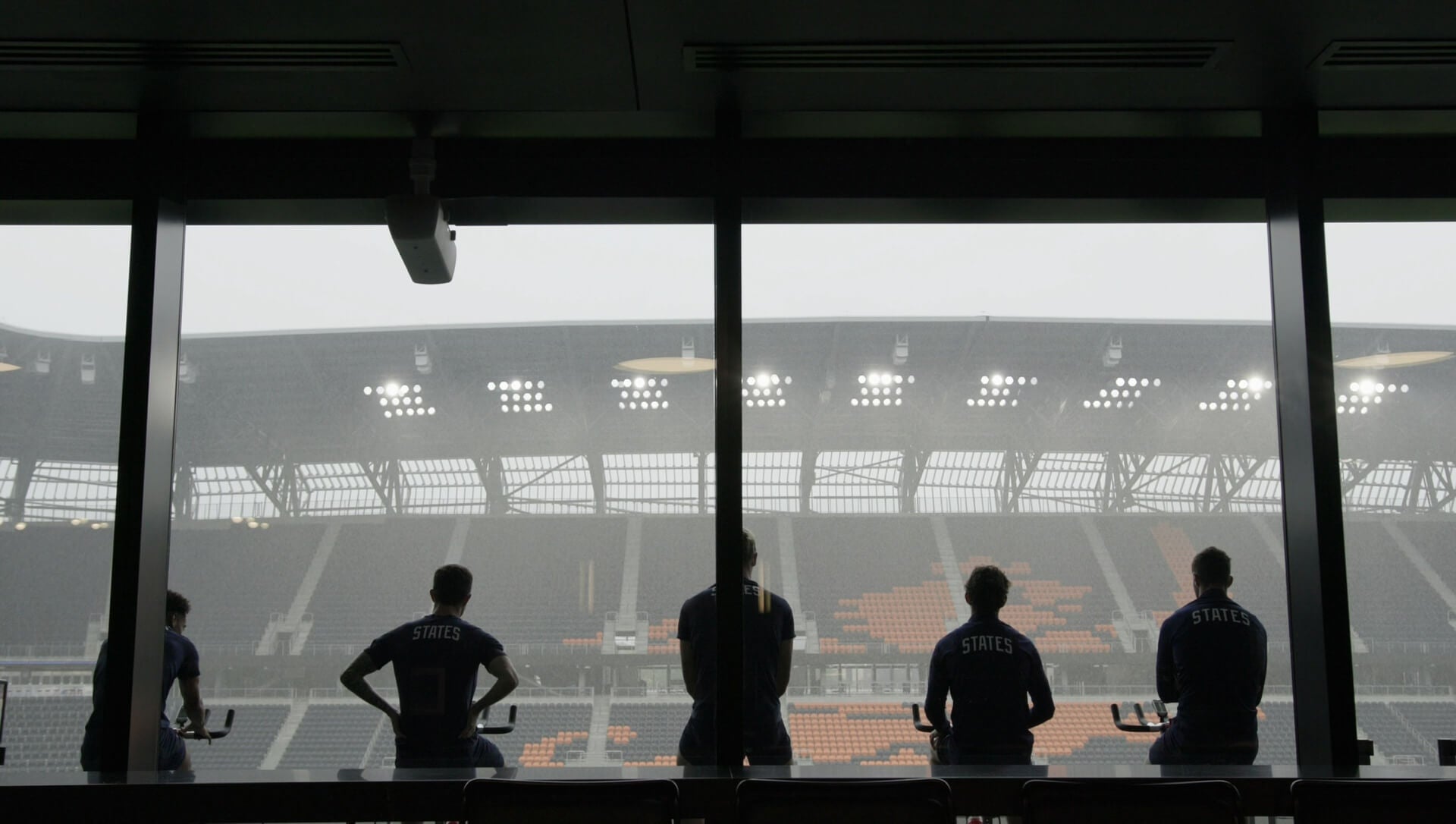
You can watch because someone in your life loves soccer and you want to understand what they’re talking about. You can watch because you like sports documentaries. You can watch because you like stories about families letting their kids chase impossible things. You can watch because you know what pressure does to people, and what it takes to keep showing up anyway.
By the time the tournament begins, the question may no longer be, “Who are these guys?”
It may become something closer to: “I know them a little. I’m with them. Let’s see how far they can go.”
That’s when sports change. That’s when strangers become people you recognize, and people all over the world discover that they have a lot more in common than they might have thought. We certainly could all use a bit more of that. You don’t have to be a soccer fan to care about this team, or this docuseries.
U.S. Against the World: Four Years with the Men’s National Soccer Team is airing on HBO and streaming on HBO Max.
Mark Levinstein is a civil trial lawyer. He has been with Williams & Connolly in Washington, D.C. for more than 40 years, a partner for 34 years. He specializes in antitrust; business litigation; arbitration; sports controversies/disputes; and representing clients in crisis situations.
