


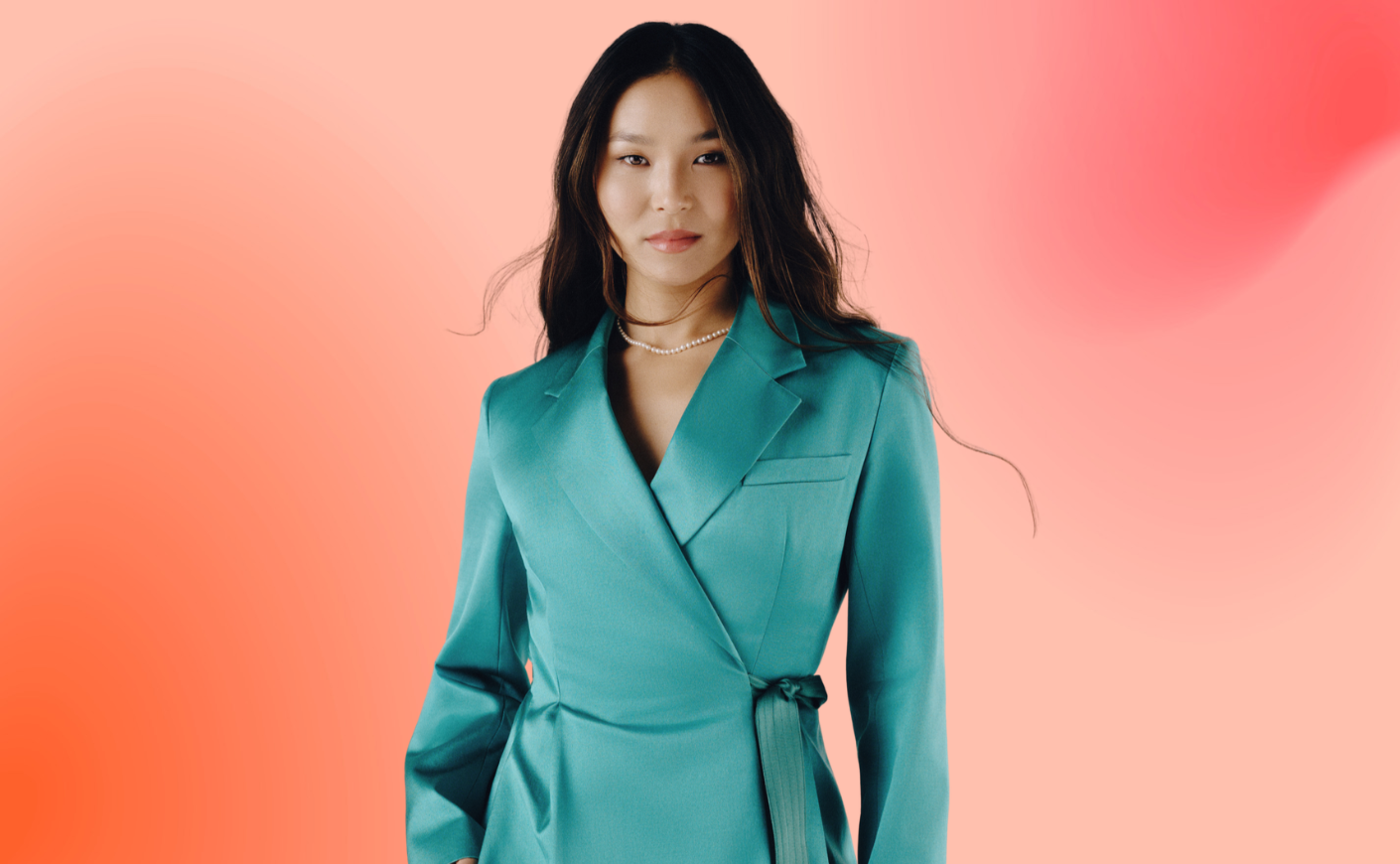
This week is the dramatic finale of The Traitors: New Blood, where fans will see if the scheming Traitors will take home the cash prize, or if the Faithful will prevail. The all-civilian edition marked NBC’s top unscripted premiere in six years, raking in 6 million viewers. As KCM contributor Eric Neuhaus put it, the show’s success proves that people love watching backstabbing and betrayal.
But the show exposes something darker — people’s implicit biases. Fans have noticed that time and time again, across seasons and franchises, the first people banished from the castle for supposedly displaying Traitor-like tendencies are people of color. Women are also more likely to get voted off early on. The game can also be tough for those who are neurodivergent, as we saw comedian Ron Funches get repeatedly picked apart for behavior other castmates got away with. Knowing that, I asked Chloe Kim, snowboarder and two-time Olympic gold medalist who’ll appear on the upcoming season of The Traitors, if she had any apprehension going into the castle as a woman of color who recently was diagnosed with ADHD. Kim emphasized what she sees as ADHD’s strengths:
“I always say ADHD is my superpower,” Kim told Katie Couric Media, referring to how it helped her hyperfocus on snowboarding. But she admits, “It was at the cost of everything else in my life.” Kim is partnering with non-stimulant ADHD medication Qelbree on their Ms. Represented campaign, which highlights the ways ADHD can often present differently in women, leading to late or missed diagnoses. In this wide-ranging interview, I talked to Kim about what inspired her to finally seek help for ADHD and whether we’ll see her in the 2030 Olympics.
Katie Couric Media: After this year’s Olympics, are you preparing for 2030?
Chloe Kim: My coach always rolls his eyes when I say it, but after each Olympics, I say, I'm not doing this again. It is so mentally draining and physically exhausting. We put ourselves through trauma every Olympic cycle, so I give myself some time after each one, and do a reset. But I wouldn't be surprised if I went back for my fourth Olympics.
I have to confess, I'm a huge Traitors fan. What made you want to do the show?
I love a challenge. Traitors was a fun way for me to be myself outside of my sport. It was a really fun challenge because I lean more antisocial, but The Traitors is all about socializing and making friends. I watched the previous season while I was training for the Olympics because it comes out in January. I was obsessed with the show, and then I got the email from the producers, and I was like, yes, I'm doing this.
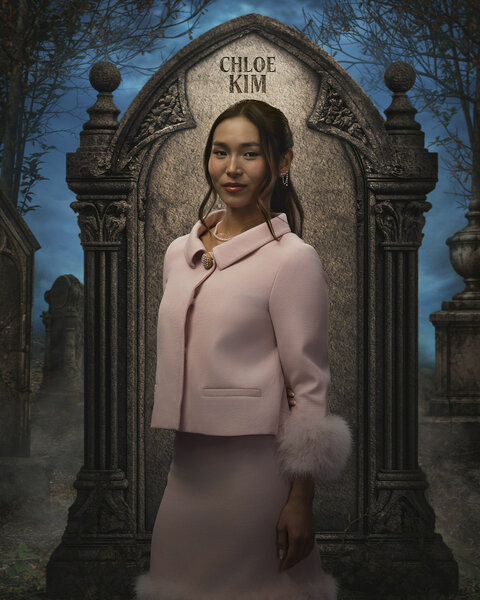
I know you can’t tell us what you were chosen as, but did you go in wanting to be a Faithful or a Traitor?
I didn't really have a preference. I didn't even go in with a strategy. I wanted to approach the game with a fresh set of eyes and see what I was working with. It was so much fun. I was running around like a little kid, having the time of my life.
I've watched so many seasons of the show, and I (and other viewers) have noticed a pattern where people of color and neurodivergent people are misunderstood, so they tend to get voted off early. Was that something you were concerned about at all?
My fear wasn’t even about the show — it was that hanging out with a bunch of people you've never met before is kind of scary, and I’ve never done it before. I got diagnosed with ADHD seven months ago, and fortunately I am able to manage my symptoms with Qelbree and still feel like myself. I had the time of my life in the castle and made the most out of my experience, but I can also understand the other side of it. Feeling misunderstood is really scary, especially on a show like Traitors. I went in with a very open mind.
I wanted to talk about your path to getting diagnosed with ADHD. Was there a particular moment that made you think, Something is wrong and I should get it checked out?
It was a fun little cocktail of things that were going on. The most difficult part for me, and I think a big reason as to why it took me so long to address it and seek help, was the fact that my symptoms were so understandable. Of course, I can't focus on things, because I have all these responsibilities. I told myself that anyone would be overwhelmed in my position.
There may be truth to that, but what I was experiencing felt so extreme and difficult, to the point where it was hard for me to go grocery shopping, do the dishes, and take the trash out. But it was also confusing because I was so focused and disciplined when it came to my sport. One thing about ADHD that I was not very aware of was the hyperfocus and fixation you can get on one aspect of your life, which for me was snowboarding. All my thoughts revolved around snowboarding, and when the season was over, I was in a place of deep unhappiness.
I had an inkling I had ADHD, but I was scared because I wasn't sure what my treatment options were. When my doctor mentioned that there was a non-stimulant alternative that I could try, I was relieved. Qelbree has been a great addition to my life to help me manage my symptoms in a way that feels true to me. After I got diagnosed and after seeing how much my life has changed for the better, I regretted not seeking help sooner.
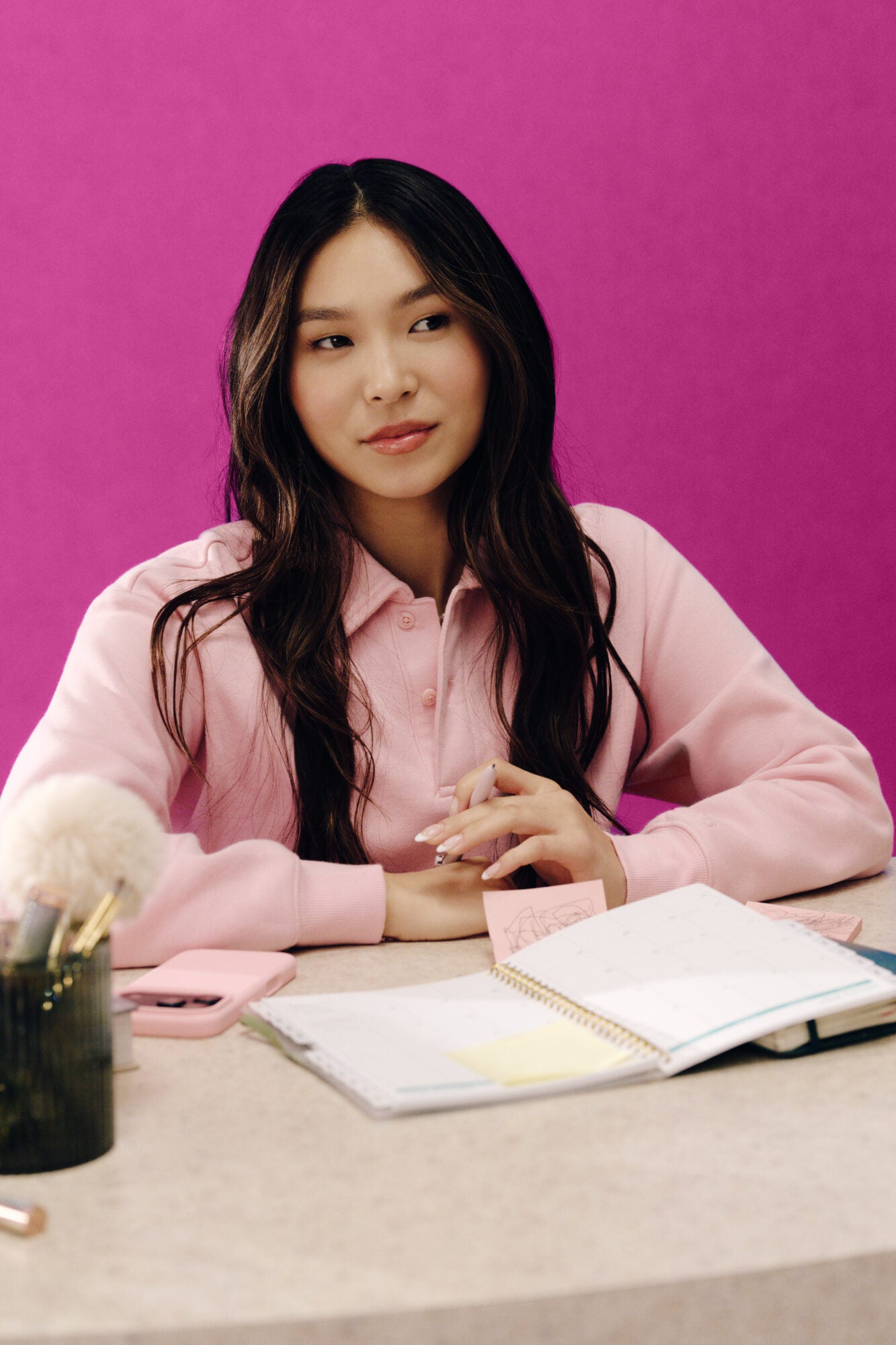
We’re seeing more athletes speak honestly about mental health in a way they weren’t ten, even five years ago. Was any part of you apprehensive about opening up?
I felt really inspired hearing Naomi Osaka and Simone Biles speak about their mental health journeys, and it made me feel seen. That's also why I have been a big advocate for mental health. If my story can change one person's perspective, that means the world.
But I was scared because growing up, I didn't really talk about mental health. I was taught to believe that as an athlete, my body was the most important thing. But the mind and the body are so connected — if I woke up on the wrong side of the bed, I did not have a good day on the mountain.
I also didn't want to show signs of weakness. I was so accomplished in one part of my life, and I didn't want people to see me differently because I was struggling mentally. But it's been so empowering to talk about my journey and spread awareness. I want to help guide people to do research, seek help, and not fall into the fear of what could be. We deserve to get help if we need it, and there's nothing wrong with that.
