






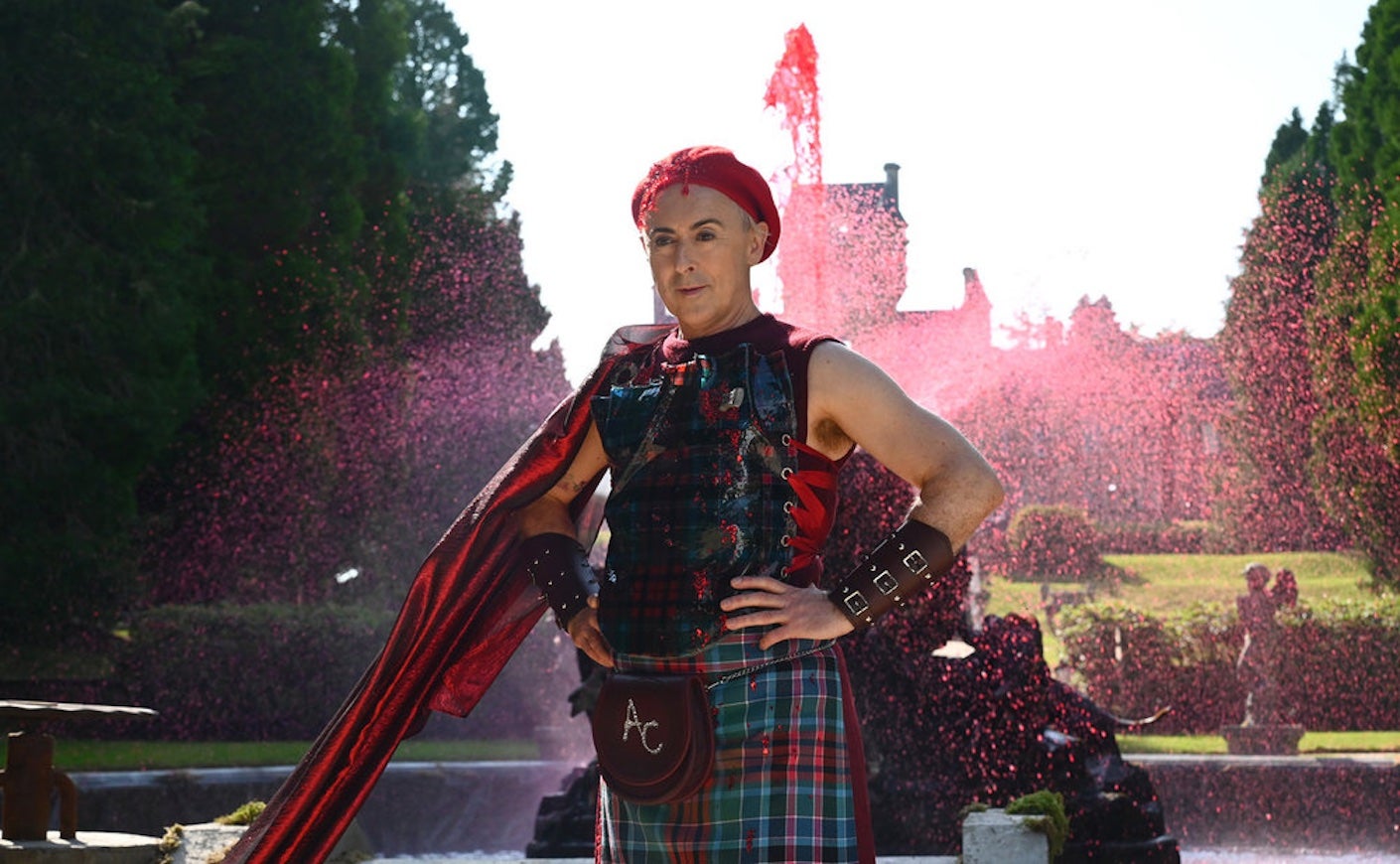
A reality competition built around lying, suspicion, and betrayal has become one of television’s most acclaimed and addictive shows. Accepting the show’s third consecutive Emmy for Outstanding Reality Competition Program this week, The Traitors host Alan Cumming thanked its audience for watching together. “That is so beautiful. That a show about treachery and betrayal brings people together,” he said. His remark captured the strange appeal of a show that places our fear of being deceived inside the controlled boundaries of a game.
Testing our judgment
I have seen the power of betrayal from a very different side of unscripted television. As an executive producer adapting the hit podcast Betrayal for television, now in its 4th season on Hulu, I worked with stories where deception was not a game. It happened inside marriages and families, where trust was supposed to offer safety. The series follows people forced to reconsider their lives after discovering that someone close to them has been hiding a devastating truth.
The emotional stakes of The Traitors can't compare with what survivors of intimate betrayal endure — even if Maura's reaction to Rob's revelation, which you knew was coming, hurt for days. For the people featured in Betrayal, the revelation was only the beginning of a far more painful and lasting reckoning. On Peacock’s competition series, betrayal creates a dramatic moment before the game moves forward.
However, working on the docuseries taught me why betrayal — strategic or personal — has such power on screen. It changes the meaning of everything that came before it. An affectionate message becomes evidence. A business trip becomes an alibi. A relationship that seemed secure becomes a mystery the victim must reconstruct. Viewers are picking apart how it happened, too. But they're also asking an unsettling question: Would I have seen it?
The Traitors draws on that same question with much lower stakes, without pretending the consequences are the same. The Faithful form alliances with people who may be plotting their elimination. The Traitors lie directly to friends they genuinely like. What makes it even more watchable is that most of the time, viewers know who's lying, allowing them to feel in on it instead of betrayed by their favorite player. Every breakfast, whispered conversation, and roundtable accusation becomes an opportunity to study the players. Can they see what we see? Or would we be fooled too?

The return of the reality TV villain
The show’s rise may also tell us something about another reality institution. Survivor helped define the modern reality villain. Early winners and finalists such as Jonny Fairplay, Parvati Shallow, and Boston Rob understood that deception was not a side effect of the game. It was the game. Their betrayals gave viewers someone to root against, argue about, and remember.
But in recent years, Survivor has emphasized personal growth and the emotional experience of playing. Jeff Probst drew attention in 2024 when he said the show was no longer interested in casting traditional villains. He later clarified that Survivor still wants charismatic, devious players, but not people who are merely mean-spirited. It's an important distinction. Conflict can make great television, but cruelty isn't the same as character.
The Traitors found a clever way to make betrayal entertaining without challenging our own judgment in very consequential ways: It makes betrayal the objective. Everyone enters the castle knowing some players have been selected to deceive the rest — many contestants, like Lisa F*cking Rinna, come in hoping to get that role. A Traitor who manipulates another player is doing the job the show assigned. The lie may sting, but it happens within rules everyone accepted. Cumming’s theatrical hosting and the show’s gothic excess keep reminding us that we're watching a game — and when feelings are hurt on set, "it's just a game" is always part of the apology.
That structure gives viewers permission to enjoy the deception. We can admire a convincing lie, laugh at a wildly inaccurate accusation, and watch an alliance collapse without forgetting that the players knowingly entered a competition built around mistrust.
The memorable villain is not necessarily the loudest or cruelest person in the room. It's often the person who understands someone else’s trust and knows how to use it. That choice gives a story stakes.
Survivor has not abandoned deception; blindsides remain central to its game. But The Traitors places deception at the center of every relationship from the first episode, creating immediate tension and making every conversation feel suspect. It doesn't wait for a villain to emerge. It gives someone the cloak.
Why betrayal holds our attention
Betrayal is such an effective storytelling device because it's both an action and a relationship. A twist can surprise us, but a betrayal tells us who trusted whom and what that trust cost. In real life, that cost can reshape a person’s identity and sense of safety. In a competition, it can be contained, stylized, and enjoyed.
That may be the real pleasure of The Traitors: It turns one of life’s most painful experiences into a game we can safely play along with.
