






What's laughter worth?
Comedy brings us joy, lightens the mood during dark times, and fosters a deep connection between people who can cackle at the same things. But can it change the tides of history? If you ask Geoff Bennett, the answer is a resounding yes.
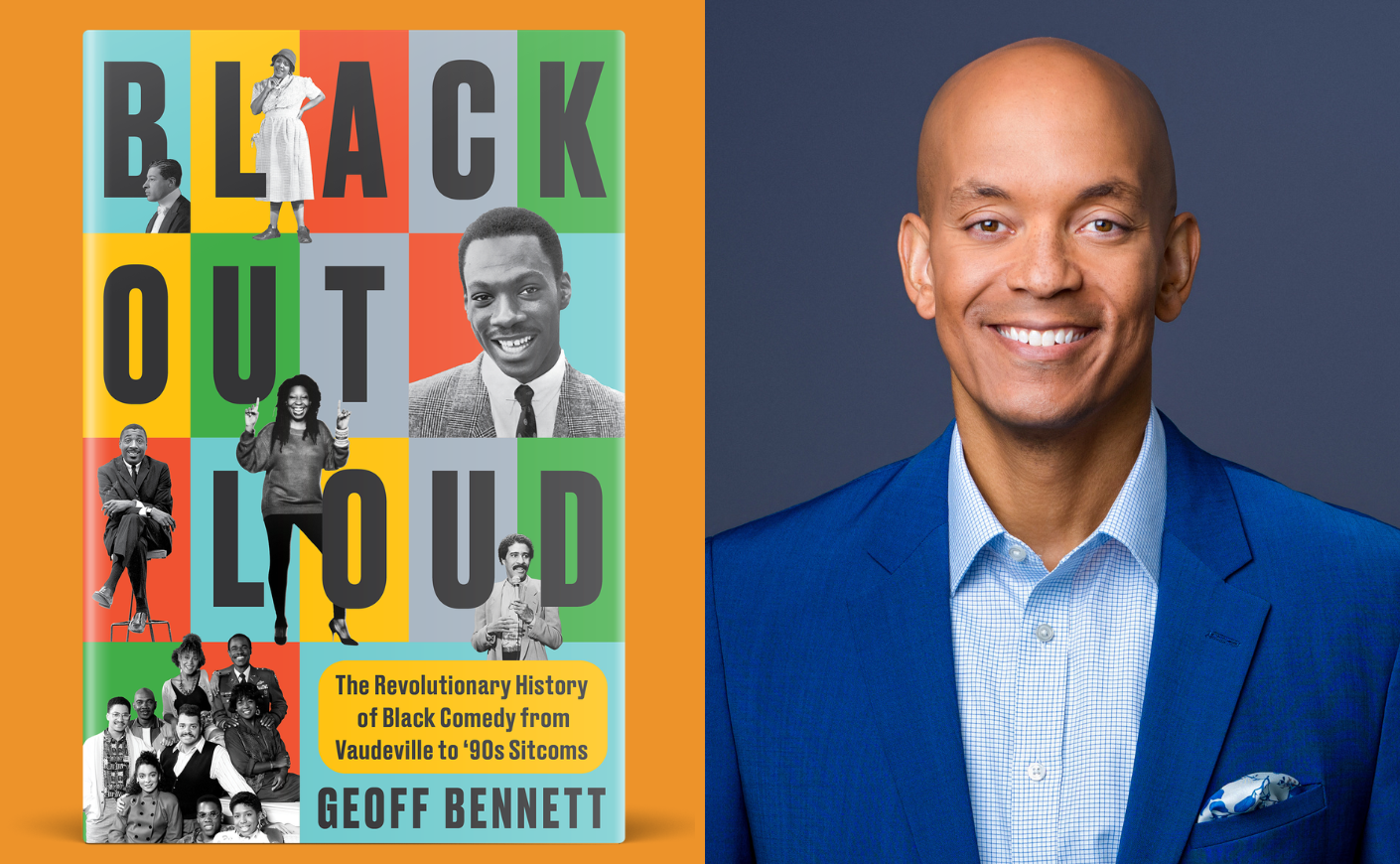
You know Bennett as the co-anchor of PBS NewsHour, where he unpacks complicated headlines and keeps up with the fast-and-furious pace of the news today. But when he's not on the air, he's been hard at work on a fascinating new book, Black Out Loud: The Revolutionary History of Black Comedy from Vaudeville to '90s Sitcoms. It chronicles the hilarious and meaningful history of Black humorists who left a major impression on American society — and offers a compelling illustration of how impactful culture can change hearts and minds faster than politics.
Bennett tells us writing about comedy was often a nice break from the heaviness of the news, but it didn't exactly feel like an unrelated project. "What surprised me while writing Black Out Loud was how much comedy and the news actually overlap," he says. "The comedians I write about were often responding to the same forces journalists cover — power, inequality, and cultural change."
We talked with Bennett about the must-see movies and TV that help tell this gripping story, how humor managed to break through in the bleakest of times, and the modern entertainers who are carrying the torch today.
KCM: Help us plan the perfect marathon of iconic Black comedy. If we spent one evening on the couch together, what are the must-watch movies and TV you'd queue up?
GB: Such a great question. I’m not sure we’d actually get through all of this in one night, but here’s where I’d start.
First, a couple of episodes from season two of In Living Color. The show was hilarious and fearless, and it launched a generation of performers who went on to reshape the industry.

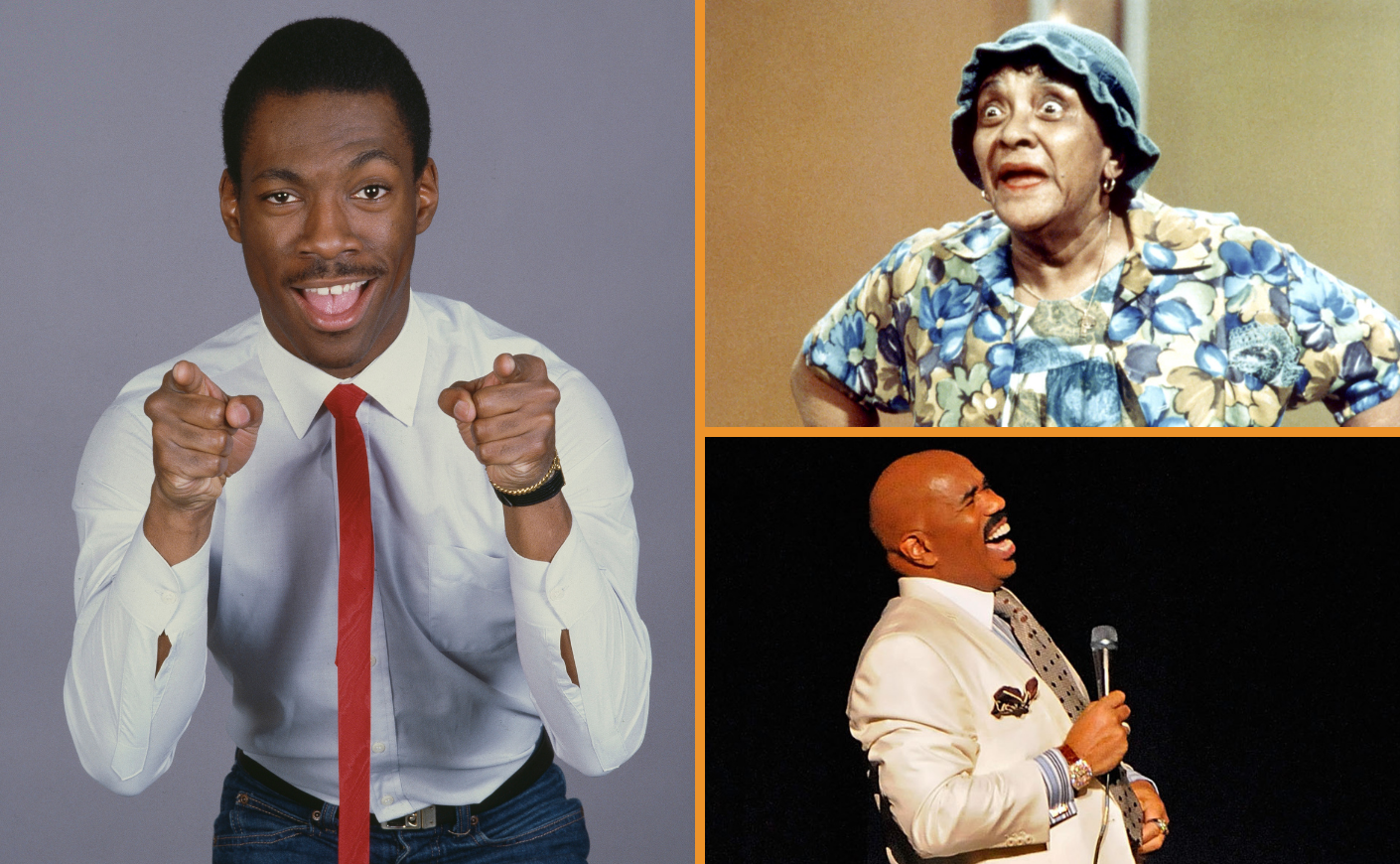
Then I’d move to The Original Kings of Comedy, because great stand-up has always been one of the purest forms of comedy. Watching Steve Harvey, Cedric the Entertainer, D. L. Hughley, and Bernie Mac work a crowd is like watching four different master classes in timing.
After that, my favorite movie: Coming to America. It’s still one of the most joyful and expansive comedies ever made.
Then maybe an episode of Martin, because that show captured a kind of comic energy that felt completely alive in the 1990s.
And somewhere in there you have to watch Boomerang, which shows a different side of Black comedy: stylish, romantic, and full of unforgettable performances.
Realistically, if you tried to watch all of that in one night, you’d probably look up and realize it’s two in the morning! But honestly, that’s kind of the perfect way to experience it.
Your book makes the case that Black humor has served not only as entertainment, but also a form of survival and resistance. How did comedy function during periods as painful as slavery and segregation?
Humor has long been a way of preserving dignity and humanity. During slavery, and later under segregation, laughter could become a kind of coded language, a way to recognize injustice together, even when it couldn’t be said outright.
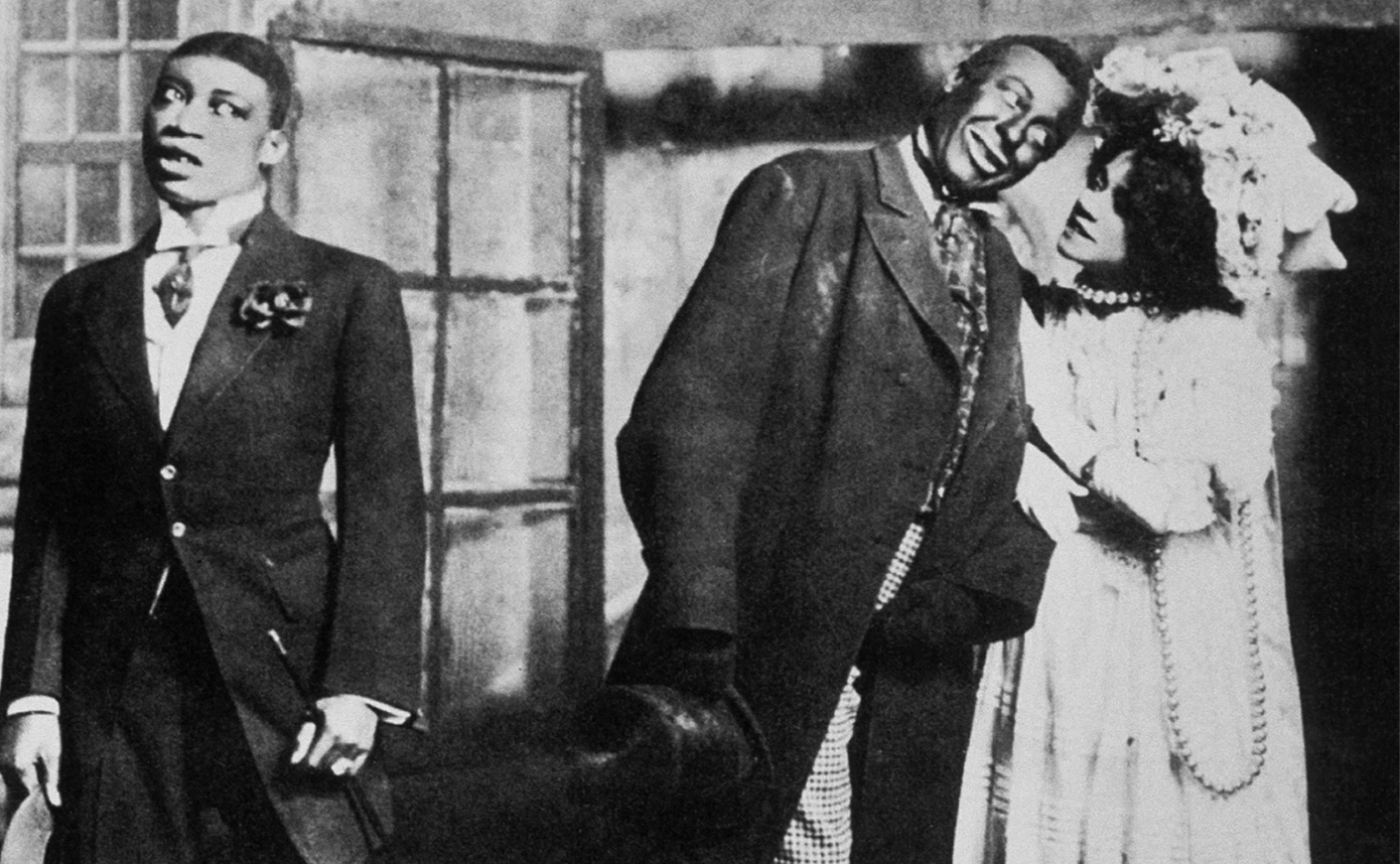
Black performers were often forced to work inside systems built on caricature, especially in minstrel shows. But even there, some artists found ways to bend the form. Performers like Bert Williams were able to hint at a fuller humanity beneath the stereotype.
Comedy didn’t erase the pain of those eras. But it created moments of recognition — and sometimes, in the space of a punchline, a quiet critique of the system itself.
Why do you think classic '90s sitcoms like The Fresh Prince of Bel-Air, Living Single, and A Different World had such a profound cultural effect?
Part of it was timing. The television industry was changing, and networks were suddenly willing to experiment with programming aimed at audiences that had long been overlooked. But the real magic was the storytelling. Those shows presented Black characters as funny, ambitious, flawed, loving — fully human.
For Black viewers, there was a powerful sense of recognition. These shows reflected rhythms and relationships that felt familiar. And for everyone else, those shows broadened the picture of American life. They helped normalize images of joy, success, and complexity that had rarely been seen on television before.
How did the comedians you write about navigate the tension between appealing to white audiences while still remaining authentic to Black audiences?
They did it by refusing the idea that their work had to be one or the other. The comedians and writers behind these shows weren’t trying to dilute their perspective to make it palatable. They were focused on making the shows good, with sharp writing, memorable characters, and stories rooted in very specific communities and experiences.
And it turns out that specificity is exactly what made the shows resonate so widely. The humor, the friendships, the family dynamics — those are things audiences everywhere can recognize. The shows were grounded in particular Black experiences, but the emotions and the comedy had universal appeal.
So the real breakthrough of that era wasn’t that the shows tried to split the difference. It’s that they proved something important: Stories that are authentic and specific don’t limit the audience, they expand it.
Which modern comedians do you see carrying forward the tradition you document in the book?
There are so many talented voices working today, but I think creators like Issa Rae, Quinta Brunson, and Lena Waithe are especially exciting because they’re expanding the tradition in new directions. They’re blending comedy with personal storytelling and cultural commentary in ways that feel contemporary, while still drawing on the lineage that came before them. In that sense, they’re not just continuing the tradition. They’re building the next chapter of it.
If you could pick one figure from the book and green-light a modern-day biopic about them, who would it be and why?
I would love to see a biopic about Moms Mabley. She was one of the most influential comedians of the 20th century, but her story still isn’t widely known. Mabley was performing sharp, politically aware comedy decades before it was common for comics to tackle social issues directly.
She built an enormous following on the Black theater circuit, appeared on mainstream television, and influenced generations of comedians who came after her. And she did it while navigating both racism and the expectations placed on women in entertainment at the time. Her life would make an extraordinary film — funny, complicated, and deeply American.
