






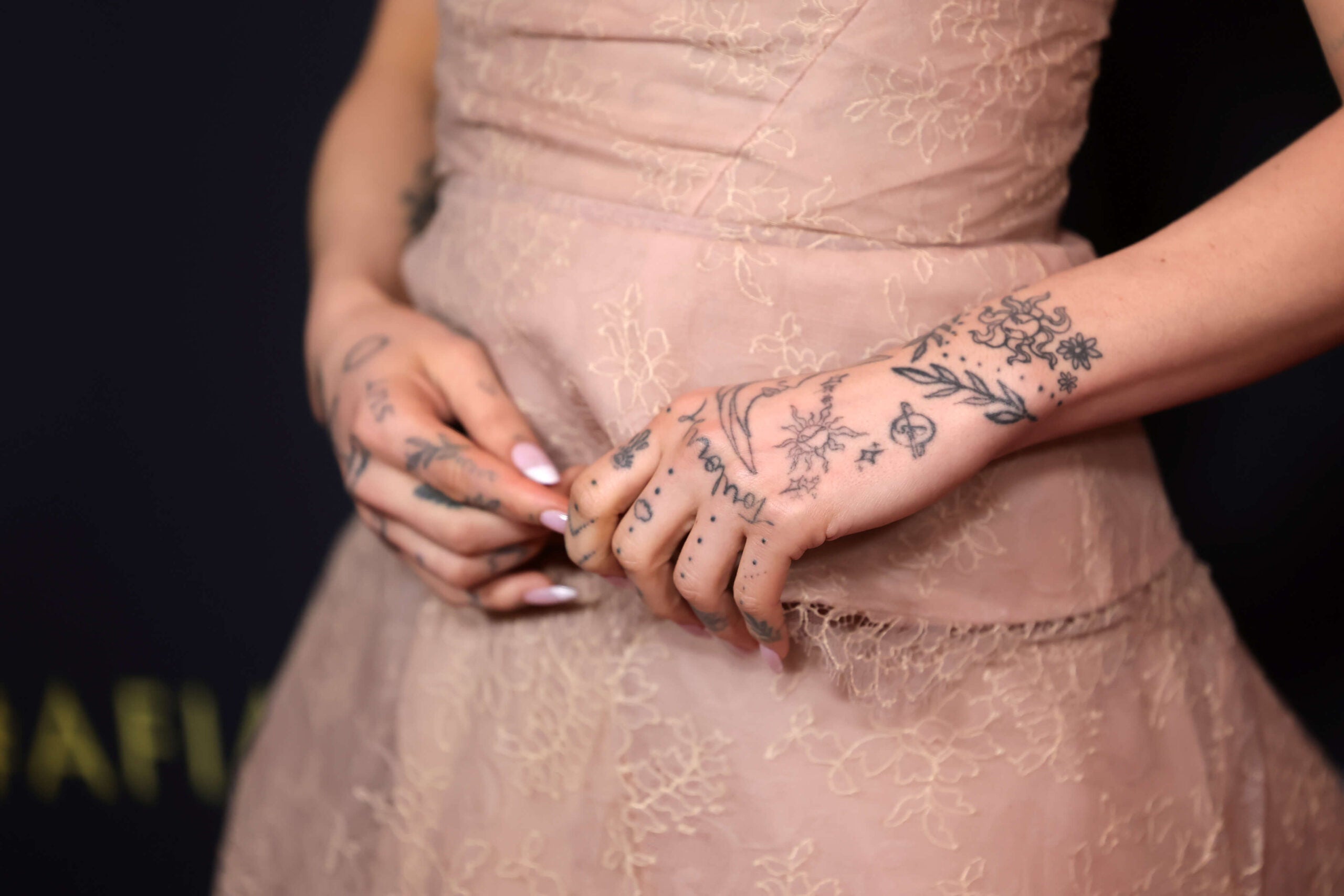
My kids enjoy watching Sam & Cat, an old Nickelodeon show about two teenage girls who start a babysitting business together. Their favorite character is Cat, played by Ariana Grande, who has a relentlessly cheerful demeanor and loves red velvet cupcakes.
Whenever the show is on, I get distracted. As my kids giggle at Cat’s slapstick antics, I find myself thinking about the actresses who played the show’s two stars. Jennette McCurdy has since written about how she struggled with an eating disorder while filming the series — and Grande has been at the center of widespread speculation about whether she has anorexia.
Grande has long dismissed concerns about her significant weight loss, which first surfaced three years ago, in response to photos of her from the production of Wicked. In the absence of clarity from the star herself about why her body has changed — and why she’s now taking a break from public life — people can’t help but want to fill in the blanks. It’s hard not to wonder: Why has Grande gotten so thin? Does she have an eating disorder? And is she OK?
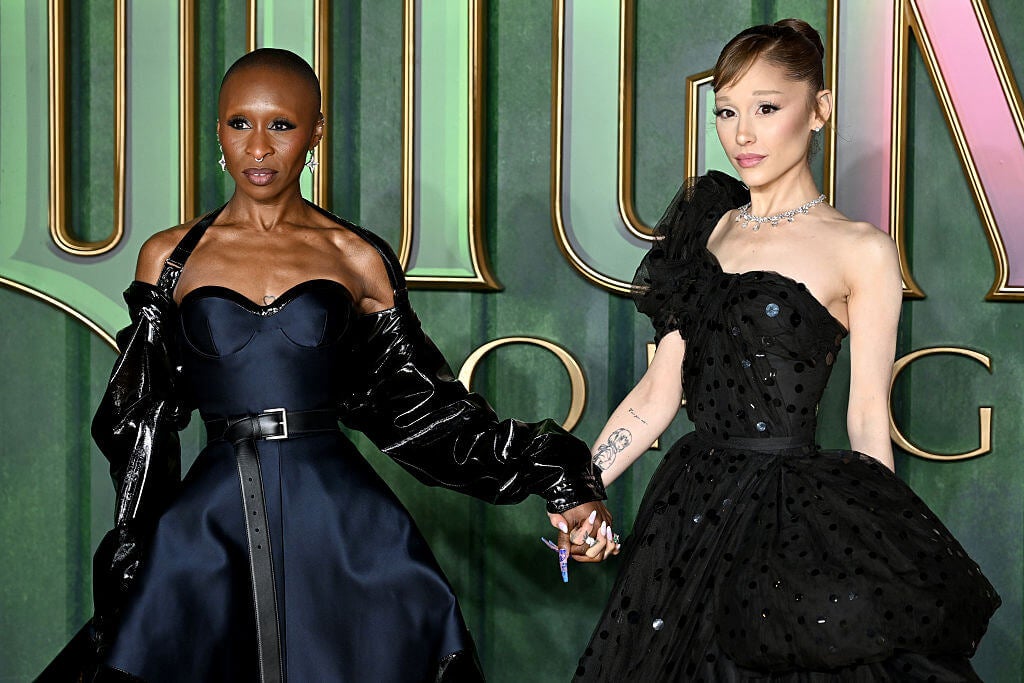
As someone who struggled with anorexia for years, I’ve grappled with these same questions, which have no easy answers. They’ve become even more top of mind in recent days, as Grande’s appearance has taken center stage once more, following the release of her new album Petal.
In the music video for the title song, Grande portrays a young woman trying out for one audition after another as a panel of impossible-to-please men slap a stamp of disapproval on her audition papers, declaring she’s “not good enough.” She flashes them a polite smile in return, only to later butcher them with a chainsaw as her skin gets drenched in blood.
The video is shocking because of its violence but also because of Grande’s body. And after watching it, I found it even harder to disentangle Grande’s increasingly thin appearance from her enormous cultural influence.

Seeing Grande’s body was painful because it reminded me of my own when I was sick with anorexia during my high school years. No matter how much weight I lost, my disorder convinced me I needed to lose more. Every time I was hospitalized, I would compare myself to the other eating disorder patients and tell myself I was “not good enough” in comparison. I’d stare at their bodies and envy the sight of protruding bones, too sick to realize I bore the same telltale angles.
Now, as a woman in recovery, I worry that others are scrutinizing Grande in a similar way — by comparing themselves to her and aspiring to achieve a similar look. As the author of the memoir SLIP, I hear from a lot of readers grappling with eating disorders. Some have reached out and specifically mentioned Grande, saying they feel “jealous” when they see photos and videos of her.
I’m heartbroken by these messages and wish celebrities didn’t have so much sway over how people feel about their appearance. And yet, I don’t blame Grande for making people feel this way. It’s not Grande’s fault; it’s a byproduct of living in society that increasingly rewards thinness and shames larger bodies.
The thin ideal has long existed, but in recent years, it has taken on new power. GLP-1 medications (though beneficial for many, especially those with diabetes) have made weight loss increasingly attainable. The feedback many people receive after that weight loss has reinforced the cultural belief that “thinner is better.”
Thanks to social media, we also have more ways than ever before to not only consume images of celebrities’ shrinking bodies but to share our reactions to them. I debated whether to share my own thoughts here, but I’d be lying if I said I wasn’t worried about Grande’s appearance. I try not to pathologize thinness, and yet, it’s hard for me not to wonder whether Grande is struggling — in part because I know from my own experience (and research) that people with anorexia often downplay the severity of their illness or remain in denial about it altogether.
I was among the many people with anorexia who developed anosognosia — a neurological condition that makes people genuinely believe they aren't sick, even when they're dangerously ill. Anosognosia can impair people’s ability to recognize the severity of their eating disorder, and it can prevent them from seeking treatment. That helps explain why it can be difficult to admit to one’s internal battles, and why it’s more common for people to do so once they’ve been treated.
No one should ever feel obligated to publicly disclose an eating disorder, whether they're a celebrity or not. But when people who have experienced these illnesses choose to share their stories, they can deepen our collective understanding and challenge harmful misconceptions.
That's why I appreciated it when McCurdy, Grande’s former Sam & Cat co-star, opened up about her eating disorder in a Huffington Post essay years ago. In the piece, she writes, “It’s scary to me how easy it was to cover up what was really going on. If you throw on a nice outfit and smile big for the cameras, they’ll never know!” This speaks to a reality that the discourse surrounding Grande’s appearance has largely missed: People with eating disorders don’t always look sick or emaciated.
One study surveyed over 3,000 adolescents with eating disorders and found that only 6 percent of them were clinically underweight. Other research suggests that people who lose large amounts of weight without ever becoming clinically underweight can be just as medically compromised as those who meet the BMI criteria for anorexia nervosa.
When writing my memoir, I surveyed and interviewed hundreds of people, many of whom told me they had been overlooked and in some cases denied treatment because they didn’t “look the part” of someone with an eating disorder. In other words, they didn’t get thin enough to warrant the kind of concern that Grande’s body has prompted.
The concerns also reflect another telling truth: we tend to approach discourse about bodies differently depending on the shape and size of the body in question.
Author Roxane Gay captured the contradiction in a Threads post earlier this week. “People comment on fat people’s bodies constantly. They often cite that they are merely concerned about fat people’s health,” she wrote. “But when you comment on someone who is dangerously thin all of a sudden there is a rigid morality around not discussing people’s bodies even when they look very unwell. The hypocrisy is grating.”

Conversations about our physical forms will always be fraught, so long as we continue upholding the thin ideal. I think about this a lot as a woman in recovery and as a mother who's trying to teach my 8-year-old son and 10-year-old daughter that all bodies, no matter their size, are worthy of care.
When I see my kids watching Grande play a bubbly teenager on Sam & Cat, I feel relieved that they’re young enough to be unaware of the scrutiny surrounding her. For now, they simply see her as the high-spirited, cupcake-loving girl who makes them laugh — not the subject of headlines.
Mallary Tenore Tarpley is a journalism professor at the University of Texas at Austin and author of the memoir SLIP: Life in the Middle of Eating Disorder Recovery. Follow her newsletter at mallary.substack.com.
