






- Over 3,000 cases across 31 states as of July; Michigan reports about 2,640 cases, New York about 470.
- Cyclosporiasis causes loud watery diarrhea, nausea, cramps; see a doctor for testing and antibiotics to avoid prolonged illness and dehydration.
- Likely linked to contaminated fresh produce such as lettuce, herbs, berries; source not confirmed and investigations include some restaurant links.
- Reduce risk by washing hands, rinsing and scrubbing produce, avoiding bagged salads, cooking produce to 158 F when possible.
The CDC is working to figure out what's behind a certain parasitic infection whose biggest symptom is "explosive" diarrhea. Cyclosporiasis is causing illness in thousands of people across 34 states so far. Here's what we know and how you can protect yourself.
What's the stomach bug going around?
Cyclosporiasis, the infection caused by the parasite, is not a virus, so it's not that kind of bug, though it's still unpleasant. And it does cause symptoms that could be mistaken for those of other stomach bugs — namely, loud, often watery diarrhea.
Which U.S. states have had a parasite outbreak so far?
The outbreak has been confirmed in 34 states as of July 16. Michigan has reported the most illnesses, with 4,312 cases confirmed by the state's health department as of July 16.
New York has reported 517 cases so far.
Colorado, Louisiana, Alaska, Florida, Georgia, Tennessee, North Carolina, Virginia, Ohio, Pennsylvania, New Jersey, Connecticut, Massachusetts, and Wisconsin are also seeing cases, among other states.
The CDC has confirmed 1,645 cases and is monitoring some 5,000 others. Some sources told the New York Times that the delay in identifying the source is normal given that symptoms can take up to two weeks to appear. There's also been debate about whether the CDC's decision to cut back the Foodborne Diseases Active Surveillance Network and make it optional for states to report cyclospora is contributing to the outbreak. Dan Jernigan, the CDC's former director of Emerging and Zoonotic Infectious Diseases (who resigned after Robert F. Kennedy Jr.'s controversial firing of the CDC director), told the Washington Post that FoodNet, as the program was known, wasn't meant for real-time outbreak detection or response. He added that the federal cuts would have had little impact on the current outbreak.

Dianna Blau, acting chief of the CDC’s Parasitic Disease Branch, told NBC News that there hasn't been a change in recent years in how the agency handles cases or reports.
No deaths have been reported.
Cyclosporiasis symptoms and treatment
In addition to the so-called "explosive" diarrhea, cyclosporiasis can also cause:
- Nausea
- Vomiting
- Stomach cramps
- Loss of appetite
- Bloating, burping, and farting
- Low-grade fever
After being infected, it can take two days to two weeks for symptoms to start showing up.
If you do suspect you have cyclosporiasis, see your doctor. They can prescribe antibiotics to treat the infection. They may also recommend anti-diarrheal medicine and hydration. The illness can go away on its own, which is part of the reason why people aren't always tested for it, but the symptoms can linger for a month or longer, causing severe dehydration, which can in turn cause its own complications. So it's best to get checked out.
Is cyclosporiasis contagious?
The good news is that cyclospora is not likely to spread from person to person. Infection occurs when the parasite, found in human feces, contaminates water, which is then sprayed onto crops. From there, the humid environment of a farm field can make the parasite spread quickly. This is not the first time there have been reported cases of cyclosporiasis — the CDC says cases typically rise in the summer — but this outbreak is among the largest in the U.S. in years.
What's causing the outbreak? Taco Bell investigated
The CDC said July 16th that a cluster of at least 400 cases in Kentucky, Michigan, Ohio, and West Virginia is linked to shredded iceberg lettuce sold at Taco Bell restaurants.
According to the New York Times, lettuce sold by Taylor Farms was sent to Taco Bell locations in Indiana, Kentucky, Michigan, Ohio, and West Virginia. The CDC has warned customers not to eat shredded iceberg lettuce from those locations, but added that it's still unclear whether cases of cyclosporiasis in other states are related. The FDA posted an update Thursday night, adding: "FDA is working directly with the identified supplier to determine if potentially contaminated shredded iceberg lettuce remains on the market."
What makes pinpointing potential sources tricky is that symptoms of the infection can take up to two weeks to appear. That's why you may have seen people on social media swearing off all fruits and vegetables, although Donald Schaffner, department chair of the Department of Food Science at Rutgers University, told NBC News he doesn't think that's necessary. “We know that fresh produce is part of a healthy diet. We know that cyclospora cases peak between May and August, which is also the prime fresh-produce-eating season. I can tell you that I’m not going to change my consumption habits."
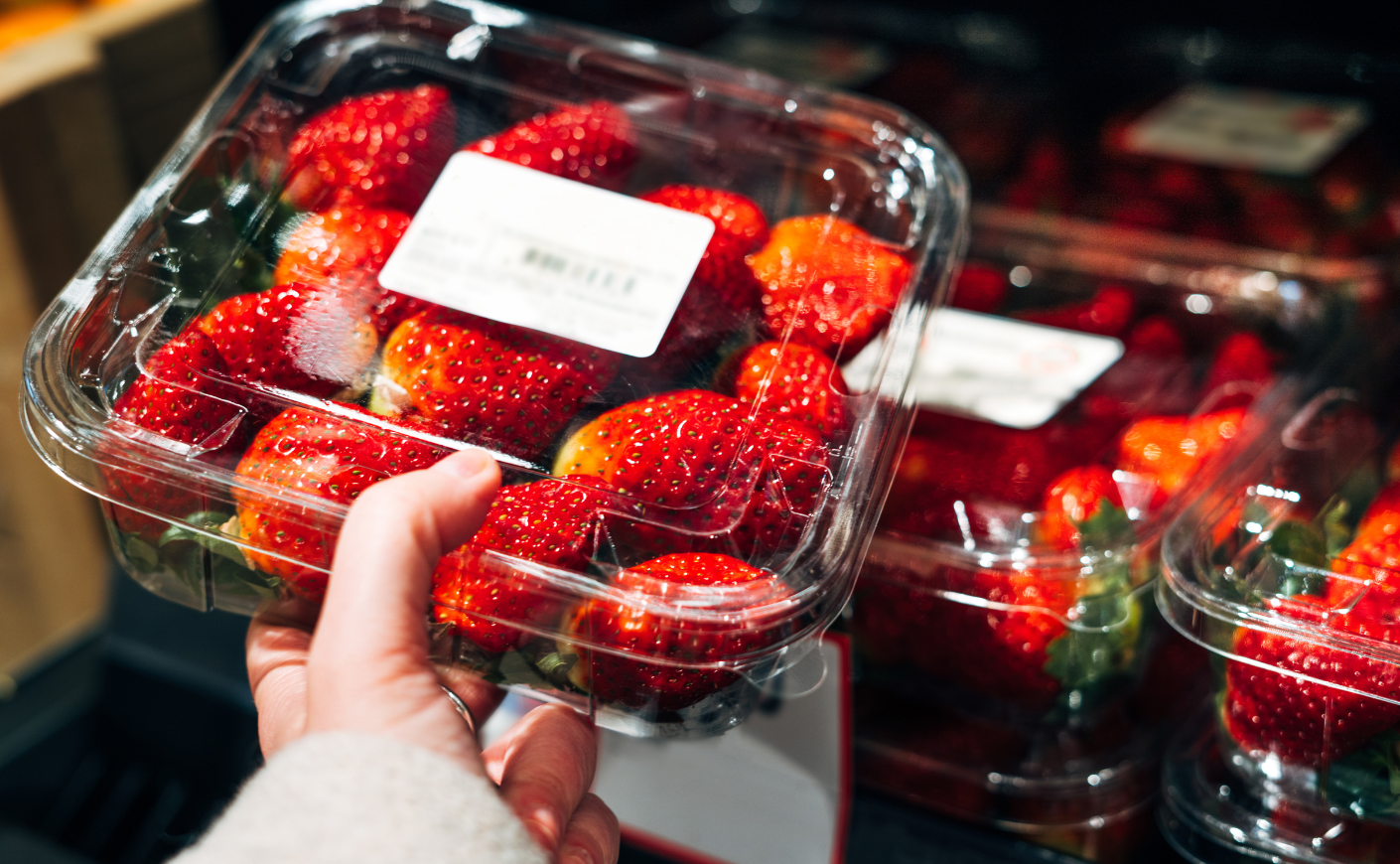
David Freedman, MD, professor emeritus of infectious diseases at the University of Alabama at Birmingham, told CNN that cyclosporiasis is usually traced back to two types of produce: cilantro, basil, and what Dr. Freedman calls "plants that grow and that you might put in a salad or use as a garnish," and berries like strawberries, blueberries, and fresh melon. Cleveland Clinic points out that mesclun lettuce, snow peas, and sweet peas can also carry the parasite. Previous outbreaks have been traced back to basil, cilantro, salad mix, and fresh produce.
How to prevent cyclosporiasis
Cyclospora is killed by heat, so cooking your produce to an internal temperature of at least 158° Fahrenheit is the surest bet. Rinsing produce — even with vinegar — can reduce the risk but doesn't eliminate the parasite completely. The CDC recommends washing your hands with soap and water before handling fresh produce, and thoroughly washing fruits and veggies with fresh water before eating. For foods like cilantro and basil, separate the leaves when washing them. Some experts recommend avoiding bagged salads and instead purchasing whole heads of lettuce, removing the outer layer, and thoroughly washing the remaining leaves.
For firmer produce, you can scrub it with a brush and even peel off the skin.
It's also important to wash food-prep surfaces before using them — and keep in mind that bleach doesn't kill cyclospora, so soap and water, or even a follow-up with an alcohol wipe, is the way to go.
