




It’s possible, no, it’s an absolute fact that one of the cheeks of my posterior rests noticeably lower than the other side. Let’s not use the word "hangs" or "droops" because that would be too dramatic, but a boyfriend once noted, with astonishment, that, compared to my small and otherwise fit frame, my behind lacked even the minutest amount of muscle tone. During the time that we were dating, he pledged to give up drinking and drugs, activities he pursued with enthusiasm and vigor, if I’d agree to work out. I declined. Many years later, he died of a drug overdose, and although I know it was in no way my fault, every once in a while, I think, would it have hurt to do a few Jane Fonda butt lifts?
My bottom became an oft-discussed subject in my 20-year marriage. As wedded bliss sank into wedded blah, the threshold of things better left unsaid sank lower, as did my behind. When my husband dubbed it the “Sad Left Cheek,” I laughed. It stung, but contempt had been normalized by then. I took to carefully concealing the so-called SLC. Swathing it, swaddling it, and general sashaying to prevent the offending lower backage from bringing anyone else down by virtue of its existence became second nature.
In the winter of 2019, we failed a final attempt at marriage counseling, and our spirits were sagging more than the SLC. By the fall of 2020, we were deep into mediation, and when the pandemic hit, we moved to Zoom. I don’t recommend a Zoom divorce. An online ending grants you the opportunity to observe your partnership’s devolution in stark, two-dimensional clarity: bodies that once shared space and time, partitioned into demarcated territories — boxes — much like how your respective belongings have been divided.
Then came more life-altering news: During a routine Covid test, I received a stunning, out-of-the-blue stage 4 lung cancer diagnosis. Given the absence of symptoms, this was a sucker punch. I'd been vigilant about regular check-ups, exercised regularly, and ate healthily. If I could be so wrong about the state of my health, how could I trust any of the coping mechanisms I'd amassed over a lifetime?
Metastatic lung cancer is still incurable and deadly, but I was fortunate enough to have a form of the disease that can be stabilized with a one-pill-a-day treatment that turns off the gene driving the cancer’s growth — if you're lucky enough to respond to the treatment. But there’s a catch. The treatment loses its effectiveness, after which you must switch to more traditional treatments that have greater toxicities, like chemo and radiation. Even those wouldn’t offer a cure.
It took three grueling months of experimenting with a tolerable dosage of the first treatment, and then another three more months (the standard time allotted for monitoring) to find out if the medication was working.

During that time, the coping mechanisms I’d finessed throughout my life evaporated seemingly overnight, leaving panic, worry, and indecision in their place. I lost confidence in my ability to string words together. I was speaking too slowly, like a record playing at the wrong speed. I lost certainty in my body’s reliability. I held onto walls while walking, unsure if my legs would give out without warning. I got lost on my way back from the grocery store where I’d shopped for 25 years — it was less than a mile from my home. None of these affectations were side effects of the medication; the shock of diagnosis and prognosis had cratered my equilibrium.
I am one of the lucky responders. My physical health was stabilized, but I was now living with a paralyzing dread that could suddenly make curling up in the fetal position seem like a reasonable way to spend an entire day, week, or the rest of my life. The average time that the treatment remains effective is 18 months, so when I reached a year of stability, I hit the ground running, determined to carpe every diem. I was charging ahead with manic “just in case this is my last chance” energy when I began to entertain the idea of a last-chance romance.
But who would want to date a person facing a poor prognosis? Maybe someone with commitment issues? Or maybe, I reasoned, someone who also had cancer. I googled “cancer dating” and found a website that matched cancer folk by location. There were 890 cancers in my zip code. That sounded like a cluster warranting further investigation, but also, good for me. I scrolled for 20 minutes before I realized: this site was for Cancers, the astrological sign.
This all seemed a welcome but improbable distraction. Then, out of the blue, I reconnected with an old crush. Our kids had attended the same grade school, and he and his wife had recently separated. After a month of hiking the local trails and playing badminton in my backyard, we made dinner plans, though I wasn't sure if he was looking to get into my regular hiking schedule or my pants.
Over dinner, he confessed in a low, wanton growl to having glimpsed the shape of my behind when I’d bent down to retrieve a shuttlecock during one of our badminton matches.
"So, this is a date?"
"This is a date," he confirmed.
"You understand that I'm in treatment and will always be in treatment, and this is still a date?" I wanted to be sure I’d represented my situation accurately.
"Yes," he said over dessert.
"You're sure this is a date?" I asked when we arrived back at my place. When he answered in the affirmative, I threw my body against his, kissed him, sent him home, and texted that I was having carnal thoughts and he should call me soon. He did.
After our first night together, I was about to cover up the SLC, as is my habit, and in my hurry, I almost missed hearing him sigh and say, “Can I see your glorious ass one more time?” I pivoted, still nude, treated him to an unobstructed view of the sad left cheek in all its floppy majesty, and excused myself to use the bathroom.
We have been walking together for four years now. Our daily hikes have become a reliable source of joy and connection, and no one is more surprised than me that our situationship is still going strong.
And yet, destabilizing wobbliness still lurks at the edge of my consciousness. Uncertain timelines create the worst kind of disquietude. I’ve beaten the odds, with four and a half years of stable health, but the ticking clock of the disease means that, barring the next scientific breakthrough, my relatively unimpacted by cancer lifestyle will one day crumble. And, then, what? I don't know. I am, by necessity, less attached to outcomes and measuring value by lasting power. The out-of-the-blue nature of the diagnosis was a terrible reminder that at any moment, fortunes can be washed away, but this late-in-life redemption of the Sad Left Cheek has proved a rescue in unexpected sturdiness.
With one tossed-off appraisal, something I'd internalized as fact was rendered fiction, revealing the flimsiness of long-held presumptions and replacing certainty with curiosity. When I feel the creep of crushing dread, the unexpected, albeit insequential, promotion of the Sad Left Cheek is a welcome wake-up call that if I keep engaging, life provides wonderful surprises as well.
In my life of unknowns and unknowables, there is one thing I do know: For as long as I’m alive and ambulatory, I’m never walking backward to the bathroom again. And on some days, that's enough to keep me going.
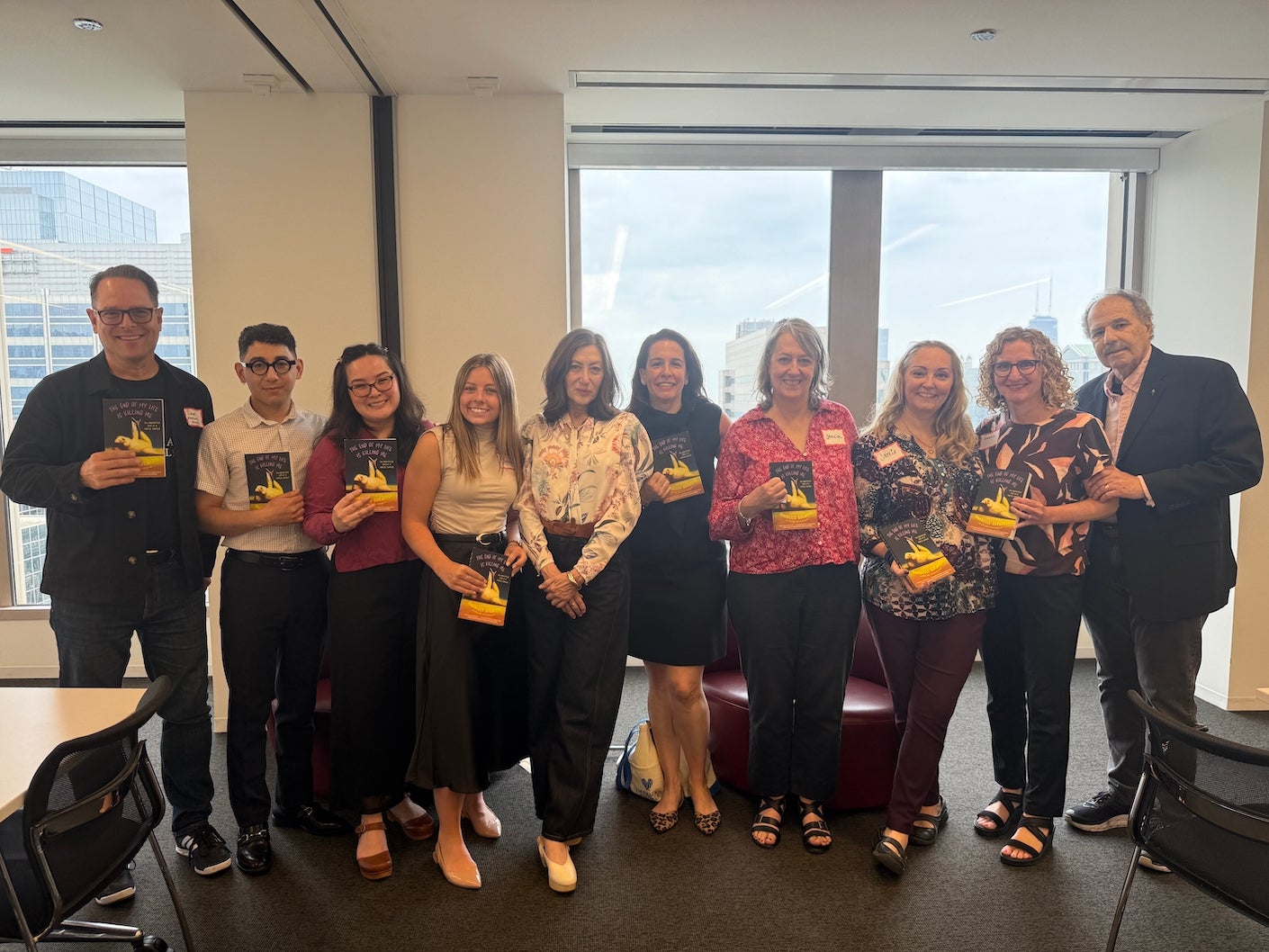
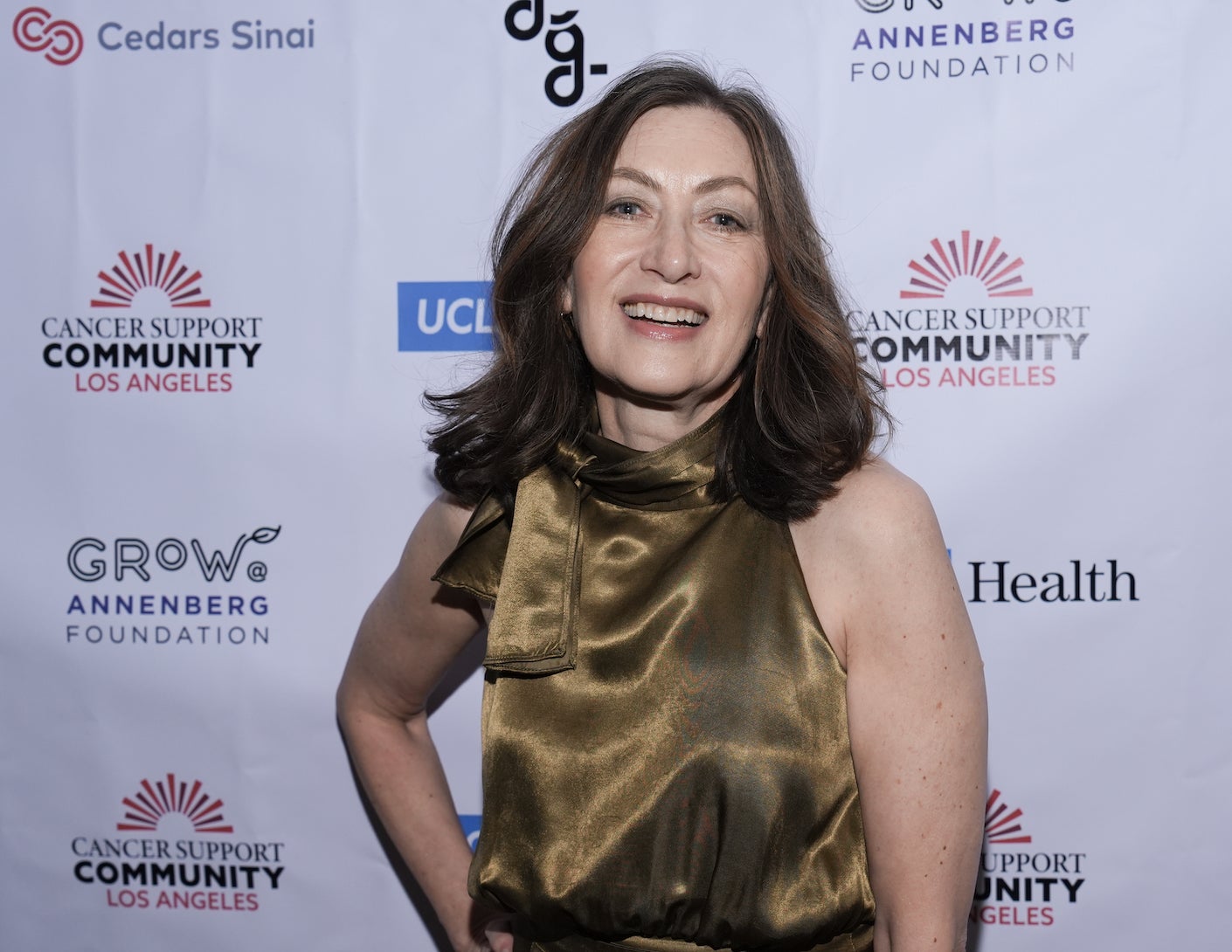
Annabelle Gurwitch is a New York Times bestselling author of six books and a two-time Thurber Prize finalist. She received the 2026 Gilda Award, named after CSCLA participant Gilda Radner, from the Cancer Support Community of Los Angeles for her dedication to cancer advocacy. Her latest memoir, The End of My Life Is Killing Me, is a national bestseller.