






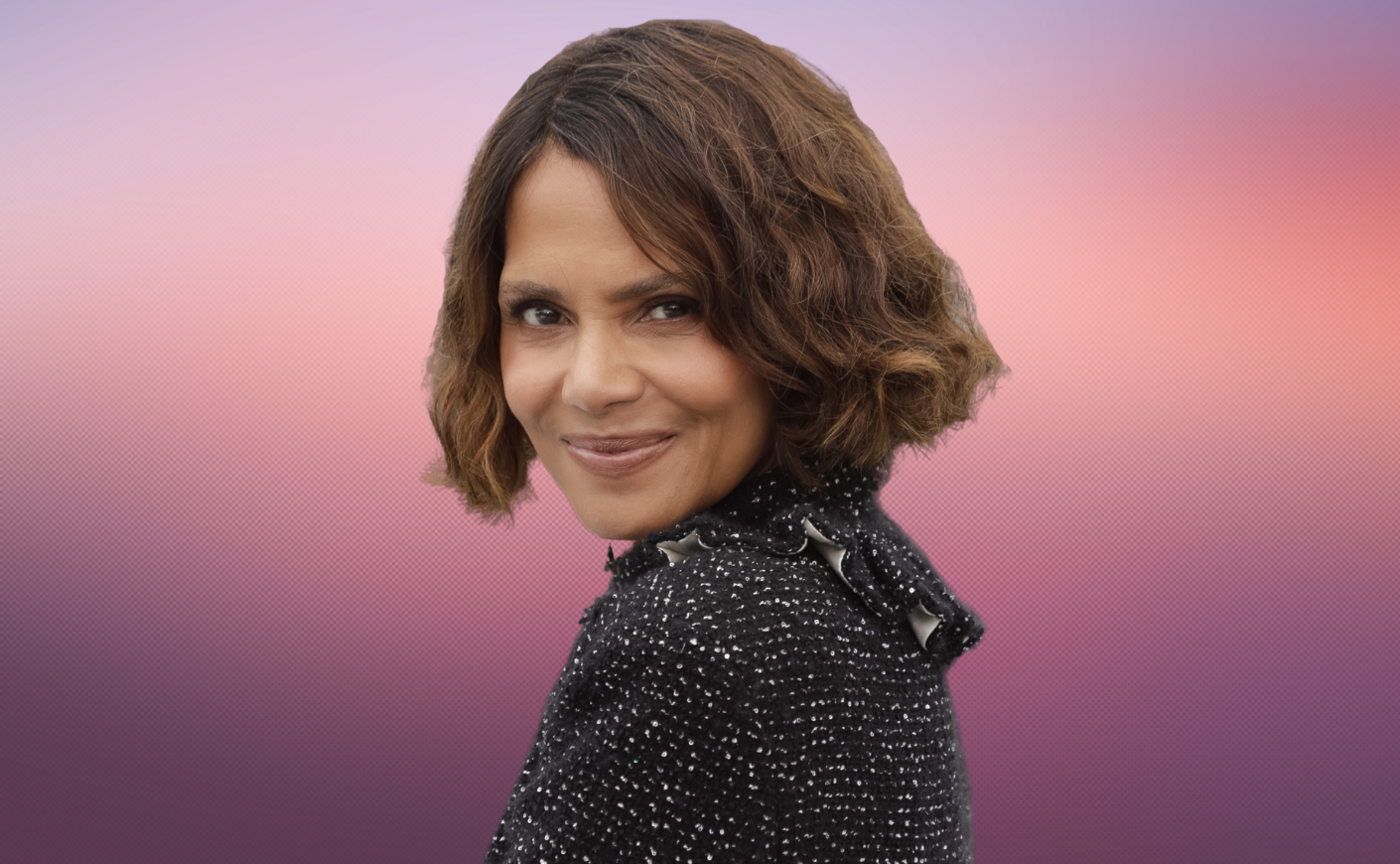
The gynecological speculum has a pretty bleak origin story: It was invented in 1845 by a male doctor who tested it on enslaved women. And despite being essential for monitoring vaginal health, everything about it — the awkward or even painful insertion, the clinking sound it makes, the feeling of being pried open — can send shivers down your spine. In fact, the speculum is one of the reasons why nearly ¾ of women delay or avoid annual gynecological exams, and risk missing early signs of disease, like cervical cancer. But Halle Berry (yes, that Halle Berry) wants to make your next OB-GYN appointment more bearable.
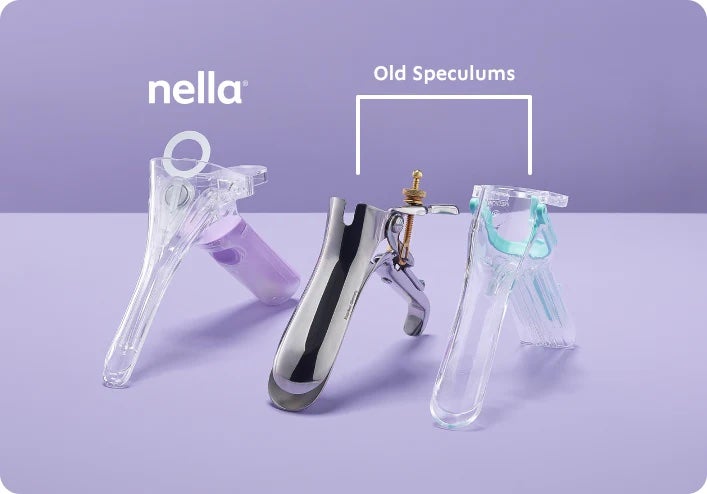
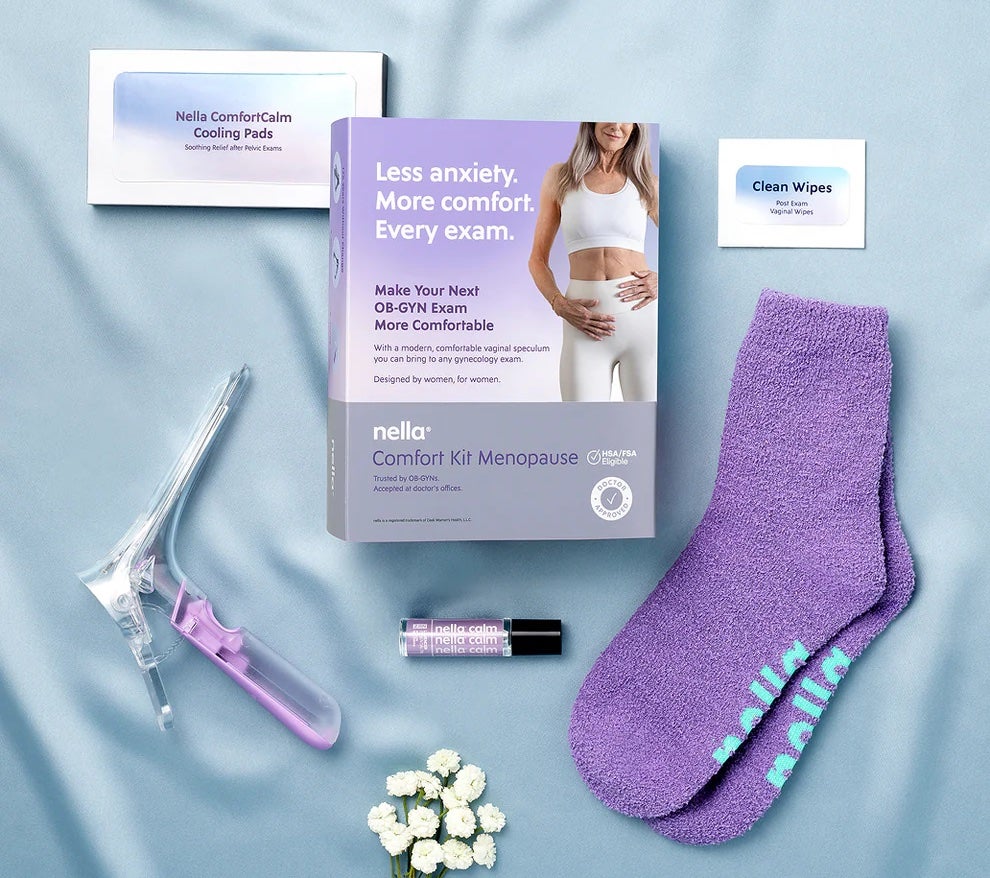
The Oscar winner is an investor and spokesperson for a new tool designed to replace this dreaded device. Nella, the creation of Fahti Khosrowshahi — CEO of Ceek Women’s Health — is a smooth, tampon-sized tool built to make crucial screenings more comfortable. They come in single- and multi-use options, and patients purchase them online or at Walmart to bring to their doctor.
Nella also fits right into Berry's most recent offscreen "role": By speaking openly about her experiences with health and aging in recent years, the star has cemented herself as a fierce advocate for women’s wellness. So it was no surprise that during our interview, she was willing to get candid about her menopausal complications and what it means to age with strength and agency.
Katie Couric Media: We all have a speculum horror story. What made you realize something needed to change?
Halle Berry: Learning how many women skip gynecologist appointments because of dread. It made me think back to when I was around 19 years old and first started seeing a gynecologist. I was scared; it was uncomfortable. Back then, most of the doctors were men, so I had this strange man performing the exam and using a tool that felt intimidating and painful.
That anxiety made me avoid appointments. But going three years without seeing a gynecologist is not the move.
When I learned about the Nella speculum, I thought, Oh my God, yes. I'm in. I realized that this has to be brought to the masses because so many women still experience anxiety around their annual exams. The fact that the speculum hadn't really been reimagined in decades just seemed barbaric.

You've talked about having conversations with your daughter about reproductive health and gynecologist visits. How are those conversations going? What kinds of things have you shared with her?
They haven't been as hard as I thought they'd be. I never had those conversations with my own mother. Somehow, I assumed they would feel awkward.
My daughter is very comfortable discussing it now. She hasn't had her first gynecological exam yet but when she does, she'll go with her Nella speculum in hand. I tell her, "You're growing up in a world where you don't have to experience the same discomfort so many women did."
She knows she has choices, like getting a female doctor if she wants. There are so many more options today than there were when I was growing up.
She also knows that when she eventually reaches perimenopause, it won't be a death sentence. She sees me talking openly about vaginal atrophy and everything I'm experiencing. But she also sees me thriving.
What made you want to attach your name to Nella?
Too often, innovations in women's health feel exclusive. Nella is the opposite — it’s affordable, available at Walmart and online, and a simple, once-a-year purchase. It empowers women to advocate for her own comfort, regardless of her socioeconomic background. Every woman deserves that.
You've spoken so openly about menopause. What's something about this phase of life — or getting older in general — that surprised you in a good way?
I think what surprised me most is that I could feel this healthy, this strong, and this ready to take on new challenges.
When I look back at my mother and grandmother at 40, they seemed old to me. But I'm turning 60 this year, and I don't feel old at all. If you just look at the number, you might think, OK, you're getting up there, but that's not how I feel.
In some ways, I actually feel healthier than I did 20 years ago. I've educated myself about my body. I exercise differently. I eat differently. I'm focused on longevity.
I never expected to feel better at 60 than I did at 40, but in many ways, I do.
Why do you think that is?
Because I had my children later — I had my daughter at 41 and my son at 48 — I became very aware of how much I wanted to be here for them. I wanted to watch them grow up, maybe even meet grandchildren someday. That was really the beginning of my interest in longevity.
As women, we're often motivated by caring for other people. But one of the messages I hope to share through this partnership is that we shouldn't have to wait until we're caring for someone else to prioritize our own health. We deserve to be healthy and take care of ourselves for ourselves.
How have decades spent in Hollywood under intense scrutiny impacted your approach to aging?
We're all going to age, it's natural. What's helped me is realizing that I'm so much more than the shell I'm walking around in. What makes me valuable comes from within — from a life lived, lessons learned, and wisdom gained. That mindset has made me far less afraid of getting older.
Of course, nobody loves looking in the mirror and noticing changes. But aging is also a privilege. The alternative is not being here at all.
What worries me is seeing how much pressure women feel to fight aging at all costs. I feel that pressure, too. I have to resist the urge to think I need surgery or some dramatic change to somehow remain enough.
There's nothing wrong with cosmetic procedures — it's an individual choice. But I hope to age naturally and stay connected to what real beauty means: It's what you do, what you know, what you give, and what you share. That's the definition I want to hold onto.
