






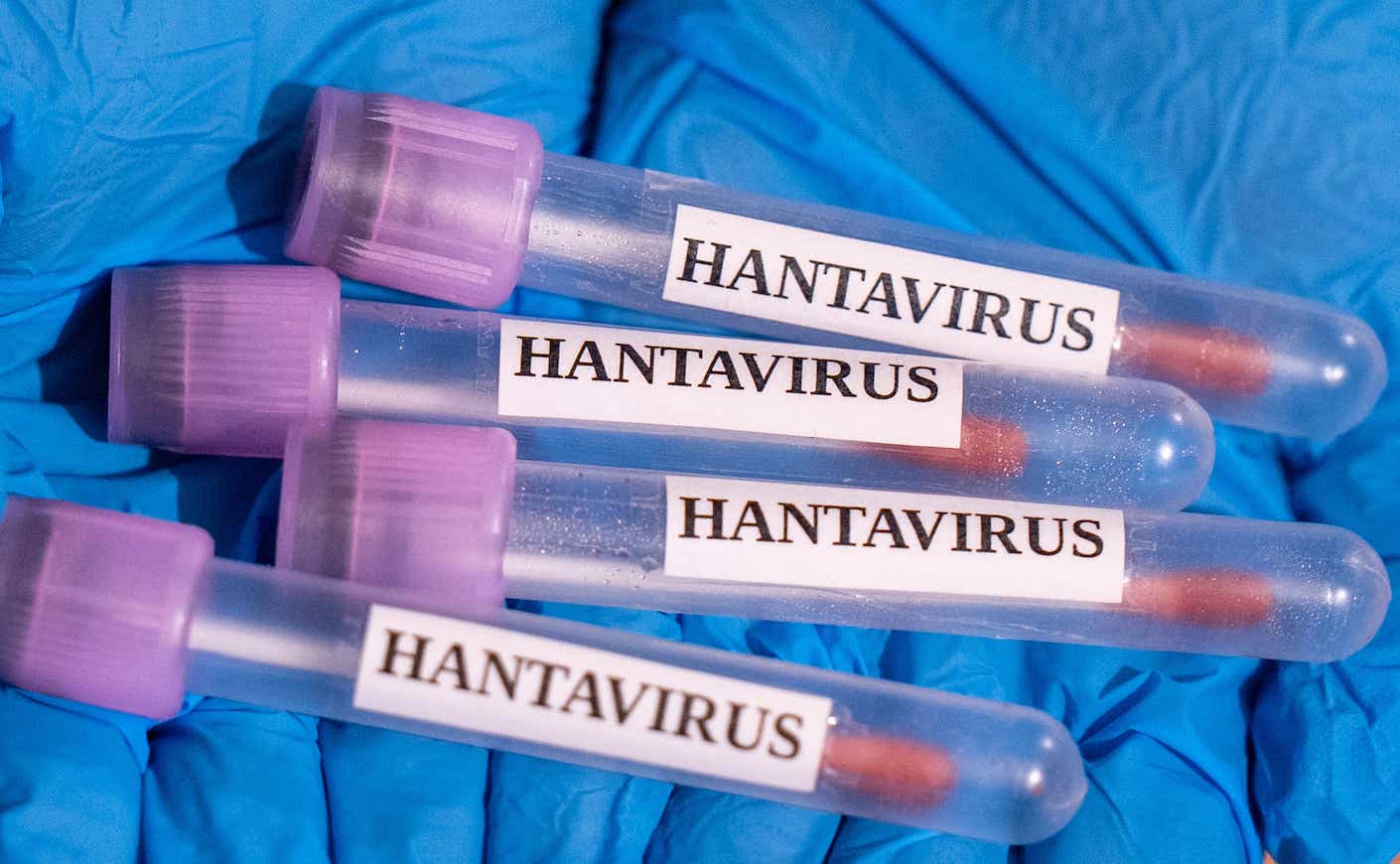
The hantavirus outbreak tied to a cruise ship crossing the Atlantic has so far remained relatively contained. But as health officials monitor returning passengers across multiple states, the situation is also becoming a test of something much bigger: whether the country can still respond quickly — and transparently — to emerging public health threats.
While the Centers for Disease Control and Prevention says the risk to the public remains low, the response has raised new questions about what’s changed inside the U.S. public health system since the Covid-19 pandemic, including staffing cuts and vacant leadership roles. President Trump has also withdrawn from the World Health Organization, limiting its formal role in the global public health network.
For some experts, the concern isn’t just the virus itself, but whether the systems designed to catch and contain outbreaks are now weaker than they were just a few years ago.
What is Hantavirus, and is it contagious?
Hantavirus is a rare but potentially serious disease, usually transmitted to people by inhaling air contaminated with virus particles from rodent urine, droppings, or saliva. In severe cases, it can lead to a life-threatening respiratory illness called hantavirus pulmonary syndrome.
Even so, health officials stress that the virus spreads very differently from highly contagious diseases like Covid-19 or measles. “This is not Covid, this is not influenza,” Dr. Maria Van Kerkhove of the WHO said Thursday. The Andes strain of hantavirus — which is tied to this cruise outbreak and primarily found in South America, where the ship departed from — has been linked to rare cases of person-to-person transmission but is not highly infectious. The global risk of infection remains low, according to the WHO.
How the outbreak began is still unclear, but officials are operating under the assumption that the first patients were infected before boarding the cruise ship — either in Argentina or during an excursion — rather than through widespread transmission onboard.

Has Hantavirus spread to the U.S.?
So far, at least five states — Arizona, California, Georgia, Texas, and Virginia — are monitoring returning cruise ship passengers for possible hantavirus symptoms, according to state health officials. None of the travelers has reported symptoms so far.
How the U.S. has responded
But the details about the U.S. response did not initially come from a public announcement by the CDC or the State Department, which is coordinating the federal response. Instead, the information first surfaced in a report from MedPage Today, which The New York Times later confirmed with state officials.
Hours after the report surfaced, the CDC issued its first public statement on the outbreak, saying it is “closely monitoring the situation” alongside the State Department, which has been in direct contact with passengers.
“At this time, the risk to the American public is extremely low,” the agency said. “We urge all Americans aboard the ship to follow the guidance of health officials as we work to bring you home safely.”
The agency had also reportedly only assembled a formal response team the day before, nearly a month after the first patient died.
Some infectious disease experts say that kind of delay is concerning because potential risks are typically assessed and communicated to public health agencies — and the public — within 24 to 48 hours of a threat emerging.
"The point is early decision making, proactive plans to protect Americans, and people with outbreak response expertise in the lead,” Stephanie Psaki, Ph.D., told The New York Times. Dr. Psaki previously served as the global health security coordinator during the Biden administration, a role that was later eliminated.
How recent changes within U.S. public health agencies could impact preparedness
The concerns come as the Trump administration has made deep staffing cuts across federal health agencies.
Nearly all of the CDC’s center directors were either recently appointed or are serving in an acting capacity, according to The New York Times. The agency has also lost the heads of several major divisions, including the Division of High-Consequence Pathogens, which oversees diseases like hantavirus.
The White House Office of Pandemic Preparedness and Response Policy — which Congress established in 2022 after the Covid-19 pandemic to coordinate the federal government’s response to future health emergencies — has also reportedly been left unstaffed. In February 2025, the administration appointed Gerald Parker, a former commander of the U.S. Army Medical Research Institute of Infectious Diseases, to lead the biosecurity and pandemic response directorate within the National Security Council. But Parker resigned less than six months later and has yet to be replaced.
At the same time, the Trump administration cut funding for the Centers for Research in Emerging Infectious Diseases, a federally backed research network focused on diseases that can spread from animals to humans, including hantavirus.
The WHO withdrawal and surveillance concerns
Trump’s withdrawal from the World Health Organization has also raised alarms among some public health experts, who say the move has weakened the U.S.’s ability to monitor emerging global health threats in real time.
The WHO was first alerted to the outbreak through International Health Regulations, a framework that requires member countries to report emerging health threats. But after the Trump administration withdrew the U.S. from the organization in January 2025, the U.S. later rejected updated international health regulations in July, further distancing the country from key global surveillance systems.
As a result, experts say the U.S. is no longer part of the same routine information-sharing and coordination among member states.
Even if the CDC and the WHO are still communicating in some capacity, Daniel Jernigan, MD, who previously led the CDC’s emerging disease center before resigning in protest over the administration’s handling of the agency, told The New York Times that “what you want is to have an ongoing dialogue.”
“CDC is not a part of that routine engagement,” he said. “And therefore when something emerges, we’re not going to get that call immediately.”
