






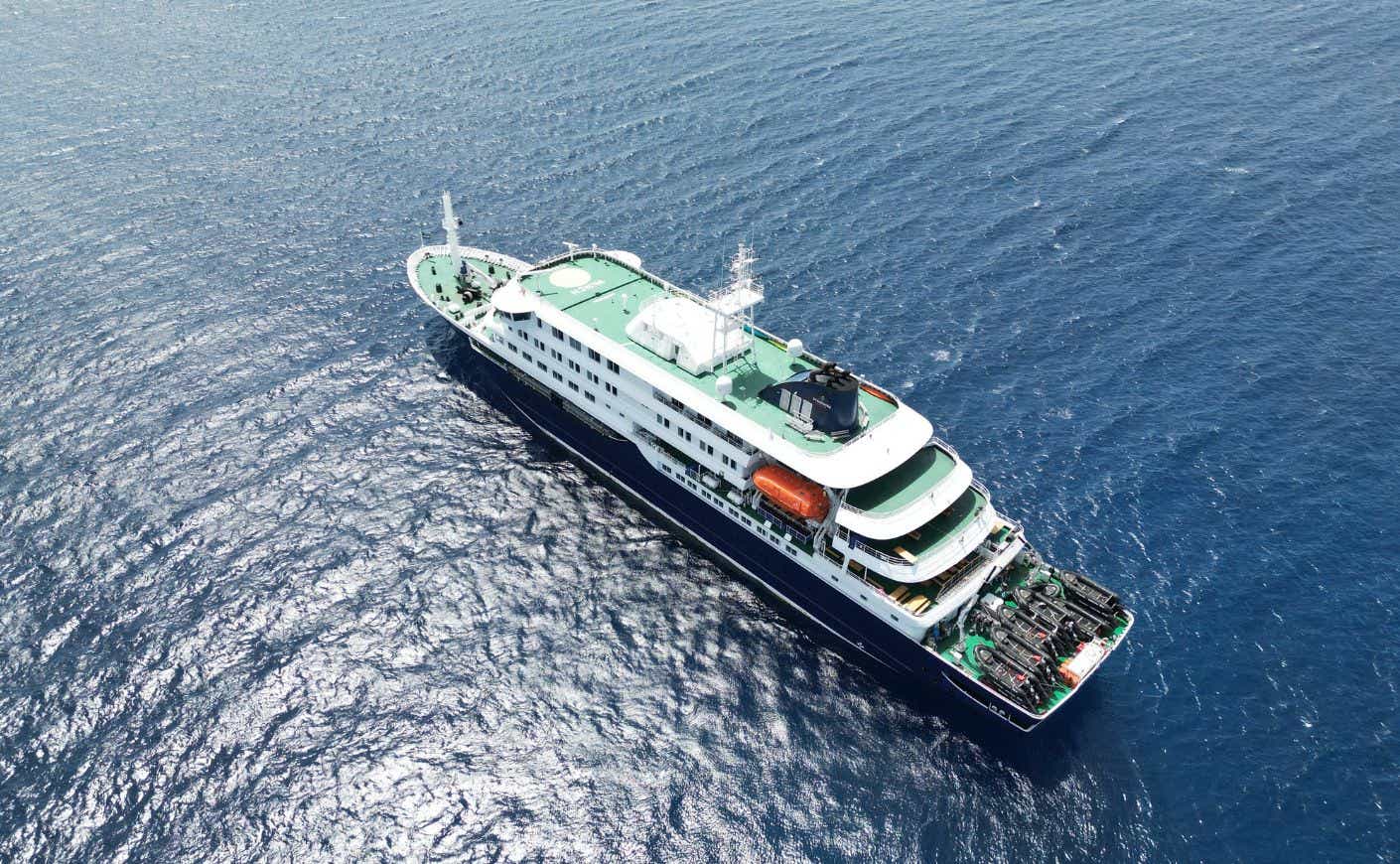
Three people have died after a suspected outbreak of hantavirus on a cruise ship in the middle of the Atlantic ocean. At least one other passenger is in intensive care in South Africa.
The World Health Organization announced the deaths (all currently suspected to be linked to the disease), and one laboratory-confirmed case of the rare disease, in a social media statement on Monday. Authorities are investigating another five suspected cases among passengers traveling on the MV Hondius.
So what is hantavirus, and why can it be so deadly? As the investigation unfolds, here’s what we know.
What is hantavirus?
Hantavirus is a rare but severe respiratory illness that can cause severe bleeding, fever and even death. The virus is spread by rodents, such as mice and rats, mainly through the urine and droppings of infected animals.
Hantavirus does not typically spread from person to person. However, in rare cases it may spread between humans. Globally, there are an estimated 150,000 to 200,000 cases of hantavirus each year. It is less contagious than airborne viruses such as COVID and influenza.
What makes hantavirus so deadly?
There are two main types of hantavirus, each with different symptoms. Hantavirus pulmonary syndrome, which affects the lungs, is mainly found in the United States. If a person becomes infected with this type of hantavirus, within days, they will likely experience coughing and shortness of breath.

As the illness progresses, sufferers can develop symptoms such as fatigue, fever, and muscle aches. They may also get headaches, dizziness, nausea, vomiting, and abdominal pain. This is the most deadly kind of hantavirus; tragically, about 38 percent of people who develop these symptoms die from the disease.
Hemorrhagic fever with renal syndrome is mainly found in Europe and Asia, but the strain known as the Seoul virus has spread around the world. This form of hantavirus mainly affects the kidneys. People usually develop symptoms within two weeks of being exposed to this virus. Early symptoms include severe headaches, abdominal pain, nausea, and blurred vision. More advanced symptoms include low blood pressure, internal bleeding and even acute kidney failure. This disease can be caused by different viruses and some are more deadly than others, meaning between 1 percent and 15 percent of cases can be fatal.
Unfortunately, there's no specific treatment or cure for either type of hantavirus. However, early medical treatment may increase a person’s chance of survival: This can include using respirators, oxygen therapy, and dialysis. Authorities are still investigating which type of hantavirus the passengers on the cruise ship were exposed to.
What caused the hantavirus cruise ship outbreak?
In a closed environment such as a cruise ship, there are two possible ways passengers could have contracted hantavirus. One is being exposed to the virus while on a shore excursion.
The other possibility is that rodents may have entered the ship on cargo, and then spread the disease to passengers through their infected urine or droppings. Other factors, such as hygiene standards and food storage practices, may have caused the infection to spread more quickly.
To contain this suspected outbreak, authorities must first ensure any rodents are safely contained and removed from the ship. They should then monitor all passengers for hantavirus symptoms. The virus is diagnosed with a PCR test, similar to those used to diagnose viruses such as COVID.
Given there is no specific treatment for the disease, authorities must help any infected passengers manage their symptoms. This involves checking that they are breathing normally and their kidneys are functioning properly.
How worried should we be about hantavirus?
Although alarming, cases of hantavirus remain are extremely rare. But it can look similar to other respiratory illness, so you should always get symptoms checked. If you’ve been in regions where the virus is found and experience shortness of breath, fever or any other flu-like symptoms, see your GP.
Dr Jeffries is a Senior Lecturer in Microbiology at Western Sydney University. His research focuses on the ecology of the microbiome in diverse habitats, molecular microbiology, and the intersection between microbiology and history. He has published over 60 peer reviewed publications, been cited over 600 times, is the branch secretary of the Australian Society for Microbiology and is a Senior Editor at Letters in Applied Microbiology.
This article is republished from The Conversation under a Creative Commons license. Read the original article.
