






As fighting escalates between the United States and Iran, the most immediate concern is the human toll — with troops deployed and civilians caught in the crossfire.
So far, six U.S. service members have been killed, while the Iranian civilian death toll has climbed to more than 900 people, including at least 181 children under the age of 10, according to the U.S.-based Human Rights Activists News Agency.
But geopolitical conflicts can create ripple effects that extend beyond those on the front lines and spread quickly through the global economy. Energy markets have already reacted, sending oil prices higher amid fears that the conflict could disrupt global supply, particularly shipments through the Strait of Hormuz, one of the world’s most important oil chokepoints.
Here’s what to know about how rising tensions could affect your wallet.
Gas prices could rise first
The most immediate hit you’ll feel is at the pump. Even a modest spike in oil prices can move quickly through the fuel supply chain: refineries pay more for crude, distributors pay more for fuel, and retail stations eventually pass those costs on to drivers.
Energy markets are already reacting to the developing conflict in the Middle East. Oil prices jumped 4.7 percent on Tuesday — a move that ranks among the top 3 percent of daily increases since 1985, Ernest Tedeschi, the former chief economist at the White House Council of Economic Advisers, tells Katie Couric Media. Gas prices have risen about 10 to 11 cents since the escalation began, pushing the national average to roughly $3.11 per gallon.

That’s because crude oil — which underpins the cost of gasoline, jet fuel, and much of global transportation — has been surging. Over the past three days, crude prices have climbed about $9.35 per barrel, pushing them roughly 14 percent higher — one of the most significant short-term jumps in decades. Economists estimate the full impact of the crude spike could eventually translate into about a 22-cent increase in gasoline prices, meaning roughly half of that adjustment has already happened. The rest could appear over the next week or two as higher crude costs work their way through refineries, distributors, and gas stations.
Whether this ultimately pushes broader inflation higher depends largely on how long oil prices stay elevated.
“For oil price increases to mechanically move the needle on inflation, the price increases need to be sustained for a few weeks,” Tedeschi explains.
Oil markets are famously volatile, and prices can swing quickly as geopolitical events evolve. Still, the fact that gasoline prices have already risen about 10 cents suggests retailers expect higher oil prices to last longer than just a day or two.
Airfare and shipping could get more expensive
Airlines are especially sensitive to fuel costs because jet fuel is one of their largest expenses, second only to labor. It typically accounts for about 20 to 30 percent of operating costs, meaning when oil prices rise, airline profits can quickly get squeezed.
Those higher costs often get passed along to travelers through more expensive tickets. And if the conflict drags on, fares could climb further as airlines reroute flights around closed Middle East airspace, forcing longer routes that burn more fuel. But the shift usually isn’t immediate: Sustained oil price increases typically take about six to 12 weeks to show up in airline fares, says Tedeschi. “We’re not at ‘sustained’ yet,” he notes. “Markets would need to become more confident that oil prices will remain elevated.”
Rising oil prices tend to filter through transportation costs across the economy.
“When fuel prices rise, transportation costs rise with them,” explains Rachel Ziemba, a geoeconomics and energy markets expert and founder of the advisory firm Ziemba Insights. “That can translate into higher jet fuel costs and potentially higher airfares.”
And it’s not just air travel: Higher fuel prices can also trickle into shipping fees. Major carriers often adjust their rates to account for rising costs of moving products around the world, which can ultimately show up when you're shopping online.
The inflation ripple effect
Energy is one of the fastest channels through which geopolitical shocks move across the economy.
When fuel costs rise, it becomes more expensive to move almost everything — from groceries to construction materials to consumer goods. Higher transportation costs ripple through the economy and eventually show up in what businesses and consumers pay.
Fuel is also deeply embedded in the food system, according to Ziemba. Crops are harvested with diesel-powered equipment, transported by trucks and ships, and often processed in energy-intensive facilities. When fuel prices rise, those increases can eventually reflect in grocery bills.
Oil shocks can also rattle financial markets. When energy prices surge, investors often worry about inflation and slower economic growth — a combination that can negatively impact stock markets.
A sustained energy spike could also complicate the Federal Reserve’s plans to cut interest rates. Rather than forcing rate hikes, Tedeschi says higher energy prices are more likely to delay potential rate cuts by keeping inflation elevated for longer.
Still, some policymakers say the conflict hasn’t changed their outlook yet. Federal Reserve Governor Stephen Miran said Wednesday that he still believes interest rate cuts are appropriate this year and that the Iran conflict hasn’t altered his forecasts for inflation or the labor market.
Why the Strait of Hormuz matters
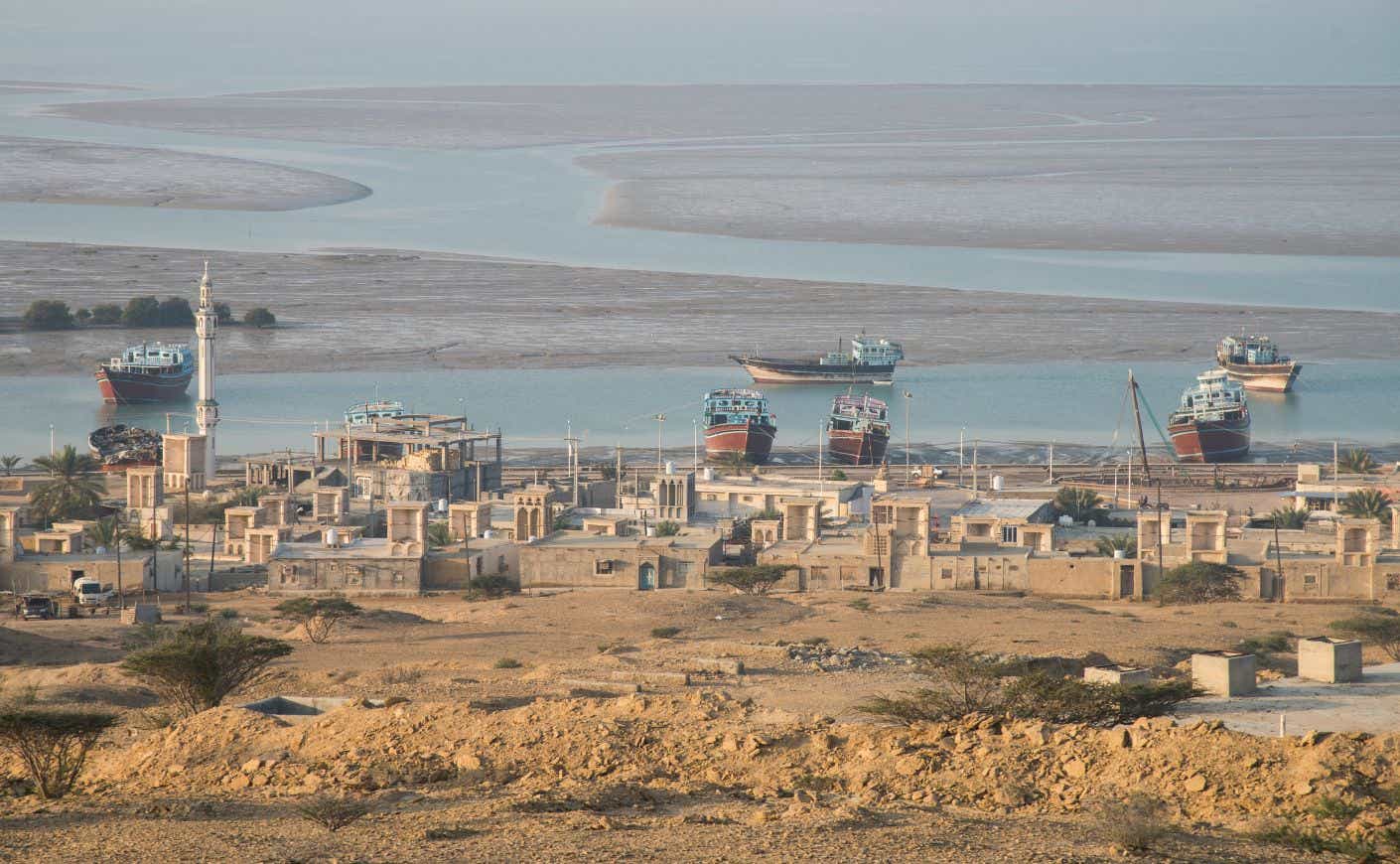
Much of the concern centers on the possibility that the conflict could disrupt shipping through the Strait of Hormuz — the narrow waterway between Iran and Oman that carries roughly 20 percent of the world’s oil supply.
Since the conflict began Saturday, normally heavy tanker traffic through the strait has slowed to a crawl, according to Ziemba.
Iran itself accounts for less than 5 percent of global oil production, but its location next to the strait gives it outsized influence over one of the world’s most critical energy bottlenecks.
And even though the U.S. now produces more oil than any other country, gas prices here are still tied to the global market. That means disruptions — or even the threat of disruptions — anywhere in the world can push prices higher for American drivers.
“The United States is a net energy exporter, so there are no immediate supply shortages likely here,” Ziemba says. “But these are global markets and global prices — so Americans are more likely to feel this through higher prices.”
For now, the biggest question is how long tensions in the region will last. A brief spike in oil prices might only cause temporary bumps at the pump. But if disruptions escalate — especially around the Strait of Hormuz — the effects could spread far beyond gasoline, pushing up airline tickets, shipping costs, and the price of everyday goods.
