


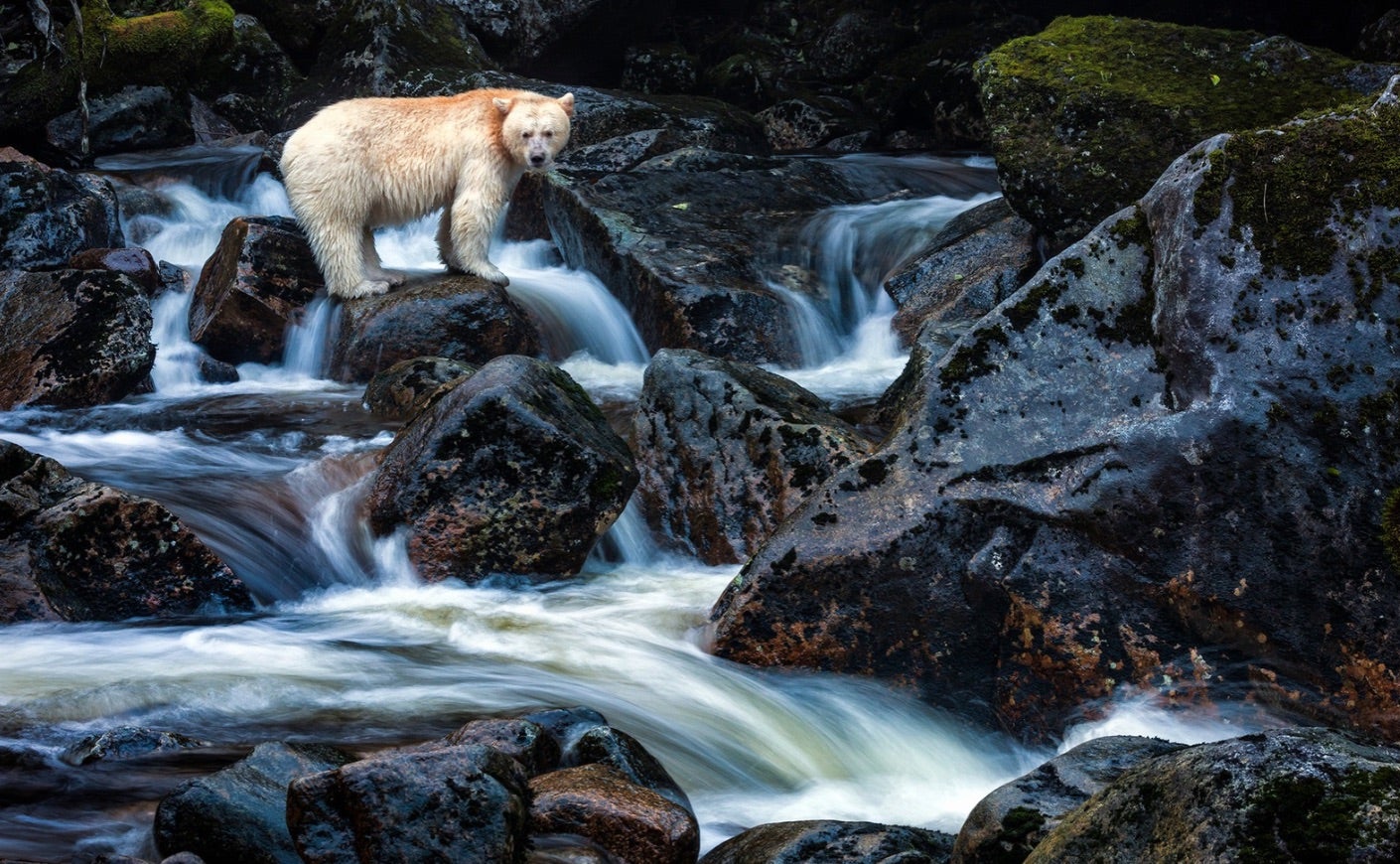
There is a common saying in the conservation world that every win is temporary, and every loss is permanent. It’s pessimistic, but it’s true in many ways. And in all my years as a conservationist, it has never felt truer than over the last couple of years under the Trump administration.
For at least 50 years, the United States has led the world in science and environmental protection. Much of what the U.S. has left today is thanks to people who recognized these places were special long ago and chose to preserve them for future generations. In less than two years, this administration has worked to systematically dismantle what the U.S. spent decades building.
Before the 2024 election, my partner and SeaLegacy co-founder, Cristina Mittermeier, compared the environmental records and platforms of the two candidates. What has unfolded since then is so much worse than we could have imagined.
Here are what I believe to be the 10 most consequential actions this administration has taken against the environment so far. I hope they're a useful resource as you head to the polls for midterms this November.
1. Abandoning the Paris Agreement and pulling back on climate action. As one of Trump's first acts back in office, the administration withdrew the U.S. from the 2015 Paris Agreement, the global pact to reduce climate change. Now, with a Super El Niño underway, it continues to roll back climate action and disaster response, leaving communities and ecosystems less prepared for what’s coming.
2. Weakening the Endangered Species Act. The administration rescinded the definition of “harm” to an endangered species, which includes unintentional harm or killing through habitat destruction. It also convened the “God Squad,” a committee with the power to exempt projects from the Act, to approve oil drilling in the Gulf of Mexico that could condemn the Rice’s whale to extinction.

3. Rolling back protections for clean water. The EPA and the Army Corps of Engineers have proposed changes to the Clean Water Act that could strip federal protections from most of the country’s wetlands and streams, including many waterways that don’t flow year-round. Wetlands filter our water, buffer floods, and store carbon. At the same time, the administration is fast-tracking AI data centers, which can require enormous amounts of water for cooling, potentially adding pressure to already strained water supplies.
4. Opening marine protected areas to commercial fishing. All five of the U.S. marine national monuments are either open, or at risk of being opened, to commercial fishing. They were protected because of their biodiversity, uniqueness, cultural importance, and sensitivity to fishing pressure.
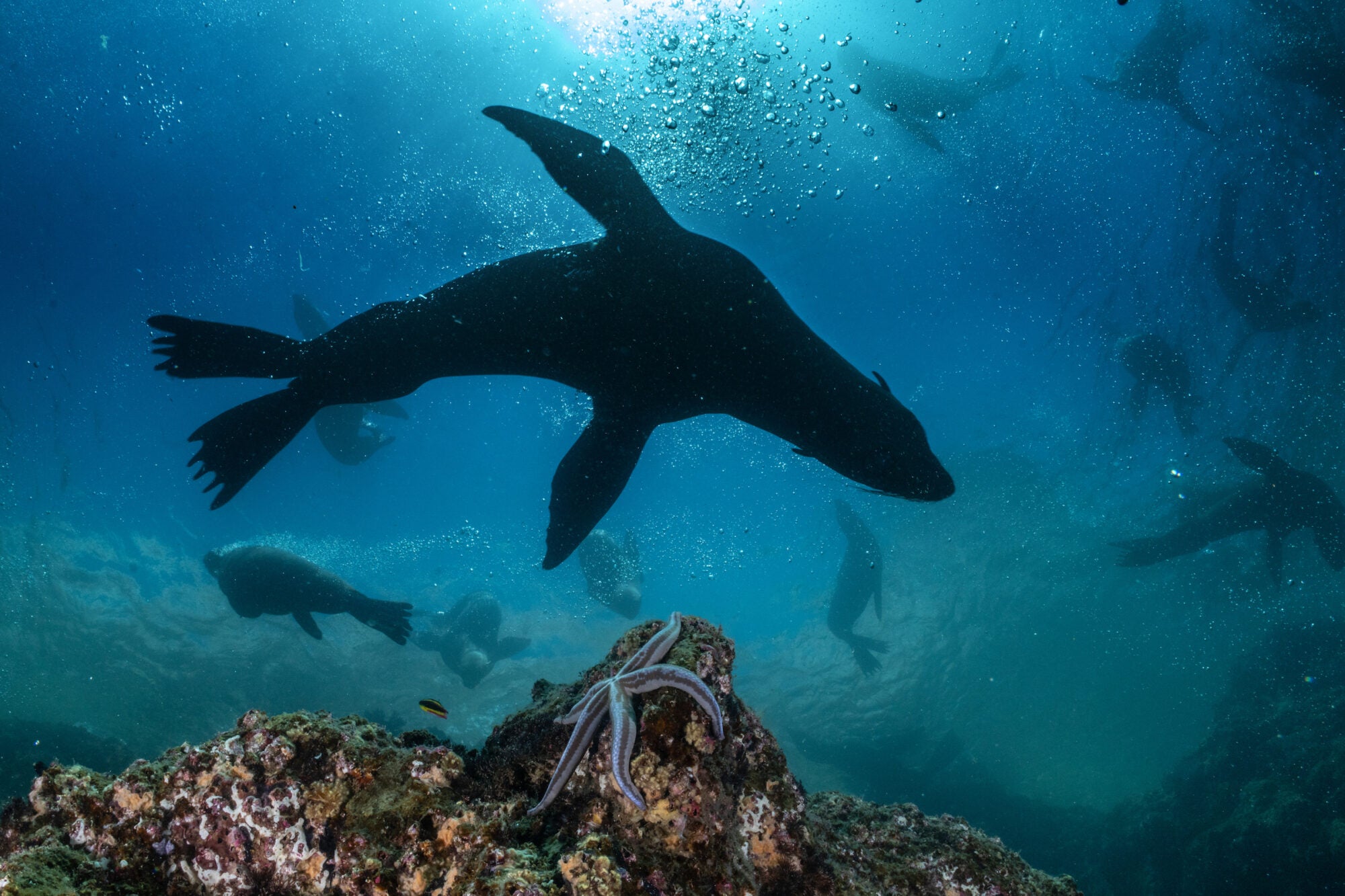
5. Fast-tracking deep-sea mining. This untested industry is being pushed forward at a rapid pace in U.S. waters and on the high seas, a move that has drawn objections from the International Seabed Authority and raised questions about the international legal framework governing mining beyond national jurisdiction. The economics don’t make sense: A recent analysis on the logistics of deep-sea mining found that most realistic scenarios lose money. And scientists warn of serious environmental risks like permanent habitat destruction and sediment plumes that could smother marine life across hundreds of miles.
6. Deregulating the fishing industry. NOAA is considering rollbacks of rules on fishing gear and boating practices that protect marine life such as sea turtles and whales from entanglement and vessel strikes. Regulations like turtle excluder devices and vessel speed limits are proven measures that prevent needless deaths of species already on the brink.
7. Opening protected lands and waters to oil and gas drilling. Under its “drill, baby, drill” agenda, the administration is expanding oil and gas leasing in Alaska and the Gulf, including within the Arctic National Wildlife Refuge, while pursuing plans that could open federal waters off California to new drilling and potentially affect National Marine Sanctuaries. This will put fragile ecosystems at risk of spills and habitat destruction, all to chase more fossil fuels when we should be moving away from them.
8. Encouraging the killing of marine predators. An executive order on saltwater angling calls for “robust commercial and recreational harvests” of sharks under the heading of “managing predators.” Predators are central to healthy food webs, and their presence is a sign of a well-functioning ecosystem.
9. Cutting staff and funding at environmental agencies. NOAA, the U.S. Fish and Wildlife Service, the EPA, and other agencies have lost staff and funding. That means fewer jobs for Americans, less enforcement of the protections we do have, and less science to inform them.
10. Stripping protections from public lands. According to an analysis by the Center for American Progress, the administration has moved to strip protections from more than 86 million acres of public lands in this term alone, putting parks, forests, and waters at risk of permanent alteration.
The National Ocean Protection Coalition (NOPC) has been diligently tracking every action this administration has taken against the ocean, and their expertise helped me compile this list. Learn more about their important work here.
This is why conservationists say every win is temporary and every loss is permanent. Protecting nature is much easier than repairing it. Forests, reefs, wetlands, and whale populations took centuries or even millennia to develop. Once they’re gone, they probably won’t be back within our lifetimes.
The planet is finite, and an economy built on endless extraction can’t go on forever. Many of us are worried about the price of groceries, housing, and energy, but all of those depend on a livable planet. Climate change contributes to rising food costs, as extreme weather damages crops and disrupts food supplies. Storms, floods, and droughts also destroy homes and displace families.
We have to take care of nature instead of extracting every last ounce of it for the profit of a select few. This is about the health of the planet we all need to survive. As you think about your vote this November, I hope this is something you’ll keep in mind.
Paul Nicklen and Cristina Mittermeier co-founded SeaLegacy in 2014. SeaLegacy’s mission is to inspire people to fall in love with the ocean, amplify a network of changemakers around the world, and catalyze hands-on diplomacy through hopeful, world-class visual storytelling. For more updates on their meaningful work, learn more about SeaLegacy, and subscribe to Ripple Effect, Katie Couric Media’s sustainability newsletter.
