






No matter how much division we see in the world, one thing most of us can agree on is that food brings us together. It’s a love language central to nearly every culture. On our expedition vessel, SeaLegacy 1, I’m usually the cook. It’s how I express my appreciation for our crew. I even had the opportunity to cook for Katie Couric and John Molner, when they joined us in Baja California in search of blue whales.
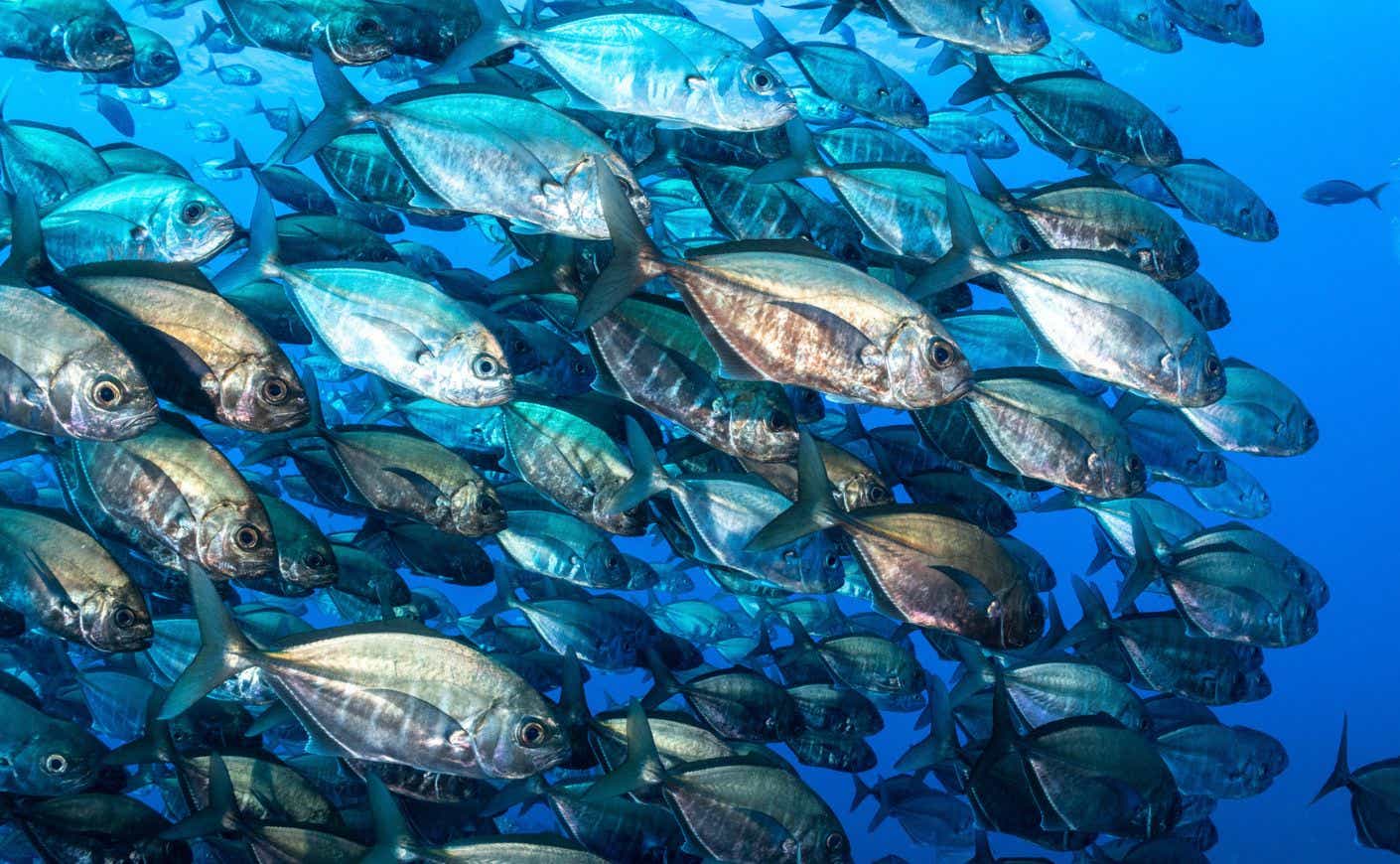
I am often so inspired by the beauty of what I see underwater that I forget to see it as food, but it is. Seafood feeds more than 3 billion people worldwide and supports millions of livelihoods. It provides clean protein and essential nutrients we can’t easily get elsewhere, such as omega-3 fatty acids, with numerous benefits for our brain and body health. Depending on how it’s sourced, it can be one of the most sustainable forms of protein on the planet. It can also be one of the greatest threats to our oceans.
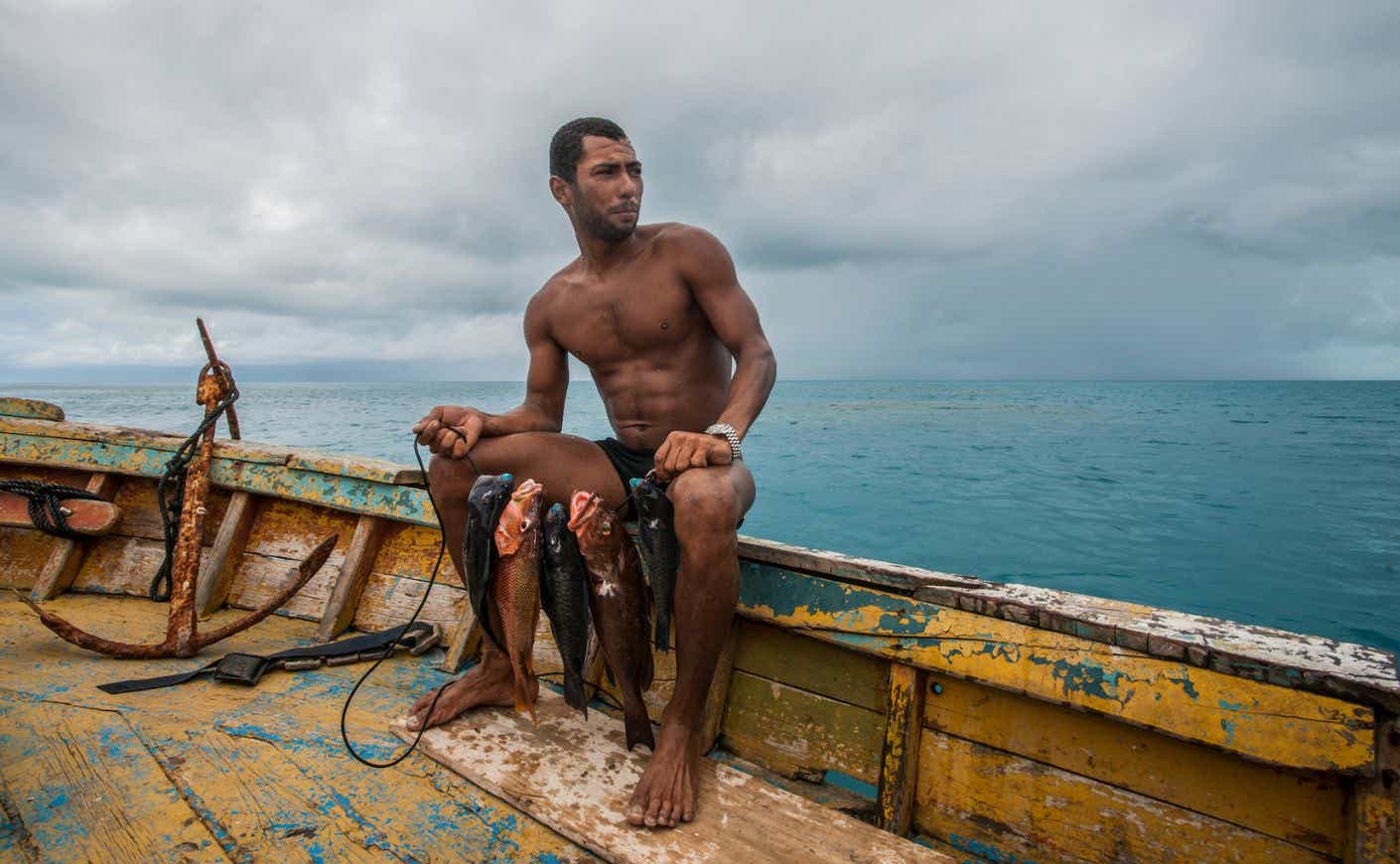
The global seafood industry is complicated, making it hard to understand and even more difficult to make informed, sustainable choices. Whether seafood is a good choice depends not just on the species, but also on whether it is wild or farmed, where it comes from, the time of year, and how it’s caught. That complexity can become overwhelming. In the day-to-day busyness of life, most people simply disengage, either by ignoring the problem or avoiding seafood altogether.
But there is a third option. You can learn how to eat seafood sustainably, and a good place to start is with The Blue Food Cookbook, written by Andrew Zimmern and Barton Seaver in collaboration with Fed by Blue.
Fed by Blue, co-founded by my friend Jennifer Bushman, shares SeaLegacy's ethos. In the face of what can feel like an insurmountable crisis, it focuses on hope and practical solutions. Their series Hope in the Water explores the people working to build a more sustainable seafood system.
I spoke with Andrew and Barton, and like many of us, their connection to seafood began simply because it's delicious. Seafood offers a variety of tastes, textures, colors, and narratives to explore. It also gives us the opportunity to engage in a deeper, more human connection to each other and the natural world.

After decades of working in food, they have also seen the challenges in our food systems up close. Like me, Andrew believes seafood (or what he calls “blue food”) can be part of the solution to many global problems today, from the climate crisis to economic challenges.
Lessons from The Blue Food Cookbook
What I love about this book is how it meets you where you are and shows you how to make better choices in a realistic, flexible, and even fun way. Here are a few key lessons:
Stop chasing the same four fish. We tend to rely on a handful of species, putting enormous pressure on them. If you can stop eating shrimp, salmon, tuna, or cod just once a week, you've already made a meaningful shift. There is a whole world of seafood out there that makes your plate more interesting and supports a more resilient ocean.
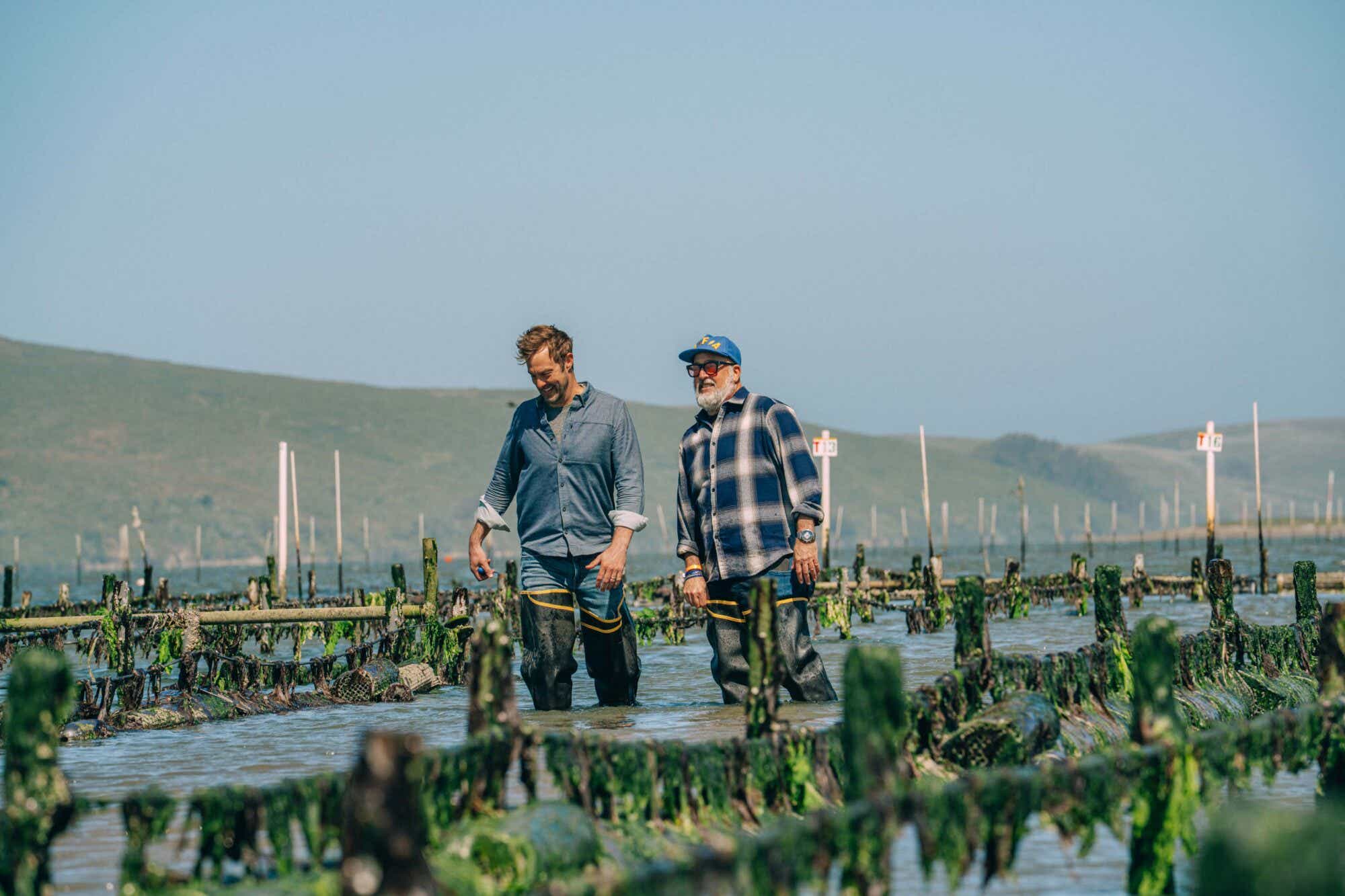
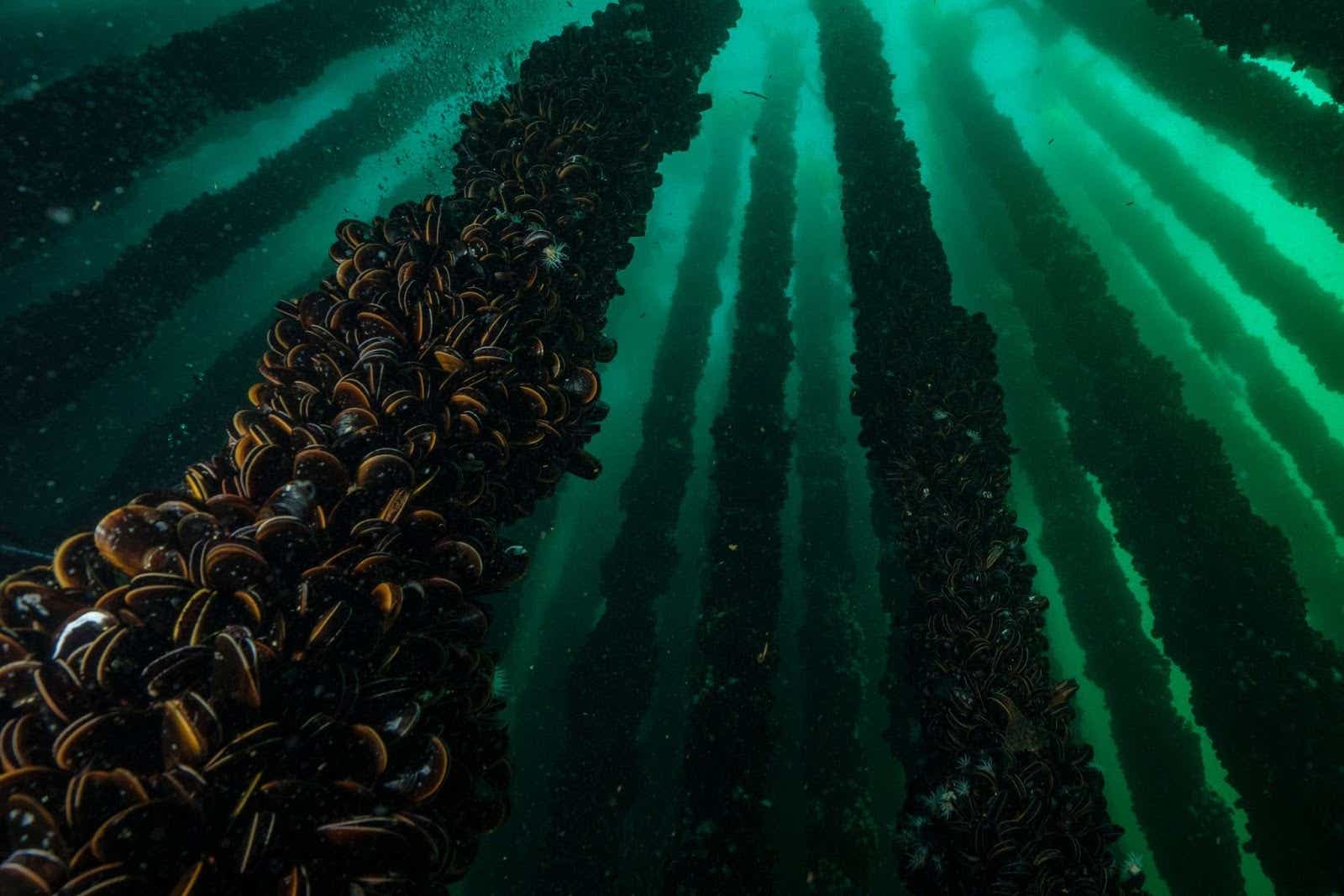
Eat lower on the food chain. Species like mackerel and anchovies reproduce quickly and require fewer resources to grow. They’re rich in nutrients and tend to accumulate fewer toxins. Bivalves like oysters, mussels, clams, and scallops require no feed and, as filter feeders, farmed bivalves can actually have a positive environmental impact. These options are cheaper, often better tasting, and dramatically easier on the planet.
Rethink portions. Most of us eat more protein than we need. Shifting toward smaller portions of seafood, paired with more vegetables and plant-based proteins, is better for our health and reduces pressure on marine ecosystems. The cookbook builds that balance into its recipes, so you don’t have to overthink it.
Buy local when you can. Knowing where your food comes from is always better. Supporting local fishers or small seafood markets can mean fresher options, better transparency, and a stronger connection to the people behind your food. It may take more effort than a quick grocery run, but it can completely change the experience.
Buy frozen. In the U.S., almost a quarter of all seafood is wasted. Buying quality frozen seafood from a reputable grocery store can help reduce waste without sacrificing quality, often at a better cost.
Use certifications as a starting point. Labels like Marine Stewardship Council or Friend of the Sea aren’t perfect, but they help push the industry in a better direction. They’re not a standalone solution, but a simple and helpful fallback.
Remember, you don’t have to tick all the boxes all the time. Think of this as a gentle nudge toward better choices, more often.
Making it practical: recipes in action
After walking you through how to think about sustainable seafood, The Blue Food Cookbook shows you how to apply it. The recipes are organized by seafood type and designed to be flexible, encouraging substitutions based on what’s available and sustainable where you live.
The first recipe I tried was one of Barton’s favorites: linguine with clam sauce (get the recipe right here). It’s bright, light, and lemony, perfect for spring. What drew me to it was how it felt indulgent while featuring one of the most sustainable seafood choices you can make.
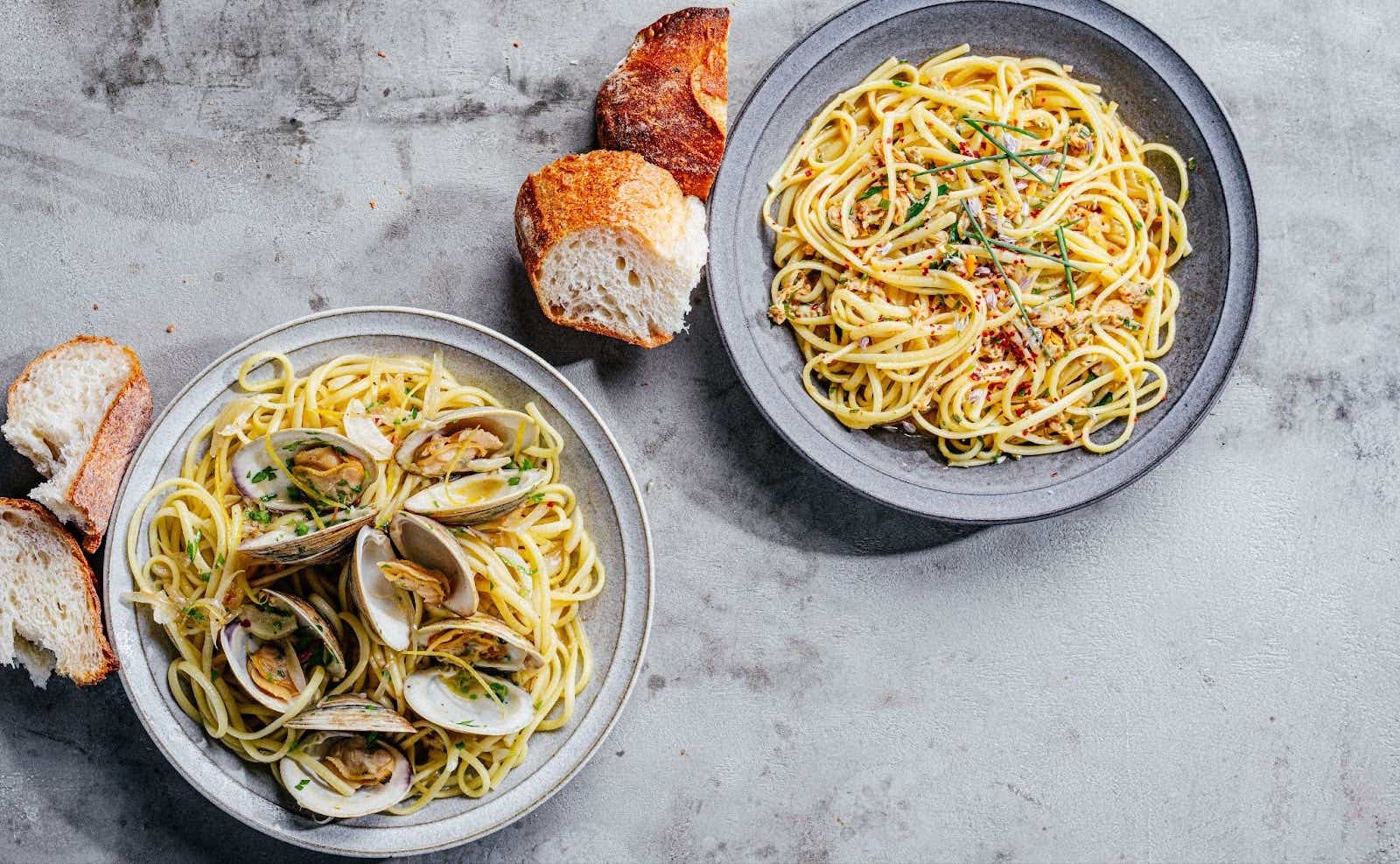
Clams are surprisingly accessible. You can buy them fresh, canned, or frozen. Adventurous cooks can even dig their own. That flexibility makes it possible for anyone to try, no matter where you live or what your budget looks like.
In search of what to try next, I asked Andrew for his favorite recipe. His answer was not the flashiest or with the longest ingredient list. He chose the one that actually changes how you cook. For him, that dish is steamed seabass with ginger and scallions.
He described it as an easy, adaptable weeknight meal that can be made with whatever fish is available, ready in 15 minutes. “When you serve a fish whole,” Andrew says, “you’re not pretending it was anything other than an animal pulled from the water.” You’re reminded of your place in nature. You eat more thoughtfully and waste less. Andrew adds, “You discover textures most people never encounter because they've been trained to fear anything that isn't a neat fillet.”
If I had one main takeaway from The Blue Food Cookbook, it’s that sustainable eating doesn’t have to feel overwhelming or restrictive. It can be creative and delicious while fostering a deeper connection to the world around us.
If you’re ready to explore sustainable seafood in your own kitchen, order your copy here.
Paul Nicklen and Cristina Mittermeier co-founded SeaLegacy in 2014. SeaLegacy’s mission is to inspire people to fall in love with the ocean, amplify a network of changemakers around the world, and catalyze hands-on diplomacy through hopeful, world-class visual storytelling. For more updates on their meaningful work, learn more about SeaLegacy, and subscribe to Ripple Effect, Katie Couric Media’s sustainability newsletter.
