






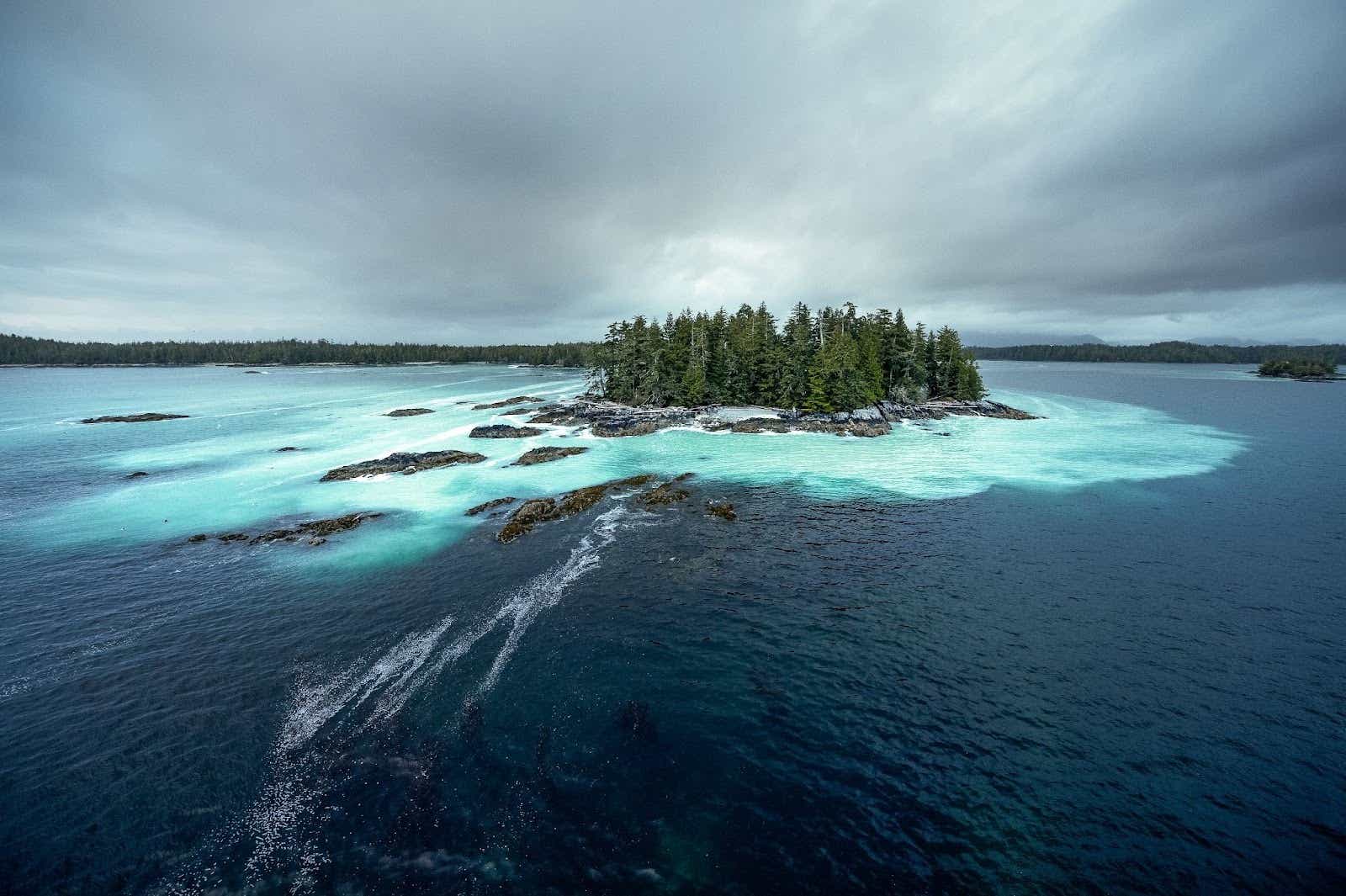
Early spring is a very special time in the Pacific Northwest, especially off the coast of Vancouver Island, Canada. Just a short drive away from my home on the island’s shores, one of the greatest natural history events on Earth comes to life each year: the herring spawn.
From late February to early March, millions of Pacific herring migrate from offshore, rising from the depths into shallow, protected inlets along the coast. During the spawn, the ocean swirls into a mesmerizing opaque turquoise, like pouring cream into your morning coffee. The waters beneath the surface churn with pulsing silver as the schools bubble up to the top.
Few people know the magic of the herring spawn as intimately as our friends at Pacific Wild. Co-founder Ian McAllister describes it as a phenomenon whose sheer scale is hard to overstate.
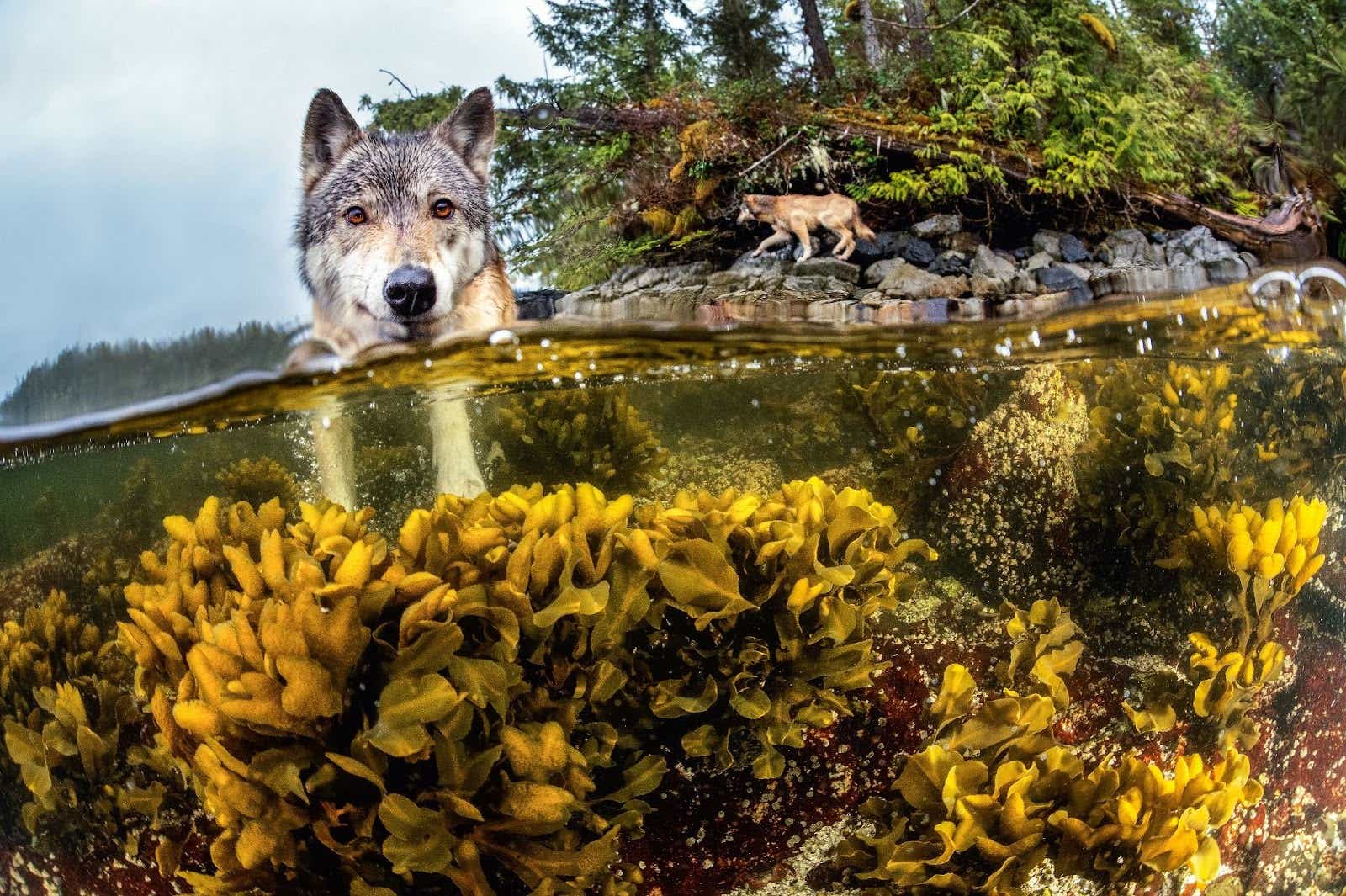
And where there are lots of fish, the rest of nature comes out to claim its share of the buffet.
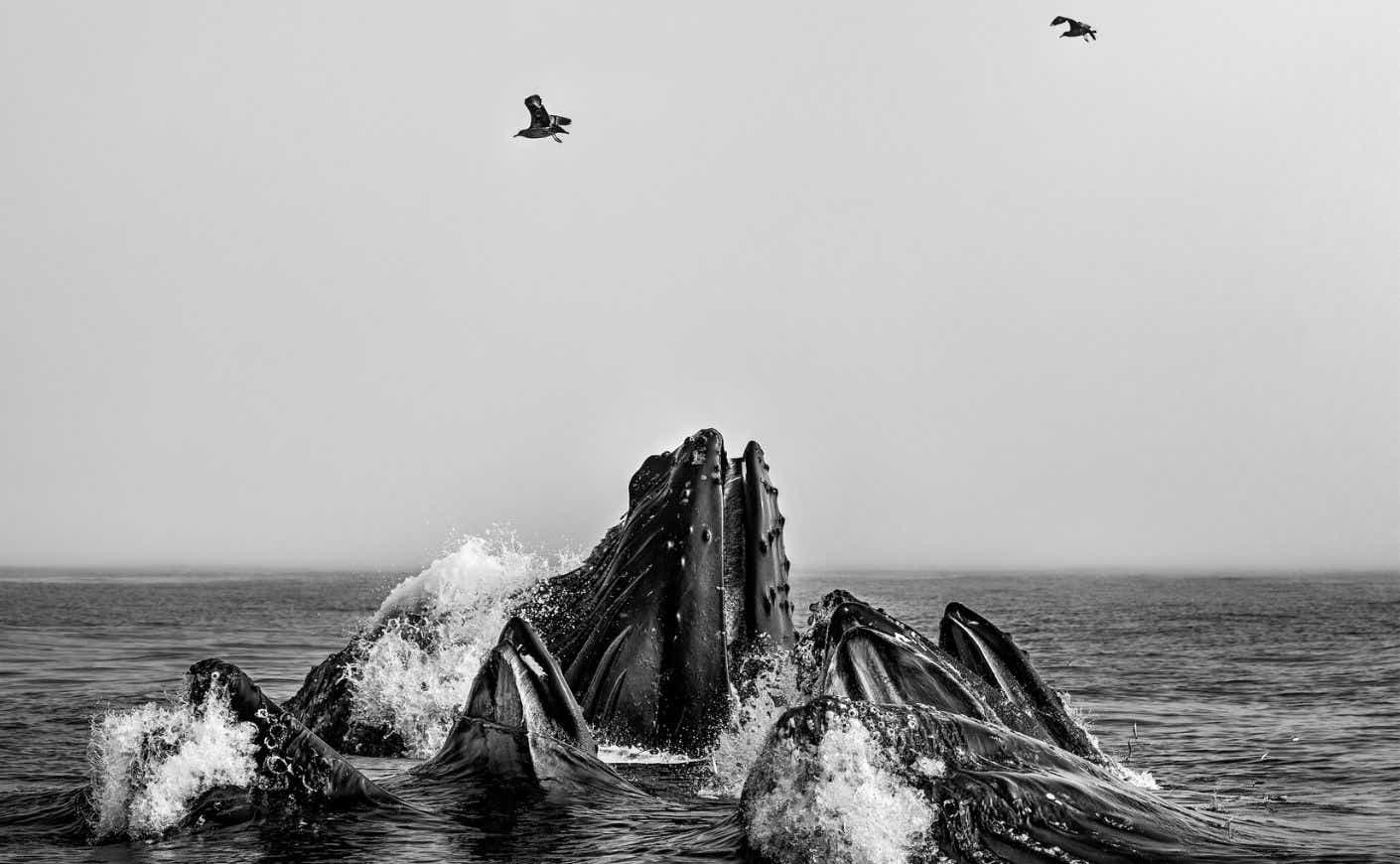
Humpbacks and seabirds refuel after long migrations. Salmon and sea lions weave through the herring in a feeding frenzy, drawing in orcas. Bald eagles crowd the treetops, while bears and wolves pace the shorelines below.
“Everyone along this coast is connected to herring,” Ian says. “It is truly a foundational species that coastal wildlife and communities — Indigenous Peoples in particular — owe a great deal of gratitude for.”

Sydney Dixon, Pacific Wild’s marine specialist, describes it as both beautiful and humbling. “What strikes me most is how much impact one small fish can have,” she says. “Herring are modest in size and often overlooked, yet they quite literally fuel the coast. Standing on a beach during the spawn, you can see it clearly: sea, land, and sky are all connected through this one species.”
The fish behind the frenzy
Herring are small schooling fish, similar to sardines and anchovies. Known as forage fish, they play an essential role in the ecosystem by connecting plankton to the rest of the food chain, including us.
You can buy canned herring at the grocery store, but few people realize how many other products rely on them. Here's a look at some of the surprising places this small fish shows up:
Farmed salmon: Salmon are carnivores. A portion of their feed comes from wild-caught forage fish like herring, ground into pellets.
Pet food: Large volumes of herring are processed into food for our furry friends every year, making up a significant share of global forage fish catches.
Makeup and personal care products: The shimmer in some lipsticks, nail polishes, and eyeshadows comes from a compound called guanine, often made from crushed herring scales.
Health supplements: Omega-3 capsules and collagen powders marketed for cardiovascular, cognitive, and joint health often originate from oily fish like herring.
Roe exported to Japan: The lucrative sac roe fishery targets herring just before they spawn. The roe, which makes up about 12 percent of each fish by weight, is exported primarily to Japan as a seasonal delicacy.
From their widespread presence in everyday products, you might assume herring populations are abundant. Because herring are small, fast-growing, and reproduce in staggering numbers, they’re often labeled a sustainable choice. In theory, forage fish can withstand harvest if enough are left to spawn and feed predators. Unfortunately, over the last 150 years, we haven’t been very good at leaving enough behind.
“That is what makes current management so short-sighted,” Ian explains. “Fish with extraordinarily high ecological value are being reduced to fish meal, farmed salmon pellets, and pet food.”
A better way forward
By far one of the most destructive fisheries is the sac roe fishery, which targets herring just before they spawn. The roe is exported overseas, while the rest of the fish is reduced to fish meal and animal feed. But it doesn't have to be this way.
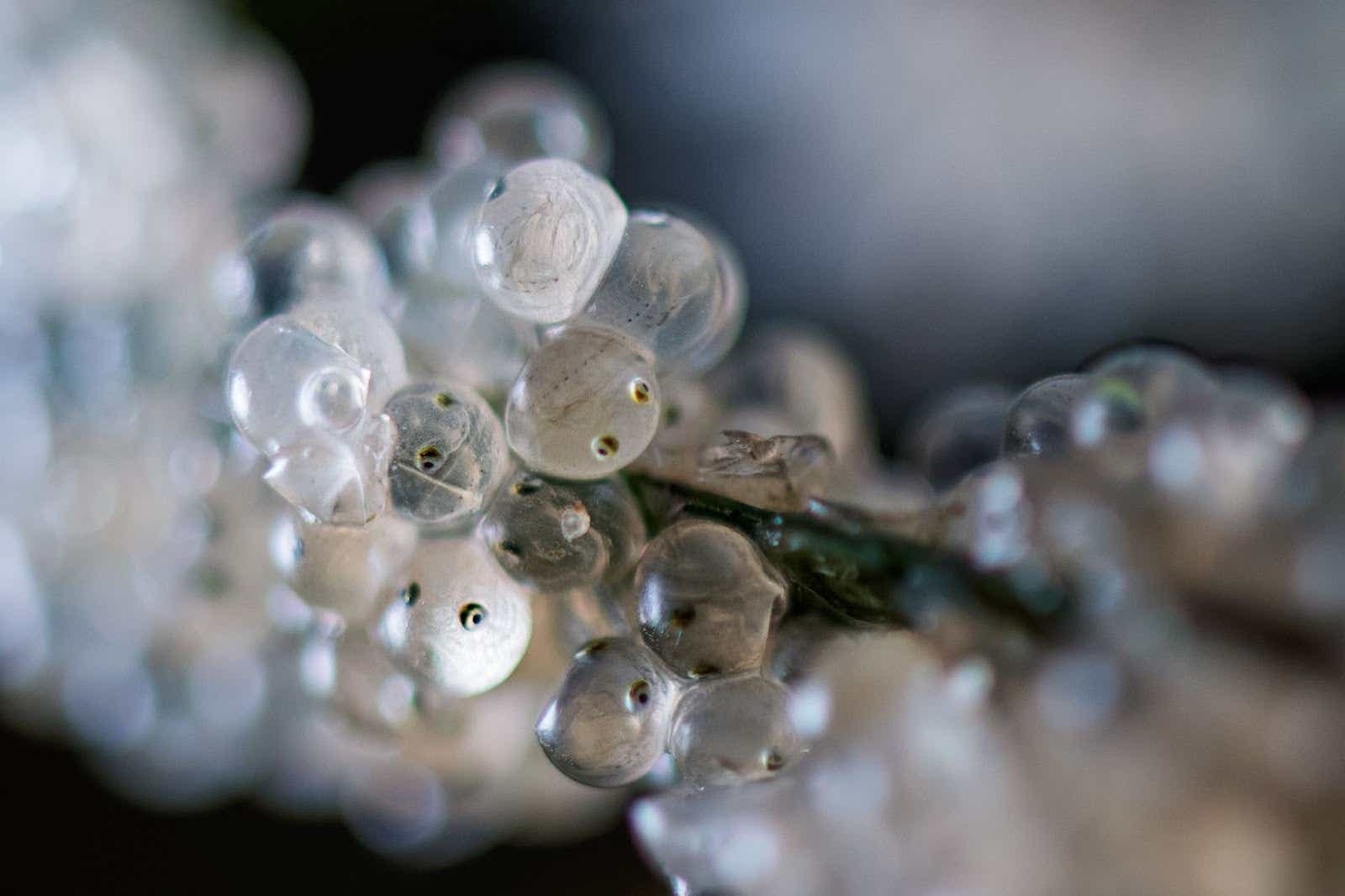
For thousands of years, First Nations have harvested herring roe using a method called spawn-on-kelp. Tree branches or kelp are suspended in the water, offering a surface for herring to lay their eggs. Roe can then be collected while leaving the adult fish alive to spawn again.
Pacific Wild works alongside First Nations, coastal communities, scientists, and policymakers to advocate for a moratorium on the sac roe fishery. The goal isn’t to end all use of herring, but to manage them in a way informed by science and Indigenous knowledge, giving the population space to recover.
“If we can stop the current net fishery and allow herring to return to their former abundance,” Ian says, “the benefits to our coastal economies and coastal wildlife will be enormous.”
What you can do
If you eat farmed salmon, take omega-3 supplements, buy collagen powders, or purchase premium pet food, you are likely more connected to herring than you might realize.
You can:
- Avoid farmed salmon due to their reliance on wild forage fish and other environmental impacts.
- Choose seafood certified for sustainability.
- Support organizations, like Pacific Wild, working to protect forage fish populations.
- Tell your representatives in Congress to support the Forage Fish Conservation Act — you can easily send them a note right here. (And Canadians can email their representatives here.)
- Respect and elevate Indigenous leadership in marine conservation.
Herring may not be as exciting as whales or wolves, but without them, we would not experience the joy of sharing this planet with such incredible species in the first place.
Paul Nicklen and Cristina Mittermeier co-founded SeaLegacy in 2014. SeaLegacy’s mission is to inspire people to fall in love with the ocean, amplify a network of changemakers around the world, and catalyze hands-on diplomacy through hopeful, world-class visual storytelling. For more updates on their meaningful work, learn more about SeaLegacy, and subscribe to Ripple Effect, Katie Couric Media’s sustainability newsletter.
