






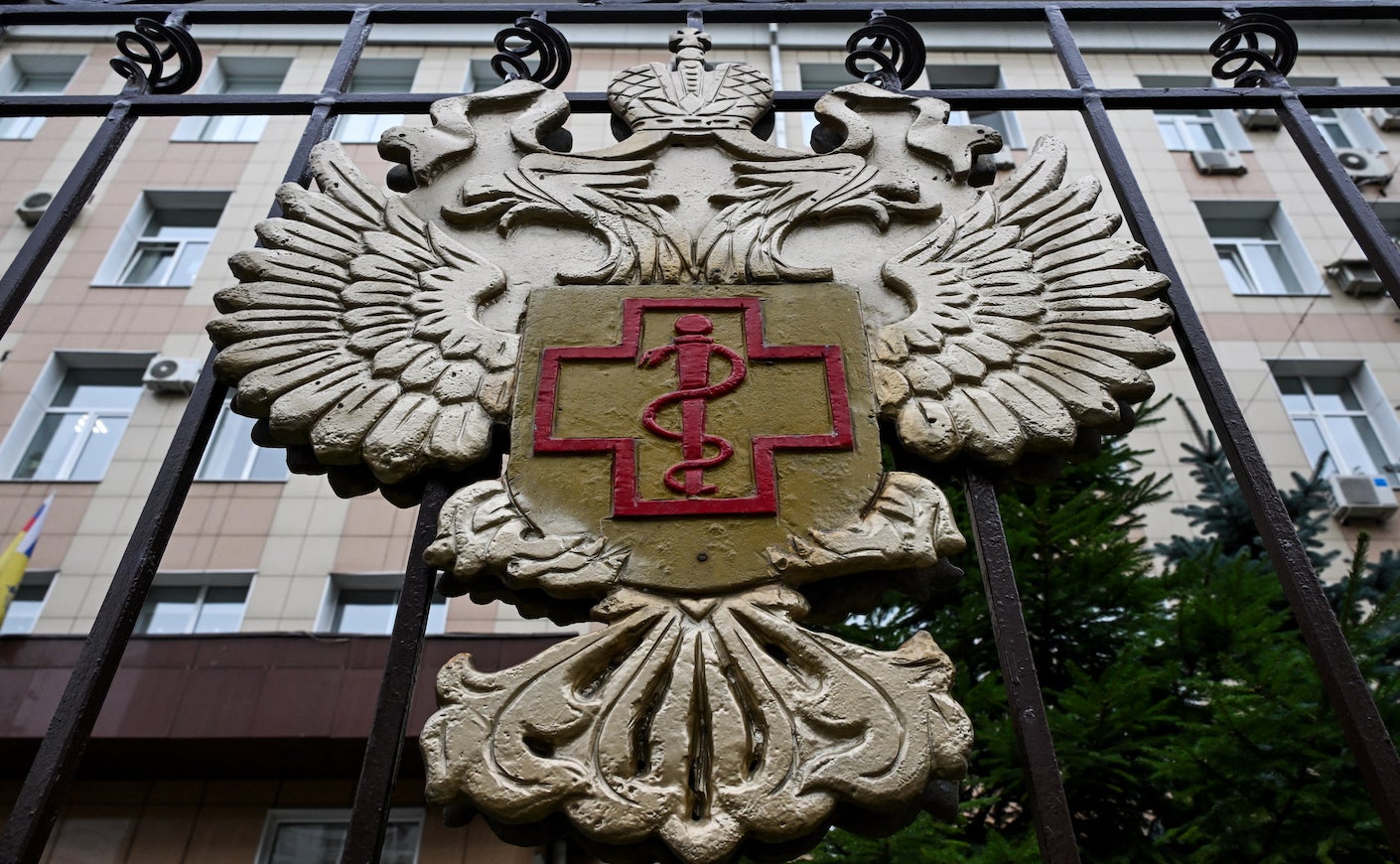
- Darya Shipilova, a 28-year-old worker at the Irkutsk Anti-Plague Institute, fell ill and died; cause remains unclear.
- Conflicting reports suggested plague exposure, lab accident, or travel, but Russian authorities have not confirmed plague.
- Authorities quarantined about 200 contacts and tested many; no plague found, some positives for Covid-19 and rhinoviruses.
- WHO and U.S. officials are monitoring the situation, calling for transparency and saying public risk appears low for now.
A mysterious death at a Russian laboratory that studies some of the world’s most dangerous diseases has sparked alarming headlines across the globe — and raised questions about whether there could be a broader public health threat.
The frenzy began after Darya Shipilova, a 28-year-old employee at an anti-plague research institute in Siberia, suddenly fell ill and died. Russian authorities took precautionary measures in response, but conflicting reports about what caused her illness — and whether it had any connection to her work — have fueled international scrutiny.
So, what exactly happened — and could what killed Shipilova spread to the U.S.?
What happened to Darya Shipilova?
Russian media identified Shipilova as the employee who died on Oct. 2. According to Reuters, there were conflicting reports about how and where she fell ill, but Russia’s health watchdog, Rospotrebnadzor, said she died of an unknown type of pneumonia.
Her death raised alarm because Shipilova worked at the Irkutsk Anti-Plague Research Institute of Siberia and the Far East, which studies plague and other dangerous infectious diseases. Unconfirmed reports began circulating about how she became sick, including one theory that she had dropped a test tube containing live bacteria while at work and another that she became ill after traveling to Thailand. But there’s no evidence to support either claim, and Russian health authorities have denied that an accident involving dangerous pathogens occurred at the institute.
Still, authorities took extensive precautions. About 200 people who may have come into contact with Shipilova were initially quarantined, and parts of the hospital where she died were closed off. Anna Popova, the head of Rospotrebnadzor, also traveled to Siberia for an emergency meeting.

Some of those restrictions have since been lifted. Elena Sofina, a local official, said about 60 percent of those quarantined had been released as of Tuesday. Testing also found no cases of plague among those who came into contact with Shipilova, though some tested positive for Covid-19 and rhinoviruses.
Did the Russian lab worker die of plague?
So far, no one has confirmed that Shipilova died of plague. But conflicting statements from within Russia have fueled questions about what caused her death.
Buryatia’s leader Alexey Tsydenov initially said she died of the plague, but later changed his statement to say she “possibly” died from the disease. It’s unclear what information Tsydenov based that statement on, and Russian authorities have not publicly confirmed a plague diagnosis.
There are still some unanswered questions, though. According to Reuters, it remains unclear whether Shipilova herself was tested for plague or whether the disease has been definitively ruled out as the cause of her death.
The World Health Organization has also sought information from Russia about the case. Russian authorities initially said they were investigating whether pneumonic plague caused Shipilova’s death, but have since told the WHO that no cases of plague have been detected in Irkutsk and that tests of her contacts found no dangerous infectious pathogens.
For now, there’s no sign of a wider outbreak. The WHO says the risk to the general population “appears to be low” and has assessed it as low across Russia and very low for the broader European region. The Centers for Disease Control and Prevention also said there’s “no indication of a broader threat to the United States.”
How dangerous is pneumonic plague?
Even if Shipilova did contract pneumonic plague, that doesn’t necessarily mean a wider outbreak is likely.
Plague comes in three main forms: bubonic, septicemic, and pneumonic. Pneumonic plague is particularly serious because it affects the lungs and can spread from person to person through respiratory droplets. Symptoms can include fever, chest pain, shortness of breath, and a cough that may produce bloody or watery mucus. But the CDC emphasizes that the disease "is treatable with antibiotics, particularly when recognized and treated early."
Cases still occur periodically around the world, including occasionally in the U.S. In 2025, an Arizona man died after contracting pneumonic plague from one of his sick cats. Health officials identified 46 people who may have been exposed to him, but none became ill.
How are U.S. officials responding?
Secretary of State Marco Rubio has called on Russia to be more transparent. On Tuesday, he told reporters that it’s “incumbent upon Russia” to share more information with the rest of the world, adding that the U.S. is watching the situation “very closely.”
Rubio said reports of an illness affecting someone who works in a lab naturally raise concerns, particularly in light of the Covid-19 pandemic. But he stressed that there’s “no reason to be alarmed at this point.”
The biggest issue for U.S. officials appears to be the lack of clarity surrounding Shipilova’s death. Though Russian authorities have said the situation is under control, Rubio said the U.S. has "measures" available to help if it turns out to be more serious than Russia has acknowledged. Still, he said Washington needs more information before determining what action, if any, is necessary.
The concern extends beyond the State Department. The CDC says it’s monitoring the situation and working with other U.S. government agencies to track developments. President Trump has also offered help, calling the situation a "big problem for Russia."
