




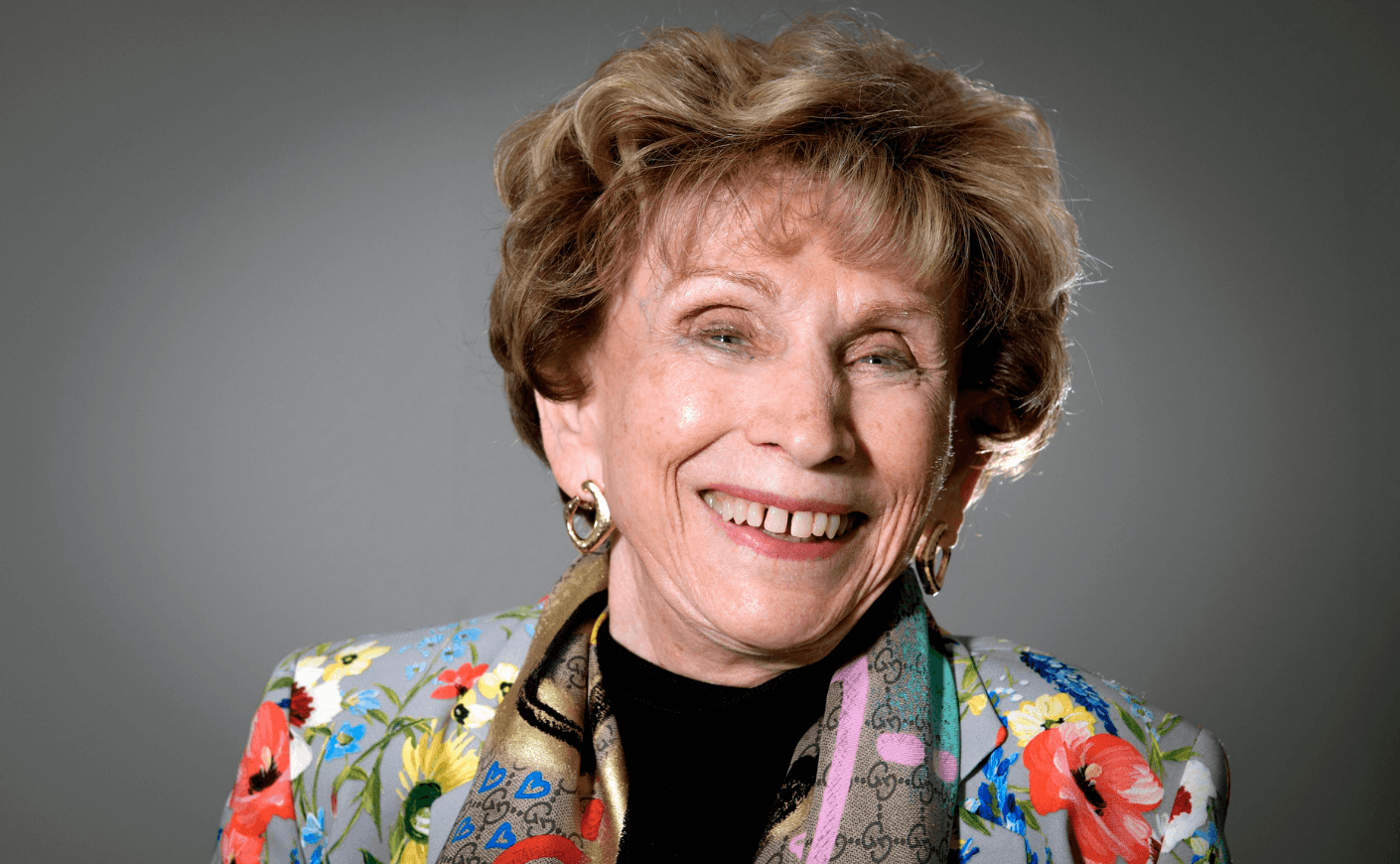
My sweet angel Edith Eger is at peace. The world-renowned trauma therapist and Holocaust survivor passed away at age 98 recently, after enduring hardship, healing, and, ultimately, a fierce and generous love for her fellow man.
And considering the impact she made on me, I can’t imagine spending the rest of that life without her. She was pure joy and energy, and the advice and wisdom that came from her lips was profound — and profoundly impacted me. She was a healer and an inspiration for living a more meaningful life. But to understand what she gave the world, you first have to understand what was taken from her.
Edith Eva Elefánt was born in 1927 in what was then Czechoslovakia, the youngest of three sisters. She was a ballet dancer and gifted gymnast who performed for the President of Hungary and trained for the Olympics. Then, in 1942, new anti-Jewish laws had her removed from the gymnastics team. Two years later, at 16, she and her family were packed into a cattle car to Auschwitz.
Edith, who I and many others called Edie, was held at two different WWII-era concentration camps, where she witnessed unspeakable atrocities. Edie, who at 16 years old watched her parents stand in a line at Auschwitz to be killed, as soon as they arrived. Edie, who every morning at that horrific location did not know if water or gas was going to come out of the shower spigots. Edie, who was found on Liberation Day beneath a pile of dead bodies, because a young American soldier saw her fingers move. (He pulled her out and gave her M&Ms.) Edie, who took the shocking pain she experienced and witnessed, and transformed it into purpose. She eventually got her PhD. and was a practicing trauma therapist — and sex therapist who could be bawdy and very candid, making me blush in the process — all the way into her 90s.
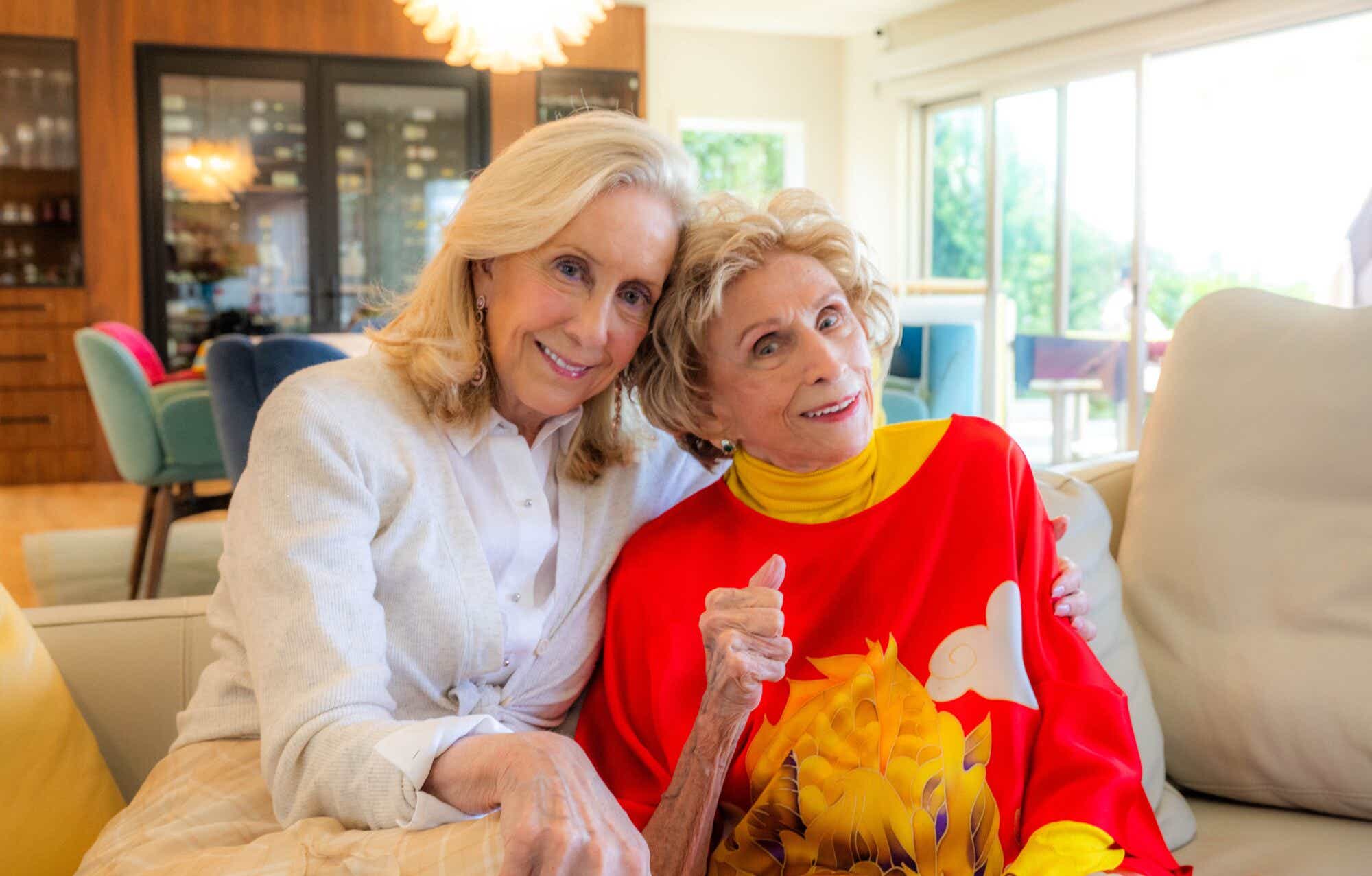
I first met Edie about 13 years ago, when I was going through a tough time and knew I needed professional help. A friend recommended a great therapist, saying, "She's amazing — she's in her late 80s, and she's a Holocaust survivor.”
That wasn't exactly what I'd had in mind when picturing my therapist, but I went to her beautiful home for my first session. It was on a high hill overlooking the ocean; flowers were blooming and butterflies flitted around. Edie came out to greet me, and I was instantly struck by her presence: She was so magnificent, so serene.
I had come to her grappling with my own mortality, after someone close to me had been diagnosed with terminal cancer. But knowing her past, I immediately apologized, saying, “My issue isn't important — you've been through so much. This is nothing compared to what you endured.” She replied, “What you endured was much worse.” I asked how she could say that, and Edie explained, “Because, my dear, I knew who my enemy was, and you didn’t.” With that, I fell into her arms.
I was one among countless whose lives Edie touched: I can't tell you how many people have told me that her first book, The Choice, saved them. The book landed on the New York Times bestseller list when she was 90, and focuses on forgiveness. It has since been printed in 44 languages, meaning it has changed lives all over the world.
Her stories from the Holocaust were painful, brutal, inhumane. She once told me that she knew who would make it out of the concentration camps, based on whether they had a sense of purpose.
But I would sometimes forget about Edie's horrifying past, until we sat down for a meal. She wouldn't throw away a morsel of food; even a half-slice of tomato would be wrapped up and put in the fridge. That was no wonder: She once told me she'd gone two weeks without eating during WWII. In fact, she had risked her life to steal a carrot for her older sister, who was starving. (She didn't starve: Her sister lived to be 100.)
That little girl grew up to have 3 children, 5 grandchildren, and 10 great-grandchildren. Edie always said that legacy was the best revenge against Hitler.
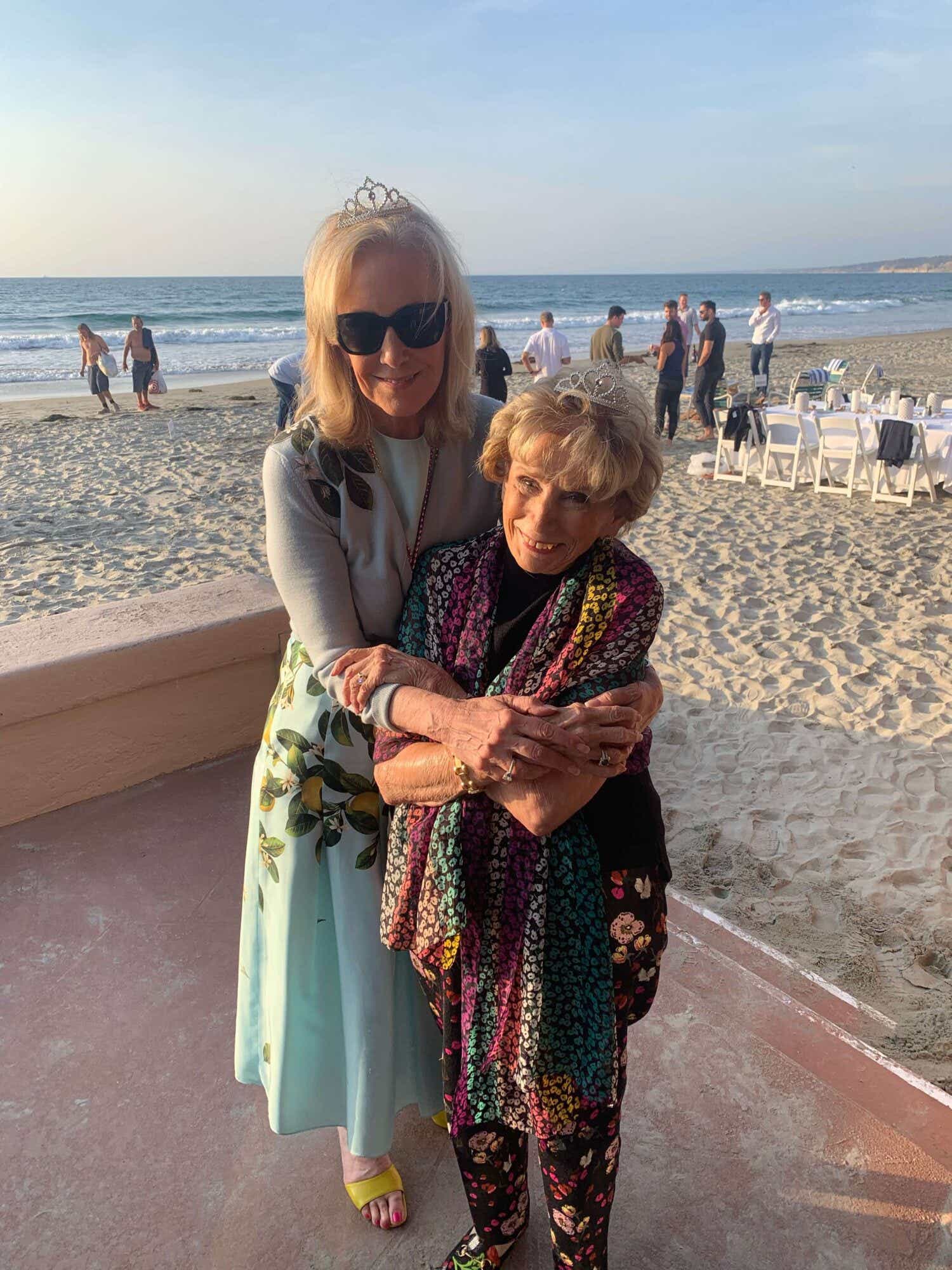
For the service held for her last week, we asked everyone to dress in bright colors and wear a scarf: no black! After all, Edie liked to dress to the nines, in vivid colors with a ton of colorful scarves, her hair and makeup done just so. As a tribute to her dancer past, we hung up toe shoes. She was a beloved public speaker, and for years, she would end each speech with a high kick — so we all did a high kick in her honor. For her last few days on Earth, she was moving her arms like a ballerina. She was dancing somewhere.
All of the people in that room had been inspired by her. In fact, I never stopped learning from Edie, who once said, “We cannot change what happened in the past, but we can learn to cherish the wound.” She had countless other words of wisdom to share, which those who loved her call “Edieisms.” Here are just a few of my other favorites:
Escape the concentration camp of your own mind… find freedom from the past.
Treat people the way you want them to be, not the way they are today.
Often we are not grieving over what's happening, we are grieving over what is not happening.
Edie was just one woman, but the lessons she taught — forgiveness, empathy, and self-reflection — will continue to reverberate throughout the world. Thank you, Edie, for sharing your love and your soul with us. I am so blessed to have become close to you, and while you may have left us, I will never let you go.
Love, Wendy
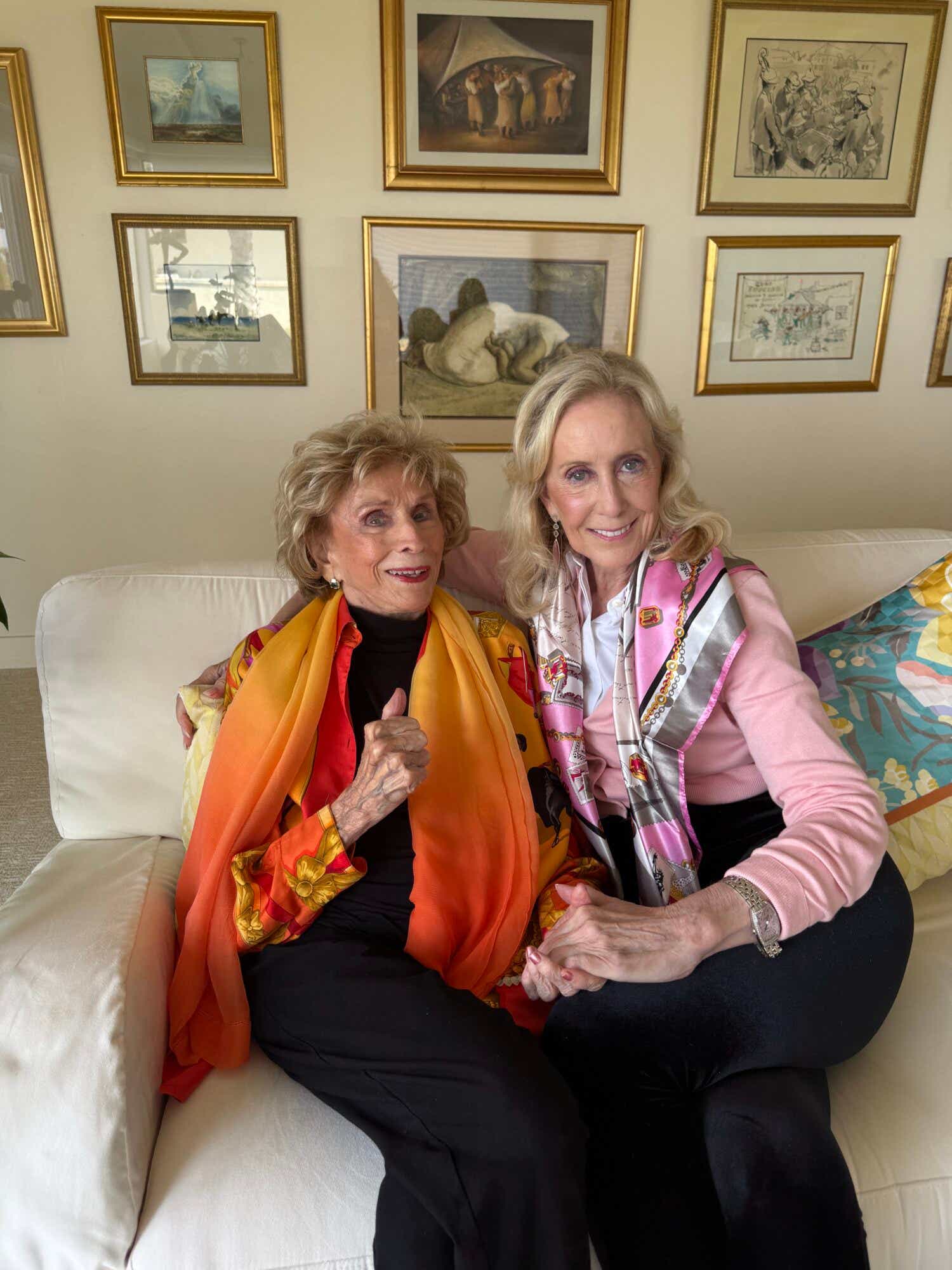
Wendy Walker is a longtime TV producer, author of the memoir Producer: Lessons Shared from 30 Years in Television, and Katie's BFF.