






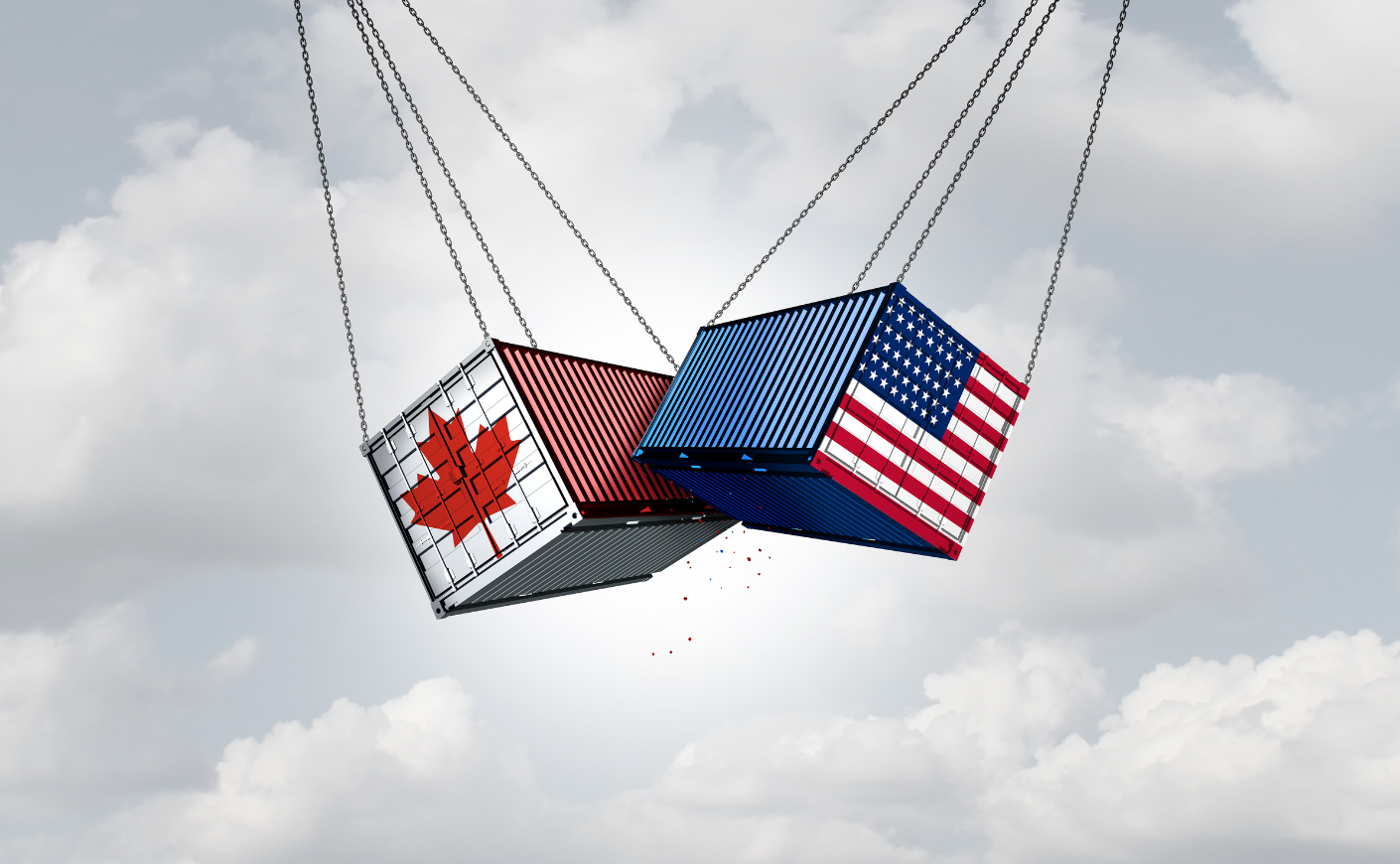
Negotiations between the U.S. and Canada collapsed last week, escalating a trade war between the two nations that could impact everyday consumers on both sides of the border.
Over the past week, officials from the two countries met to hammer out a trade agreement, but the deal reportedly fell apart at the eleventh hour late last Friday, leading the U.S. to impose 50 percent tariffs on roughly $20 billion of Canadian imports, and for Canada’s Prime Minister Mark Carney to threaten “dollar for dollar” retaliatory measures.
Here's a closer look at how the talks broke down, which Canadian goods will be affected, and how Canada's planning to push back.
Trade talks between U.S. and Canada fall apart
On Friday, the North American neighbors appeared close to reaching a trade agreement, which would have headed off the 50 percent tariffs President Trump had threatened to levy in July. But Carney suspended the talks after he said the U.S. proposed “last-minute changes” that were “unfair, uneconomic, and called into question the reliability of any deal.”
Carney did not go into detail about why the talks failed, but said the terms would have limited the country's ability to enter other trade deals and would have infringed on Canadian sovereignty, the Wall Street Journal reports.
At a press conference on Saturday, Carney likened the trade dispute with being “at war.” “You’re at war when you’re attacked, and we got attacked,” he said. “We cannot accept what they’ve offered and we will not give what they’ve asked.”

U.S. Trade Representative Jamieson Greer blamed Canada for the breakdown, writing on X: “Despite the U.S. offer to Canada to receive the best treatment of any major exporter to our market, new demands and walk backs of other commitments by Canada have upended the careful balance reached in the past days.” Greer also said that the U.S. offered to reduce its tariffs on steel, aluminum, autos, and lumber.
Trump also weighed in on Truth Social, posting: “Canada wants the benefits of being a State, without being one!!! They have also charged our great farmers, for many years, massive amounts of Tariffs. No more!!!”
Which Canadian products are affected?
The new tariffs affect more than 500 products (listed here, here, and here), representing about 5 percent of Canadian imports, per the New York Times. Some of those products were previously protected under the U.S.-Mexico-Canada trade pact established under Trump’s first term. (In July, the White House declined to renew the agreement for another 16 years, meaning it'll be reviewed annually.)
The 50 percent levy targets certain Canadian sectors, including the country’s forest industry. Several wood products are impacted, including 36 types of plywood, which homebuilders have warned could have the knock-on effect of raising construction costs. Many alcoholic beverages, dairy products, and several different kinds of clothing and textiles — from anoraks and overcoats to gloves and mittens — also made the list.
Other goods that will become more expensive to American shoppers include things like toys, wrenches and chainsaw blades, ice skates, dog leashes and harnesses, and honey. The list also includes a puzzling amount of oddly specific items like "articles for Christmas festivities," the "raw hides and skin of reptiles," and "wigs (partial), false beards, eyebrows and the like of synthetic textile materials."
The trade war drew criticism from lawmakers on both sides of the aisle, with Democratic Sen. Chuck Schumer calling it "nonsense" in a post on X. "Trump just slapped another bill on hardworking American families — who are already crushed by his skyrocketing costs," he wrote, adding, "this must end now." Republican Sen. Susan Collins urged both sides to come back to the negotiating table on X. "The Administration must consider the negative impact tariffs would have on Maine businesses, communities, and families and work to reach a fair agreement with our Canadian neighbors,” she posted.
Will Canada retaliate?
On Tuesday, Canada announced it would impose retaliatory tariffs on about 700 American products beginning Sept. 8. The American imports are worth about $20 billion, which is roughly the same value as the Canadian imports facing levies.
The new tariffs will vary from 50, 25, and 15 percent, and will raise the tariffs already in place on American steel and aluminum to 50 percent, the Times reports. The new tax will apply to many of the same products affected by the U.S. tariffs, including clothing and forestry goods, along with some that didn't make the U.S. list, like household appliances and several types of frozen and fresh fish. Canada's trade minister said some of the items were picked to target states that had supported Trump, per the NYT.
Carney has acknowledged that retaliation would likely "raise costs and reduce choice for Canadians," but opinion polls show widespread support for fighting back.
"When the United States of America asked too much and offered too little, we made a choice. We chose Canada," Canadian Finance Minister François-Philippe Champagne said at a news conference Tuesday.
