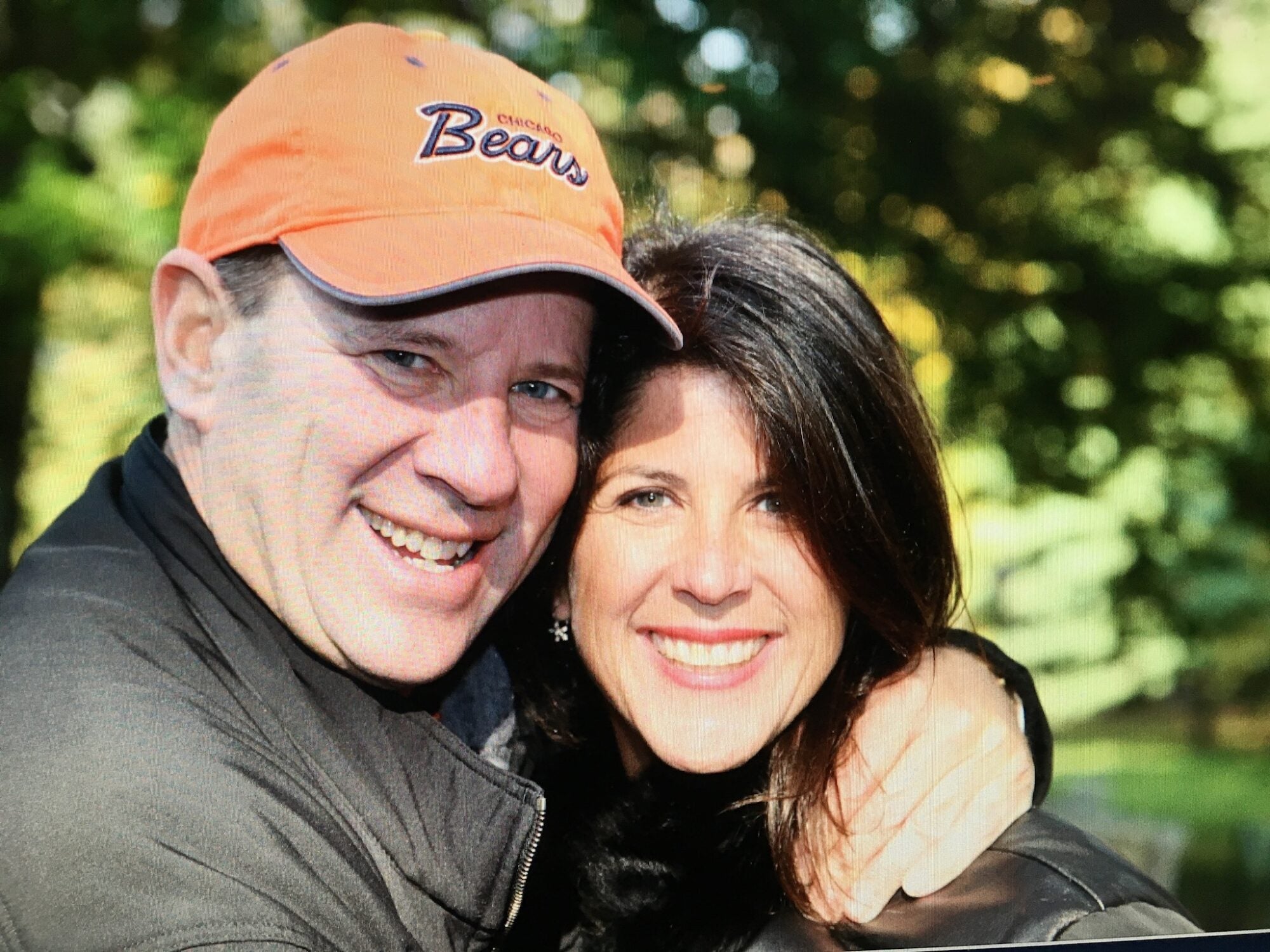
When I was 42, the unthinkable happened: my husband of 15 years was diagnosed with brain cancer. After two and a half years of fighting with everything we had, Rick died, leaving me alone with our two children, who had just turned 11 and 14.
I remember the moment it started so clearly. I was standing at the corner in the rain, waiting for my husband to pick me up. When he didn’t show, I called him. He sounded confused by my instructions, and I knew right away that something was wrong. This was completely unlike him. Rick was brilliant, extremely smart, organized, and always had it all together. His behavior was so strange that I could feel, in my gut, that something had shifted.
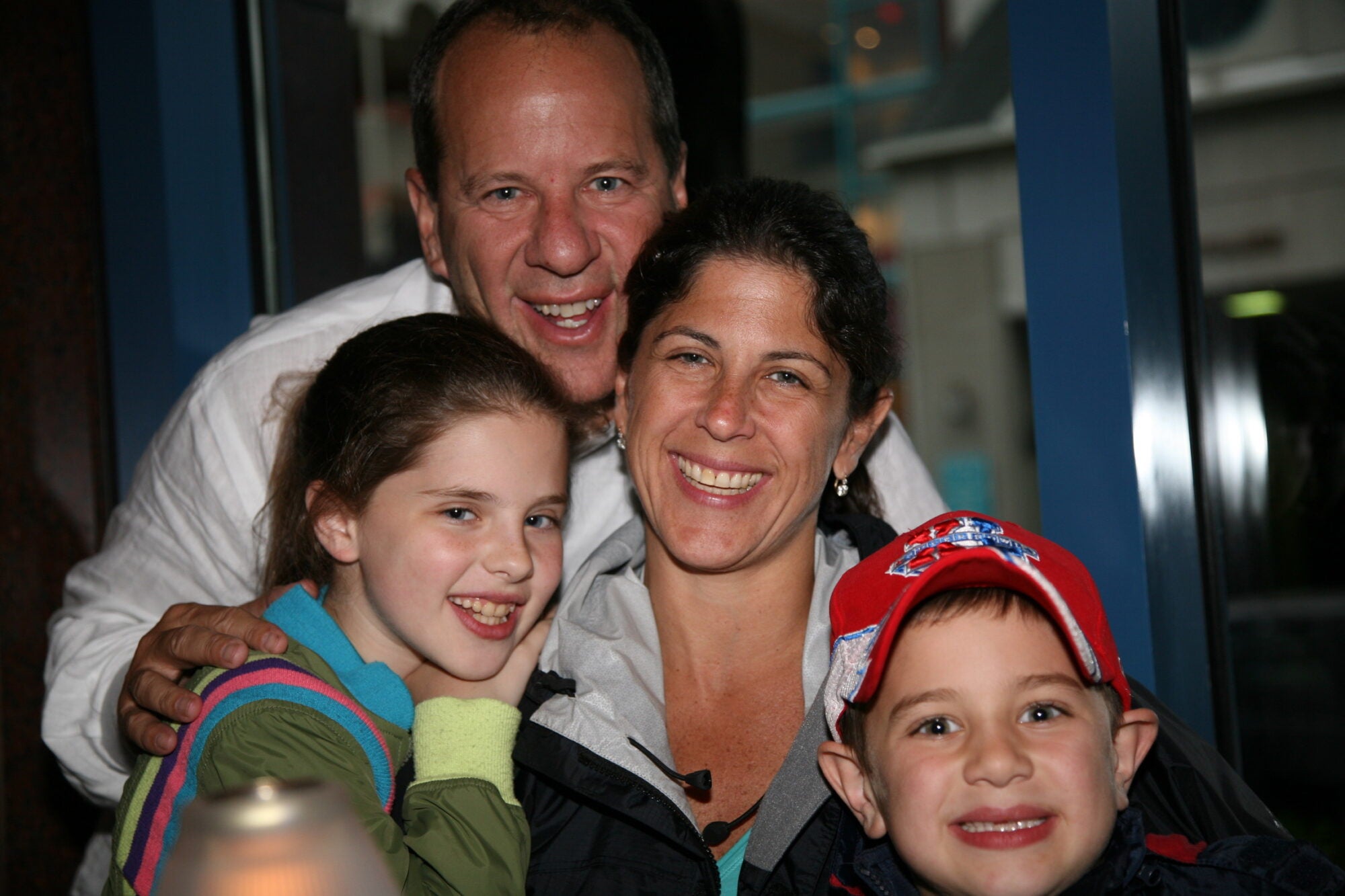
We went right away to the doctor’s office, where a CT scan showed a multifocal tumor in his brain. We were shocked. Our next big challenge was figuring out how to tell our children. We didn’t fully understand what was happening ourselves, so we had no idea how to explain it to our then 8- and 11-year-old kids. We were the kind of family that did everything together, and this turned our world completely upside down.
I’m originally from Dallas; Rick was from Chicago. Together, we built a life in New York City, where we were raising our children. Our friends there had become our family, and right after Rick died, everyone rallied around us. They tried hard to help, and in so many ways, they did. But no one really understood what I was going through as a grieving mother raising two young children. And most people seemed not to know how to talk to me anymore. I remember feeling lonely even in a crowded room.
People are often deeply uncomfortable talking about grief, or even about the person who died. They worry that saying a loved one’s name will make someone sad, so they avoid the subject entirely. But I wanted people to talk about Rick. I wanted someone to say, “Hey, I just saw the Chicago Bears play last night and thought of Rick.” He was a huge sports fan, and I still host an annual Super Bowl party with his old friends. Gatherings like that help me keep his memory alive.
Over time, things changed. While my life had been completely upended, my friends’ routines stayed the same. I also noticed my place in the social circle had shifted: I wasn’t invited to couples’ nights anymore, and honestly, I didn’t want to be the third wheel. I realized I needed a new community, one made up of people who understood what I was going through.
I searched across New York, reaching out to clergy and different organizations. Eventually, through friends of friends, I found a network of fellow widows and widowers who became my lifeline. Many had children around the same ages as mine, so my kids met others who had lost a parent too. I had lost my father when I was 24, so I knew how traumatic it is to lose a parent at a young age. And I also knew that these gatherings offered something therapy couldn’t: community. They taught me how important it is to be around people who truly understand what you’re living through.
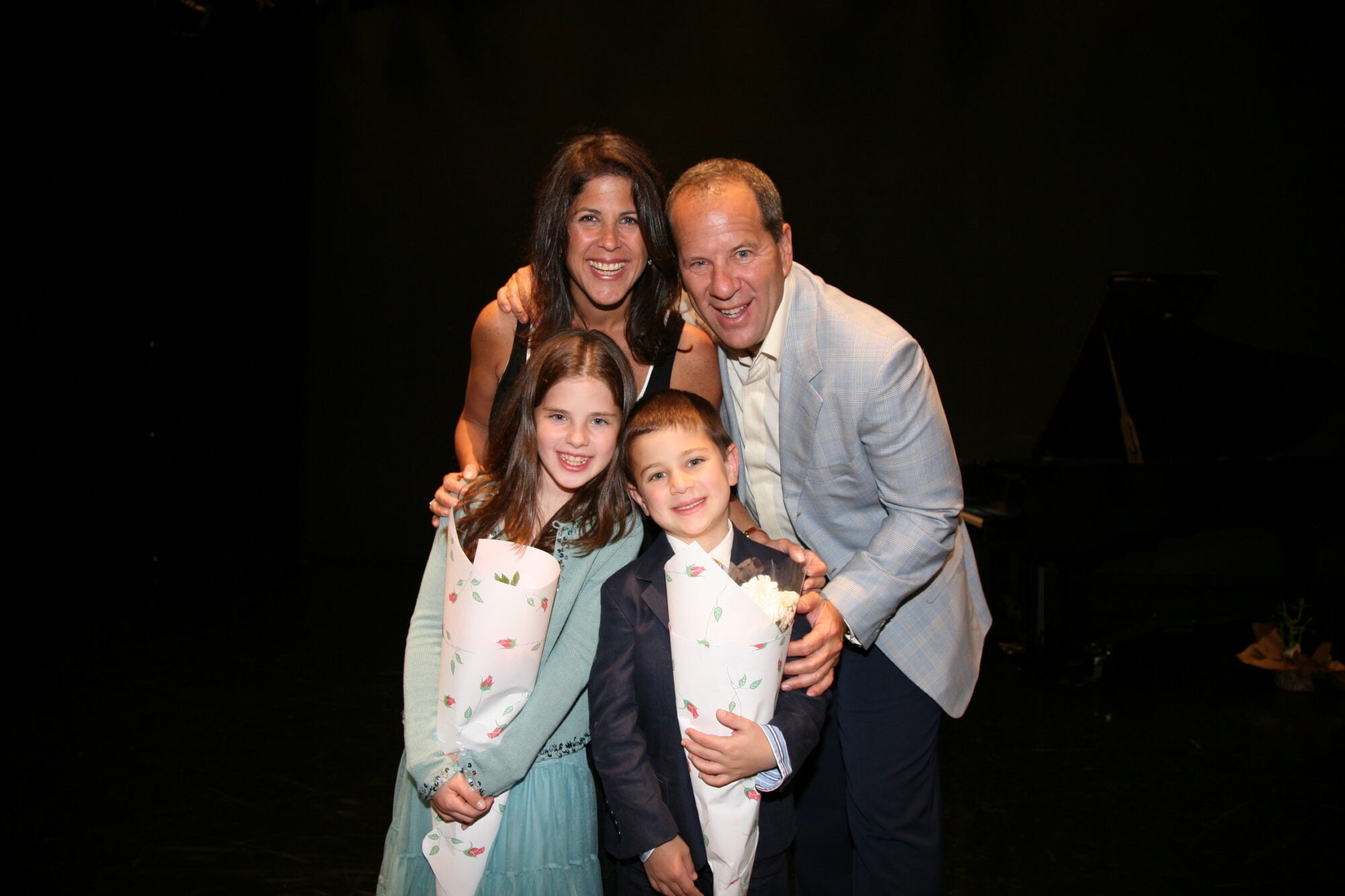
I was lucky. I had managed to build my own network of friends in grief, but I wanted to make it easier for others to find the same kind of community that had meant so much to me. No one who is grieving should be ignored or feel alone simply because others don’t know what to say. We need to destigmatize grief and make it part of a normal conversation.
That’s where Our House NYC comes in.
Through a friend, I was introduced to a grief support model that had existed in Los Angeles for decades. But a center like this was missing in New York, and I wanted others to have access to that same encouragement and fellowship. I reached out to my network of widows and widowers, and they gave me the courage to bring Our House to New York.
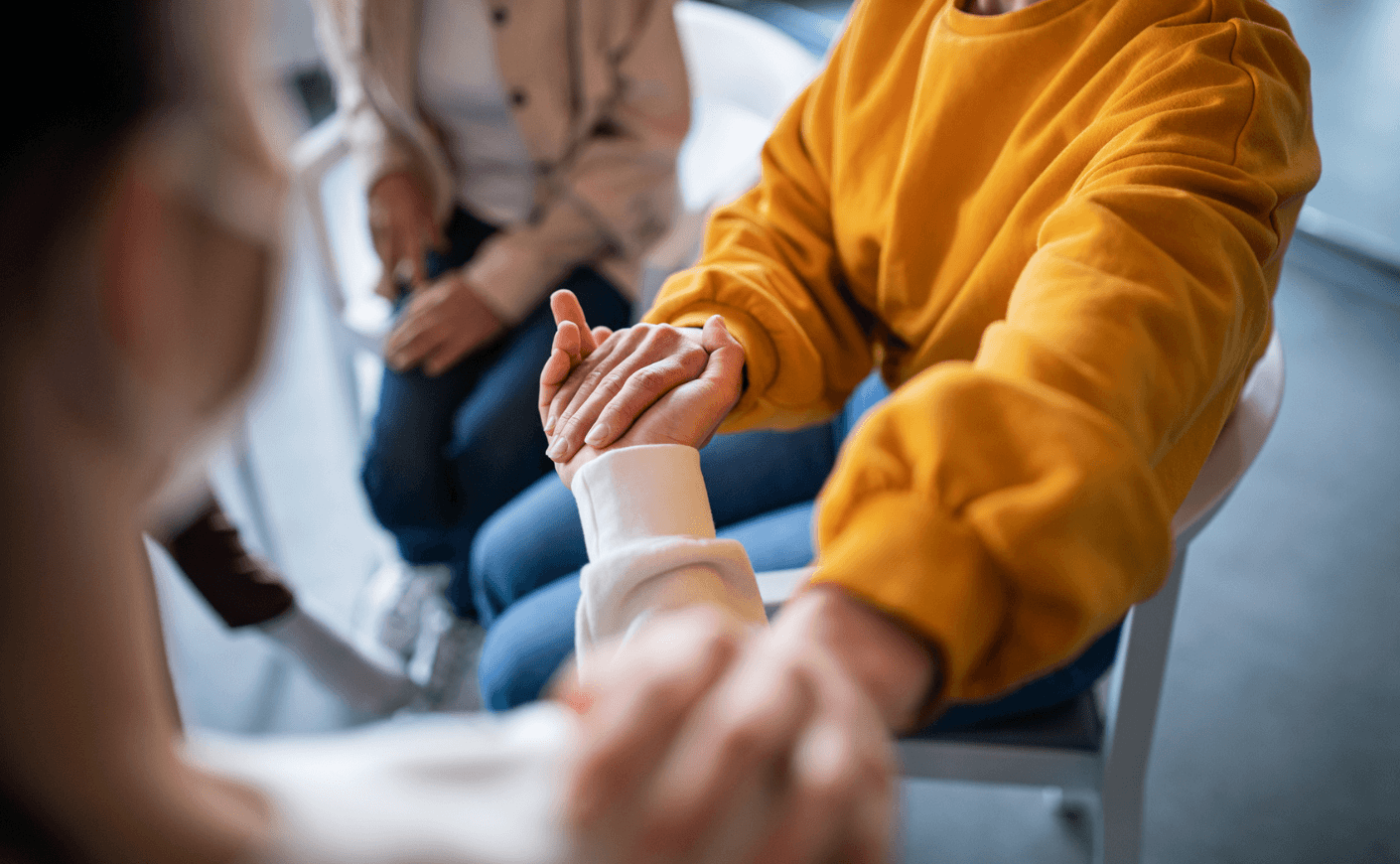
The concept is simple: while grief may be universal, everyone’s experience is deeply personal. Losing a spouse while raising children is different from losing a parent, sibling, or child. At Our House NYC, children, teens, and adults are placed in groups with people who have experienced similar losses. The groups are led by volunteers, and our clinical program director continually adapts the curriculum to fit each group’s needs.
The center isn’t only about helping people cope with the death of someone close. It’s about creating the community I struggled to find when my own family needed it. I’m especially proud that we offer family grief support, where parents and children meet with other families in similar age groups.
Our House NYC opened in Manhattan in October 2025, and we already have a waitlist. It’s clear that we need more volunteers to lead groups, and more funding to expand.
My most memorable moment, which still brings tears to my eyes, happened when our very first participant joined her first group session. I thanked her for joining us, and she said, “No, no, I have to thank you. For the first time, I’m feeling hope.”
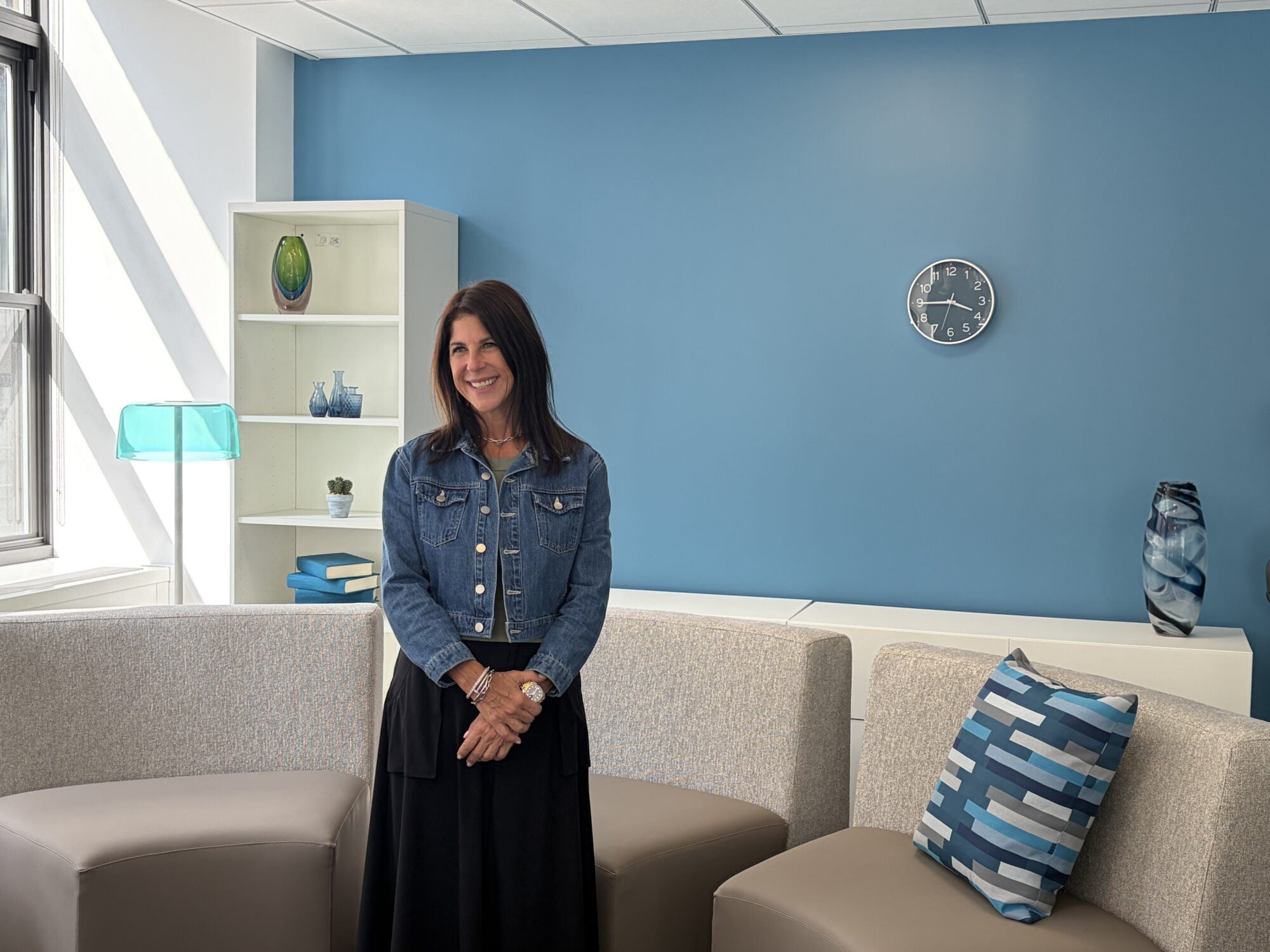
There's nothing more beautiful than giving that hope to another person. Whenever things get tough, I remember that woman and remind myself that I’m paying it forward.
And there are plenty of ways someone can support our work: as a volunteer, a donor, or simply by spreading the word that Our House NYC exists. By letting others know there’s a place where grieving friends can share memories and talk to people who understand their loss. I wanted to build this place so others don’t have to grieve alone, as I did.
Tami Schneider is the founder of Our House NYC, which is working to become New York City's go-to resource for grief support. After the death of her husband in 2010, she started Lost & Found, a community of more than 350 widows and widowers; she spent 14 years in finance at Goldman Sachs and has served on the board of The New Jewish Home for two decades.