



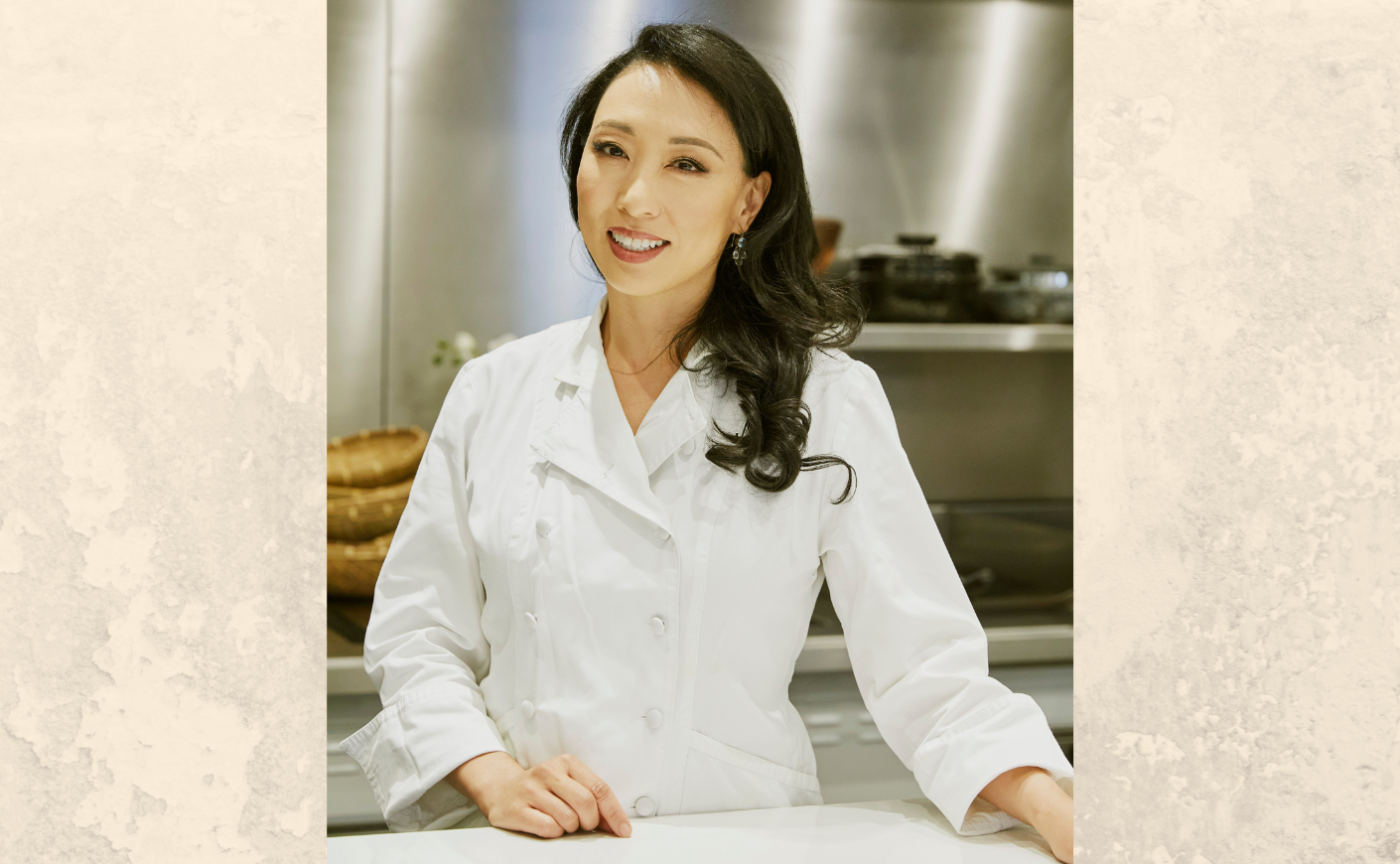
Judy Joo is an esteemed cookbook author, restaurateur, the host of Food Network's Korean Food Made Simple, and a contributor to our Good Taste newsletter.
Unsurprisingly, when we asked this kitchen magician for her best tips and tricks, Joo delivered simple advice to make the most of your meals. (And if you need proof that Joo is the real deal, a bite of her simple, weeknight-ready fried fish will automatically convince you.)
Below, Joo delivers very convincing hot takes on ditching breakfast and fresh veggies in favor of frozen, plus a simple kitchen mistake you should stop making today. And she's also busting a common culinary myth that might have steered you wrong in the past — and shares the satisfying, luxurious milk alternatives she loves most. Take this as your cue to break out of your routine and start experimenting with a bit more flair and confidence in the kitchen.
What's your favorite healthy breakfast?
Honestly? No breakfast. I've been doing intermittent fasting for years now, and I genuinely wake up with zero interest in food — which, coming from a chef, is saying something. My first meal lands somewhere between 11 a.m. and 1 p.m., and I'm completely fine with it. Science is on my side here: research published in The New England Journal of Medicine found that intermittent fasting triggers metabolic switching — essentially training your body to burn fat for fuel rather than glucose. Studies also show it may improve insulin sensitivity, reduce inflammation, and even kick-start autophagy, which is your body's way of clearing cellular trash.
That said, if I do eat breakfast — maybe after a brutal workout or a long night — it's always eggs. Specifically, an overstuffed omelet loaded with tomatoes, onions, wilted spinach, and a generous crumble of goat cheese or feta for that creamy, tangy hit. Simple, protein-packed, and genuinely delicious.
What's one mistake you wish more home cooks would stop making?
Being terrified of their own kitchens. Cooking is not brain surgery — put the rulebook down and have some fun. I always say recipes are guidelines, not gospel (baking excluded — baking is science and it will punish you if you freestyle). Don't like a mountain of garlic? Use less. Obsessed with chili? Throw in more. Swap the protein, ditch an ingredient, raid the fridge — make it yours.
What's one "healthy" ingredient you think is overrated, and what would you use instead?
Everyone thinks they're being healthy ordering oat milk — but nobody's reading the label. It's processed oats, water, and rapeseed oil, and it sends your blood sugar on a rollercoaster before 9 a.m. Plus the emulsifiers, stabilizers, and synthetic vitamins? Real food doesn't need all that. Also, it has very little nutritional value — unless it's fortified — and not much protein (about 2g).
My swap? Unsweetened soy milk or full-fat coconut milk (5g of protein). Soy milk has actual protein (8g) and has fed half of Asia for thousands of years without a rebrand. Coconut milk makes your coffee taste like it was worth getting out of bed for, if you love everything coconutty, like me.
Oat milk had a great PR run, but your blood sugar deserves better.
While I'm at it: Agave syrup is basically liquid fructose — just use a little honey or good maple syrup. Kale in its raw, chewy, unmanageable form can be swapped for tender Swiss chard or cavolo nero, which actually tastes good. I also avoid "low-fat" anything — when they strip out the fat, they replace it with sugar and sadness. Give me the real version in a reasonable portion every time.
What's a simple cooking habit that instantly makes home food taste more professional?
Finishing with a proper, extra-virgin olive oil. Not for cooking — for finishing. A light drizzle over a bowl of soup, pasta, grilled fish, roasted vegetables, or even a humble piece of sourdough toast transforms everything. Use the good stuff; you'll taste the difference immediately.
But equally important: season as you go, not just at the end. Salt is not your enemy — under-seasoning is. Taste constantly, adjust constantly, and don't dump a snowstorm of salt onto a finished plate. Also, get your pan properly hot before anything goes in. That sizzle when food hits the pan? That's flavor being built. And always — always — let your meat rest before cutting into it. I know you're hungry, but wait five minutes. It'll be worth it for those juices.
Is there a classic kitchen rule you love to break — and why?
The claim that fresh vegetables are always better than frozen. The stigma against frozen vegetables needs to end. Frozen veggies are harvested at peak ripeness and flash-frozen within hours, while your "fresh" supermarket broccoli has been sitting in trucks and cold storage for days, losing nutrients the whole time. Studies show frozen can actually have higher vitamin levels than fresh. Use fresh where texture matters — salads, quick sautés — and frozen everywhere else, like soups and stews, without guilt.
A study published in the Journal of Agricultural and Food Chemistry compared eight common fruits and vegetables in fresh versus frozen form and found that frozen produce had vitamins that were "comparable to and occasionally higher" than fresh. Vitamin C in fresh broccoli dropped by more than 50 percent within just one week of refrigeration — in frozen broccoli, it dropped by only 10 percent over the same period.
What's your ride-or-die kitchen tool?
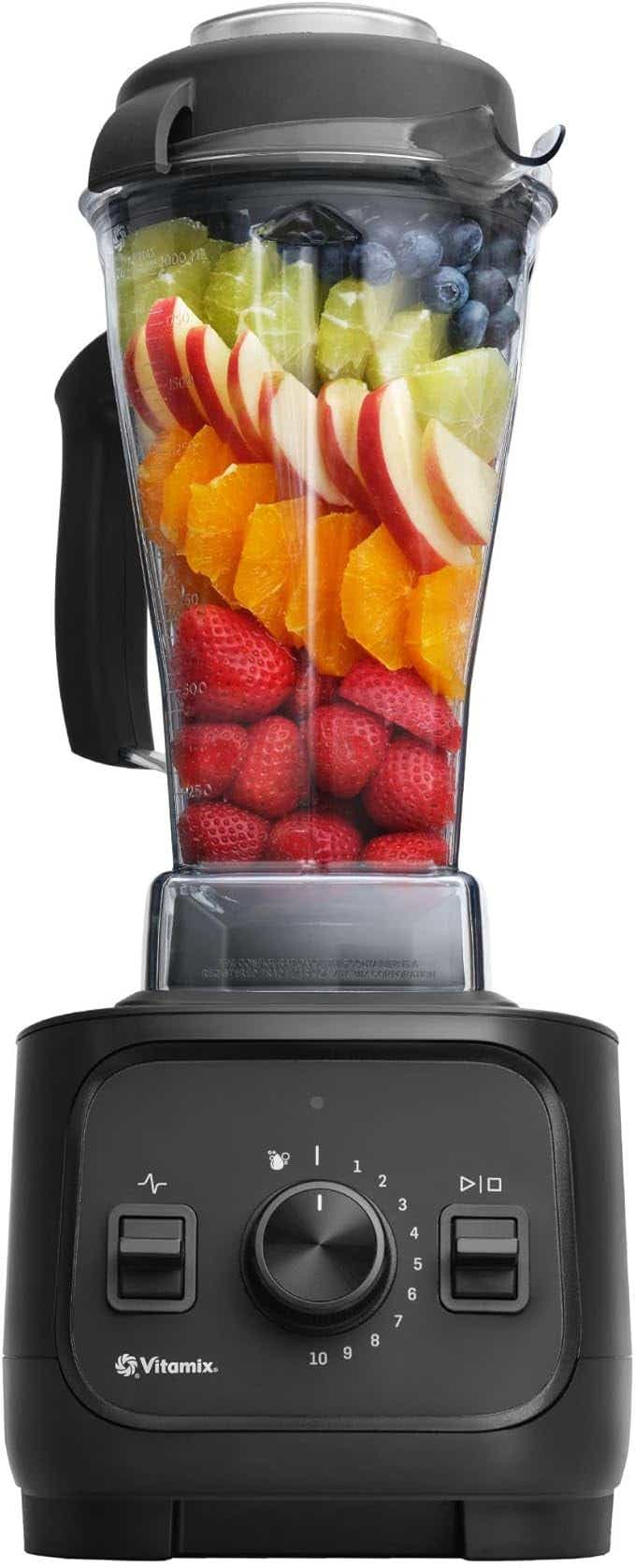
The Vitamix. Yes, it's expensive. Yes, it's worth every penny and then some. My Vitamix doesn't blend — it obliterates. Silky smooth soups, nut butters, sauces, smoothies, batters — all done in under a minute with zero chunks and zero apologies. Every other blender I owned before this was just practice and for amateurs. If you're still fighting with a cheap blender that leaves bits floating around, I need you to make better choices. Start here.
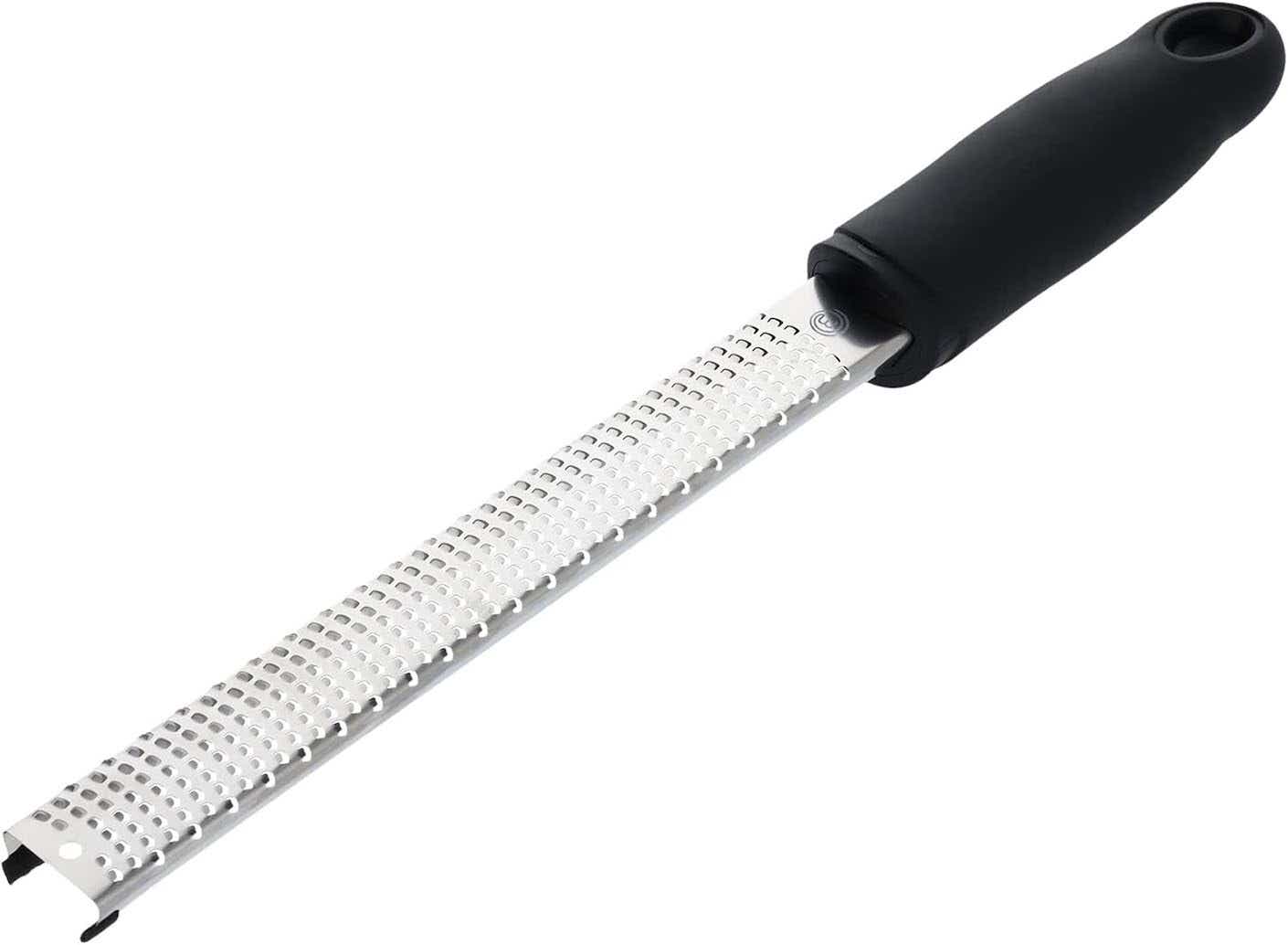
Everyone has a knife. Not everyone has a microplane. This long, slender, unassuming grater is the hardest-working thing in my kitchen — garlic becomes a paste in seconds, fresh ginger blends seamlessly into a dish as if it were always meant to be there, and hard cheese turns into a fluffy cloud of flavor rather than sad, rubbery shreds. It's the difference between a dish that tastes good and one that tastes intentional. Once you start zesting citrus directly over a bowl of noodles, or fresh nutmeg over hot chocolate, there's no going back. Non-negotiable. Ride or die!