






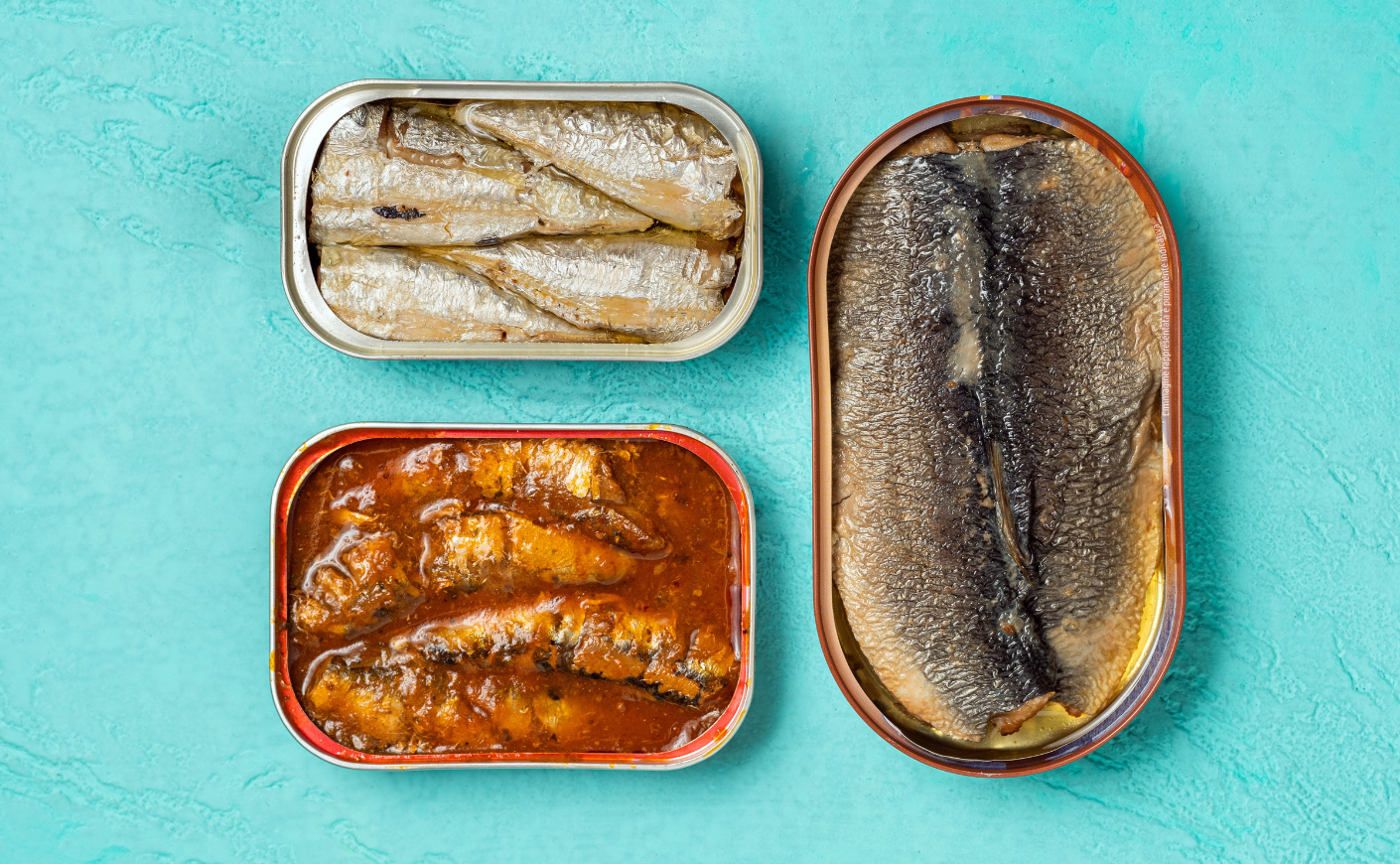
Have you heard of sardinemaxxing? Other than being part of the most annoying lexical trend in recent memory (i.e. looksmaxxing, sleepmaxxing, fibermaxxing, etc.), it refers to the internet’s current obsession with sardines for its purported health benefits.
Influencers are eating the tinned fish for breakfast, lunch, and dinner — and they think you should be, too. They claim it’s an easy, economical way to reach protein goals and literally “glow up,” giving skin a fresh, dewy appearance.
If you’re skeptical, we don’t blame you. Diet trends rarely work, and they're often dangerous. (Remember coffee enemas, anyone?) We decided to consult a couple experts about whether sardines really live up to the hype and what you should know before digging in.
Sardine health benefits
As a dietitian working with patients who have a history of cardiovascular disease, Julia Zumpano is a big fan of sardines. The fish are rich in omega-3 fatty acids, which have been shown to lower triglycerides, raise HDL (the so-called “good” cholesterol), lower blood pressure, and prevent blood clots, she tells us. They’ve also been linked to better cognition and lower rates of inflammation.
Unfortunately, only 2 percent of people in the U.S. have optimal levels of the fatty acids, according to data from the Centers for Disease Control and Prevention. That’s where sardines come in: The small, oily fish contain about 2 grams of the stuff per 3 ounce serving, making them one of the richest sources of the nutrient available. Salmon and mackerel are also packed with omega-3s, but sardines and smaller fish, like anchovies and herring, could be a healthier option, because they typically contain less mercury, Zumpano says.
These fatty fish are also a crucial source of two specific types of omega-3s — EPA (eicosapentaenoic acid) and DHA (docosahexaenoic acid) — that are otherwise difficult to get enough of through other foods.

Sardines are high in other important nutrients, like protein, vitamin D, calcium, B12, and selenium — but will adding them to your diet give you the glowing, youthful skin influencers claim? There’s some evidence it can be beneficial, Zumpano says.
“Eating more healthy fats can definitely lead to healthier skin,” she tells us. Sardines’ anti-inflammatory properties may reduce damage to collagen resulting from sun exposure, keep the skin moist and hydrated, and help the skin heal faster.
How to incorporate more sardines into your diet
One major factor fueling the sardine boom is ease of access. Most of the social media personalities participating in sardinemaxxing eat them straight out of the can, layered on toast or atop a bowl of rice. If you’re in a pinch, it’s an undeniably efficient way to “hit your macros” (gymbro speak for meeting your daily target of protein, carbs, and fats).
Zumpano stresses that when it comes to sardines, “fresh is best,” but she doesn’t have many qualms with eating them tinned. “I think it’s a great, easy, affordable way to add more fish to your diet,” she says.
But there are a couple things you should look out for at the grocery store, Zumpano explains. She recommends opting for products that are packed in either water or olive oil, and to eat the whole fish — bones and all — which ups the calcium content. Another thing to be wary of is sodium. Tinned fish can contain a lot of salt, which is why it’s best to opt for lower sodium varieties — particularly if you have a heart condition.
Cassy Joy Garcia, a nutrition consultant and the author of the upcoming book The Protein Meal Prep Plan, is a fan of the brands Wild Planet and Fishwife. She regularly feeds sardines to her family of five, usually by presenting them as part of a spread that they can pick on before dinner or as an option to add to a Mediterranean bowl, Garcia tells us.
For those who may struggle with the sheer fishiness of sardines, Garcia recommends disguising them in ground protein, like a meatball or meatloaf: “It’s a food that’s really good at hiding in other ingredients.”
Garcia’s other piece of advice for the uninitiated is to start slow and experiment: Try different flavors or branch out to herring or anchovies if sardines aren’t quite your thing. The important thing, she says, is to simply get more of these essential fatty acids into your meals: “You don’t have to eat tin upon tin to reap the benefits.”
