






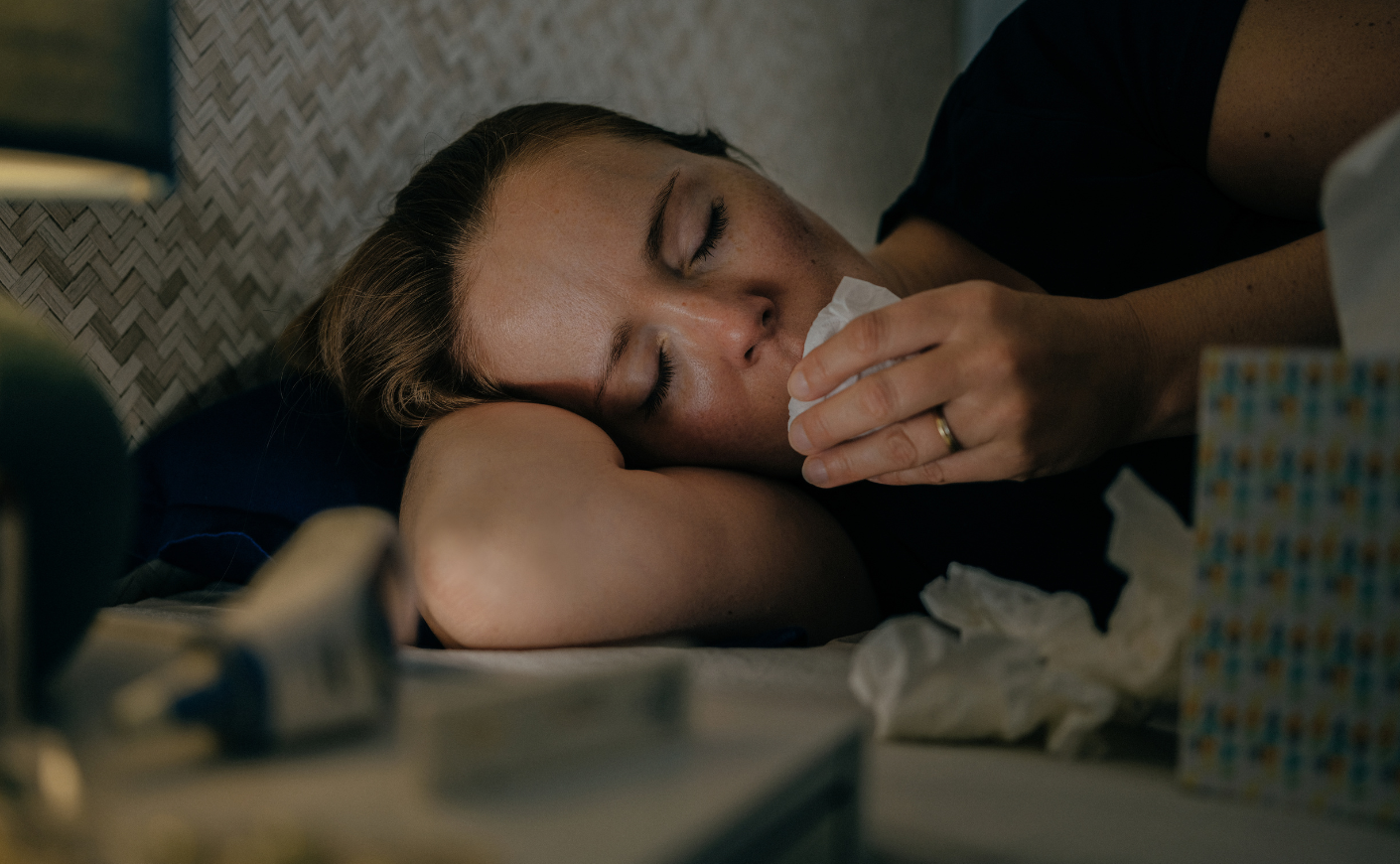
Were your holidays interrupted by the flu? If it feels like more people you know were under the weather this season, it's not a flu-induced fog tricking you: The virus has reached its highest levels in the U.S. in 25 years, with almost every state reporting high or very high levels of viral activity. Recent data from the CDC says that doctor’s visits for flu symptoms, including fever, cough, or sore throat, are at a high we haven’t seen since 1997-98.
The majority of these cases are linked to the subclade K strain, a subtype of influenza A. The new variation spreads quickly and isn’t targeted in the current flu vaccine — but that doesn’t mean you should skip the shot this year. To help you glide into 2026 with a little less phlegm, we spoke to Ebru Karpuzoglu, MSc, Ph.D., an immunologist and molecular medicine specialist, about subclade K’s symptoms and how to protect yourself this flu season.
Katie Couric Media: What symptoms are you seeing among patients this flu season, and how does it compare to previous years?
Dr. Karpuzoglu: More people are experiencing symptoms that affect the entire body rather than just the respiratory tract. Lingering fatigue, body aches, headaches, and a slower return to normal energy levels are commonly reported. From an immunology perspective, this may indicate a delayed immune recovery rather than a more aggressive virus. That could be because, unfortunately, given the stress we were dealing with last year, many immune systems appear to be starting from a more stressed baseline than in previous years, which can make them more susceptible to the flu.
What early flu symptoms should people watch out for?
Small but consistent temperature elevations can appear one to two days before classic flu symptoms develop. These changes reflect early immune signaling as the body begins responding to a viral threat. Early on, people often describe feeling off, unusually tired, or mildly foggy rather than clearly ill.
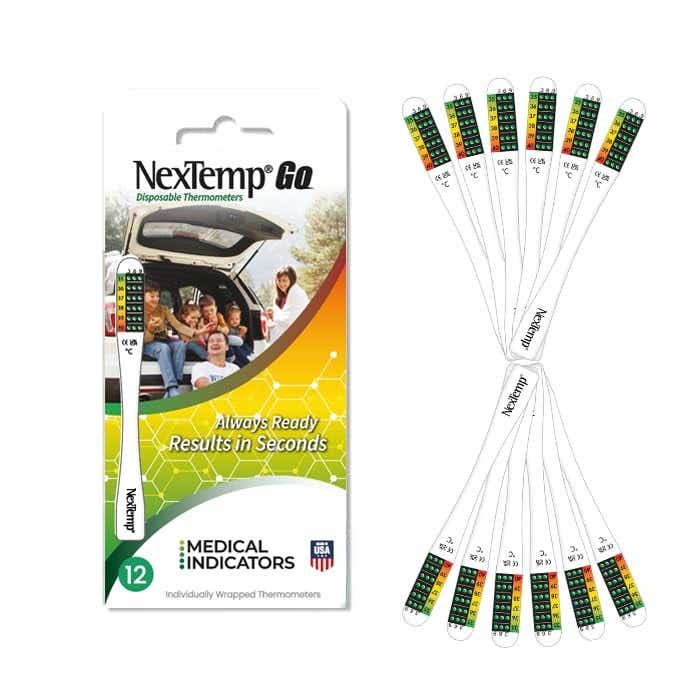
Fortunately, oral thermometers are a quick and reliable way to monitor your temperature at home. In households with children, older adults, or caregivers monitoring multiple people, consider single-use oral disposable thermometers, such as NexTemp, because viruses can survive on surfaces and spread through shared objects like reusable thermometers.
What red flags should families look for in flu cases that indicate it’s time to seek medical care — particularly in older adults?
Persistent fever, difficulty breathing, chest discomfort, or symptoms that worsen instead of improve should prompt medical evaluation. In older adults, warning signs may include confusion, dizziness, sudden weakness, or difficulty with daily activities. These symptoms can often reflect dehydration or systemic stress and should be taken seriously. Any clear change from a person’s usual baseline deserves attention.
How can people best care for themselves to help prevent illness this flu season?
Immune health depends on consistent daily habits rather than last-minute fixes. Adequate sleep, balanced nutrition, stress management, and stable blood sugar all support normal immune function. Good hygiene and awareness of early symptoms also play an important role. Prevention works best when the immune system is supported before illness takes hold.

Is it still worth getting your flu shot?
Yes. Although this season's vaccine wasn't designed for subclade K specifically, it still provides protection against severe illness and is well matched to other circulating strains. For those considering vaccination, giving your immune system that extra support heading into peak flu season is a smart move for you and the people around you.
