You've probably heard about the importance of gut health, and that probiotics can help support it. But with so many options lining store shelves, it's easy to wonder: How do you know if a probiotic is really working? Why are some refrigerated and others shelf-stable? And what really separates one formula from another?
The probiotic category has exploded in recent years, but not all products are created with the same level of scientific rigor. According to gastroenterologist Zain Kassam, MD, there's widespread confusion — even among medical professionals.
"One of the biggest misconceptions is that all probiotics are the same," Dr. Kassam explains. "To me, using the term 'probiotic' is like saying the word 'medicine' — aspirin and Ozempic are both technically medicine, but they're pretty different."
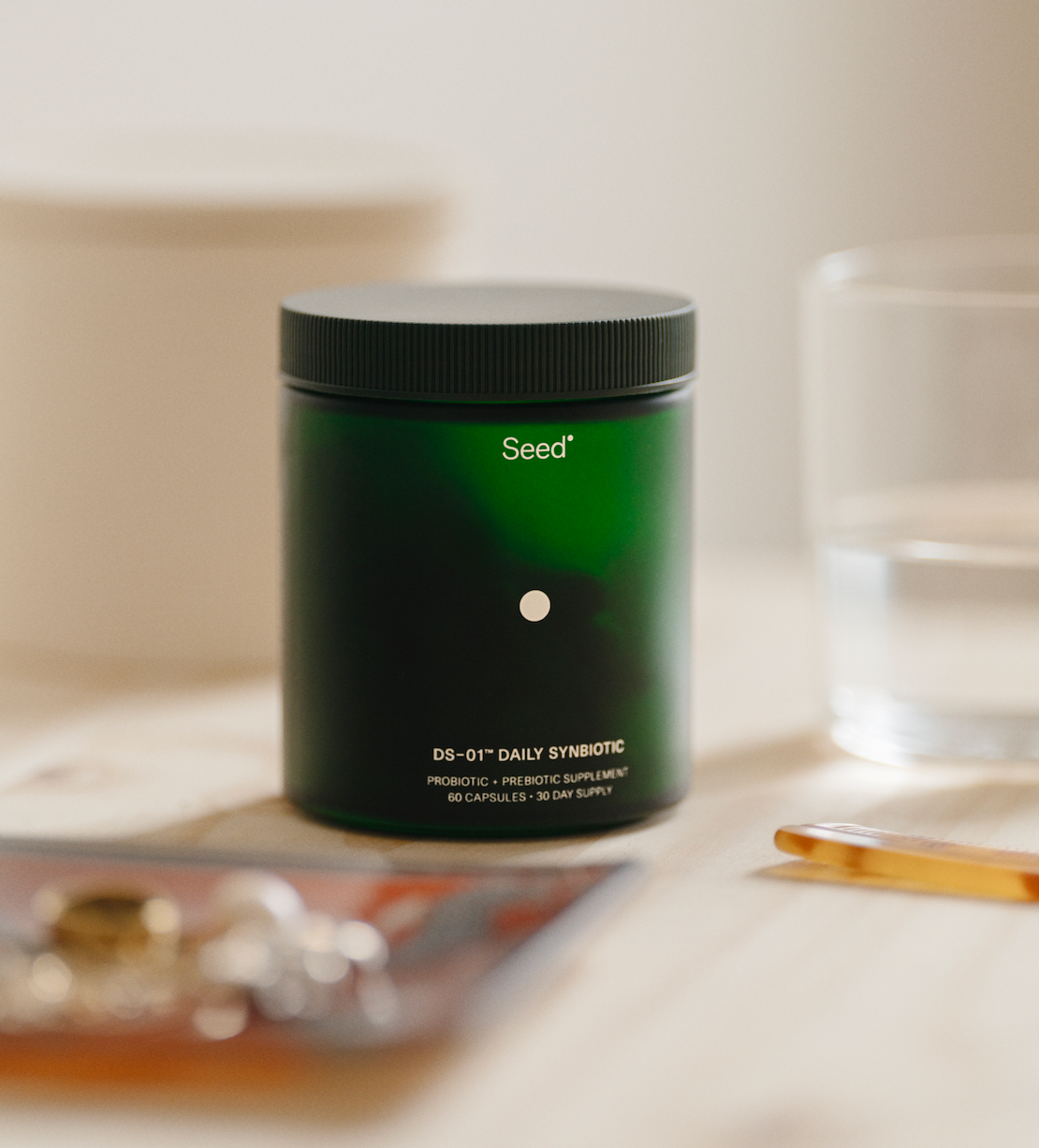
Dr. Kassam — an award-winning physician-scientist who has authored more than 200 peer-reviewed publications and trained at institutions including Harvard and MIT — now serves as Chief Medical Officer at Seed Health. There, he leads research and clinical strategy for the brand's flagship product DS-01 Daily Synbiotic, a probiotic and prebiotic formulated to support digestive health, including bloating, gas, and irregularity.
From his perspective, the issue isn't just confusion around terminology — it's a lack of consistent standards in the category itself. "Most probiotic companies don't test their final product in clinical trials and rarely look really deep into the biology," Dr. Kassam says. "We do things very differently."
That difference is becoming more important as people increasingly turn to probiotics to address everyday digestive concerns, often without consulting a doctor. So what should you be looking for in your probiotic?

Do all probiotics work the same?
The short answer? No, and assuming they do can lead to disappointing results.
"As a gastroenterologist, I've seen thousands of patients, and almost everyone is confused about probiotics," Dr. Kassam says. To make sense of the category, he uses what he calls the "4D framework" — a way to evaluate whether a probiotic will truly make a difference in gut health.
- Diversity: Does the product include a wide range of beneficial bacterial strains?
- Delivery: Does it ensure that those strains survive and reach the colon?
- Do-gooders: Does it include prebiotics that feed and support those microbes?
- Data: Is there clinical validation of the final product?
"Most probiotics have a single strain or maybe a handful," he says. "DS-01 is different. It includes 24 strains covering 30,000 unique microbial genes."
Do probiotics survive digestion?
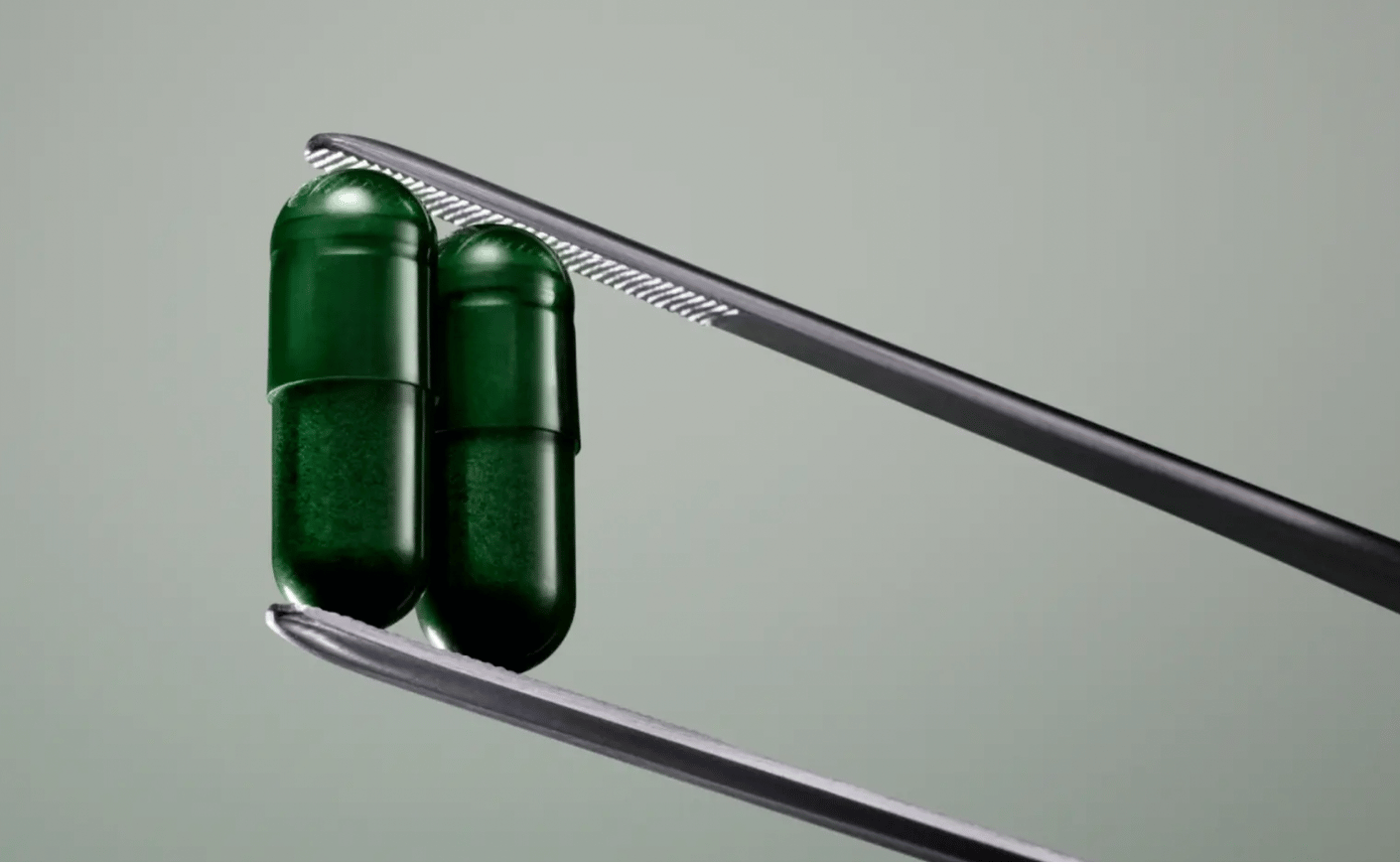
One of the biggest misconceptions is that simply taking a probiotic means it's doing something beneficial. That's where formulation becomes critical: DS-01 uses a capsule-in-capsule design to protect the microbes until they reach the colon, where they can actually function. “If they’re not having an impact, you’re not going to see any of the benefits,” he adds.
“The stomach is a really powerful place — it kills a lot of the bacteria you’re taking,” Dr. Kassam explains. “You want to make sure the probiotics are tested, to make sure they get to where they need to go, and don’t die in your stomach.”
Do probiotics need to be refrigerated?
One reason some probiotics are refrigerated — and others aren’t — comes down to stability and survivability. Certain strains require cold storage to remain viable, while others are designed to remain stable at room temperature, such as Seed. But refrigeration alone doesn’t guarantee effectiveness.
What is bloating so common — and so hard to fix?
An extended belly is among the most common stomach complaints, yet it’s often self-managed and poorly understood. "Bloating is complicated and variable," Dr. Kassam says. "There are at least three major biologic pillars that make people bloated." Those are, he explains, excess gas from microbial activity, slow digestion or motility, and increased gut sensitivity.
"Those factors can change within the individual," he explains. "One day, there's too much gas. Another day, there's an issue with motility, and another day, it's sensitivity." This complexity helps explain why quick fixes often fall short, and why addressing the underlying microbiome can be more effective.
What does the clinical research about probiotics show?
Seed’s latest study was designed to reflect how people experience digestive symptoms in real life — not just in a clinical setting. The randomized, placebo-controlled trial followed 350 otherwise healthy adults with bloating, comparing those taking DS-01 to those taking a placebo over several weeks.
The results showed measurable improvements across several key areas, including bloating, gas, regularity, and overall digestive comfort. Some participants reported improvements as early as the first week.
But one of the most meaningful findings went beyond symptom relief: “People who are bloated tend to avoid certain foods,” Dr. Kassam says. “On DS-01, they were less likely to avoid those foods, enjoyed their meals more, and were able to engage in more physical activity.”
Some trial participants saw improvements as early as the first week. “Everyone’s biology is a little different,” Dr. Kassam says. “Some people are hyper-responders and see results quickly. Others take longer.”
His advice on spotting results? Consistency matters. “Don’t get discouraged if you don’t see a change right away,” he notes. “Take a full course before deciding if it works for you.”
What should you look for in a probiotic?
With so many options available, knowing which products to trust can be challenging. Dr. Kassam believes that as the probiotic category evolves, our expectations should evolve right alongside it. “We should be raising the bar,” he says, “People want products that work.”
That means looking for clinically tested formulas like Seed, intentional formulations, and clear evidence of effectiveness, not just marketing claims. “Strong biology, strong clinical data, and credible science are ways to differentiate in what is a very noisy sector,” he says.
As more people take digestive health into their own hands, the need for clarity — and credibility — has never been greater. “I have deep empathy for both clinicians and consumers trying to navigate this space,” Dr. Kassam says. “It’s very difficult.” But with more rigorous science finally coming onto the scene, that may finally be changing.