






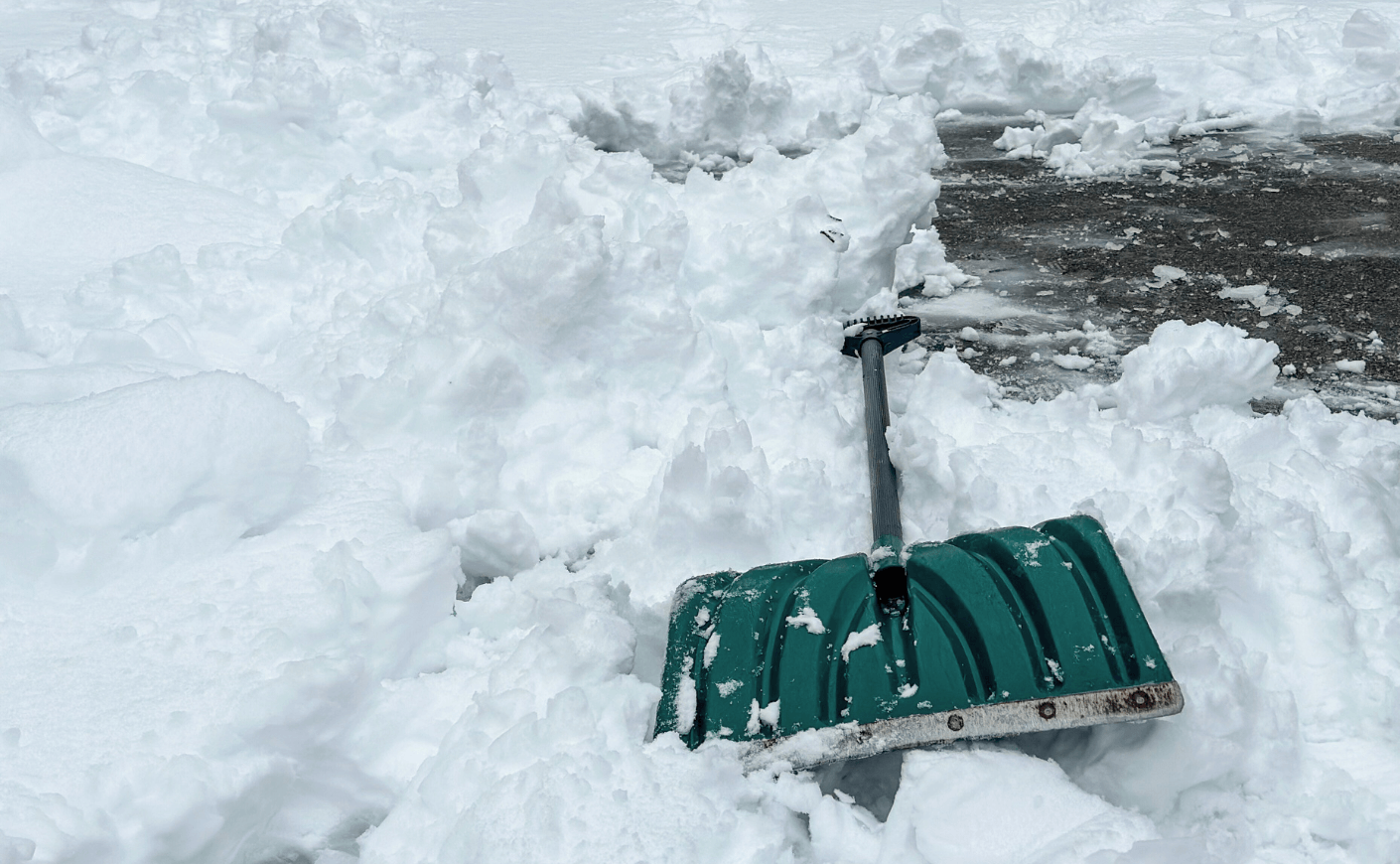
With a blizzard pummeling the New York City area, many Americans are finding their driveways and sidewalks covered in snow. But you should pause before breaking out the shovel — that activity can be tremendously dangerous, especially for those with some medical conditions or above certain age brackets. (CBS News reported that three people in Pennsylvania between the ages of 60 and 84 died from snow-shoveling after last month's storm.)
But since exercise is good for you, why do we worry that shoveling snow will raise the risk of a heart attack?
Snow shoveling can be vigorous exercise
Snow shoveling is a unique form of exertion. It can be vigorous and challenging to the cardiovascular system in general, and the heart in particular. When combined with the inherent environmental conditions of winter, snow shoveling during or after a blizzard may be the “perfect storm” for a cardiac event in those with known or “occult” (hidden) coronary disease.
First, a little background. The “risk-paradox” of exercise is that while physical activity performed over the long term is known to be very healthy and significantly lowers the risk for heart disease and other chronic diseases, vigorous exercise acutely increases the immediate risk of a cardiac event above that expected at rest. The risk of having a cardiac event while you're in a rested state is low, but you're more likely to have a cardiac event while performing vigorous exercise.
Despite this, it's widely accepted that the benefits far outweigh the risks and should be encouraged. In fact, the more physically active you are, the less the acute risk is. Being in good shape can give you added cardio-protection.
Challenging the heart
The reason snow shoveling leads to increased risk of a cardiac event is simple: At rest, the oxygen supply to the heart isn't challenged very much, but during exercise, the heart’s oxygen demands increase dramatically. Snow shoveling is especially demanding in this regard.

When you're healthy, your body has the ability to increase oxygen supply as the demand increases. As the heart beats faster and harder, the coronary vessels open up and supply the additional blood flow that is required to feed the heart’s increased demand.
However, when coronary disease is present, blockages in the coronary vessels can limit blood flow, leading to slowed and inadequate oxygen supply. When the heart muscle (the myocardium) doesn't get sufficient oxygen, it can rapidly fail because it is highly dependent on blood flow (oxygen) to generate normal contractions. If the heart muscle becomes starved for oxygen, it also becomes vulnerable to abnormal electrical activity that can lead to dangerous arrhythmia’s (irregular heartbeats) or a heart attack.
Other less common types of underlying cardiac disease, often undetected, may also make the heart vulnerable to arrhythmia’s during heavy exertion when oxygen supply is outstripped by demand and can lead to similar, catastrophic consequences.
So what's especially dangerous about snow shoveling?
Very few studies have examined the physiology of snow shoveling, because it's technically difficult to do so. But we do know that the cardiovascular demands of snow shoveling are very high. In fact, it rivals the demands during maximal exercise testing, such as a cardiac stress test on a treadmill or bicycle, which often exceed 80-90% of your maximal exercise tolerance.
There are two aspects of snow shoveling that make it unusual for the heart compared to, for example, walking or jogging.
First and obviously, it's typically performed in cold weather. Cold-air inhalation may cause a reflex constriction of blood vessels, including the coronary arteries. Cold air may also increase the blood’s propensity for clotting. If blood clots form and there's a tear in the inside of the artery, a blood clot could form a blockage.
The second issue is the nature of the exercise — and snow shoveling is unique. That's because it's typically done without a warm-up, and includes considerable arm work that increases blood pressure drastically. As blood pressure rises, so too does the work of the heart. Meanwhile, your leg muscles are typically performing isometric work (where you produce a lot of tension but your muscles don’t move your joint — like an even tie during an arm-wrestle). This type of muscle activity, especially in the upper body (as you tightly grip the shovel), raises blood pressure more than, say, walking or jogging.
Each time you thrust the snow, the arms rise high, increasing blood pressure further. In addition, you typically perform the Valsalva maneuver: a natural tendency to generate lots of chest pressure without exhaling breathing out (like tennis players do when they hit a ball, or when you push hard against something). This further increases blood pressure.
Ironically, the metabolic cost of snow shoveling (oxygen consumption for the whole body) may not be more than typical sub-maximal exercise like a light jog, but the oxygen cost to the heart is likely to be very high. Failing to warm up may add further demands on the heart. The blood vessels going to the working skeletal muscles may not open up as quickly, so it takes more effort for the heart to pump blood.
The bottom line? The cardiac cost of snow shoveling is disproportionately high, is compounded by cold air inhalation which may increase the likelihood of blood clotting and coronary vessel constriction. The nature of the exercise is challenging to the heart and is not likely to be accompanied by an adequate warm up. I also suspect that the cooldown after this kind of exercise is likely minimal, if not non-existent. (Throwing off your coat and sitting on the sofa exhausted certainly doesn’t count.)
Snow will keep coming, so what can you do?
For most people, snow shoveling is a safe form of exercise, even if it's a little difficult. But you should get a green light from your doctor if you've been diagnosed with, or are considered to be at risk for, coronary heart disease. If you're not accustomed to vigorous exercise, some caution is warranted.
Snow shoveling can be vigorous exercise, so start the right way. Warm up gradually — at least 5-10 minutes before beginning. Consider wearing a scarf around the mouth in very cold conditions, as this will warm inhaled air. Start with small loads of snow and keep them manageable, especially when the snow is wet and heavy. Use a smaller shovel so that your lifts are much smaller and can be managed for a long time without getting exhausted. Breathe throughout the entire process of gathering, lifting, and throwing the snow — and don’t hold your breath as you exert effort. As you warm up, some greater effort can be considered, but easy does it. When you’ve finished, cool down — walk slowly for a few minutes, perhaps inspecting the shoveling efforts of a few neighbors, before going inside to a warm house.
Remember that being physically fit lowers your risk from cardiac disease, and regular exercise is highly recommended for most individuals. That being said, be cautious and get sound advice from your physician if you're in doubt. For most people, regular exercise (including both aerobic and strength) will enhance your quality of life — and make your future shoveling much easier — and safer, too.
Jack Goodman, Professor, Kinesiology and Physical Education, Adjunct Scientist, Division of Cardiology, Mt. Sinai Hospital, University of Toronto
This article is republished from The Conversation under a Creative Commons license. Read the original article.
